Best Fishing Spots in Illinois
There's nothing quite like the feeling of anticipation as you cast your line, waiting for that tell-tale tug, especially in a state as diverse as Illinois. From sprawling reservoirs to mighty rivers and even a Great Lake shoreline, our state offers an incredible array of fishing opportunities, but knowing where to go can feel like deciphering an ancient map. This comprehensive guide is designed to cut through the confusion, helping you discover the best fishing spots in Illinois, whether you're chasing trophy bass, filling a cooler with crappie, or battling a giant catfish.
The Allure of Illinois Waters: Why We Keep Coming Back
For many of us, fishing isn't just a hobby; it's a way of life, a connection to nature, and a peaceful escape from the daily grind. Illinois might not be the first state that comes to mind for world-class fishing, but if you know where to look, our waters hold some truly incredible angling experiences. It's not always about the biggest fish, either, though we certainly have our share of those. Often, it's the quiet moments on the water, the stunning sunrises, and the camaraderie with fellow anglers that draw us back, season after season.
A Landscape Full of Opportunities
Illinois is often characterized by its flat farmlands, but a closer look reveals a surprisingly varied aquatic landscape. We're bordered by two of the nation's most iconic rivers – the Mississippi and the Wabash – and share a precious sliver of Lake Michigan, one of the world's largest freshwater lakes. Inland, a network of man-made reservoirs, natural glacial lakes, and winding rivers crisscross the state, each offering its own unique habitat and angling challenges. This geographical diversity means that no matter what species you're targeting or what kind of fishing experience you prefer, there's likely an Illinois water body that fits the bill. From deep-water trolling to shallow-water jigging, the possibilities are vast.
Think about it: one weekend you could be chasing walleye on the swift currents of the Mississippi, and the next, you could be relaxing on a quiet cove at Rend Lake, pulling in bluegill. This variety is truly one of Illinois's greatest strengths for anglers. It allows us to adapt our techniques and explore new waters, keeping the sport fresh and exciting. And with such a wide range of environments, it's crucial to understand that fishing regulations, daily limits, and even the best baits can vary dramatically from one location to another. Always consult the latest Illinois Fishing Regulations Overview before heading out.
Beyond the Catch: The Experience
While the thrill of a bending rod and a screaming reel is undoubtedly a major draw, the fishing experience in Illinois extends far beyond the actual catch. It's about spending quality time outdoors, whether that's with family, friends, or simply in quiet solitude. Many of our prime fishing locations are nestled within beautiful state parks or wildlife areas, offering additional opportunities for hiking, birdwatching, or simply enjoying the natural beauty of the region.
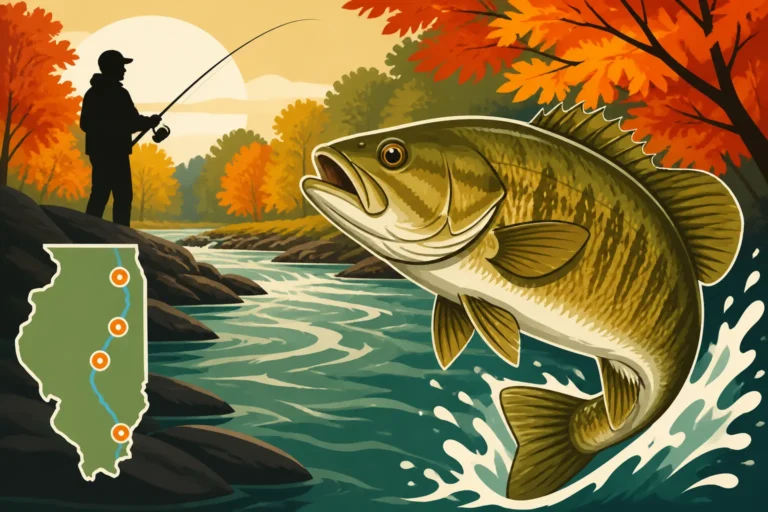
Imagine a crisp autumn morning on the Kankakee River, mist rising off the water as you cast for smallmouth bass, surrounded by vibrant fall foliage. Or a warm summer evening on Carlyle Lake, watching the sunset paint the sky in fiery hues as you wait for a catfish bite. These are the moments that truly enrich the angling experience. For many parents, it's about introducing their kids to the joys of nature, patiently teaching them how to cast, bait a hook, and the importance of conservation. Places like those found on the Illinois State Park Fishing Spots list are perfect for creating those lasting memories. These spots often have accessible piers, picnic areas, and other amenities that make a family outing even more enjoyable, regardless of the size of the day's haul.
Illinois's "Big Three" Lakes: Legends of the Water
When you talk about serious reservoir fishing in Illinois, three names consistently rise to the top: Rend Lake, Lake Shelbyville, and Carlyle Lake. These massive impoundments, originally built for flood control and recreation, have become legendary among Illinois anglers for their incredible productivity and diverse fisheries. Each offers a distinct personality and specializes in certain species, drawing dedicated anglers from across the Midwest and beyond.
Rend Lake: Panfish Paradise
Located in Southern Illinois, Rend Lake is a sprawling 18,900-acre reservoir renowned for its exceptional panfish population, particularly crappie and bluegill. It's a shallow, fertile lake with abundant standing timber, submerged brush, and stump fields, providing ideal habitat for these schooling fish. Anglers often describe Rend Lake as a "fish factory" because of the sheer numbers of panfish you can catch here, making it a fantastic destination for both seasoned veterans and those just learning the ropes.
Come spring, when the Illinois Crappie Spawn Season Guide indicates the fish are moving shallow, the cypress trees and flooded timber in areas like Big Muddy and Casey Fork make for incredible action. Many anglers use spider rigging or single-pole jigging techniques to target these slabs. You'll find boat ramps scattered around the lake, but some of the best crappie fishing requires navigating through timber, so a shallow-draft boat or a good trolling motor is a must. For bluegill, Rend Lake is truly special. It's one of the few places in Illinois where you can consistently catch bluegill over a pound, earning it the nickname "bluegill factory." These oversized panfish often lurk around weed lines and brush piles, eagerly snatching up crickets, worms, or small jigs. Many local guides on platforms like FishingBooker specialize in taking anglers out to these prime panfish spots, often revealing techniques and locations that would take years to discover on your own.
Lake Shelbyville: The Crappie and Bass Haven
Moving north slightly into Central Illinois, Lake Shelbyville offers a different kind of challenge and reward. This 11,100-acre reservoir is known for its steep bluffs, rocky points, and deep channels, providing excellent habitat for both crappie and largemouth bass. While it's slightly smaller than Rend Lake, its varied topography makes it a favorite for anglers who enjoy dissecting structure and adapting to changing conditions.
The crappie fishing on Lake Shelbyville can be phenomenal, especially in spring and fall. Anglers often find success around the flooded timber in the many coves and tributaries, as well as along rip-rap shorelines and bridge pilings. Techniques range from vertical jigging around submerged brush to slow trolling minnows. For bass anglers, Lake Shelbyville is a true gem and frequently appears on lists of the Best Bass Fishing Lakes in Illinois. Largemouth bass thrive in the lake's abundant cover, from fallen trees and weed beds to rocky banks and main lake points. Common tactics include throwing spinnerbaits and crankbaits along shoreline cover in spring, transitioning to deeper jigs and soft plastics in summer. Smallmouth bass can also be found in the clearer, rocky sections of the lower lake. The lake also holds a strong population of walleye, though they can be a bit more elusive. During the warmer months, walleye are often found relating to main lake points and humps.
Carlyle Lake: Catfish Kingdom
Illinois's largest man-made lake, Carlyle Lake, spans an impressive 24,590 acres in the southwestern part of the state. This expansive, relatively shallow lake is famous for its outstanding catfish fishery, particularly for channel catfish, though blue and flathead catfish are also present. Its vast mudflats, flooded timber, and numerous creek channels create a perfect environment for these whiskered predators. If you're looking to fill a cooler with delicious catfish, Carlyle Lake is absolutely a must-visit.
The sheer size of Carlyle Lake means there are countless spots to target catfish. The northern end of the lake, with its shallower, muddier water, is particularly productive for channel catfish, especially during the warmer months. Anglers often anchor along creek channels or drift across flats, using traditional bottom-fishing rigs baited with cut bait, stink bait, or shrimp. The lake's dam area and rocky rip-rap also hold good numbers of catfish. Carlyle Lake also boasts a significant white bass fishery, with explosive action during their spring spawning runs up the feeder creeks. And while less famous for them than Shelbyville, it does have decent populations of crappie and largemouth bass, particularly in the numerous coves and bays protected from the main lake's wind and waves. Many anglers even book guided trips through services like FishingBooker to learn the nuances of Carlyle Lake's vast waters and find those honey holes for catfish.
Here's a quick comparison of Illinois's "Big Three" lakes:
| Feature | Rend Lake | Lake Shelbyville | Carlyle Lake |
|---|---|---|---|
| Size (Acres) | 18,900 | 11,100 | 24,590 |
| Primary Species | Crappie, Bluegill, Bass | Crappie, Largemouth Bass, Walleye | Channel Catfish, White Bass |
| Key Habitat | Shallow, fertile, abundant timber, brush | Steep bluffs, rocky points, deep channels | Expansive, relatively shallow, mudflats, timber |
| Best Season | Spring, Fall (Panfish) | Spring, Fall (Bass, Crappie) | Summer (Catfish) |
| Special Note | Famous for trophy bluegill | Excellent structure fishing | Illinois's largest man-made lake |
Mighty Rivers: Untamed Waters and Diverse Fish
Beyond the placid (and sometimes not-so-placid) waters of our major reservoirs, Illinois is blessed with an extensive network of rivers. These flowing waters offer a completely different fishing experience, often requiring different techniques and a keen understanding of current and riverine habitat. From the vast expanse of the Mississippi to the winding smaller streams, Illinois's rivers are teeming with diverse fish species, providing endless opportunities for exploration.
The Mississippi River: A Borderland Bounty
The mighty Mississippi River forms Illinois's entire western border, offering hundreds of miles of diverse fishing opportunities. This legendary river is a true multi-species fishery, holding everything from colossal catfish and schooling white bass to elusive walleye and northern pike. Fishing the Mississippi requires an understanding of its unique characteristics: strong currents, diverse bottom structures, and a complex system of main channels, backwaters, and wing dams.
For trophy catfish, the Mississippi River is arguably one of the best spots in the entire state. Blues and flatheads regularly grow to impressive sizes, with channel catfish also abundant. Anglers targeting these giants often use heavy tackle, fishing deep holes, scour pits, and around log jams with fresh cut bait or live bait. The river's backwater areas are phenomenal for crappie, bluegill, and largemouth bass, especially in spring when these fish move into the calmer, warmer waters to spawn. These areas often feature extensive submerged timber and vegetation. Additionally, the northern stretches of the Mississippi are famous for their walleye and sauger fishing, particularly around wing dams and current breaks. Knowing the Illinois Walleye Size and Catch Limits is critical here, as they can vary. Many anglers find success jigging or trolling crankbaits along current seams and structure. The Illinois Department of Natural Resources (IDNR) regularly stocks these species, ensuring a robust fishery.
The Illinois River: A Central Waterway Treasure
Flowing diagonally across the heart of the state, the Illinois River is another major waterway offering fantastic fishing. Once heavily polluted, the Illinois River has seen a remarkable recovery in recent decades and now supports a healthy and diverse fish population. It's particularly well-known for its catfish, white bass, and sauger. Its series of locks and dams create distinct pools, each with unique characteristics and fishing hotspots.
The Illinois River is a hotspot for channel catfish and flatheads, especially below the dams where fish congregate. Anglers can find excellent action throughout the warmer months, often setting up bank lines or fishing from boats in deeper holes and along rip-rap. White bass runs on the Illinois River in spring can be legendary, with schools of hungry fish chasing shad on the surface, providing fast and furious action for anglers throwing small spoons, jigs, or minnows. Sauger fishing is also a major draw, particularly in the fall and winter months. These cousins of the walleye are often found in deeper, slower-moving sections of the river and can be caught jigging spoons or small crankbaits. The river's many backwater lakes and sloughs are also productive for crappie, bluegill, and largemouth bass, especially during periods of stable water levels.
Kankakee and Fox Rivers: Northern Illinois Gems
For anglers in Northern Illinois, the Kankakee and Fox Rivers provide fantastic and easily accessible fishing opportunities, often just a short drive from major metropolitan areas. These rivers are smaller and generally clearer than the Mississippi or Illinois, offering a more intimate river fishing experience.
The Kankakee River is widely considered one of the best smallmouth bass rivers in the state. Its rocky bottom, riffles, and runs provide ideal habitat for these hard-fighting bronze backs. Anglers often wade or use kayaks to access prime smallmouth spots, throwing small crankbaits, jigs, and tubes. Beyond smallmouth, the Kankakee also holds good populations of walleye, northern pike, and channel catfish, particularly in deeper pools and around current breaks. Many sections of the river run through state parks and public access areas, offering ample Best Bank Fishing Spots in Illinois and boat launches. The Fox River, winding through suburban Chicago, also offers surprisingly good fishing for smallmouth bass, northern pike, walleye, and various panfish. While development along its banks is more prevalent, numerous public access points and forest preserves provide entry to productive stretches. Both rivers are excellent choices for anglers seeking diverse catches closer to home.
Lake Michigan: A World-Class Salmon and Trout Fishery
Illinois has a precious 63-mile stretch of Lake Michigan shoreline, and it provides access to a truly world-class fishery for salmon and trout. This Great Lake offers a completely different angling experience compared to inland waters, targeting powerful, migratory species that fight hard and grow to impressive sizes. Whether you're casting from a pier or heading out on a charter boat, the thrill of hooking into a King Salmon or a Steelhead is unmatched.
Shoreline and Pier Adventures
You don't need a fancy boat to enjoy Lake Michigan's bounty. Many anglers find great success fishing from the numerous piers, harbors, and shoreline access points along Illinois's coast, especially in and around Chicago, like at Navy Pier or Montrose Harbor. Coho salmon, Chinook salmon (Kings), steelhead (rainbow trout), brown trout, and even lake trout can all be caught from shore, particularly during spring and fall.
Spring sees a strong coho run, with these silver bullets often caught near the surface using Kastmasters, Little Cleos, or spawn bags under a bobber. Brown trout and steelhead also cruise the shallow waters during cooler months, often found near warm water discharges or river mouths. Fall is prime time for Chinook salmon, as these powerful fish return to spawn, congregating near river mouths and harbors. Many piers, like those in Waukegan, provide excellent opportunities. Even during summer, early mornings or late evenings can yield good catches of perch or occasional salmonids from shore. Being adaptable with your bait and lure choice, and paying attention to local reports, is key to success when Lake Michigan Salmon and Trout Fishing in Illinois from the bank.
Deep Water Trolling for Giants
For the ultimate Lake Michigan fishing experience, chartering a boat or heading out on your own vessel for deep-water trolling is the way to go. This is where anglers regularly hook into massive Chinook salmon, large steelhead, and weighty lake trout. These fish spend most of their lives in the cold, deep waters of the lake, feeding on alewives and other baitfish, growing to incredible sizes.
Trolling involves covering large expanses of water with multiple lines, often using downriggers and planer boards to present lures at various depths. Popular lures include spoons, plugs, and flasher/fly combinations, often in vibrant colors to attract fish in the deep, dark water. The season typically runs from spring through fall, with specific target species and depths changing throughout the year. Spring often sees coho closer to the surface, while summer means deeper trolling for Chinooks and lake trout. The experience of reeling in a 20+ pound King Salmon from the depths of Lake Michigan is an unforgettable fight that every serious angler should experience at least once. Many of these trips can be easily booked through FishingBooker, providing all the necessary gear and local expertise to maximize your chances of a trophy catch.
Hidden Gems and Local Favorites
While the "Big Three" lakes, the mighty rivers, and Lake Michigan draw the most attention, Illinois is home to countless smaller, often overlooked lakes and ponds that offer fantastic fishing opportunities. These hidden gems can provide a more peaceful, less crowded experience, and often hold surprisingly good populations of game fish. Local knowledge is often key to unlocking their secrets, but a little exploration can go a long way.
Kinkaid Lake: Clear Water Bass
Tucked away in Southern Illinois, Kinkaid Lake is a magnificent 2,750-acre reservoir known for its exceptionally clear waters and excellent largemouth bass fishing. Its deep, rocky coves, standing timber, and abundant submerged vegetation create a diverse habitat that appeals to bass anglers. The clarity of the water often means different tactics are required compared to the murkier, more fertile reservoirs.
Bass in Kinkaid Lake can be challenging but incredibly rewarding. They often relate to the abundant timber and rock structures. Soft plastics, jigs, and finesse techniques often shine in the clear water, but crankbaits and spinnerbaits can also be effective when fish are active. Kinkaid Lake is also home to a thriving muskie population, offering a true trophy fishing experience for those willing to put in the time and effort for these elusive predators. Additionally, crappie and bluegill populations are strong, providing panfish action, particularly around the standing timber and brush piles. The serene setting and beautiful natural surroundings make Kinkaid a favorite for many local anglers looking for a peaceful day on the water.
Clinton Lake: Power Plant Perch and Bass
Clinton Lake, a 4,900-acre cooling lake for the Clinton Power Station in Central Illinois, offers a unique fishing experience, especially during the colder months. The power plant's discharge keeps parts of the lake warmer year-round, creating a thermal refuge that attracts fish when other lakes are iced over or too cold for active feeding. This makes Clinton Lake a prime destination for winter bass and crappie fishing.
The warm water discharge area is often a hotspot for largemouth bass and crappie during fall and winter. Bass will congregate in these warmer sections, and anglers can find success with slower presentations like jigs and lipless crankbaits. Crappie also stack up in the warmer water, often found suspended in deeper channels or around submerged structure. The lake's main body, while cooler, still offers excellent fishing in the spring and summer for bass, walleye, and various panfish. Its varied structure, including rip-rap, points, and humps, provides plenty of cover for game fish. Clinton Lake is a great example of how unique environmental factors can create distinct and productive fisheries in Illinois.
Lake of Egypt: Southern Charm and Big Bass
Another fantastic Southern Illinois gem is Lake of Egypt. This 2,300-acre private reservoir is open to public fishing and is a known hotspot for largemouth bass, crappie, and bluegill. Its deep, clear waters, coupled with abundant submerged timber and docks, provide an ideal habitat for these popular game fish. The lake's picturesque setting, surrounded by rolling hills and lush forests, adds to its appeal.
Lake of Egypt is particularly celebrated for its largemouth bass fishery, consistently producing good numbers of quality fish and even some trophy-sized specimens. Bass anglers find success with a variety of techniques, from flipping jigs around docks and brush piles to throwing crankbaits along points and creek channels. Crappie fishing can also be excellent, especially in the spring when they move into the shallower coves and around submerged brush. The clear water here often means a stealthy approach and lighter line can be beneficial. Many anglers consider Lake of Egypt one of the premier bass fishing destinations in the lower half of the state, offering a strong challenge and rewarding catches.
Finding Your Perfect Fishing Spot: Resources and Planning
With so many incredible fishing spots spread across Illinois, deciding where to wet a line can sometimes feel overwhelming. However, with the right resources and a bit of planning, you can significantly increase your chances of a successful and enjoyable outing. It's not just about showing up; it's about understanding the nuances of each location and preparing accordingly.
Utilizing Online Resources and Local Knowledge
In today's digital age, a wealth of information is available at your fingertips. The Illinois Department of Natural Resources (IDNR) website is an invaluable resource, offering detailed information on specific lakes, river access points, stocking reports, and the all-important Illinois Fishing Regulations Overview. Checking their site is always the first step. Beyond official sources, numerous fishing forums, social media groups, and local tackle shop websites provide up-to-date fishing reports and insights from fellow anglers. These informal networks can often reveal hot bites, effective baits, and changing conditions that might not be immediately available elsewhere.
Another excellent resource for finding specific spots and even booking trips is online platforms like FishingBooker. This service allows you to search for local fishing guides and charters in Illinois, often highlighting their expertise in specific lakes or for particular species. Booking a guided trip, especially on a large or unfamiliar water body like Lake Michigan or the Mississippi River, can be an incredible investment. Guides possess invaluable local knowledge, know the current patterns, and have all the right gear, dramatically increasing your chances of success and providing an educational experience. Don't underestimate the power of simply walking into a local bait and tackle shop, either. The folks behind the counter live and breathe fishing, and their daily reports and advice are often gold.
The Importance of Regulations and Site-Specific Rules
This cannot be stressed enough: always check the regulations for the specific body of water you plan to fish. While Illinois has statewide fishing regulations, many lakes, rivers, and even sections of rivers have site-specific rules regarding size limits, daily creel limits, and even tackle restrictions. What's legal on Rend Lake might be different on Lake Shelbyville, and almost certainly different on a small park pond.
For instance, while there's a general Illinois Catfish Daily Limits Explained rule, specific lakes might have exceptions or special regulations to protect trophy fisheries. Similarly, Why Fishing Rules Vary by Lake and River becomes clear when you consider factors like unique species populations, stocking efforts, or conservation goals. Ignoring these rules can lead to hefty fines and confiscation of your catch and gear. The IDNR Fishing Information Guide, available online and at many license vendors, is your bible for understanding these nuances. And of course, make sure your Illinois Fishing License Guide for 2026 is up-to-date and in your possession. You can even learn How to Buy an Illinois Fishing License Online from the comfort of your home.
Tips for a Successful Illinois Fishing Trip
Once you've picked your spot and checked the rules, a few key considerations can further elevate your Illinois fishing adventure. Fishing success isn't just about luck; it's a combination of preparation, understanding fish behavior, and adapting to the conditions.
Gear Up Smart for Diverse Waters
Illinois's diverse fishing environments mean that a "one-size-fits-all" approach to gear often falls short. While a basic spinning combo can catch fish almost anywhere, having appropriate tackle for your target species and chosen location will greatly improve your results and overall enjoyment.
For panfish like crappie and bluegill on Rend Lake, light action rods with small reels spooled with 4-6 lb test line are ideal. Small jigs, minnows, or worms under a bobber are usually all you need. When targeting largemouth bass on Lake Shelbyville or Lake of Egypt, medium-heavy casting or spinning rods, paired with reels spooled with 10-17 lb monofilament or braided line, will handle the heavier cover and stronger fish. A variety of lures, from soft plastics and jigs to crankbaits and spinnerbaits, will be in your tackle box. For trophy catfish on Carlyle Lake or the Mississippi River, you'll want heavy-duty rods and reels capable of handling powerful runs, spooled with 20 lb or heavier line. Circle hooks and robust bottom rigs are essential. And if you're venturing out on Lake Michigan for salmon and trout, specialized trolling gear, including downriggers, heavy rods, and line counters, will be required – another reason why booking a charter through FishingBooker can be a great option for this fishery.
Timing is Everything: Seasons and Weather
Understanding the Illinois Fishing Seasons Guide and how weather patterns affect fish behavior is crucial for consistent success. Fish are cold-blooded creatures, and their activity levels are highly dependent on water temperature and other environmental factors.
Spring is often heralded as the best time to fish in Illinois, with many species moving shallow for their annual spawn. This means excellent opportunities for crappie, bass, and white bass. Summer can be challenging as fish move deeper to escape warm surface temperatures and bright sunlight, often requiring early morning, late evening, or even night fishing techniques. Fall sees fish becoming highly active again as they feed heavily in preparation for winter, making it a fantastic time for bass, walleye, and muskie. Winter fishing, while requiring more specialized techniques like ice fishing or targeting warm water discharges, can also yield some incredible catches. Always pay attention to barometric pressure, recent rainfall, and water clarity, as these factors can significantly influence fish location and feeding patterns.
Disclaimer
The information provided in this guide is for general informational purposes only and is subject to change. Always consult the official Illinois Department of Natural Resources (IDNR) regulations and local advisories before engaging in any fishing activities. Fishing regulations, license requirements, and catch limits can vary by location and change seasonally. It is the angler's responsibility to know and follow all applicable laws.