How to Catch Oversized Bluegill at Rend Lake
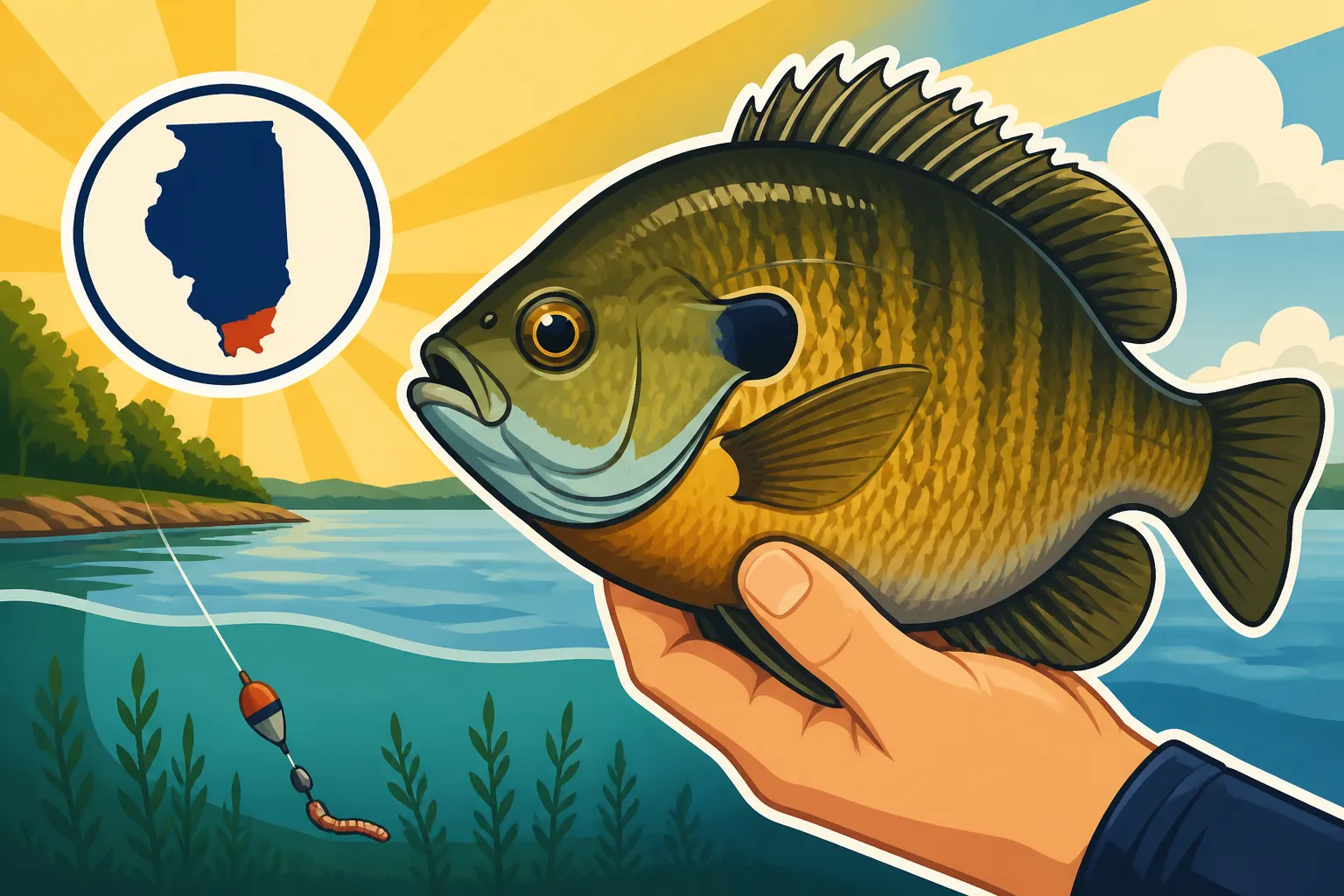
There’s nothing quite like the thrill of a bluegill hitting your line, but let's be honest, many of us spend countless hours pulling in panfish that are… well, "pan-sized" in the most literal sense. You dream of those true slab bluegill, the ones that barely fit in your hand, especially when you're fishing a renowned spot like Rend Lake. If you've been frustrated by a steady stream of smaller fish, this guide is dedicated to helping you unlock the secrets to landing those oversized bluegill that truly make an Illinois fishing trip unforgettable, specifically by diving deep into Rend Lake's unique characteristics and what it takes to find its giants.
Why Rend Lake is a Haven for Oversized Bluegill
Rend Lake isn't just another body of water; it’s a sprawling, nutrient-rich reservoir in Southern Illinois that consistently produces some of the biggest bluegill in the state. Many anglers flock here for bass or crappie, but those in the know understand its potential for truly impressive panfish.
The Unique Ecosystem of Rend Lake
What makes Rend Lake so special for bluegill? For starters, its sheer size (18,900 acres) provides an immense amount of diverse habitat. You've got everything from vast stump fields to submerged brush piles, old creek channels, and expansive flats. This variety means bluegill have endless places to feed, hide, and grow without excessive predation pressure. The lake's fertility also plays a huge role; abundant plankton and aquatic insects provide a constant, rich food source for growing bluegill. Unlike some smaller, overfished ponds, Rend Lake maintains a healthy balance, allowing some bluegill to live longer and reach impressive sizes. If you want to dive deeper into the lake's offerings, check out our comprehensive Rend Lake Fishing Guide for Illinois Anglers. There's a reason why locals often say this lake is where you’ll find those elusive bluegill pushing the pound mark, and we've even explored Why Rend Lake Bluegill Grow Bigger Than a Pound in detail.
Understanding Bluegill Growth and Habitat
Think about it: smaller bluegill are often found in large schools in shallower water, eager to bite anything that moves. Oversized bluegill, however, are a different breed. They're typically older, wiser, and often more solitary or found in smaller groups. They've survived countless seasons, learned to avoid predators, and have become far more opportunistic in their feeding. These larger bluegill often prefer deeper, cooler water where they can ambush prey from the cover of submerged timber or brush. They're not going to be as aggressively competitive as the smaller fish, meaning you need to adjust your approach to specifically target their habits. Understanding their preferences for deeper sanctuaries, especially outside of the spring spawn, is paramount to success.
Essential Gear and Bait for Trophy Bluegill
You might be used to grabbing any old rod and a tub of worms for bluegill, but for Rend Lake's oversized specimens, a more thoughtful approach to your tackle can drastically improve your odds.
Rods, Reels, and Line for Serious Panfish Anglers
When you're chasing truly large bluegill, sensitivity is your best friend. You’re not just looking for a strong tug, but often a subtle tick or the slight weight of a larger fish inhaling your bait. This means opting for ultralight spinning gear. A 5 to 6-foot ultralight action rod with a fast tip is ideal. This setup allows for precise casting, excellent sensitivity to detect those faint bites, and enough backbone to handle a feisty slab without overpowering the fight. Pair this with a small, high-quality spinning reel spooled with 2 to 4-pound test line. Fluorocarbon line offers superior sensitivity and invisibility underwater, which can be a game-changer in Rend Lake's clearer sections. Monofilament works too, especially if you prefer a bit more stretch. You can find excellent options for Ultralight Tackle for Panfish Fishing right on platforms like Amazon, offering a variety of combos that won't break the bank.
The Right Bait and Lures Make a Difference
While small bluegill will bite just about anything, larger bluegill can be surprisingly picky. They’ve seen it all, and they’re often looking for a more substantial meal or a perfectly presented offering.
-
Live Bait: This is often the gold standard for oversized bluegill.
- Wax Worms: These small, creamy grubs are bluegill candy. Thread one or two onto a tiny hook (size 8 or 10).
- Red Worms/Nightcrawlers: A piece of a nightcrawler, especially the juicy tail end, can tempt a larger bluegill looking for a bigger meal.
- Crickets: Another classic, particularly effective in warmer months. Hook them gently through the collar.
- Amazon Tip: You can often find fishing tackle storage and live bait containers on Amazon to keep your bait fresh and organized.
-
Artificial Lures: Don't underestimate tiny artificials, especially when tipped with bait or scent.
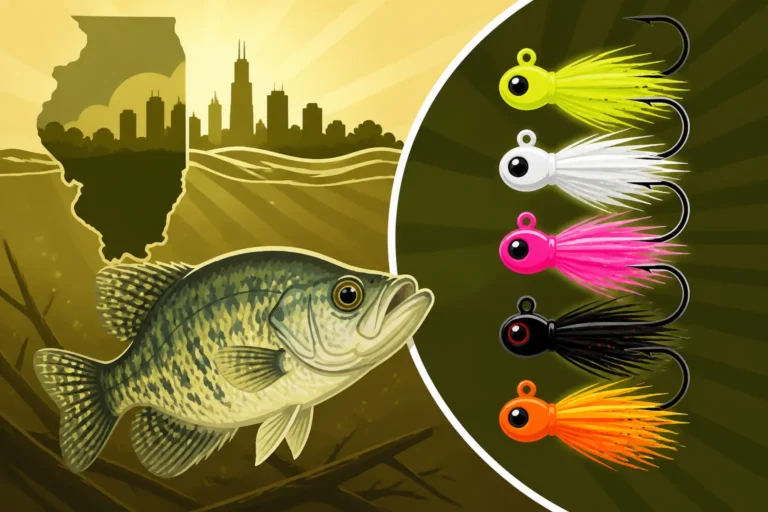
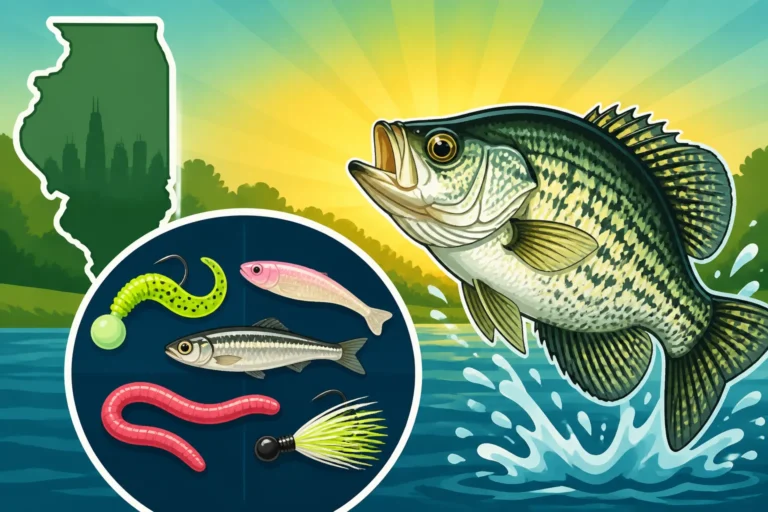
- Small Jigs: Think 1/32 oz or even 1/64 oz jigs. Colors like chartreuse, white, black, or natural insect patterns are often effective. Tipping these with a small piece of a wax worm or a specialized panfish plastic (like a tiny Berkley Gulp! Alive! Minnow or Waxy) can significantly increase their appeal.
- Tiny Spinnerbaits/In-line Spinners: Occasionally, a small spinner, like a 1/16 oz Rooster Tail, can trigger an aggressive strike from a larger bluegill, especially if they're actively chasing baitfish.
For a deeper dive into what works best, take a look at our Best Bait for Bluegill Fishing guide. Learning How to Rig a Wax Worm Under a Bobber for Bluegill is a fundamental skill that will serve you well.
Proven Techniques for Catching Bigger Bluegill at Rend Lake
Catching oversized bluegill at Rend Lake isn't about casting and hoping; it's about strategic presentation and understanding where these wary fish hold.
Precision Presentation and Depth Control
One of the biggest mistakes anglers make when targeting large bluegill is fishing too shallow or with too much action. Larger bluegill are often lurking deeper, particularly outside of the spring spawning season.
- Go Deep: While smaller bluegill might be in 2-5 feet of water, trophy bluegill at Rend Lake are often found in 8-15 feet, sometimes even deeper, especially during the summer and winter months. Don't be afraid to probe those deeper edges of structure.
- Slip Bobbers are Your Friend: A slip bobber setup allows you to precisely set your bait at a desired depth, whether it’s just above a brush pile or right on the bottom of a creek channel. This presentation is far more effective than a fixed bobber when fishing deeper water. It also allows for longer, smoother casts, which is crucial for reaching those subtle deeper spots without spooking the fish.
- Slow and Steady: Bluegill, especially the bigger ones, aren't always going to aggressively chase down a fast-moving bait. A slow, subtle retrieve with minimal action is often best. Let your bait sit for extended periods, or impart just a very gentle twitch every few seconds. Think of it like a delicate dance, not a sprint. The principles of patience and gentle lure manipulation discussed in Crappie Jigging Techniques can be adapted here, as many panfish share similar cautious feeding habits.
Targeting Structure and Cover
Larger bluegill are masters of camouflage and ambush. They use the lake’s abundant structure to their advantage, both for protection and as prime feeding grounds.
- Brush Piles and Submerged Timber: Rend Lake is famous for its submerged timber and purposefully sunk brush piles. These are absolute magnets for bigger bluegill. They offer shade, cover from predators, and a smorgasbord of insects and smaller baitfish. Use your electronics to locate these submerged hideouts.
- Old Creek Channels and Ledges: The lake bed of Rend Lake is laced with old creek channels that provide natural highways and depth changes where bluegill congregate. Fish the edges and drop-offs where depth abruptly changes.
- Main Lake Points: Points extending into the main lake often have deeper water nearby and can act as feeding stations, particularly during migration periods.
- Stealth is Key: When approaching these areas, especially from a boat, move slowly and quietly. Drop your anchor gently, or use a silent trolling motor. Loud noises can easily spook these wary giants. Our guide on Rend Lake's Best Spots for Trophy Bluegill Over a Pound can give you some excellent starting points, often highlighting areas with dense cover.
Where and When to Find Rend Lake's Giants
Knowing how to fish is only half the battle; knowing where and when to apply those techniques at Rend Lake will seal the deal.
Seasonal Hotspots and Timing
Bluegill behavior changes dramatically with the seasons, and understanding these patterns is crucial for consistently catching larger fish.
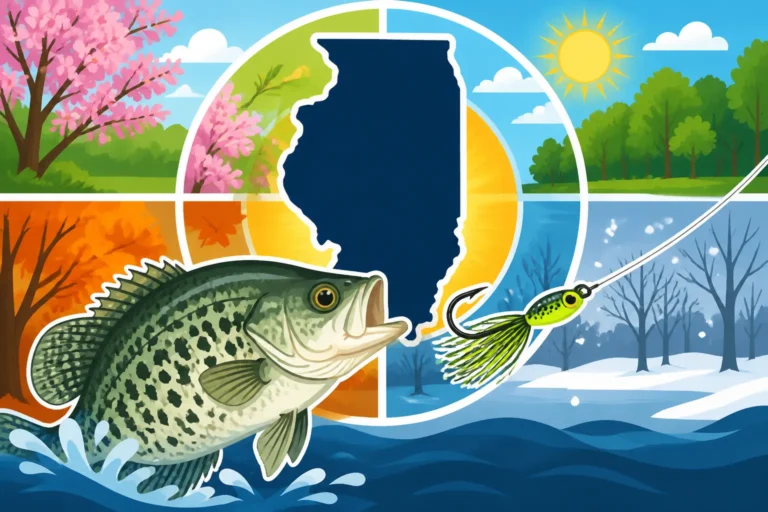
- Spring (Pre-Spawn and Spawn): This is arguably the easiest time to find oversized bluegill. As water temperatures climb into the high 60s and low 70s, bluegill move into shallower bays, coves, and protected areas to spawn. Look for beds—circular depressions in the bottom—in 2-6 feet of water. Target areas with emergent vegetation or stumps. This is when they're most accessible and aggressive. Many of the same areas that hold spring crappie, as detailed in Best Time to Fish for Crappie at Rend Lake Illinois, will also be prime for bluegill. Your Spring Fishing Calendar for Illinois Anglers will be invaluable here.
- Summer: Once the spawn is over and water temperatures really heat up, bigger bluegill retreat to deeper, cooler water. They’ll often hold on the edges of main lake points, over submerged humps, or deep within dense brush piles, often seeking out the thermocline if one forms. This is when your depth finder becomes invaluable, helping you pinpoint those offshore structures.
- Fall: As water temperatures begin to cool, bluegill will often move back into shallower water, especially later in the day, to feed aggressively before winter sets in. Look for them around remaining green weeds or shallower brush piles.
- Winter: During the coldest months, bluegill will seek out deep holes and creek channels, often congregating in large schools. Ice fishing can be very productive for these larger, more concentrated fish if you can find them.
Reading the Water and Conditions
Beyond the seasons, daily conditions also influence where bluegill, especially the bigger ones, decide to hang out.
- Water Temperature: This is perhaps the most critical factor. Bluegill spawn when water temperatures are consistently between 68-72°F. Knowing the water temperature can help you predict their location and activity levels. Consult a Water Temperature and Fish Activity Guide to fine-tune your approach.
- Cloud Cover vs. Sunny Days: On bright, sunny days, bluegill will often retreat deeper or into denser cover to escape the direct sunlight. Overcast days, however, can bring them out into shallower, more open feeding areas.
- Wind: A moderate chop on the water can actually be beneficial. It breaks up the surface, making it harder for bluegill to see you and making your presentation look more natural. Too much wind, however, can make boat control and delicate presentations difficult.
- Barometric Pressure: While often debated, some anglers swear that stable or slowly falling barometric pressure leads to better fishing. A rapidly dropping pressure before a storm can sometimes trigger a feeding frenzy, while high, stable pressure can make fish more lethargic. Adjust your retrieve and presentation accordingly.
- Consider the Hatch: Bluegill feed heavily on aquatic insects. If you notice a hatch occurring, matching your artificial baits or knowing that bluegill are actively feeding on those insects can be a big advantage. Your Seasonal Bait Selection Guide can help you determine the best offerings.
Rend Lake Bluegill Bait and Lure Comparison
| Bait/Lure Type | Best Season(s) | Typical Depth | Pros | Cons |
|---|---|---|---|---|
| Wax Worms | All | Shallow to Deep | Highly effective, natural scent/action | Can be messy, smaller fish often bite |
| Red Worms/Crawlers | Spring, Summer, Fall | Shallow to Deep | Larger profile for trophy fish, very natural | Messy, often targeted by other species |
| Crickets | Summer, Early Fall | Shallow to Mid | Great surface action, irresistible to bluegill | Can be fragile, harder to keep alive |
| 1/32 oz Jigs + Plastic | All | Shallow to Deep | Versatile, targets specific depths, durable | Requires careful presentation, less scent |
| Tiny In-line Spinners | Spring, Summer | Shallow to Mid | Aggressive strikes, covers water quickly | Less effective in deep cover, can snag |
Disclaimer
Fishing conditions and regulations in Illinois can change. Always consult the latest Illinois Department of Natural Resources (IDNR) fishing guide before heading out on the water. This information is provided for general guidance and entertainment purposes only.