Where to Catch Crappie at Rend Lake, Illinois
Finding crappie on a lake as vast and diverse as Rend Lake in Illinois can sometimes feel like searching for a needle in a haystack, especially when you're itching to fill a cooler but aren't sure where the fish are hiding. This guide is designed to cut through the confusion, offering you an insider's look at the best crappie fishing spots on Rend Lake and the strategies to consistently find those slabs, no matter the season.
Unraveling Rend Lake's Crappie Mystery: Understanding Their Habitat
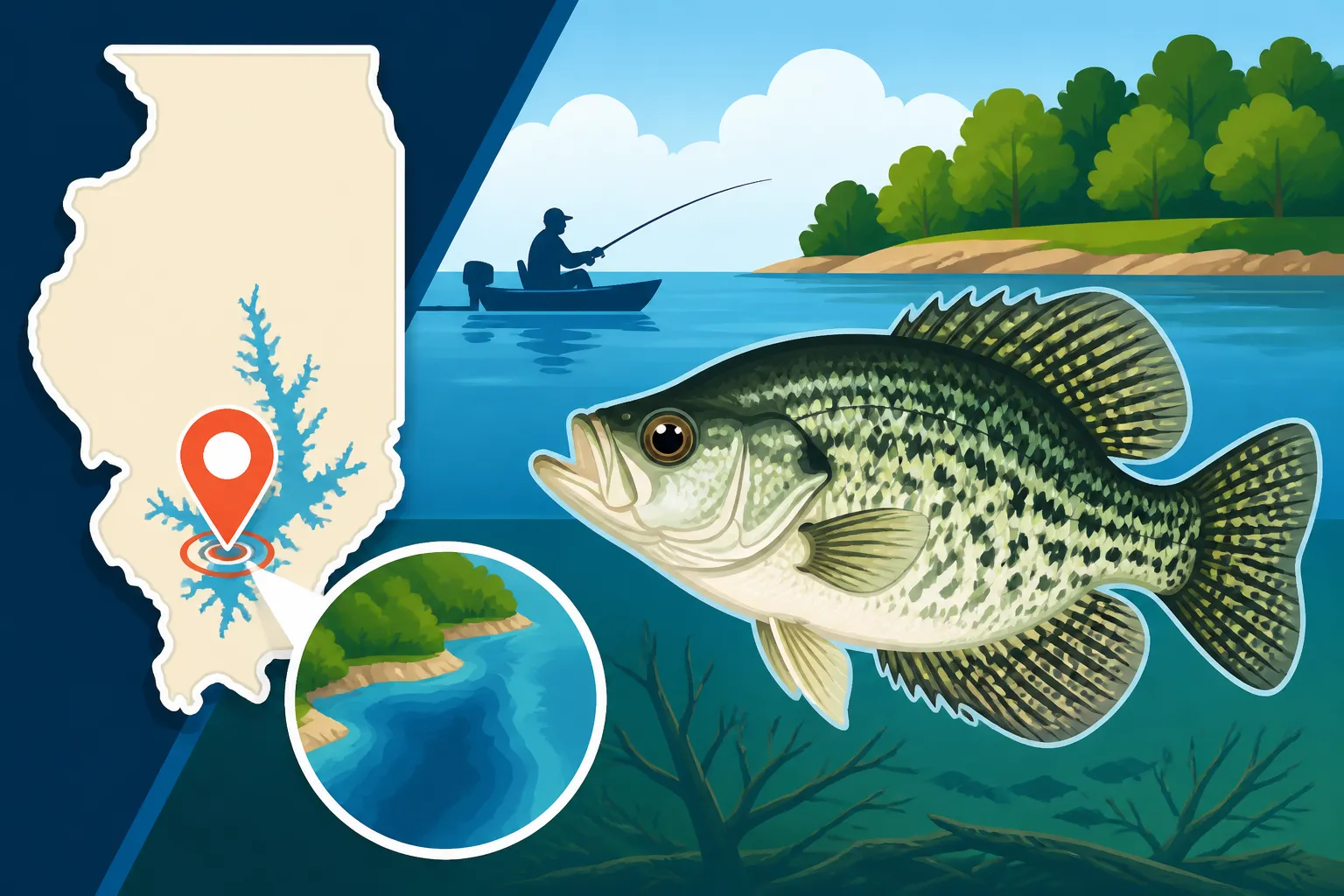
Rend Lake, a sprawling 18,900-acre reservoir in Southern Illinois, is a crappie angler's paradise, but its size can be intimidating. What makes it such a crappie haven is its incredible amount of submerged structure and varying depths, which provide perfect hideouts and feeding grounds for both black and white crappie. Understanding these underwater landscapes is the first step to unlocking its crappie potential.
Crappie are masters of camouflage and leverage their environment to ambush prey and evade predators. They are almost always found relating to some form of structure, whether it's natural timber, man-made brush piles, or subtle changes in depth along old creek channels. The more you learn to "read" the lake bottom and identify these key features, the better your chances of consistently finding fish. This applies year-round, as their preferences might shift from shallow to deep, but the need for structure remains constant.
Knowing the typical hangouts helps immensely, but being able to adapt to changing conditions like water temperature, clarity, and time of year is what separates a good crappie angler from a great one. While some lakes might be easier to navigate, Rend Lake's sheer size means putting in a bit of homework on where to focus your efforts. It’s not just about dropping a line; it’s about strategically targeting areas that crappie are known to frequent.
The Importance of Submerged Structure and Brush Piles
Rend Lake is famous for its extensive standing timber and countless man-made brush piles, which are absolute magnets for crappie. These areas provide shade, ambush points for baitfish, and protection from predators, creating a perfect ecosystem for crappie to thrive. You’ll find everything from flooded hardwood forests in the northern sections to strategically placed brush piles by local clubs and the Illinois Department of Natural Resources (IDNR).
To truly excel at crappie fishing on Rend Lake, you need to develop an eye (or, more accurately, an ear and a screen) for these underwater havens. Your fish finder will be your best friend here, as it can reveal the tell-tale signs of brush piles, stumps, and even schools of crappie hiding within them. Don't be afraid to slowly cruise likely areas, marking anything that looks like a fish hotel. Many of the most productive spots might not be immediately obvious on a map, requiring a bit of on-the-water exploration.
Beyond the natural timber, many anglers and local conservation groups have deployed artificial brush piles over the years. These range from bundles of discarded Christmas trees to PVC structures, all designed to create concentrated crappie habitat. While specific coordinates for all these spots are often closely guarded secrets by local pros, public maps or local bait shops might offer general areas. If you’re visiting from out of state and need a leg up, booking a guide through a service like FishingBooker can often get you access to these honey holes and teach you the local nuances.
Channel Edges and Old Creek Beds
Beneath the surface of Rend Lake lies a network of old creek channels and riverbeds that were inundated when the lake was formed. These submerged pathways, with their distinct drop-offs and contours, serve as major highways and resting areas for crappie, especially during periods of transition or extreme weather. Crappie often position themselves along these deeper edges, waiting for baitfish to pass by, or using the varying depths to find comfortable water temperatures.
The main channel of the Big Muddy River, which feeds Rend Lake, is particularly significant. As it winds through the lake, its deeper bends and ledges become crucial crappie holding areas, particularly when fish move to deeper water in summer and winter. Look for points where these old channels swing close to shore or intersect with submerged timber, as these convergence zones are prime feeding locations. The Nason Point area is one such location where the channel creates excellent structure.
Understanding the topographical maps of Rend Lake before you even launch your boat can give you a massive advantage. Pay attention to contour lines that indicate sharp drops or the presence of submerged creek beds. These are the areas where you'll want to focus your search, using your electronics to pinpoint brush and schools of fish suspended at specific depths. Even subtle changes in depth, like a small hump on a flat adjacent to a channel, can be enough to concentrate a school of crappie.
Year-Round Crappie Hotspots at Rend Lake
Crappie at Rend Lake don't stay in one place all year, which can be frustrating if you're used to finding them in the same old spots. Their movements are largely dictated by water temperature, available forage, and spawning instincts. Knowing these seasonal patterns is key to consistently catching crappie, whether you’re casting in the chilly early spring or dealing with the dog days of summer.
One of the biggest mistakes anglers make is trying to fish the same way in July as they do in April. Rend Lake crappie are dynamic; they'll move from shallow, cover-rich spawning grounds to deeper, more open water structures, and then back again. This constant shift requires adaptability in your approach and a willingness to explore different depths and types of cover. But don't worry, once you learn the general patterns, you'll be able to predict their movements with much more success.
For those planning a trip, considering the seasonal activity can make all the difference. You might find that the best time of year to catch crappie in Illinois is really dependent on the specific lake and species, but Rend Lake offers fantastic opportunities pretty much year-round if you know where to look. Let's break down where to find these fish throughout the calendar.
Spring Spawn Action: Shallow Water and Warm Coves
As the ice retreats and water temperatures begin to climb into the 50s and 60s, crappie at Rend Lake shake off their winter lethargy and head to the shallows for the annual spawn. This is arguably the most anticipated time for crappie anglers, as fish are often concentrated and aggressively feeding. Look for protected bays, coves, and shallow flats with plenty of submerged cover.
Prime spring crappie spots include the northern arms of the lake, such as Jackie Branch, Turnip Patch, and Gun Creek. These areas warm up faster due to their shallower depths and often have abundant submerged timber, stump fields, and brush piles that crappie adore for building nests. The fish will be anywhere from a foot to six feet deep, often right up against woody cover. If you’re bank fishing, these coves with accessible shorelines can be goldmines.
During the spawn, crappie can be incredibly aggressive. Small jigs, minnows under a bobber, or even tiny crankbaits can entice a bite. Pay close attention to water clarity; crappie prefer slightly stained water during the spawn, as it offers them better protection. Don't be afraid to move around until you find a concentration of fish, as they tend to school tightly during this period. For specific spring tips, check out our guide on How to Find Crappie Beds in Spring.
Summer Deep Water Strategies
Once the spawn is over and water temperatures really soar, Rend Lake crappie move out of the super-shallow coves and seek refuge in deeper, cooler water. This doesn't mean they disappear, just that your tactics need to change. Summer crappie fishing often involves targeting main lake points, submerged roadbeds, and brush piles found along deeper channel edges.
During July and August, look for crappie suspended around 10 to 20 feet deep, often relating to structure in 15 to 30 feet of water. Main lake points, especially those with steep drop-offs into the river channel, are excellent places to start. The causeway riprap and areas near the dam, where deeper water is readily available, can also hold good numbers of fish. These are classic deep water crappie spots at Rend Lake.
Vertical jigging with small spoons or hair jigs, or slow trolling with jigs or live minnows, are effective techniques for summer crappie. Using your electronics to locate schools of fish and the structure they're holding to is absolutely crucial. Once you find a school, position your boat directly over them and drop your bait right into the strike zone. If you're struggling to locate the deeper schools, consider hiring a local guide who can put you on fish, easily found through services like FishingBooker.
Fall Transition and Feeding Frenzy
As the days shorten and water temperatures begin to cool in September and October, Rend Lake crappie enter a fantastic fall feeding frenzy. They're trying to pack on weight for the upcoming winter, making them very catchable. During this period, crappie often move back towards shallower flats and channel swings that are adjacent to deeper water, mimicking some of their spring movements but often deeper.
Look for crappie along the edges of the main lake channel, particularly where secondary creek channels merge or create distinct underwater points. Brush piles and standing timber at depths of 8 to 15 feet are prime targets. The crappie will often be scattered but actively chasing baitfish. Areas like Grassy Bay or the larger coves that lead into the main lake can be productive as baitfish move with the changing temperatures.
Fall crappie respond well to a variety of presentations. Casting small spinnerbaits, curly-tail jigs, or even slow-trolling minnows can be highly effective. The key is to cover water until you locate active schools. As the season progresses into late fall, don't be surprised to find them moving into deeper timber and channel bends, preparing for winter. This is a great time to be on the water, as the fish are typically robust and eager to bite.
Winter Schooling in Channels
When winter settles over Illinois and Rend Lake's water temperatures drop into the 30s and 40s, crappie activity slows, but they become highly concentrated. Finding them can be a challenge, but once you do, you can often catch large numbers. Winter crappie primarily relate to the deepest parts of the lake, particularly the main river channel and deep brush piles within or along its edges.
The main channel of the Big Muddy River becomes the primary holding area for winter crappie. Look for schools suspended in deeper holes, often 20 to 35 feet down, relating to the bottom or to submerged timber and brush. The Nason Point area, with its deep channel swing, and the deeper sections near the dam and the causeway, are classic Rend Lake winter crappie spots. These fish are conserving energy, so a slow, precise presentation is necessary.
Vertical jigging with tiny ice jigs, specialized crappie jigs, or a small minnow on a hook are the go-to techniques. Your electronics are absolutely indispensable here, as crappie can be tightly schooled and difficult to find without them. Once you mark fish, drop your bait directly to their depth and hold it steady or impart very subtle movements. Be patient; bites can be extremely light in cold water. You might be surprised at the quality of fish you can pull from these deep haunts on a cold winter day.
Mastering Rend Lake Crappie Techniques and Tackle
Even when you know where to go, the how can still make or break a crappie trip on Rend Lake. The vastness and varying conditions of the lake demand versatility in your fishing techniques and a well-prepared tackle box. You don't need a boatload of expensive gear, but having the right tools for the job can dramatically increase your success rate, turning a slow day into a memorable one.
Many anglers get frustrated when they can see fish on their electronics but can't get them to bite. Often, it's not the fish's fault; it's the presentation. Subtle changes in jig color, bait size, retrieve speed, or even line diameter can make a huge difference. Rend Lake crappie have seen it all, so refining your approach and being observant of what works (and what doesn't) is part of the ongoing learning process. This is particularly true when fish are pressured or when conditions are tough.
One of the great things about crappie fishing is that it can be done effectively with relatively simple gear, but there's always room for refinement. From basic bobber rigs to advanced electronics, each piece of the puzzle contributes to a more successful outing. Knowing how to adapt your setup to the specific conditions you encounter on Rend Lake will make you a much more effective crappie angler.
| Season | Typical Depth Range (feet) | Preferred Structure/Area | Recommended Techniques | Common Baits/Lures |
|---|---|---|---|---|
| Spring | 1-6 | Shallow coves, timber, brush piles, warm flats | Casting, pitching, slip-bobber | Small jigs, minnows, tiny crankbaits |
| Summer | 10-20 (suspended) | Deep brush piles, channel edges, main lake points | Vertical jigging, slow trolling | Jigs, minnows, small spoons |
| Fall | 8-15 | Channel swings, feeder creeks, transition areas | Casting, slow trolling | Jigs, spinnerbaits, minnows |
| Winter | 20-35 (channel) | Main channel holes, deep brush, submerged timber | Vertical jigging, dead sticking | Tiny jigs, minnows |
Jigging and Live Bait Strategies
For Rend Lake crappie, a combination of artificial jigs and live minnows is often the most productive approach. Jigs offer versatility in color, size, and action, while live minnows are hard for any crappie to resist. The trick is knowing when and how to deploy each effectively.
When it comes to jigs, small curly-tail grubs, tube jigs, and hair jigs are staples. Colors can vary widely, but often chartreuse, white, pink, and various combinations work well, especially in Rend Lake's often stained waters. In clear water, more natural colors like smoke or motor oil might be better. Experiment with jig weights; 1/32 oz to 1/8 oz are common, with lighter weights for shallower water or subtle presentations, and heavier weights for deeper water or windy conditions. Check out our guide on Crappie Jigging Techniques for more detailed approaches.
Live minnows, especially small fathead or shiner minnows, are almost always a reliable choice. You can present them under a slip bobber in shallow water, or on a simple lead-head jig in deeper water. Many anglers like to "tightline" minnows, using minimal weight to allow the minnow to swim naturally. Sometimes, tipping a jig with a minnow is the deadliest combination, offering the flash and profile of the jig with the irresistible scent and action of live bait. This seasonal bait selection guide might offer additional ideas on what to use at different times.
Utilizing Electronics for Success
On a lake the size of Rend Lake, having good marine electronics is almost non-negotiable for consistent crappie success, especially when targeting deeper fish. A quality fish finder with good down-imaging and side-imaging capabilities can be the difference between a frustrating day of searching and a productive day of catching.
Use your fish finder to locate submerged brush piles, standing timber, old creek channels, and schools of baitfish. More advanced units can even show you individual crappie suspended within cover. Once you locate a promising spot, use your GPS to mark it. This allows you to return to productive areas easily, and to position your boat precisely over the fish. If you're trolling, your electronics will help you stay on course along channel edges or contours.
Don't just look for fish; look for their habitat. An area might not show fish immediately, but if it has prime structure, it's worth spending some time working it over. Learning to interpret what your fish finder is telling you takes practice, but it's an investment in your crappie fishing future that will pay dividends on Rend Lake. Modern technology makes finding those elusive crappie schools much easier than it used to be.
Disclaimer
Fishing conditions and regulations in Illinois can change. Always consult the latest Illinois Department of Natural Resources (IDNR) fishing regulations guide before heading out on the water. This information is for general guidance and educational purposes only.