Remote Fishing Spots Illinois Anglers Keep Quiet About
There's nothing quite like the frustration of arriving at your favorite Illinois fishing spot, only to find it packed with other anglers. That feeling of elbow-to-elbow combat, the constant boat traffic, and the pressure on the fish can really take the joy out of a peaceful day on the water. If you're tired of the crowds and yearning for a bit more solitude and a better chance at unpressured fish, this guide is for you. We're diving deep into those elusive, remote fishing spots that many Illinois anglers prefer to keep under wraps, showing you how to find them, what to expect, and how to make the most of your quiet angling adventure.
The Allure of the Undiscovered Fishery
For many of us, fishing isn't just about catching fish; it's about the experience, the tranquility, and the challenge of the hunt. When you find yourself in a secluded cove or a hidden backwater, away from the drone of outboard motors and the chatter of other anglers, it feels like you've stepped into a different world. This pursuit of solitude often leads to better fishing, as less-pressured fish are often more willing to bite.
Why Anglers Seek Seclusion
We've all heard the stories, or maybe even experienced them ourselves: that one spot where the fish just seem bigger, or more numerous, because hardly anyone ever goes there. The truth is, highly trafficked areas get fished out faster, and the fish become "educated," making them harder to catch. Remote spots, by their very nature, offer a reprieve from this constant pressure. Here, fish often behave more naturally, are less wary of lures and baits, and can grow to impressive sizes simply because they aren't constantly being targeted. It's a fundamental principle of fishing — find the fish where they feel safe, and your chances of success skyrocket.
Beyond the numbers, there's a profound sense of satisfaction that comes from discovering and successfully fishing a truly remote location. It’s a testament to your effort, your patience, and your willingness to step outside the familiar. These aren't just fishing trips; they're small expeditions, offering a deeper connection to nature and a much-needed escape from the hustle and bustle of everyday life. The quiet hum of cicadas, the splash of a leaping fish, the rustle of leaves – these are the sounds that truly define a fishing trip for many of us, and they're best experienced in solitude.
The "Secret Spot" Mentality
It's no secret that anglers are a tight-lipped bunch when it comes to their best spots. There's a reason these places remain "quiet." Sharing them risks turning a pristine, productive location into another crowded public access point. This "secret spot" mentality isn't born of selfishness, but rather a protective instinct. We want to preserve the quality of the fishing and the unique atmosphere these remote areas provide. Think of it as a community understanding: those who put in the effort to find these gems earn the right to enjoy them in peace, and in turn, are expected to keep their existence largely to themselves.
This unspoken rule means that while I can point you in the direction of types of remote spots, I won't be naming specific hidden coves or unnamed oxbows. The real joy, and indeed the true reward, comes from the journey of discovery yourself. However, I can equip you with the knowledge and tools to identify these less-traveled areas on your own, respecting the silent code of the angler. Sometimes, the best way to uncover these elusive honey holes is to connect with experienced local guides; platforms like FishingBooker can help you find someone who specializes in off-the-beaten-path fishing.
Types of Remote Illinois Fishing Locations
Illinois, despite its reputation for flat farmland, is actually rich with diverse waterways, many of which offer secluded fishing opportunities if you know where to look. From winding river backwaters to forgotten strip pits, there's a surprising amount of untouched angling territory waiting to be explored.
Untapped River Backwaters and Oxbows
The mighty Mississippi River, the Illinois River, the Kankakee River, and even smaller tributary rivers across the state are often lined with a complex network of backwaters, sloughs, and oxbow lakes. These are areas that were once part of the main river channel but have since been cut off or semi-isolated by natural processes or flood control efforts. They are often incredibly fertile, full of submerged vegetation, fallen timber, and diverse fish populations, including massive crappie, bluegill, largemouth bass, and various catfish species. Getting into these spots often requires a small jon boat, a canoe, or a fishing kayak. You might have to navigate shallow channels, portage over small land bridges, or push through dense aquatic plants.
The rewards, however, can be phenomenal. Fish in these areas rarely see a lure and are often much more aggressive. The serene environment, rich with waterfowl and other wildlife, adds to the experience. When exploring these types of areas, remember that you'll need to be aware of the specific rules regarding limits and species, as the "Illinois Fishing Regulations Overview" outlines that these can change dramatically even within the same river system. Additionally, being prepared with the right gear, such as durable waders or specialized Kayak Fishing Gear for Illinois Waters, can make all the difference in accessing these wilder stretches.
Hidden Ponds and Small State Park Lakes
Beyond the well-known main lakes at Illinois State Parks, many conservation areas and even some larger state parks have smaller, less-advertised ponds or lakes that require a bit of a hike to reach. These can be absolute gems, often stocked by the Illinois Department of Natural Resources (IDNR) but receiving minimal fishing pressure due to their remote access. Sometimes, these are old farm ponds now part of public land, or small impoundments created for wildlife management. They typically hold healthy populations of largemouth bass, bluegill, and sometimes channel catfish.
Finding these spots involves studying maps (topographical maps are especially useful), looking for blue spots on satellite imagery, and then being willing to put in the legwork. Parking might be a small pull-off on a gravel road, followed by a hike through woods or fields. You'll definitely want to carry all your gear, so light tackle and a compact backpack setup are key. If you're targeting catfish, understanding the Illinois Catfish Daily Limits Explained is crucial, as regulations can vary. These smaller waters can be fantastic for a quiet afternoon of fishing, where the biggest challenge is often just getting there.
Strip Pits and Remote Quarries
In parts of Illinois, particularly in the south where coal mining was prevalent, you'll find numerous "strip pits" – flooded former mining excavations. These can range from small, secluded ponds to surprisingly large, deep lakes with incredibly clear water. Many are on private land, so always, always seek permission before venturing onto them. However, some are part of public conservation areas or have public access points that are simply not well-known or well-maintained. Strip pits often boast incredible clarity, making for challenging but rewarding fishing, especially for bass and crappie that thrive in their steep drop-offs and varied depths.
The unique geology of strip pits means they can hold very different ecosystems than natural lakes or rivers. This often translates to unique fishing opportunities. For those willing to explore and perhaps even book a trip with a local guide via FishingBooker who specializes in these unique waters, the experience can be unforgettable. They often require specialized tactics, given their depth and clarity, and being prepared with appropriate Best Rods and Reels for Illinois Anglers for different techniques is a smart move. Always be cautious around these areas, as the terrain can be unpredictable and access routes rough.
Essential Preparations for Remote Fishing
Venturing into remote fishing spots isn't like casting a line from a popular pier. It requires a different mindset and a thorough preparation strategy to ensure both your safety and your fishing success.
Navigating Challenging Access Points
The very thing that makes these spots remote – difficult access – is also their biggest barrier. You might encounter unpaved roads, muddy tracks, dense brush, or even require wading across shallow streams to reach your desired fishing location. This means your vehicle needs might be different. A sedan might suffice for some hikes, but for true backwoods exploration, a truck or an SUV with good ground clearance can be a lifesaver. Always check weather conditions beforehand, as a rainy day can turn a passable dirt road into an impassable mud pit.
For personal access, consider what you'll need to carry. A comfortable backpack is essential for lugging your tackle, water, snacks, and other essentials. If you're bringing a small boat or kayak, understand that you might have to carry it a distance from your parking spot. This isn't for the faint of heart, but the reward of a pristine, undisturbed fishing experience makes the effort worthwhile. Always let someone know where you're going and when you expect to return, especially when exploring truly isolated areas. Safety should always be your top priority.
| Type of Remote Spot | Typical Access Challenges | Recommended Gear | Primary Target Species |
|---|---|---|---|
| River Backwaters/Oxbows | Shallow channels, dense vegetation, muddy banks, limited boat ramps | Kayak/Canoe, Waders, Strong paddles | Crappie, Bass, Catfish, Bluegill |
| Small State Park Lakes | Long hikes, uneven trails, unpaved parking | Backpack, Light spinning gear, Hiking boots | Bass, Bluegill, Channel Catfish |
| Strip Pits/Quarries | Rough terrain, steep banks, private land (with permission) | Kayak/Jon boat, Heavy-duty tackle, Safety rope | Bass, Crappie, Walleye (in some) |
| Remote Creek Sections | Wading, slippery rocks, dense overgrowth | Waders, Ultralight rod, Small tackle box | Smallmouth Bass, Panfish, Rock Bass |
Safety and Environmental Responsibility
When you're far from civilization, you're responsible for your own safety. This includes carrying a first-aid kit, plenty of water, extra layers of clothing, a fully charged phone (though service might be spotty), and perhaps a whistle or mirror for signaling. Telling someone your plans, even if it’s just a quick text message to a friend or family member, is a simple but critical safety measure. Before you head out, make sure your fishing license is up to date; you can easily How to Buy an Illinois Fishing License Online if you need to.
Beyond personal safety, a deep respect for the environment is paramount. These remote spots are often pristine precisely because they are not heavily trafficked. Practice "Leave No Trace" principles: pack out everything you pack in, and perhaps even a little extra trash you find. Be mindful of fragile ecosystems, avoid disturbing wildlife, and always adhere to all Illinois Fishing Season and Catch Limit Rules. Understand that "Why Fishing Rules Vary by Lake and River" is particularly important in these less-regulated feeling areas, as specific local rules might apply even if they aren't widely publicized. Keep your impact minimal to preserve these special places for future generations, and even more so, to keep them "quiet."
The Right Gear for the Job
Your standard fishing setup might not cut it for these expeditions. For remote locations, versatility and portability are key. A good backpack that can hold your tackle, snacks, water, and extra layers is essential. You'll want sturdy, comfortable hiking boots or waders if you anticipate wet or muddy conditions. When it comes to rods and reels, lightweight and durable options are best. A medium-light spinning rod and reel combo can handle most panfish and bass, while something a bit heavier might be needed for larger catfish in river backwaters.
Consider using braided line for its strength and sensitivity, especially when fishing around snags and cover, which are common in untouched areas. A small, compact tackle box with a diverse array of lures and baits is smarter than a bulky one. Think about what fish might be biting at different times of the year, consulting a Water Temperature and Fish Activity Guide to tailor your choices. Furthermore, a Illinois Boating Safety Gear Checklist is critical if you're using any type of watercraft, no matter how small or manually powered, to ensure you meet all legal requirements and are prepared for unexpected situations. These aren't just rules; they're safeguards when you're far from help.
Finding Your Own Secret Spots
While I won't spill the beans on specific hidden honey holes, I can empower you with the knowledge and techniques to discover your own remote fishing havens. It's a rewarding process that sharpens your angling instincts and deepens your understanding of Illinois's diverse waterways.
Mapping and Satellite Imagery
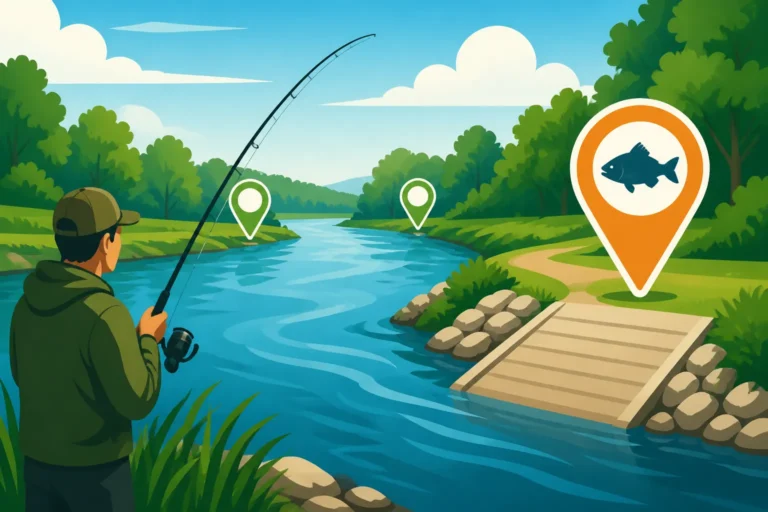
Your best friends in this quest are digital maps and satellite imagery. Google Maps, USGS topographical maps, and dedicated fishing apps can reveal details that aren't obvious from the road. Look for:
- Isolated Ponds/Lakes: Zoom in on state parks, conservation areas, and even larger parcels of publicly owned land that appear to have water bodies away from main roads or designated parking areas.
- River Tributaries and Backwaters: Trace smaller creeks and streams that feed into larger rivers. Look for oxbows, sloughs, and areas where the water deviates significantly from the main channel. Satellite imagery is fantastic for spotting clearings or subtle access points along dense riverbanks.
- Old Roads and Trails: Sometimes, what looks like an impassable area has an old, overgrown logging road or ATV trail leading to a hidden gem. These might not be maintained, but they indicate a path of least resistance.
Cross-referencing these maps with property ownership data (often available through county GIS systems) can help distinguish public land from private, preventing accidental trespassing. Remember to consult the "Illinois Fishing Information Guide Covers April 2026 Through March 2027" for the most up-to-date information on general regulations that apply to state lands.
Talking to Locals and Researching Niche Forums
While anglers are notoriously secretive about their prime spots, sometimes a casual conversation with a bait shop owner, an older local, or even park rangers can yield invaluable clues. You're not asking for their "secret spot" directly, but rather for general advice on less-pressured areas, or types of water that are overlooked. Asking "Are there any creeks around here that don't get much attention?" or "Where do people go when the main lake is too crowded?" can open doors.
Niche online forums, particularly those dedicated to specific types of fishing like kayak fishing or fly fishing in Illinois, can also offer hints. Anglers in these communities sometimes discuss areas that are harder to reach or require specialized techniques, inadvertently pointing towards less-pressured waters. Again, it's about piecing together clues, not expecting anyone to hand you a treasure map. Services like FishingBooker can sometimes help connect you with local guides who are willing to share their knowledge of less-fished areas, offering a safer and more efficient way to explore these hidden gems.
Respecting the Unspoken Code
Once you find a remote spot that delivers, the biggest challenge becomes keeping it that way. The unspoken code among anglers who cherish these places is simple: respect the solitude, leave no trace, and keep it to yourself. Resist the urge to post detailed location tags on social media or share specific directions with everyone you know. Understand that the value of these spots lies in their remoteness and the low fishing pressure they receive.
By protecting these locations, you contribute to their continued productivity and maintain the unique experience they offer. It’s a collective responsibility. The beauty of Illinois's remote fishing spots is not just in the fish they hold, but in the peace and discovery they provide. May your next adventure lead you to your own quiet corner of angling bliss.
Disclaimer
The information provided in this guide is for general informational purposes only. Fishing regulations and access rules in Illinois can change frequently. Always consult the official Illinois Department of Natural Resources (IDNR) website and local signage before fishing. Anglers are responsible for understanding and adhering to all current laws and regulations. Exercise caution and good judgment when venturing into remote areas.