Best Pier Fishing Spots in Illinois
There’s nothing quite like the easy thrill of pier fishing, is there? You don’t need a boat, you don’t need a ton of fancy gear, and you can often find fantastic action just a short walk from your car. But for many anglers in Illinois, the big question is always: where are the best spots to actually go? This guide is here to walk you through some of the absolute best pier fishing spots across our great state, helping you hook into everything from feisty bass to trophy salmon without the hassle of launching a boat.
Why Pier Fishing is a Great Option in Illinois
Let’s be honest, not everyone owns a boat, and not everyone has the time or desire to trailer one around. That's where pier fishing shines, offering a fantastic alternative that’s accessible, often productive, and incredibly relaxing. It’s a perfect way to get your line wet and enjoy the outdoors, whether you're a seasoned pro or just starting out.
Accessibility for All Skill Levels
One of the biggest advantages of pier fishing is its incredible accessibility. You don’t need specialized knowledge of boat ramps, navigation, or deep-water sonar techniques. Just find a pier, park your car, and walk on. This makes it an ideal choice for families with young children, seniors looking for a peaceful outing, or even those new to fishing who want to learn the ropes without a huge investment. Many piers are also ADA compliant, ensuring that everyone has an opportunity to enjoy the sport. It's truly a level playing field, inviting everyone to partake in the joys of angling.
Think about it: no fueling up, no complicated launching and retrieving, no worrying about rough water. You can set up your gear, cast out, and simply enjoy the scenery. Many piers even offer amenities like restrooms, bait shops nearby, and picnic areas, turning a fishing trip into a full-fledged family outing. The ease of access removes many of the barriers that might prevent someone from trying fishing, making it a gateway to a lifelong hobby.
Variety of Fish Species from Piers
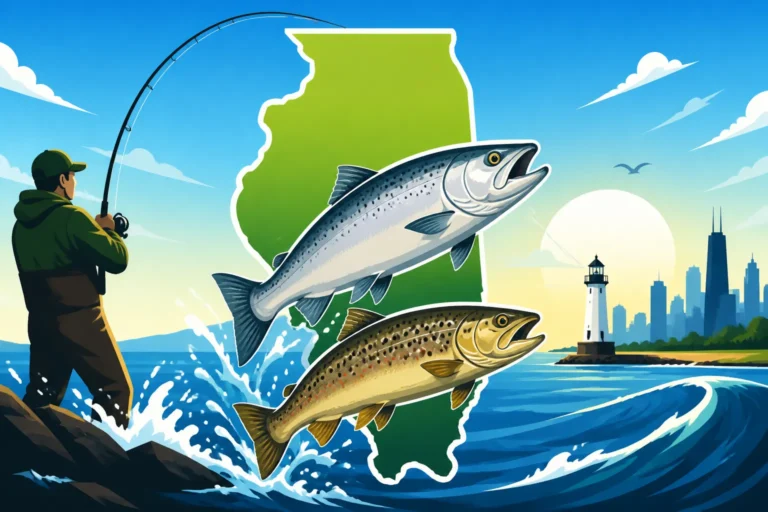
You might think that pier fishing limits your catches, but in Illinois, that couldn't be further from the truth. Our piers, whether on massive Lake Michigan or smaller inland reservoirs, offer incredible diversity. On Lake Michigan, you could be reeling in anything from impressive Chinook salmon and coho salmon to tasty yellow perch and even smallmouth bass. Head inland, and the piers on our larger lakes often provide access to populations of channel catfish, crappie, bluegill, and largemouth bass.
The beauty of pier fishing is that these structures often extend into deeper water or provide access to channels and drop-offs that naturally attract fish. They act as artificial reefs, providing cover and feeding opportunities for various species. You're not just casting into a shallow bank; you're often getting prime access to productive water, which is a huge bonus for any angler. This means you can often target different species by simply adjusting your bait or technique.
Top Pier Fishing Destinations Across Illinois
Illinois boasts an impressive array of pier fishing opportunities, from the bustling shores of Lake Michigan to the tranquil waters of our southern reservoirs. Each offers a unique experience and targets a different suite of species. Knowing where to go and what to expect can make all the difference for a successful and enjoyable day on the water.
Lake Michigan Piers: The Urban Frontier
When people think of pier fishing in Illinois, often the first place that comes to mind is Lake Michigan, particularly around Chicago. The piers along the Chicago lakefront are iconic and offer some truly world-class fishing. You'll find a mix of anglers casting for everything from migratory salmon and trout to resident perch and smallmouth bass.
Places like Navy Pier, although a major tourist attraction, can still offer surprisingly good fishing, especially during the spring and fall runs for salmon and trout. The sheer size of the pier allows for plenty of space, and the deep water access is unparalleled. Nearby, the piers at Belmont Harbor and Montrose Harbor are perennial favorites among local anglers. These harbor piers offer excellent opportunities for yellow perch, especially in the cooler months, and can produce impressive catches of trout and salmon when the fish move closer to shore. For those looking for more specific tactics, check out "Chicago Pier Spots for Lake Michigan Salmon" for detailed insights. Farther north, the piers in Waukegan and Winthrop Harbor also offer fantastic opportunities, often being less crowded than their Chicago counterparts while still providing access to the same great Lake Michigan fishery.
Key Lake Michigan Pier Fishing Targets & Tips:
| Species | Best Time of Year | Recommended Bait/Lure | Key Techniques |
|---|---|---|---|
| Yellow Perch | Fall, Winter | Minnows, Worms, Small Jigs | Jigging, Bottom Fishing |
| Coho Salmon | Spring, Fall | Spoons, Crankbaits, Live Smelt | Casting & Retrieving, Bobber Fishing (smelt) |
| Chinook Salmon | Late Summer, Fall | Large Spoons, Crankbaits, Spawn Bags | Casting, Still Fishing with Spawn |
| Brown Trout | Spring, Fall | Spoons, PowerBait, Minnows | Casting & Retrieving, Bottom Fishing |
| Smallmouth Bass | Summer | Crankbaits, Soft Plastics, Jigs | Casting Near Structure, Drop-shotting |
Central Illinois Reservoir Piers: Crappie and Catfish Havens
Moving inland, central Illinois is home to several large reservoirs that offer fantastic pier fishing, especially for panfish and catfish. These lakes are typically calmer than Lake Michigan, making for a more relaxed experience, and they're often surrounded by beautiful state parks.
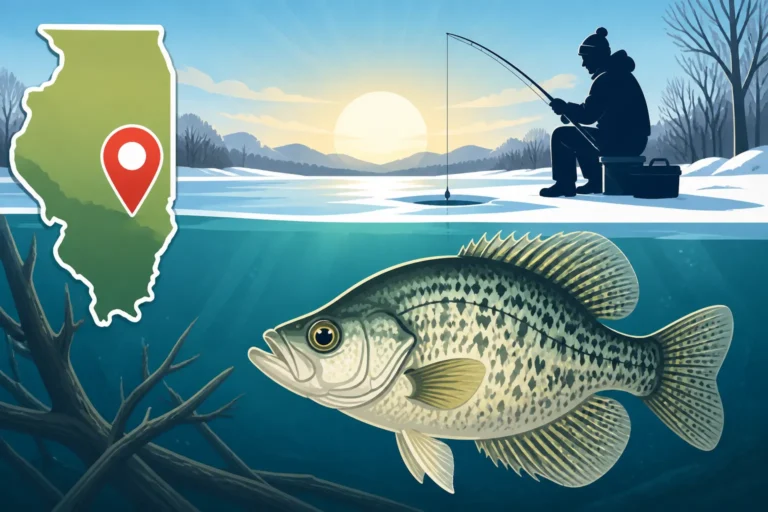
Clinton Lake, near Clinton, is a prime example. While known for its warm-water discharge and winter fishing for bass, its public piers and designated bank fishing areas provide excellent access to crappie and channel catfish for pier anglers. The structures around these piers often hold good numbers of fish. You might find some useful insights on targeting specific species in this area by looking up a "Clinton Lake Fishing Guide". Similarly, Lake Shelbyville, a massive impoundment, has numerous public access points and piers that are absolutely prime for crappie, white bass, and catfish. The lake's expansive size means plenty of shoreline access, and during the spring and fall, the crappie can be stacked up around any structure, including bridge pilings and the many public piers. You can explore the "Lake Shelbyville Fishing Guide" for more localized tips on this fantastic body of water.
These central Illinois lakes are often stocked regularly by the Illinois Department of Natural Resources (IDNR), ensuring a healthy population of popular game fish. They're typically less pressured than the urban Lake Michigan piers, offering a more tranquil setting.
Southern Illinois Lake Piers: Bass and Panfish Goldmines
Head south, and you'll discover a different set of jewels for pier fishing. Lakes like Rend Lake and Carlyle Lake are famous for their excellent panfish and catfish populations, and their extensive public piers and causeways offer prime access.
Rend Lake, near Benton, is an absolute crappie factory, and its numerous fishing jetties and piers are legendary among panfish anglers. The dam area and several recreation areas offer accessible piers where you can catch crappie, bluegill, and sometimes even a decent largemouth bass or channel catfish. The lake's vast shallow flats and abundant timber provide ideal habitat. To really dial in on the local nuances, a "Rend Lake Fishing Guide for Illinois Anglers" would be invaluable.
Carlyle Lake, Illinois's largest man-made lake, also provides incredible pier fishing opportunities. Its sprawling size means ample shoreline access, and the various state parks and recreation areas around the lake feature well-maintained fishing piers. These piers are hotspots for crappie, white bass, and monstrous channel catfish, especially after dark. Anglers looking to explore this massive fishery should consult the "Carlyle Lake Fishing Guide" for the best spots and times. The causeways crossing parts of the lake also act like extended piers, allowing anglers to cast into deeper water and target a variety of species.
These southern lakes are truly family-friendly destinations, often having campgrounds, boat rentals (if you decide to expand your horizons beyond the pier), and other recreational activities.
Essential Tips for Successful Pier Fishing
Just because pier fishing is accessible doesn't mean you can't improve your odds with a little preparation and knowledge. Like any form of fishing, understanding the nuances of the environment and the fish you're targeting can make all the difference between a slow day and a banner day.
Gear Up Smart for Pier Angling
You don't need a boatload of specialized gear for pier fishing, but having the right tools for the job will definitely boost your success. A medium-action spinning rod (6-7 feet long) paired with a reel spooled with 8-10 pound test line is a versatile setup that can handle most of what Illinois piers throw at you. For panfish, you might go lighter, perhaps a light-action rod with 4-6 pound test. For Lake Michigan salmon or larger catfish, a heavier rod and 15-20 pound test might be in order.
Don't forget the essentials:
- A good tackle box: Keep it organized with an assortment of hooks (sizes 6-2/0), sinkers (split shot, egg sinkers), bobbers, swivels, and perhaps a few spoons, jigs, and soft plastics. For a good general starting point, you can reference "Tackle Box Setup for Illinois Species".
- Bait: Live bait like minnows, worms, and nightcrawlers are always effective. Cut bait (for catfish) or even artificial options like PowerBait for trout can be excellent.
- Landing Net: This is crucial, especially on high piers. A long-handled net or a drop net is a lifesaver for safely landing larger fish.
- Pliers/Forceps: For hook removal.
- Cooler: To keep your catch fresh, if you plan to keep any fish.
- Comfort items: A comfortable folding chair, sun protection (hat, sunscreen), and plenty of water will make your long waits more enjoyable.
Remember to check local regulations for specific gear restrictions or bait allowances before you head out. When considering what rods and reels to use, you can also look into "Best Rods and Reels for Illinois Anglers" for more detailed recommendations.
Understanding Seasonal Patterns and Fish Behavior
Fish behavior changes dramatically with the seasons, and understanding these patterns is key to successful pier fishing.
- Spring: This is prime time for crappie and bluegill on inland lakes as they move into shallower water to spawn. Catfish also become more active as water temperatures rise. On Lake Michigan, spring offers excellent opportunities for coho salmon and brown trout as they feed near shore.
- Summer: During the heat of summer, many fish will retreat to deeper, cooler water. This means casting further out from piers or fishing during cooler parts of the day, like dawn, dusk, or even at night. Catfish often remain active throughout the summer, especially after dark. Bass might be found near any available cover or shade around the pier structure itself.
- Fall: Another fantastic season for all species. Inland crappie and bluegill return to shallower areas to feed heavily before winter, and catfish remain strong. On Lake Michigan, the fall salmon run can be spectacular as Chinook and coho stage near harbors before heading up tributaries. Trout also become very active.
- Winter: While challenging, winter pier fishing can be very rewarding, especially for yellow perch on Lake Michigan or active fish near warm-water discharges on power plant lakes like Clinton Lake. Dress warmly and be prepared for slower action.
Always pay attention to current weather conditions, recent rainfall (which can affect water clarity and levels), and barometric pressure, as these all play a role in fish activity. When planning your trip, you might find resources on platforms like FishingBooker that offer insights into local guides or fishing conditions near these piers, helping you get the most out of your outing. This type of platform can also be helpful for finding out what fish are biting during specific times of the year by offering a general overview of local fishing reports.
Safety and Etiquette on Illinois Piers
Piers are shared spaces, and practicing good safety and etiquette ensures everyone has an enjoyable and safe time.
- Observe Posted Rules: Always read and follow any signs posted at the pier, which might include rules about fishing limits, open hours, or restricted areas.
- Give Space: Try not to crowd other anglers. Cast your line in a way that avoids tangling with others. A good rule of thumb is to allow at least 10-15 feet of space between anglers if possible.
- Be Mindful of Others: Piers are often used by walkers, joggers, and sightseers. Be aware of your surroundings, especially when casting.
- Keep It Clean: Pack out everything you pack in, including bait containers, fishing line, and food wrappers. Littering spoils the experience for everyone and harms the environment.
- Handle Fish Responsibly: If you plan to release fish, do so quickly and carefully, minimizing their time out of water.
- Safety First: Be aware of slippery surfaces, especially after rain or during cold weather. Avoid climbing on railings or restricted areas. If you're fishing at night, a headlamp or flashlight is essential for visibility and safety.
Remember, fishing licenses are generally required, even when fishing from a pier. Make sure you have your current "Illinois Fishing License Guide for 2026" or appropriate licenses and stamps, such as the "Illinois Trout and Salmon Stamp Requirements" if you're targeting those species on Lake Michigan. You can find information on how to obtain your license through various channels, and a platform like FishingBooker might even offer information on local licensing agents or online purchasing options to ensure you're compliant before you head out. Staying informed and respectful ensures that pier fishing remains a beloved pastime for all.
Disclaimer
The information provided in this guide is for general informational purposes only and is subject to change. Fishing regulations, license requirements, and local conditions can vary. Always consult the latest Illinois Department of Natural Resources (IDNR) regulations and local postings before fishing. Engage in fishing activities at your own risk.