Lake Michigan Shore Fishing Access Near Chicago, Illinois
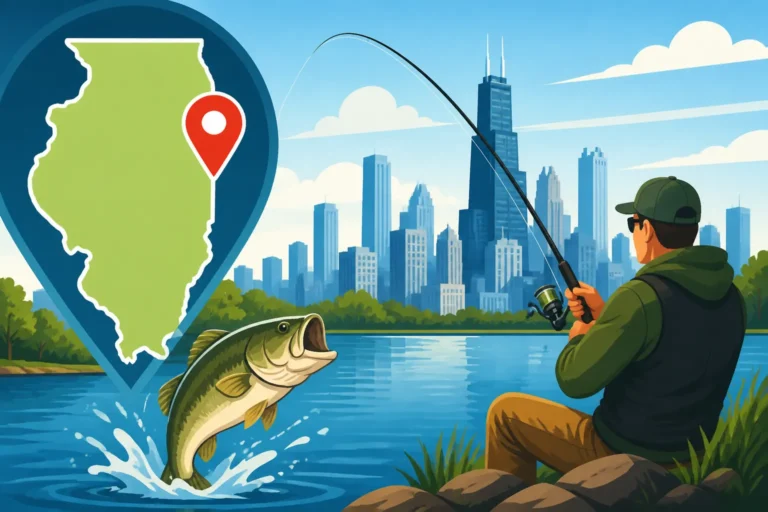
It’s a common scenario: you’re in the heart of Chicago, gazing out at the vast expanse of Lake Michigan, and an irresistible urge to cast a line washes over you. But where do you even start? Navigating the urban landscape to find prime fishing spots that are both accessible and productive can feel like a daunting task, leaving many anglers wondering if it's even worth the effort. This comprehensive guide is designed to cut through that confusion, revealing the best shore fishing access points along Illinois’s Lake Michigan coastline near Chicago, ensuring you spend less time searching and more time reeling in your next catch.
Prime Lake Michigan Shore Fishing Spots in Chicago Proper
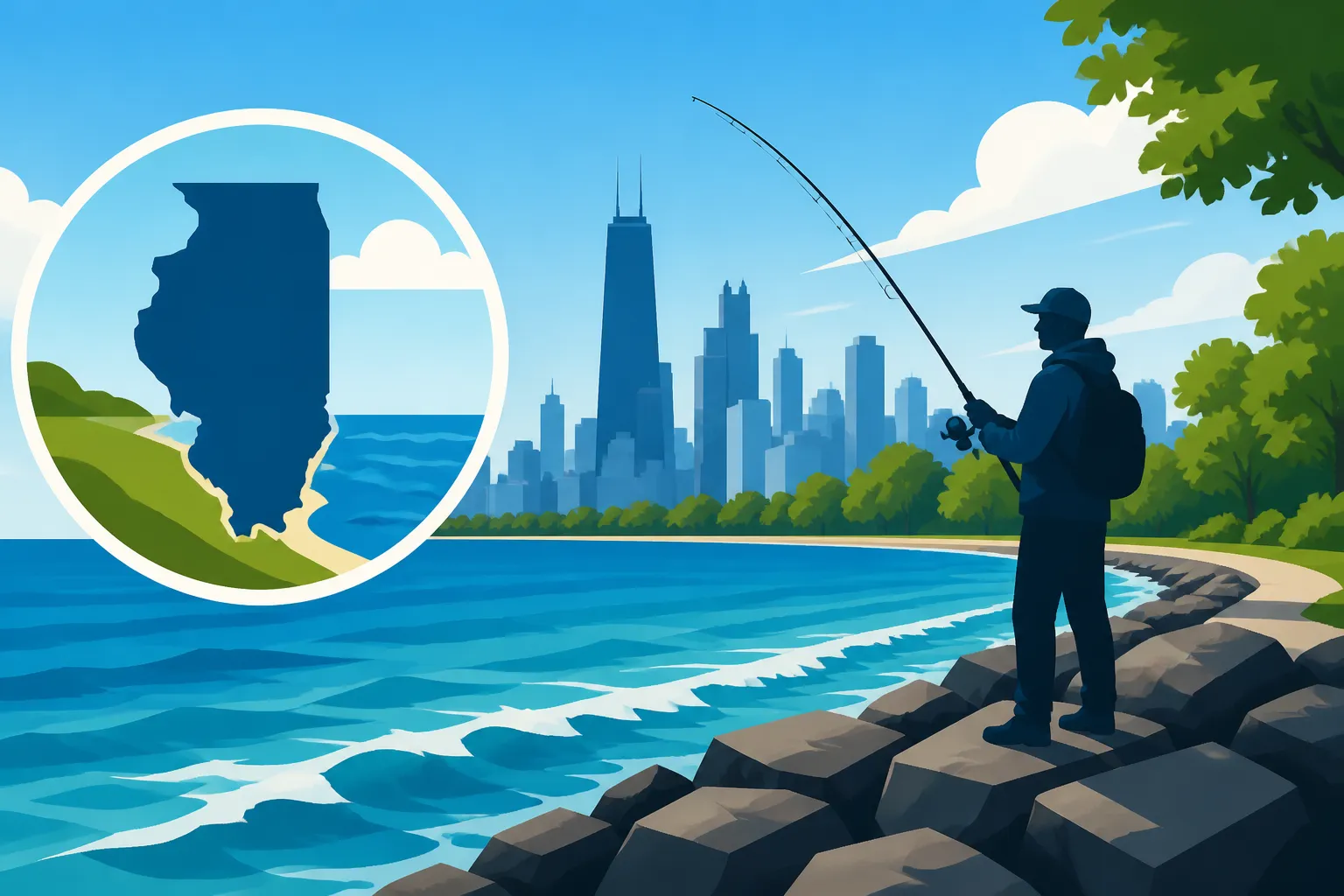
Chicago’s Lake Michigan shoreline offers an incredible array of accessible fishing opportunities, right within the city limits. Forget needing a boat or a long drive; some of the best action is just a short walk or public transit ride away. The city's parks and piers are not just scenic viewpoints; they're bustling fishing grounds with surprisingly diverse catches.
Iconic Piers and Harbors for City Anglers
The sheer convenience of fishing from Chicago's iconic piers and harbor walls is unbeatable. These spots are renowned for providing easy access to deeper waters where larger fish often congregate. You're not just casting into the shallows here; you're often reaching prime feeding grounds for bigger species.
- Montrose Harbor (Montrose Point Bird Sanctuary): Located on the city's north side, Montrose Harbor offers fantastic shore access, particularly along the rock-lined causeway known as Montrose Point. This spot is a local favorite for a reason. In spring and fall, you can expect to find good numbers of coho salmon and Chinook salmon, especially near the harbor entrance and along the outer wall. Brown trout and rainbow trout (steelhead) are also regular visitors, often cruising the cooler waters. What makes Montrose particularly appealing is the ample parking (though it fills up fast on nice days) and its proximity to amenities. It's a very social fishing spot, and you'll often see anglers setting up multiple rods with various bait presentations, from casting spoons and crankbaits to drifting spawn sacs under a bobber. For those looking to learn more about targeting these species, our guide on Lake Michigan Salmon and Trout Fishing in Illinois offers deeper insights.
- Belmont Harbor: A bit further south from Montrose, Belmont Harbor provides similar opportunities, though often with a slightly different vibe. The harbor walls here are excellent for casting for salmon and trout, especially during their migratory runs. Anglers frequently target perch in the summer months, which can offer fast-paced action, particularly if you find a schooling bite. The deep water access directly from the concrete walls makes it easy to set up, and it's well-served by public transportation routes, making it highly accessible even without a car.
- Navy Pier: While perhaps more famous as a tourist attraction, Navy Pier surprisingly offers legitimate fishing opportunities, particularly from its easternmost tip. This spot gets you out into very deep water, making it a hotspot for salmon, trout, and even sometimes northern pike, especially during colder months. The crowds can be a deterrent for some, but if you go during off-peak hours (early morning or late evening), you can have some productive fishing. Just be mindful of the rules and the many pedestrians. Many anglers use heavy spoons or large crankbaits here to target cruising fish.
South Shore Gems and Park Access
Venturing a bit south along the Chicago lakefront reveals more excellent shore fishing locations, often with a slightly different character than the bustling north side piers. These spots can offer a bit more solitude while still providing productive angling opportunities.
- Jackson Park Harbor and Promontory Point: Jackson Park, home to the Museum of Science and Industry, also boasts a significant harbor area and the scenic Promontory Point. The point itself extends far into the lake, giving shore anglers access to deeper waters for salmon and trout. The park's numerous lagoons also hold panfish, bass, and carp, offering a diverse fishing experience within the same area. The harbor walls are prime for targeting yellow perch, especially during their spring and fall runs. Anglers using small jigs tipped with minnows or pieces of nightcrawler often have great success here. It's a beautiful area for a family outing, combining fishing with picnic spots and walking paths.
- Calumet Park (95th Street): All the way on the far south side of Chicago, near the Indiana border, Calumet Park offers excellent access, particularly from the large pier at 95th Street. This spot is a favorite for those targeting brown trout and coho salmon early in the season and into the fall. The deeper water here, along with the protective breakwall, makes it a reliable spot. Parking is generally more available than at some of the central Chicago spots, and it often feels a little less crowded, providing a more relaxed fishing experience. You’ll see anglers using everything from Kastmasters to spawn sacs, and it's also a fantastic spot for perch during their seasonal movements.
Exploring Northern Chicago Suburbs for Shoreline Angling
While Chicago itself has a wealth of options, don't overlook the incredible shore fishing opportunities extending north into the suburbs. These areas often feature different bottom structures, less crowded conditions, and unique fishing experiences, all within a reasonable drive from the city.
Evanston and Highland Park Shoreline Spots
The North Shore suburbs offer a distinct change of scenery and some excellent spots for targeting a variety of Lake Michigan species, particularly trout and salmon, especially during the cooler months.
- Evanston's Dawes Park and Lighthouse Beach: Evanston boasts several public access points. Dawes Park, near Northwestern University, and the public access points around Lighthouse Beach offer good shore fishing. Anglers can often cast directly into deeper water from these areas. The rocky jetties and breakwaters are key features here, providing structure that attracts baitfish and, consequently, predator species. This is a prime area for brown trout in the spring and fall, and during the salmon runs, you'll find cohos and Chinooks cruising within casting distance. The clear water here often necessitates longer leaders and more subtle presentations. Parking can be found in nearby municipal lots, though it may require a short walk to the best casting spots.
- Highland Park's Park Avenue Beach: Moving further north, Highland Park's Park Avenue Beach offers excellent pier access. The pier here extends a good distance into the lake, putting anglers over deeper water where trout and salmon are frequently caught. It's a well-maintained facility with good amenities, making it a comfortable spot for a day of fishing. This spot is known to produce big lake trout, along with the usual salmon and brown trout, especially for those casting heavy spoons or working tube jigs. Always check for local park hours and access rules, as they can vary by municipality.
Waukegan Harbor: A Northern Lake Michigan Hotspot
No discussion of Lake Michigan shore fishing in Illinois would be complete without highlighting Waukegan Harbor. It's arguably the state's premier shore fishing destination for salmon and trout, drawing anglers from across the region.
- Waukegan Harbor's North and South Piers: Waukegan Harbor is famous for its outstanding salmon and trout fishing, particularly in the spring and fall. The north pier, often called the "Government Pier," and the south pier provide exceptional access to the lake. The deep water immediately adjacent to these piers, combined with the harbor's role as a migratory funnel for salmon and trout, makes it incredibly productive. Coho salmon often show up in massive numbers in April and May, with brown trout and rainbow trout also being common catches. Chinook salmon are targeted later in the summer and into the fall. Anglers here use a variety of techniques, including casting spoons (like Little Cleos or Krocodiles), casting crankbaits, or floating spawn sacs under a slip bobber. The sheer volume of fish that pass through here, especially during the runs, makes it a must-visit for any serious Lake Michigan shore angler. There's ample parking, and it's generally a very angler-friendly environment. For those interested in deeper dives into specific species, our guide on Best Time of Year for Lake Michigan Salmon in Illinois can offer crucial timing tips. If you're looking for an even more directed experience, many local fishing charters, often found through services like FishingBooker, operate out of Waukegan and can put you right on the fish offshore.
Essential Gear and Regulations for Illinois Lake Michigan Shore Fishing
Before you head out to these fantastic shore fishing spots, it’s crucial to be prepared with the right gear and understand the regulations. Lake Michigan is a big, powerful body of water, and proper preparation ensures both your safety and fishing success.
Must-Have Equipment for Shore Anglers
You don't need a boatload of expensive gear to enjoy shore fishing, but a few key items will make your experience much more enjoyable and productive.
- Rods, Reels, and Line: For general Lake Michigan shore fishing, a medium-heavy spinning rod (7-9 feet) paired with a reliable spinning reel spooled with 10-15 lb test monofilament or fluorocarbon line is a great starting point. Many anglers prefer braided line (20-30 lb test) for its sensitivity and casting distance, often adding a 6-10 lb fluorocarbon leader. The longer rod helps with casting distance, which can be critical for reaching fish holding further out, and provides leverage when fighting larger salmon or trout. Having a secondary, lighter setup (6-7 foot rod, 6-8 lb test) can be beneficial for targeting smaller species like yellow perch. Our guide on Best Rods and Reels for Illinois Anglers can help you choose the right setup.
- Baits and Lures: Your tackle box should be versatile. For salmon and trout, spoons (Kastmaster, Little Cleo, Dardevle, R&R spoons) in bright colors (chartreuse, orange, silver, blue/silver) are go-to choices. Crankbaits (like Rapala countdowns or jointed models) can also be highly effective. Soft plastics fished on jig heads or under a bobber can entice reluctant fish. For yellow perch, small jigs (1/16 to 1/8 oz) tipped with minnows, pieces of nightcrawler, or Berkley Gulp! baits are deadly. Spawn sacs (fish eggs in mesh netting) drifted under a slip bobber are also incredibly effective for salmon and trout, mimicking their natural food source.
- Essential Accessories: Don't forget a long-handled landing net, especially for salmon and trout; trying to hand-land a thrashing fish on a concrete pier is a recipe for disaster. A pair of pliers for hook removal, a stringer or cooler for your catch, and a tackle box stocked with extra hooks, weights, and swivels are also vital. Dress in layers, as weather conditions can change rapidly on Lake Michigan, and bring a comfortable chair if you plan on extended stays.
Understanding Illinois Fishing Regulations
Ignorance of the law is no excuse, and fishing without the proper license or violating catch limits can lead to hefty fines. Illinois has specific regulations for Lake Michigan, which can sometimes differ from inland waters.
- Illinois Fishing License and Stamps: Every angler aged 16 and over must possess a valid Illinois fishing license. If you're specifically targeting trout and salmon in Lake Michigan, you'll also need a Lake Michigan Salmon Stamp, in addition to your regular fishing license. These can be purchased online through the Illinois Department of Natural Resources (IDNR) website, or at many sporting goods stores like Cabela's or local bait shops. Make sure your license and stamps are current for the fishing season. Our comprehensive guide on Illinois Fishing License Guide for 2026 breaks down everything you need to know. Remember, the fishing license year typically runs from April 1st to March 31st of the following year, so always check the dates.
- Catch Limits and Size Restrictions: Lake Michigan has very specific daily catch limits and size restrictions for various species, especially salmon, trout, and yellow perch. These regulations are designed to protect fish populations and ensure sustainable fishing for everyone. For example, there are often combined daily limits for salmon and trout, and specific size minimums for species like Chinook salmon. Yellow perch also have specific daily bag limits. Always consult the current Illinois Fishing Information Guide, published annually by the IDNR, before your trip. This guide is your bible for all things regulation-related, including Illinois Fishing Season and Catch Limit Rules. Pay close attention to these rules, as they are strictly enforced by conservation police officers.
| Fishing Spot | Target Species | Access/Features | Best For |
|---|---|---|---|
| Montrose Harbor | Salmon, Trout, Perch | Rock-lined causeway, ample parking, social | Spring/Fall Salmon/Trout, Year-round Perch |
| Navy Pier | Salmon, Trout, Pike, Perch | Deep water access, urban setting | Deep-water casting, unique city experience |
| Calumet Park (95th St.) | Brown Trout, Coho Salmon, Perch | Large pier, less crowded, good parking | Early season trout/salmon, southern access |
| Waukegan Harbor | Salmon (Coho, Chinook), Trout | North/South Piers, very deep water, fish migration | Premier salmon/trout action, strong runs |
| Evanston Shoreline | Brown Trout, Salmon | Rocky jetties, clear water, scenic | Subtle presentations, less crowded trout/salmon |
Tips for Maximizing Your Shore Fishing Success on Lake Michigan
Shore fishing on Lake Michigan, especially near a big city like Chicago, comes with its own set of challenges and unique opportunities. A few strategic considerations can significantly increase your chances of success.
Reading the Water and Weather
Understanding how conditions on Lake Michigan influence fish behavior is paramount for a successful outing. This isn't a small pond where fish patterns are predictable day in and day out; the "big lake" demands respect and careful observation.
- Wind and Waves: Wind direction and strength play a huge role. An onshore wind (blowing towards shore) can push baitfish closer to the shoreline, bringing larger predatory fish with them. However, strong winds can make casting difficult and create dangerous waves. Conversely, a calm lake might mean fish are scattered and harder to find. Pay attention to weather forecasts, especially wind predictions. A general rule of thumb is that a light to moderate wind can be beneficial, while high winds can shut down the bite or make fishing impossible.
- Water Temperature: Lake Michigan's water temperature fluctuates significantly throughout the year, directly impacting fish activity. Salmon and trout are cold-water species, often preferring temperatures in the 40s to low 60s Fahrenheit. In spring, as nearshore waters warm up, baitfish move in, followed by hungry trout and salmon. In summer, these fish often move to deeper, cooler waters, making them harder to reach from shore, though early morning or late evening bites can still be productive. In the fall, as the lake cools, they return closer to shore for their spawning runs. Knowing the general water temperatures can help you decide when and where to fish.
- Cloud Cover and Light Levels: Overcast days or periods of low light (dawn and dusk) are often the most productive times for salmon and trout. Bright sunshine can drive fish deeper or make them more wary. Consider fishing during these "prime time" windows, even if it means an early start or a late finish. Our guide on Dawn Fishing Techniques and Dusk Fishing Techniques offers more specific advice.
Timing Your Trips for Peak Action
Knowing when to fish is just as important as where to fish, especially on a dynamic fishery like Lake Michigan. Certain times of the year offer vastly improved chances for specific species.
- Spring Run (March-May): This is prime time for brown trout and coho salmon, especially from the piers and harbors like Montrose, Belmont, and Waukegan. As ice recedes and water temperatures rise into the 40s and 50s, these fish aggressively feed on baitfish moving closer to shore. It's often when anglers report some of their best catches of the year.
- Summer Perch (June-August): While salmon and trout can be found in deeper offshore waters during summer, yellow perch become a fantastic shore target. Look for them around harbors, piers, and any structure where they can find food and cover. Early mornings and evenings are often best for perch in the summer heat.
- Fall Spawning Run (September-November): This is the ultimate time for salmon and trout. Chinook salmon, coho salmon, brown trout, and rainbow trout all push into nearshore areas and up tributaries (where accessible) for their annual spawn. Waukegan Harbor is particularly legendary during this period. The fishing can be fast and furious, but also crowded. Our guide on Best Time of Year for Lake Michigan Salmon in Illinois provides a detailed calendar.
- Winter Steelhead (December-February): For the truly dedicated, even winter offers opportunities, especially for hardy steelhead (rainbow trout) and brown trout, particularly around warmer discharges or deeper harbor areas that remain ice-free. These fish are often caught on slower presentations.
The allure of Lake Michigan shore fishing near Chicago is undeniable, offering the chance to hook into world-class fish with the stunning city skyline or serene suburban landscapes as your backdrop. With the right knowledge of access points, essential gear, and local regulations, you’ll be well-equipped to experience some incredible angling adventures right from the bank.
Disclaimer
The information provided in this guide is for general informational purposes only. Fishing regulations, license requirements, and fish populations can change. Always consult the latest official Illinois Department of Natural Resources (IDNR) publications and local ordinances before engaging in any fishing activities. Ensure you are aware of and adhere to all current rules and regulations.