Illinois River Catfish Spots Worth the Trip
The Illinois River is a truly magnificent waterway, but its sheer size and diverse ecosystems can make finding those honey holes for catfish a real head-scratcher. It's easy to feel overwhelmed, wondering where to even start looking for those whiskered giants. This guide is here to cut through the confusion, helping you pinpoint some of the most productive catfish spots along the Illinois River and understand what makes them so special.
The Mighty Illinois River and Its Catfish Kingdom
The Illinois River isn't just any river; it's a dynamic system of channels, backwaters, and tributary junctions that create a rich and varied habitat for catfish. Understanding its unique characteristics is the first step to consistently putting quality fish in the boat or on the bank. Many anglers, myself included, have spent countless hours trying to decipher its moods, and honestly, the river always keeps you on your toes.
Understanding River Dynamics and Catfish Havens
Catfish thrive in areas with current breaks, deep holes, and plenty of structure. On the Illinois River, this means looking for places where the main channel meets a slower backwater, around wing dams, rip-rap banks, or submerged timber. The river's natural flow constantly carves out these prime locations, offering catfish protection from strong currents and ambush points for prey. Tributaries like the Spoon River or the Mackinaw River dumping into the Illinois River often create fantastic current seams and deposit nutrient-rich water, drawing in baitfish and, consequently, hungry catfish. It’s also worth noting that the river’s locks and dams, while built for navigation, inadvertently create fantastic deep-water fishing opportunities both upstream and downstream, where fish concentrate.
The river's ever-changing water levels also play a huge role. During high water, catfish might move into flooded fields and backwater areas, spreading out into new feeding grounds. When water levels drop, they tend to consolidate into the main channel, seeking deeper pools and sheltered eddies. Knowing these patterns can dramatically improve your success rate. A little bit of local knowledge or even consulting with local bait shops can go a long way in understanding these subtle shifts.
Meet the River's Whiskered Residents
The Illinois River is home to three primary species of catfish: the channel catfish, blue catfish, and flathead catfish. Each has its own personality, preferred habitat, and diet, making the river an exciting challenge for any catfisherman.
- Channel Catfish: These are arguably the most common and widespread catfish in the Illinois River. They're opportunistic feeders, happy to munch on anything from stink baits and cut baits to worms and crawfish. You'll find them almost everywhere, from the main channel to quiet backwaters, often preferring areas with moderate current and some cover. Learning the Illinois Channel Catfish Daily Limit Explained is crucial before you head out, as these limits apply statewide.
- Blue Catfish: The true giants of the Illinois River, blue catfish are powerful predators that prefer large, deep river sections with strong currents. They primarily feed on fresh cut bait, like shad or skipjack herring, and are known for their incredible fighting ability. While not as abundant as channel cats, the Illinois River does hold some trophy-sized blues, especially in its lower stretches. If you're targeting these behemoths, make sure you understand the Illinois Blue Catfish Rules and Daily Limits.
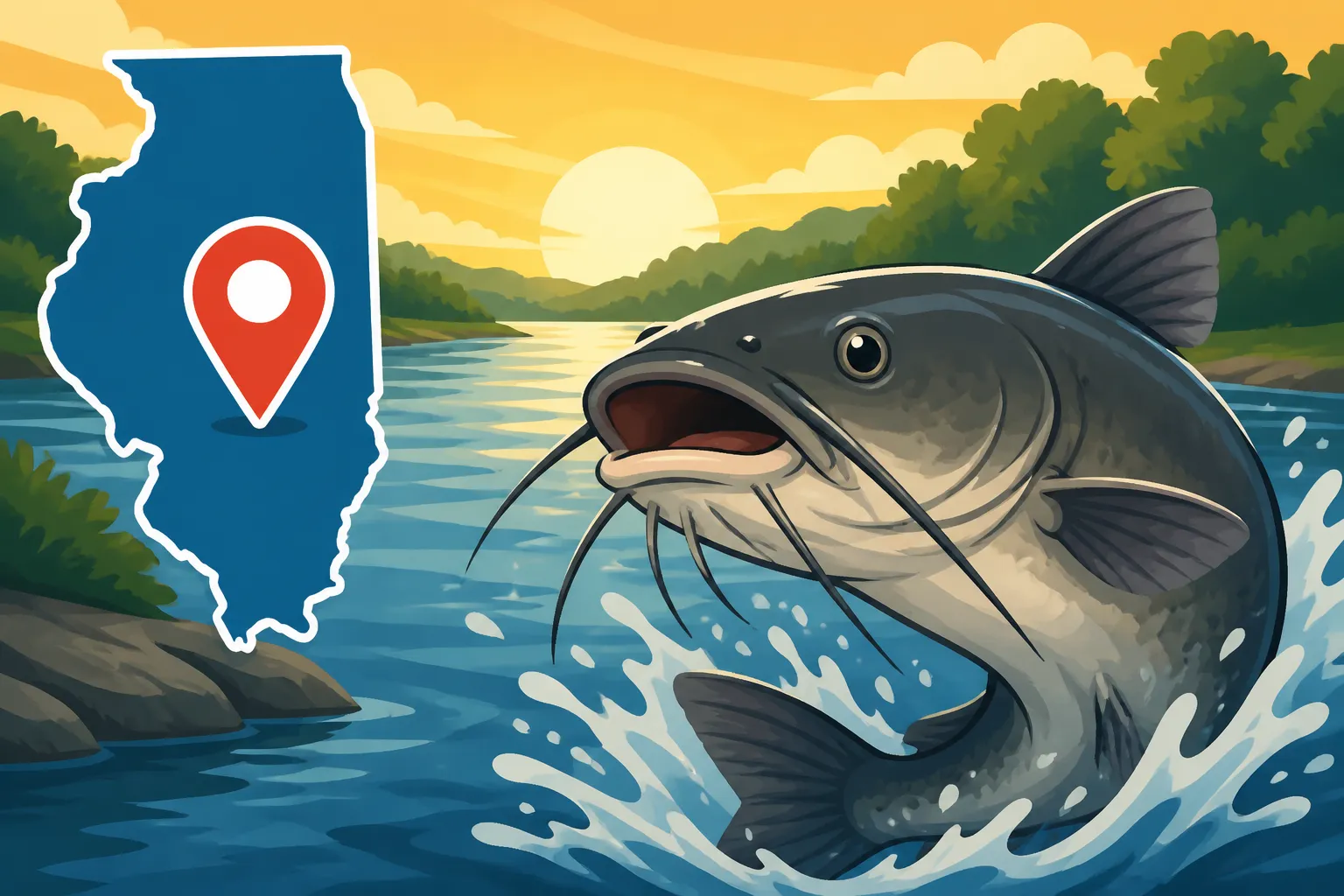
- Flathead Catfish: These are solitary ambush predators, easily identified by their broad, flattened heads and mottled brown coloration. Flatheads prefer live bait — think bluegills, sunfish, or large shiners — and they love to hide in heavy cover like log jams, submerged trees, or rock piles in deeper holes. They're often found around dams or major river bends where current provides both food and cover. Anglers chasing these hard-fighting fish should be aware of the Illinois Flathead Catfish Limit of 10 Fish Per Day.
It's a common misconception that all catfish eat the same thing or live in the same spots. The truth is, tailoring your approach to the specific species you're targeting will dramatically increase your chances of success.
Seasonal Rhythms: When and Where Catfish Roam
Catfish behavior on the Illinois River changes significantly with the seasons, impacting where you’ll find them and what baits they’ll hit. Ignoring these seasonal shifts is a surefire way to come home empty-handed.
- Spring: As water temperatures rise, catfish become more active and start moving out of their wintering holes. This is often an excellent time for channel catfish, as they feed aggressively before the spawn. They’ll be found in shallower, warmer waters, often near tributary mouths or shallow flats that heat up quickly. Blues and flatheads will also start to move and feed, but typically remain in deeper sections initially.
- Summer: This is prime time for all three species. Channel catfish are usually post-spawn and dispersed throughout the river, often found in moderate current near cover. Blue catfish will be active in deeper holes and main channel areas, especially at night. Flatheads are at their most active, relentlessly guarding their lairs in log jams and rock piles, ready to ambush live bait. Night fishing can be incredibly productive during the hot summer months.
- Fall: As water temperatures begin to drop, catfish start to bulk up for winter. They will move into deeper water and feed heavily, often in concentrated schools. This can lead to some fantastic fishing, especially for channel and blue catfish, as they gorge on shad and other baitfish. Look for them in deeper bends, drop-offs, and main channel holes.
- Winter: Catfish become much less active in winter, typically congregating in deep, slow-moving holes or backwater areas where they can conserve energy. While fishing can be slow, if you find one, you might find many. Vertical jigging or slowly drifting cut bait can entice a bite, but it requires patience.
Understanding this annual cycle, detailed further in resources like the Illinois Fishing Seasons Guide, is absolutely critical for consistent success on the Illinois River.
Prime Illinois River Catfish Destinations
While catfish can be found throughout the Illinois River, certain stretches are known for consistently producing excellent catches, attracting anglers from all over the state and beyond. These areas offer unique features that cater to the different catfish species.
The Peoria-Havana Stretch: Channels and Blues Abound
The central Illinois River, particularly the stretch between Peoria and Havana, is a well-known hotspot for channel catfish and boasts a growing population of blue catfish. This area features a wide, relatively stable channel with numerous deep holes, wing dams, and abundant submerged structure. The town of Pekin offers great access points and bait shops.
Anglers here often target the deep holes carved out by the current, especially those near bends or where creeks enter the river. Wing dams are absolute magnets for channel and blue catfish, as they create current breaks and concentrate baitfish. Fishing the downstream side of these structures with cut bait or nightcrawlers can be incredibly effective. The backwater lakes and sloughs adjacent to the main river, especially during periods of higher water, also offer incredible opportunities, though you'll want to check Illinois River Fishing Spots Near Peoria for more precise locations. Many local guides, some found on platforms like FishingBooker, specialize in this stretch and can put you on fish when you're short on time.
Starved Rock Area: Scenic Fishing for All Species
Further north, the Starved Rock State Park area near Utica and Ottawa is not only breathtakingly scenic but also a fantastic catfish destination. The presence of the Starved Rock Lock and Dam creates a unique fishing environment. The turbulent water below the dam is a prime location for all three species of catfish, especially blue and flathead catfish, which thrive in the strong current and rocky bottom.
Fishing directly below the dam can be challenging due to strong currents but rewarding. Many anglers prefer to fish the current seams and eddies just downstream or target the deeper holes that form against the rock walls of the river. Upstream from the dam, the river becomes wider and slower, offering excellent opportunities for channel catfish in the numerous backwaters and feeder creeks. When visiting this area, you'll find more insights into specific access points and conditions in guides like Where to Fish the Illinois River Near Starved Rock. For those looking to learn the ropes or maximize their limited time, booking a trip with an experienced local guide, perhaps through a service like FishingBooker, can be a game-changer for navigating these complex waters.
Lower Illinois River: Grafton's Gateway to Big Cats
As the Illinois River nears its confluence with the Mississippi River at Grafton, the water takes on characteristics of a much larger system. This lower stretch is arguably the best location on the Illinois River for truly massive blue catfish and trophy flatheads. The deeper, wider channels, combined with the immense flow and abundance of baitfish from the Mississippi, create an ideal environment for these large predators.
Fishing near Grafton often involves targeting deep river bends, submerged islands, and large log jams. The sheer size of the river here can be intimidating, but it also holds the potential for once-in-a-lifetime catches. Anglers frequently use heavy tackle and large cut baits or live baits to tempt the big blues and flatheads that patrol these waters. Boat access is plentiful, with several ramps available in the Grafton area. This region truly offers a taste of big-river catfishing, challenging anglers with its vastness but rewarding them with incredible fish.
Gearing Up for Illinois River Catfish Success
Having the right equipment can make all the difference between a frustrating day and a memorable catch. The Illinois River's catfish, especially the larger blues and flatheads, demand robust gear capable of handling strong currents and powerful runs.
Rods, Reels, and Line: Building Your Catfish Arsenal
When it comes to catfish on the Illinois River, you need gear that can take a beating. Forget your finesse setups; we're talking heavy-duty stuff here.
- Rods: Opt for medium-heavy to heavy action rods, typically 7 to 9 feet long. This length gives you leverage for casting heavy baits and controlling big fish in current. Look for rods with strong backbone but a sensitive tip to detect subtle bites. Brands like Ugly Stik or Penn Battle are popular among river catfishermen for their durability and power.
- Reels: Matching your heavy rod with a robust baitcasting reel is paramount, especially for targeting blue and flathead catfish. Look for reels with strong drag systems and high line capacity. A good quality conventional reel can hold 200-300 yards of 20-30 pound monofilament or 50-80 pound braided line.
- Line: For main channel fishing, particularly for larger blues and flatheads, 50-80 pound braided line is a solid choice for its strength and abrasion resistance. Braided line offers superior sensitivity, allowing you to feel every bump and nibble. However, for channel catfish or in areas with less snags, 20-30 pound monofilament can still be effective and is often more forgiving for beginners. Remember, heavy cover demands heavy line! You can get more specific gear advice from resources discussing Heavy Tackle for Mississippi River Catfish in Illinois, which often applies to the lower Illinois River as well.
Bait and Rigs: What Cats Can't Resist
The Illinois River's catfish have diverse palates, but a few key baits and rigs stand out as consistent producers.
- Baits:
- Cut Bait: For blue and channel catfish, fresh cut bait is king. Shad, skipjack herring, carp, or even small strips of any oily fish work wonders. The scent trail they release in the current is irresistible. This is often hailed as the Best Bait for Channel Catfish and blue catfish.
- Live Bait: Flathead catfish are notorious for preferring live bait. Bluegills, sunfish, small bullheads, or large shiners are excellent choices. Ensure your live bait is healthy and active to entice a strike. Many anglers consult guides on FishingBooker who provide bait as part of their service, eliminating the hassle.
- Stink Baits/Prepared Baits: While generally less effective for trophy blues and flatheads, a variety of prepared or "stink" baits can be highly successful for channel catfish, especially in slower current areas or when fishing from the bank.
- Worms: Good old nightcrawlers can also catch plenty of channel catfish and are a great all-around choice, especially for younger anglers.
- Rigs: The most common and effective rig for Illinois River catfish is the Carolina Rig (or Santee Cooper Rig for some variations). This involves a sliding sinker (typically 1-4 ounces, depending on current), a swivel, a leader (12-24 inches), and a sturdy circle hook (4/0 to 8/0). This setup allows the fish to pick up the bait without feeling the weight of the sinker. A three-way swivel rig, or a simple slip sinker rig, can also be effective. Learning How to Bottom Fish for Catfish with these rigs will significantly improve your chances.
Techniques: From Bank to Boat
Whether you're fishing from shore or a boat, strategic techniques are key to success on the Illinois River.
- Bank Fishing: Many excellent spots on the Illinois River are accessible from the bank, especially around public parks, road bridges, and causeways. Focus on areas with current breaks, deep pockets close to shore, or brush piles. Casting your bait out and letting it settle on the bottom, then allowing the current to spread the scent, is a classic approach. Bring a sturdy rod holder to keep your rod secure from powerful strikes. Knowing How to Catch Catfish From the Bank is a skill in itself, often requiring patience and keen observation of the river's subtle movements.
- Boat Fishing: Boats open up a world of possibilities, allowing you to access main channel holes, mid-river wing dams, and remote log jams.
- Anchoring: Find a promising spot, like a deep hole or the eddy behind a wing dam, anchor securely upstream, and cast your baits into the target zone. Use multiple rods to cover different depths and presentations.
- Drifting: In some areas, slowly drifting with the current, especially in deeper channels, can be highly effective. This allows you to cover more water and present your bait naturally. Use enough weight to keep your bait near the bottom but still allow it to move slowly with the current.
- Jug Fishing/Trotlining: For experienced anglers, jug fishing or setting trotlines can be incredibly productive for catching multiple catfish. These methods, which involve using multiple baited hooks, are regulated, so always check the Illinois Fishing Regulations Overview before attempting them. Learning How to Jug Fish for Catfish involves specific setups and safety considerations.
No matter your chosen technique, always prioritize safety on the river, especially when dealing with powerful currents and large vessels.
Staying Legal and Sustainable on the Illinois River
Part of being a responsible angler means understanding and respecting the rules that protect our fisheries. The Illinois River, like all public waters, has specific regulations designed to ensure healthy fish populations for future generations.
Navigating Catfish Regulations and Limits
Illinois has clear regulations regarding catfish, covering daily catch limits, possession limits, and sometimes even size limits depending on the species or specific waterbody. While a general Is There a Size Limit on Catfish in Illinois? might yield a complex answer due to variations, the species-specific rules are usually straightforward.
For instance, you'll find a daily limit of 20 channel catfish, with no minimum size limit across most waters. Flathead catfish often have a more restrictive daily limit, sometimes as low as 10 fish. Blue catfish also have specific rules, especially if there are trophy management programs in place. It’s absolutely vital to consult the current Illinois Department of Natural Resources (IDNR) fishing guide or their website before each trip, as regulations can change. What might be legal on one section of the river could be different on another, especially in boundary waters. Familiarizing yourself with Catfish Limits Compared to Walleye Limits in Illinois can also offer perspective on species-specific management.
Responsible Angling and Conservation
Beyond simply following the law, ethical angling practices are essential for the long-term health of the Illinois River's catfish populations.
- Catch and Release: While many anglers keep catfish for the table, consider practicing catch and release, especially for larger breeding-sized blue and flathead catfish. These big fish are crucial for maintaining healthy populations. If you do release a fish, handle it gently, minimize its time out of water, and ensure it swims away strongly.
- Leave No Trace: Always pack out everything you pack in. Discarded fishing line, bait containers, and other trash can harm wildlife and detract from the natural beauty of the river.
- Be Mindful of Others: The Illinois River is a busy place, shared by recreational boaters, commercial barges, and other anglers. Be courteous, maintain safe distances, and respect private property.
By adhering to these principles, we can all contribute to keeping the Illinois River a premier destination for catfish angling for years to come. Remember, the journey is just as important as the catch, and a well-prepared, responsible angler will always have a better time on the water. If you ever feel uncertain about local rules or the best approach, checking resources or even hiring a guide through platforms like FishingBooker can provide valuable, up-to-date local insights.
Here's a quick look at the main catfish species you'll encounter:
| Catfish Species | Typical Size Range (Illinois River) | Preferred Habitat | Primary Baits | ID Features |
|---|---|---|---|---|
| Channel Catfish | 1-10 lbs (up to 20+ lbs) | Moderate current, main channel, backwaters | Cut bait, stink bait, worms, crawfish | Forked tail, dark spots (when young) |
| Blue Catfish | 5-50 lbs (up to 100+ lbs) | Deep main channel, strong current | Fresh cut bait (shad, skipjack) | Forked tail, distinctly bluish/gray color |
| Flathead Catfish | 5-40 lbs (up to 70+ lbs) | Heavy cover, log jams, deep holes | Live bait (bluegill, sunfish, shiners) | Flat, broad head, mottled brown/yellow, rounded tail |
Disclaimer
The information provided in this guide is for general informational purposes only and is subject to change. Fishing regulations, conditions, and fish populations can vary. Always consult the most current Illinois Department of Natural Resources (IDNR) fishing regulations before your trip. Fishing inherently involves risks; please prioritize safety on and near the water.