How to Jug Fish for Catfish
There’s nothing quite like the thrill of chasing after big catfish in Illinois, but let's be honest, sometimes those whiskered monsters feel impossible to pin down. You can spend hours on the bank with your rod and reel, or even trolling from a boat, and still come up empty-handed, leaving you wondering if they're even in the lake at all. This guide is all about cutting through that frustration and introducing you to a tried-and-true method that brings the fight to them: jug fishing for catfish. We're going to dive deep into how to set up, deploy, and successfully harvest catfish using this incredibly effective and often overlooked technique.
What Exactly Is Jug Fishing for Catfish?
If you've ever seen a random floating object bobbing along on an Illinois lake or river, it might have been a jug rig. Jug fishing is a passive fishing technique where you use free-floating lines, typically attached to buoyant objects like plastic bottles or foam, to target fish that are cruising or suspended in the water column. It's often misunderstood as being lazy, but there's a real art and strategy to doing it well. The beauty of jug fishing lies in its simplicity and the ability to cover a wide area, letting the fish come to your bait rather than you constantly casting to them.
The Basics: Simple and Effective
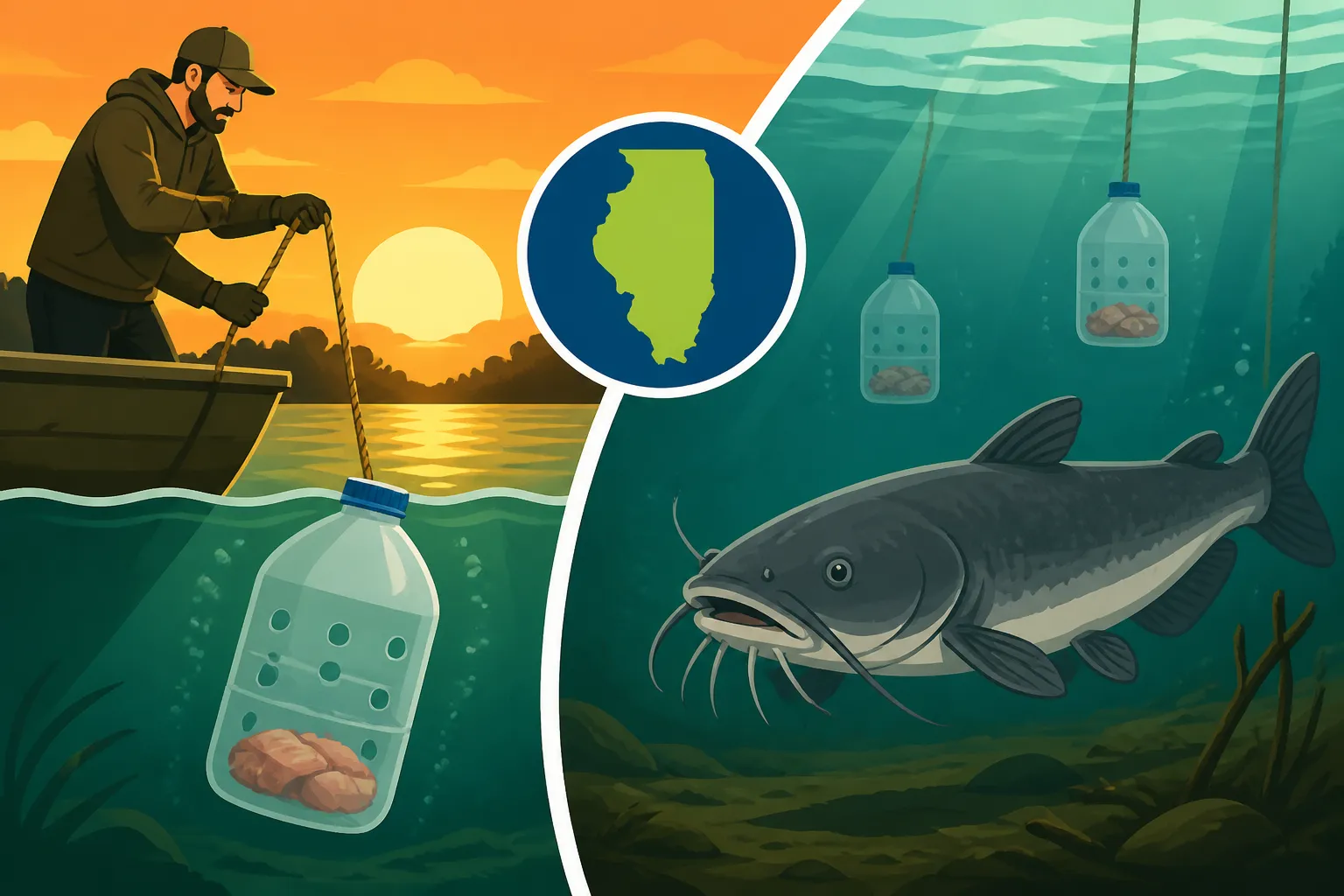
At its core, a jug rig is remarkably simple. You've got a buoyant "jug" – anything from a repurposed plastic soda bottle to a specially designed foam float – a length of line, a weight to keep the bait down, and a hook. The idea is that you bait these hooks and then set the jugs afloat, allowing the current or wind to carry them across a body of water. When a fish bites, the jug will suddenly start moving erratically, dipping, dancing, or even completely disappearing, signaling that you've got a catch. It's an active form of passive fishing, as you're constantly monitoring your fleet of jugs, ready to retrieve them when the action starts.
It's a fantastic method for anglers who enjoy the chase but might not have a fancy bass boat with all the electronics. You can set out several jugs at once, increasing your chances exponentially compared to a single rod and reel. This technique is particularly effective in larger bodies of water where catfish might be spread out or difficult to locate with traditional methods. Plus, there's a certain old-school charm to it, harkening back to simpler times when ingenuity was key to a full stringer.
Why Jug Fishing Works for Catfish
Catfish, by nature, are scavengers and opportunistic feeders. They often cruise along the bottom or suspend in the water column, following scent trails to find their next meal. Jug fishing exploits this behavior perfectly. By deploying multiple baited lines over a broad area, you're presenting a buffet to any catfish that happens to be passing by. The natural movement of the jug with the current or wind can even make your bait seem more alive, enticing curious catfish to investigate.
Furthermore, catfish have an incredible sense of smell and touch, and they're not always sight-feeders like bass or crappie. The strong, often pungent baits used in jug fishing, combined with the presentation that allows the scent to disperse naturally through the water, are irresistible to them. Whether you're targeting the elusive flathead or a hungry channel catfish, jug rigs put your bait right in their feeding zones without the need for constant human intervention.
The Legal Side of Jug Fishing in Illinois
Before you even think about tossing your first jug into the water, it is absolutely vital to understand the rules and regulations in Illinois. Ignorance of the law is never an excuse, and game wardens are out there to ensure everyone is fishing responsibly and legally. The Illinois Department of Natural Resources (IDNR) has specific guidelines for what is considered legal equipment and how many jugs an individual can use. You'll want to review the full Illinois Fishing Regulations Overview before heading out.
Typically, Illinois regulations specify that unattended devices like jugs must be clearly marked with the angler's name and address or IDNR customer identification number. There are also limits on the number of jugs one person can use at a time, often around 50. It’s also crucial to remember that certain waters might have specific restrictions or might even prohibit jug fishing entirely. Always check the site-specific regulations for the body of water you plan to fish. You can find more details in the Illinois Fishing License Guide for 2026 which covers regulations as well. Make sure you also understand the statewide and site-specific Illinois Channel Catfish Daily Limit Explained to avoid any penalties.
Assembling Your Jug Fishing Rig
Putting together a good jug fishing rig doesn't require a lot of fancy equipment, but a little thought into your setup can make a huge difference in your success and enjoyment on the water. It’s all about creating a robust, effective, and compliant setup.
Choosing the Right "Jug" or Floater
The "jug" itself is the heart of your rig. While many anglers start with simple two-liter soda bottles, there are countless options. Some prefer gallon milk jugs, pool noodles cut into sections, or even specialized foam floats available at sporting goods stores or through retailers like Amazon. The key characteristics you're looking for are buoyancy, visibility, and durability. You want something that can easily support the weight of a struggling catfish and be highly visible from a distance, especially if you're fishing in rougher waters or at dusk.
Consider painting your jugs bright, contrasting colors like fluorescent orange or yellow so they stand out against the water and surrounding scenery. While clear plastic bottles work, they can be harder to spot, particularly in choppy water or low light. For longevity, plastic bottles are great because they're cheap and readily available. If you want something more durable and purpose-built, foam floats offer excellent buoyancy and often come with pre-drilled holes for attaching your line. Experiment with a few different types to see what works best for your local conditions and fishing style.
Essential Line and Hook Setup
The line you choose needs to be strong enough to handle a feisty catfish, yet not so heavy that it's difficult to manage. Many experienced jug fishermen opt for braided line due to its strength and low stretch, often in the 50-80 pound test range. Monofilament line can also work, especially in heavier tests, but its stretch might make it harder to detect lighter bites from a distance. The length of your line depends on the water depth you're fishing, but generally, you want enough line to reach the bottom and then some, allowing the bait to suspend at various depths. You can use a slip sinker system to adjust the depth easily.
For hooks, circle hooks are highly recommended, especially if you plan to release some of your catch. Circle hooks are designed to hook fish in the corner of the mouth, reducing gut-hooking and making release much easier. Sizes will vary depending on the target species, but a 5/0 to 8/0 circle hook is a good general starting point for most Illinois catfish. You'll also need a swivel to prevent line twist, and a weight (often a lead sinker or heavy nut) to keep your bait down near the desired depth. Consider a leader of tough monofilament or fluorocarbon to protect your main line from abrasive catfish mouths or submerged obstacles.
Bait Selection for Illinois Catfish
Choosing the right bait is paramount to jug fishing success, and thankfully, catfish aren't typically picky eaters. The general rule is: the stinkier, the better! For Best Bait for Channel Catfish, traditional stink baits, chicken livers, cut bait (shad, skipjack herring, bluegill), and even chunks of hot dog or soap can be incredibly effective. Catfish are drawn to strong scents that disperse widely in the water, so don't be afraid to use baits that might make you wrinkle your nose.
For bigger, more predatory species like blue catfish and flatheads, live bait or large cut bait often performs better. Bluegill, shad, or even smaller carp make excellent live baits, while large chunks of fresh cut bait will also attract attention. When considering Illinois Blue Catfish: Where to Find the Biggest Ones, remember they often prefer fresh, natural offerings. When preparing your bait, ensure it's securely attached to the hook so it doesn't wash off easily. Many anglers will "toughen up" chicken livers by letting them sit in the sun for a short period or by adding garlic powder to enhance their appeal.
Setting Up and Deploying Your Jugs
Once your rigs are assembled and baited, it's time for the exciting part: getting them into the water. This isn't just about tossing them out; strategic deployment can significantly impact your catch rate.
Where to Place Your Jugs for Success
Understanding catfish behavior and habitat is key to knowing where to deploy your jugs. Catfish often hang out in deeper holes, along channel edges, near submerged cover like brush piles or fallen trees, and in areas where current brings food. For Best Catfish Rivers in Illinois, look for deeper eddies, slack water pockets, and the downstream sides of wing dams. On lakes, target humps, deep points, and creek channels.
Consider the prevailing wind and current. You want your jugs to drift through productive areas, not just get stuck in a cove or blown onto shore. A good strategy is to deploy your jugs "upwind" or "upcurrent" of where you suspect fish are holding, allowing them to drift through those zones. Remember that catfish often feed along contour lines or at specific depths, so setting your bait at different depths across your spread can help you pinpoint where they are most active.
Spacing and Monitoring Your Jugs
Deploying jugs too close together can lead to tangles, while spacing them too far apart makes monitoring difficult. A general rule of thumb is to give them enough room to drift without interfering with each other, but still keep them within a reasonable distance for observation. If you're on a smaller lake, this might mean 20-30 yards between jugs. On larger bodies of water like the Mississippi River, you might spread them out a bit more, but always keep them in sight.
Monitoring is an active process. You'll need a boat to chase down your jugs. As you observe them, look for any unusual movement: sudden dips, quick dashes, or even the jug disappearing completely. These are all signs of a fish on the line. When you see a jug take off, motor over carefully, approaching it slowly so as not to spook the fish or cause it to make a final, line-breaking dash. A long-handled gaff or a large net can be very helpful for retrieving jugs with a fish attached, especially if it's a big one.
Handling a Catch: Safety First
Catfish, especially the larger ones, can be quite strong and feisty. Once you've retrieved a jug with a fish, handle it with care. Large catfish have sharp pectoral and dorsal fins that can inflict painful wounds, so a good pair of fishing gloves is highly recommended. For really big blues or flatheads, a sturdy pair of lip grippers can help you control the fish without putting your hands near those sharp spines.
Have a cooler or livewell ready if you plan to keep your catch. If you’re practicing catch and release, especially important for juveniles or if you’ve hit your Illinois Flathead Catfish Limit of 10 Fish Per Day, carefully remove the hook with pliers and release the fish quickly, ensuring it swims away strong. Always be mindful of the catfish's health, and avoid prolonged handling out of the water.
Tips for a Successful Jug Fishing Trip in Illinois
Jug fishing is a fun and rewarding way to target catfish, but a few extra tips can turn a good day into a fantastic one. It's about combining strategy with preparation.
Timing and Conditions: When to Go
Catfish are generally more active during certain times and under specific conditions. Warm water temperatures often stimulate their feeding, making late spring through early fall prime jug fishing season in Illinois. While you can catch them during the day, many experienced anglers find success during low-light periods. Dawn and dusk are fantastic, as catfish tend to move into shallower feeding areas. Night fishing for catfish is also incredibly productive, but requires extra caution and good lighting for monitoring your jugs. Check out our Catfish Bottom Fishing Techniques guide for more on their feeding patterns.
Weather conditions play a role too. Overcast days can extend their feeding periods into midday. After a good rain, especially if it raises water levels and discolors the water, catfish often go on a feeding frenzy as new food sources wash into the main channels. However, avoid extremely windy days, as strong gusts can make it nearly impossible to keep track of your jugs.
Storage and Organization On the Water
Having your jugs and gear organized can save you a lot of headaches on the water. Before you even leave the dock, make sure all your rigs are properly wound, hooks are covered for safety, and baits are ready. A large tote or bucket works well for carrying and deploying your jugs without tangling lines. For your bait, keep it cool and fresh in a separate cooler. You don't want your prime cut bait baking in the sun all day.
Think about additional essentials. A large net or gaff is crucial for landing bigger fish. Pliers for hook removal, a knife, and a measuring tape (to ensure your fish meet any size regulations) are also must-haves. Many anglers even bring a small, dedicated bait bucket with an aerator for live bait. For general organization of all your smaller items like extra hooks, swivels, and sinkers, consider a tackle box that you can easily access, perhaps one you ordered from Amazon to keep everything neat.
Respecting the Resource: Catch Limits and Release
As responsible anglers, it's our duty to protect the fantastic fishing opportunities we have in Illinois. That means adhering to all regulations, including daily catch and possession limits. These rules are in place to ensure healthy fish populations for future generations. Keep only what you will eat, and release the rest unharmed.
If you're fishing a popular spot, be mindful of other anglers. Jug fishing covers a lot of water, so make sure you're not interfering with other boats or bank fishermen. Clean up after yourself; don't leave discarded bait containers, old line, or any trash on the shore or in the water. By following these simple guidelines and respecting both the fish and your fellow anglers, you'll contribute to a positive fishing environment for everyone. If you plan to use a boat, ensure you've met all Illinois Boat Registration Requirements Explained as well.
Jug Fishing Rig Components
| Component | Description | Common Materials/Sizes | Importance |
|---|---|---|---|
| Jug/Float | Buoyant object to keep line afloat and signal bites | 2-liter bottles, gallon jugs, pool noodles, foam floats | Visibility, buoyancy, durability, capacity to hold fish. |
| Line | Connects jug to hook and bait | 50-80 lb braided or heavy monofilament | Strength, abrasion resistance, hook-setting power. |
| Swivel | Prevents line twist | Heavy-duty barrel or ball bearing swivel | Essential for line integrity and preventing tangles. |
| Weight | Keeps bait at desired depth | Lead sinkers, heavy nuts, rebar sections | Depth control, bait presentation. |
| Hook | Catches the fish | 5/0 – 8/0 circle hooks (j-hooks also used) | Effective hookup, fish safety (circle hooks). |
| Leader | Protects main line from wear | Heavy monofilament or fluorocarbon | Prevents break-offs, adds stealth. |
This article is for general informational purposes only and does not constitute professional advice. Laws, prices and regulations vary by location and change over time. Consult a qualified professional for guidance on your specific situation.