What Illinois Fish Are Biting in June
June can be a wonderfully frustrating month for anglers in Illinois. Just when you think you've got the spring patterns figured out, the weather shifts, the water warms up, and suddenly, your tried-and-true spots go quiet. If you're wondering what Illinois fish are biting in June, you've come to the right place. This comprehensive guide will help you understand the seasonal shifts and equip you with the knowledge to land some fantastic catches as summer truly begins.
Navigating the Shifting Waters of June in Illinois
As an Illinois angler, you know our weather loves to keep us on our toes. June is a transitional month, straddling the tail end of spring and the full onset of summer. This means conditions can change rapidly, and what worked perfectly in May might need a tweak or two by mid-June. Don't worry, it's all part of the fun, and understanding these shifts is key to consistent success.
Understanding Water Temperatures and Fish Behavior
The biggest factor influencing fish behavior in June is water temperature. As the days grow longer and the sun beats down, shallow waters warm up quickly, especially in the central and southern parts of the state. This warming trend sends many species deeper, seeking cooler, more stable temperatures and higher oxygen levels. However, it also energizes some species and kicks their metabolism into high gear, making them incredibly active during certain times of the day. You’ll find that early mornings and late evenings often offer the best bite as the water cools slightly and fish move into shallower feeding grounds. For a deeper dive into how environmental factors play a role, understanding How Water Temperature Affects Fish Activity is crucial.
The thermal stratification of lakes, where different layers of water form based on temperature, becomes more pronounced in June. The warmest water will be at the surface, with cooler water below. Fish, particularly game fish like walleye and even larger bass, will often hold near the thermocline – the layer where the temperature changes most rapidly – as this usually offers the ideal balance of temperature and oxygen. This means your typical shallow-water presentations from spring might need to be adjusted to target deeper structure. On rivers, the current can mitigate some of these temperature differences, but fish will still seek out cooler, oxygen-rich eddies and deeper holes.
The Post-Spawn Period and Its Impact on Feeding
Many of our popular Illinois species, especially bass and crappie, are winding down or have already completed their spawning rituals by early to mid-June. This post-spawn period is a critical time for anglers. After the exhaustive process of spawning, these fish are often hungry and looking to replenish their energy reserves. They might be a bit lethargic immediately after, but quickly transition into aggressive feeding patterns. This means they are often less picky about baits and can be found actively hunting forage.
However, "post-spawn" doesn't mean all fish spawn at the same time or in the same way. Different species, and even different populations of the same species in varying bodies of water, will have slightly different timing. For instance, while largemouth bass in southern Illinois might be well into their post-spawn recovery, those further north or in deeper, colder lakes might still be guarding fry. Keep an eye on local conditions and reports, but generally, June signals a time when many fish are recovering and ready to eat. This hunger makes them prime targets for anglers who can present the right meal in the right location.
Top Fish Species Actively Biting in Illinois During June
June is a fantastic month for a variety of species across Illinois. While some might be transitioning, others are absolutely on fire, offering incredible opportunities for both seasoned and novice anglers. Knowing which species are most active will help you plan your trips and maximize your chances of success.
Aggressive Bass After the Spawn
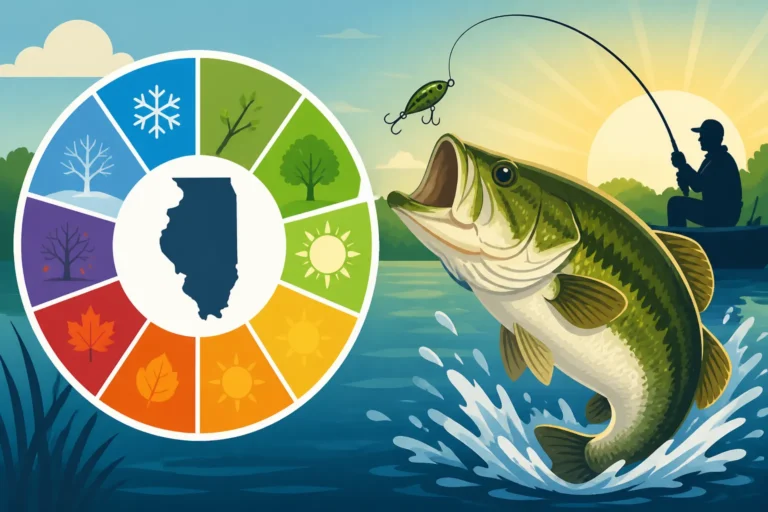
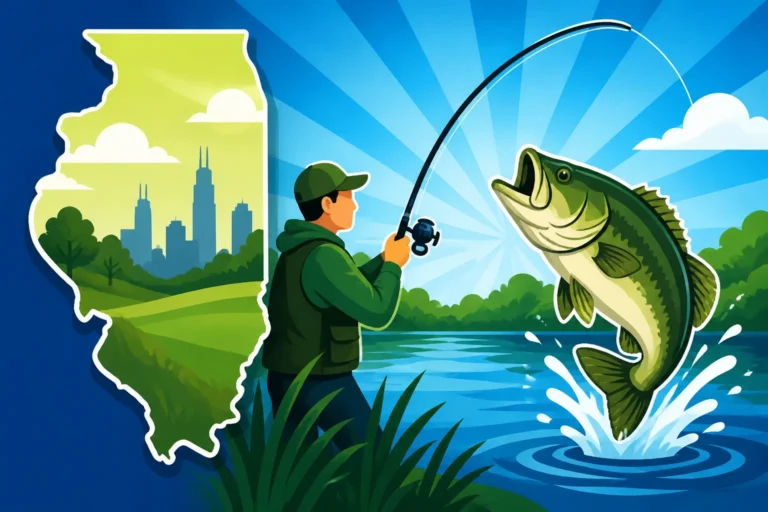
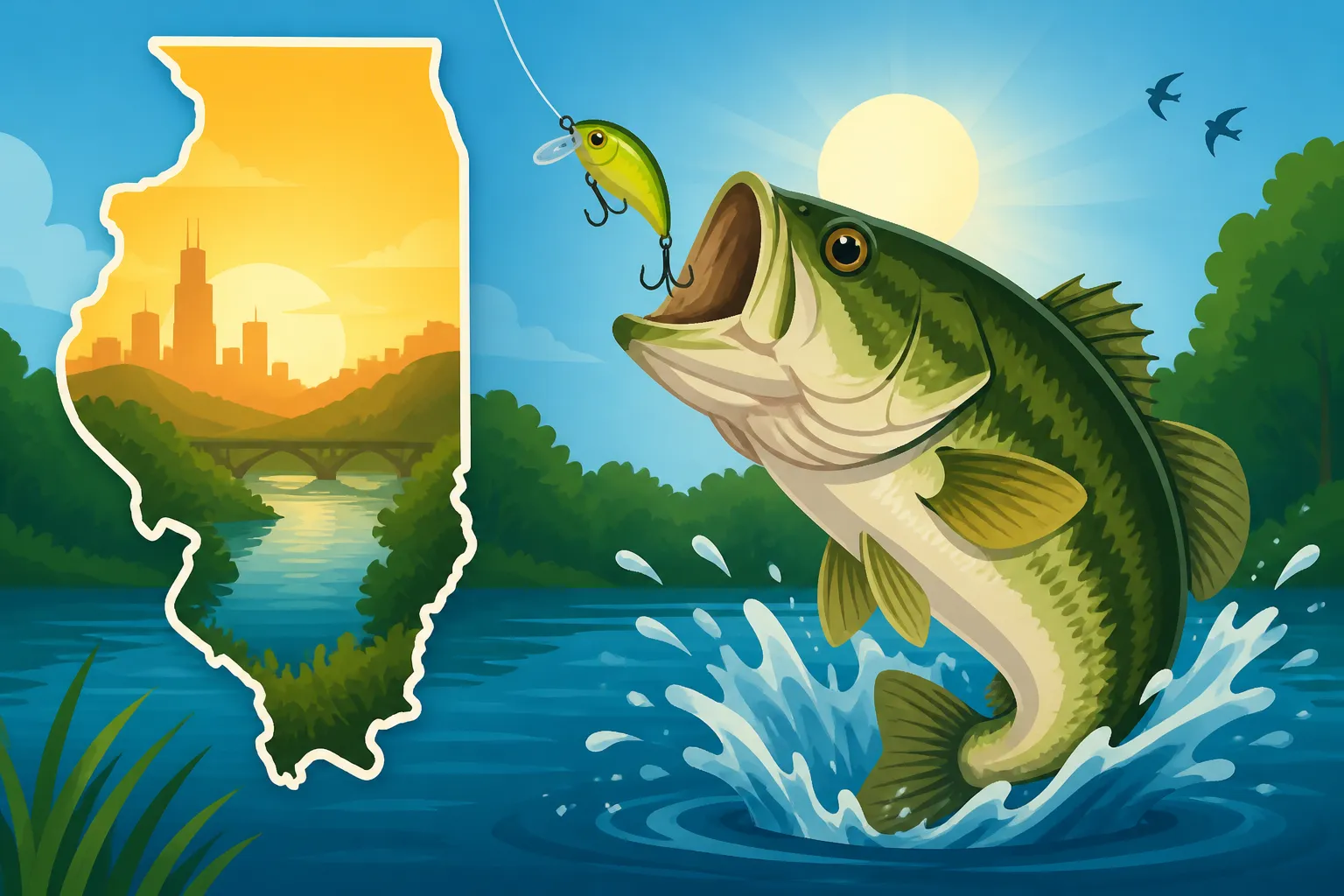
Without a doubt, June is prime time for both largemouth and smallmouth bass in Illinois. The majority of bass have finished their spawning duties by this point, and their instincts shift fully to feeding. They're looking to pack on weight, making them incredibly aggressive. You’ll often find them lurking around cover like weed lines, submerged timber, rock piles, and points, especially those adjacent to deeper water where they can retreat when the sun is high. Early mornings and late evenings can be phenomenal for topwater action, while during the brighter, hotter parts of the day, they'll often hold tighter to cover or in deeper breaks. If you're interested in refining your techniques, our guide on Summer Bass Fishing Patterns offers excellent advice.
For largemouth, think about throwing crankbaits, spinnerbaits, plastic worms, and jigs around structure. Soft plastics rigged Texas or Carolina style are incredibly effective for working through weeds and brush. Smallmouth bass, found more commonly in rocky rivers and clearer northern Illinois lakes, will hammer small crankbaits, tubes, and finesse jigs. They often school up in June, so if you find one, there are likely more nearby. Remember that bass in June can be anywhere from just off the bank in low light to 15-20 feet deep during midday.
Channel and Flathead Catfish Feast
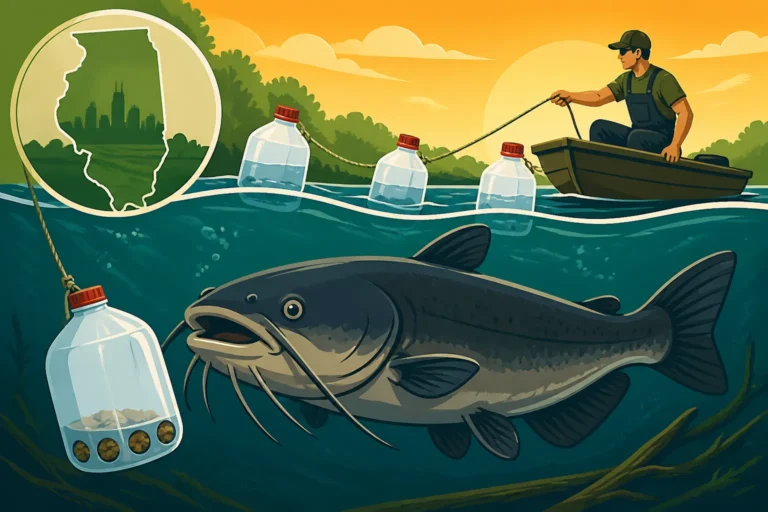
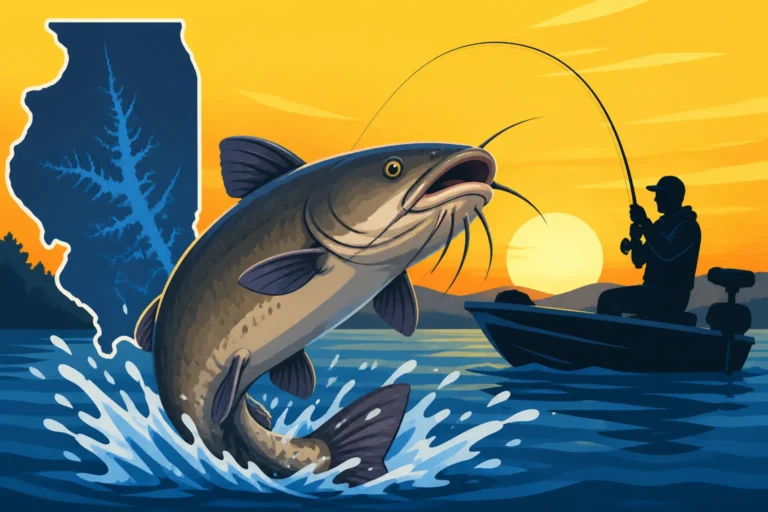
If there's one species that absolutely thrives in the warm waters of June, it's catfish. Channel catfish, in particular, become incredibly active. They'll be on the prowl in rivers, lakes, and even farm ponds, often moving into shallower feeding flats during low light and retreating to deeper channels or holes during the day. Flathead catfish, the ambush predators, also become more active as their preferred live baits are readily available. June is a fantastic month to target monster flatheads, especially on larger river systems like the Mississippi or Illinois Rivers. Our guide to the Best Catfish Fishing Spots in Illinois can point you towards some prime locations.
Catfish are less concerned about the heat than many other species and are often willing biters throughout the day, though the bite usually picks up significantly as evening approaches and continues strong into the night. They're opportunistic eaters, so a wide range of baits can be effective. We'll dive into specific baits and techniques shortly, but just know that if you're looking for consistent action and a strong fight, June is the month to chase whiskers.
Panfish Prowess: Crappie and Bluegill
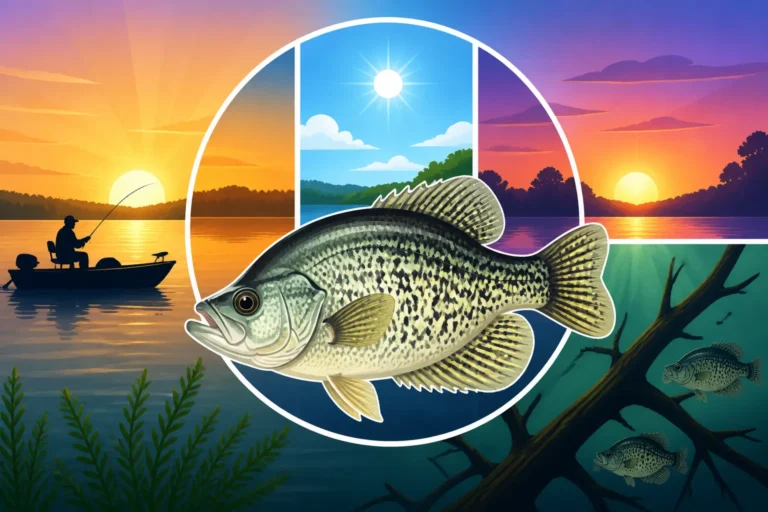
Crappie and bluegill might be past their peak spring spawn, but they remain incredibly active and cooperative targets throughout June. As water temperatures stabilize, they often school up around specific types of cover, making them easier to locate. Crappie will typically move out of the super shallow spawning pockets and relate to deeper brush piles, submerged timber, bridge pilings, and creek channel drop-offs in 8-15 feet of water. If you want to find the best spots, explore our guide on Best Crappie Fishing Lakes in Illinois.
Bluegill, on the other hand, might have multiple spawning waves throughout the summer, so you can still find them on beds in June, particularly in the northern parts of the state or in deeper lakes. Otherwise, they'll congregate around weed lines, lily pads, docks, and other shallow cover, often in slightly shallower water than crappie. Both species are fantastic for family fishing trips and offer consistent action, often requiring light tackle for maximum fun. Look for areas with a good food source and plenty of cover, and you're likely to find a healthy population of panfish.
Walleye and Northern Pike in Warming Waters
While not as widespread as bass or catfish, walleye and northern pike offer excellent opportunities in June, especially in specific bodies of water. Walleye, often found in larger lakes and rivers like the Mississippi River, will move to deeper structures such as humps, points, and channel edges. They often prefer cooler water than bass, so targeting them requires a bit more precision in June. They'll feed heavily during low light conditions (dawn and dusk) and on cloudy days, but can also be caught midday by targeting deep, dark water. Our comprehensive guide, Illinois Walleye Fishing: The Complete Guide, provides a wealth of information for these toothy predators.
Northern pike, with their preference for cooler, vegetated waters, can still be found in June, especially in the northern Illinois lakes. They'll often ambush prey from thick weed beds, fallen timber, or around submerged islands. Like walleye, they are often most active during periods of lower light or on overcast days. Trolling or casting large spoons, spinnerbaits, and swimbaits along weed edges can be highly effective for pike. These fish provide an exciting fight and are a rewarding catch for anglers looking for something a bit different than the typical bass or catfish.
Essential Techniques and Prime Locations for June Success
Knowing what fish are biting is only half the battle; the other half is knowing how to catch them and where to find them. June's conditions require adaptable strategies, often focusing on precise presentations and understanding fish movements related to temperature and cover.
Best Baits and Lures for Each Species
Choosing the right bait or lure can make all the difference in June. Here's a rundown of what generally works best for the most active species:
-
Largemouth and Smallmouth Bass:
- Topwater Lures: Poppers, walk-the-dog baits, and frogs are fantastic during low light conditions (dawn, dusk, cloudy days) around shallow cover.
- Crankbaits: Medium to deep-diving crankbaits in shad or crayfish patterns are excellent for covering water and triggering strikes off points, humps, and ledges.
- Soft Plastics: Texas-rigged or Carolina-rigged worms, creature baits, and senkos are go-to choices for working through vegetation or pitching to specific cover. Green pumpkin, black and blue, or junebug colors are often reliable. You can find a vast selection of these versatile lures on Amazon.
- Jigs: Flipping jigs with plastic trailers into heavy cover, or football jigs dragged along rocky bottoms, can entice bigger bass.
- Spinnerbaits & Chatterbaits: Effective for fishing weed lines and patchy grass.
-
Channel and Flathead Catfish:
- Channel Cats: Cut bait (shad, herring), chicken livers, shrimp, nightcrawlers, and various stink baits or dough baits are all excellent. Prepared baits from brands like Amazon are also popular and readily available for convenience.
- Flathead Cats: Live bait is king here. Large live minnows, bluegill, or other small sunfish are deadly when fished near fallen trees, log jams, or deep holes. For detailed tactics, check out Best Live Bait for Flathead Catfish.
-
Crappie and Bluegill:
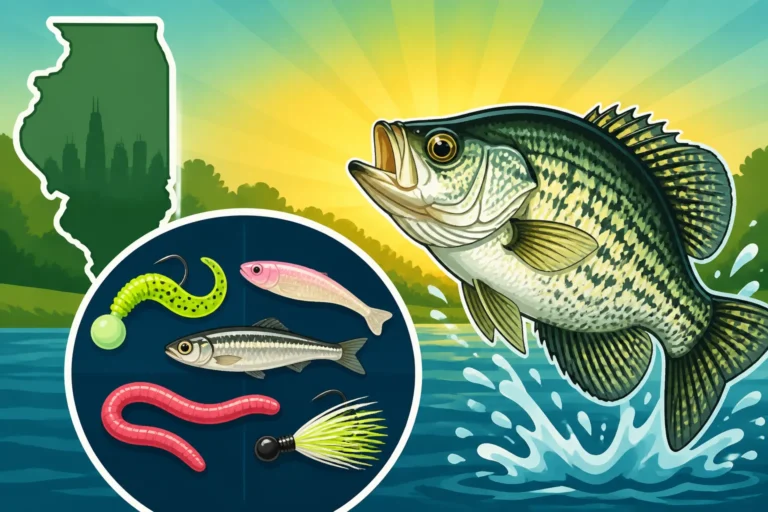
- Crappie: Small jigs (1/16 to 1/32 oz) tipped with a minnow or small plastic grub (chartreuse, white, black/chartreuse) fished under a bobber or slowly retrieved around brush piles.
- Bluegill: Small jigs, crickets, red worms, or wax worms fished under a bobber near weed lines, docks, or lily pads. A simple setup with a bobber and a hook baited with a worm is tough to beat.
-
Walleye and Northern Pike:
- Walleye: Live minnows or leeches fished on a jig or under a bobber, deep-diving crankbaits (especially when trolling), blade baits, and jigging spoons are effective.
- Northern Pike: Large spinnerbaits, spoons (silver, gold, five of diamonds), swimbaits, and large lipless crankbaits retrieved quickly along weed edges or over submerged structure.
Where to Target Your Catch: From Lakes to Rivers
Finding the fish in June often means thinking about depth and cover. Here are some general location strategies:
-
Major Lakes and Reservoirs (e.g., Rend Lake, Carlyle Lake, Lake Shelbyville):
- Bass: Look for main lake points, submerged humps, deep weed lines, offshore brush piles, and areas with submerged timber. During low light, they might push up shallower near docks or shoreline cover.
- Catfish: Deep river channels within the lake, main lake points with access to deep water, rip-rap along dams or causeways, and creek arms. Overnight, they may move onto shallow flats to feed.
- Crappie: Suspended over creek channels, submerged brush piles (often placed by anglers), and standing timber. Pay attention to fish finders for schools.
- Walleye: Main lake points, humps, offshore rock piles, and deep ledges. Trolling can be very effective here.
-
Rivers and Smaller Waterways (e.g., Mississippi River, Illinois River, Kankakee River):
- Bass: Current breaks like eddies, wing dams, bridge pilings, and rocky shorelines. Smallmouth will be very active in rocky, flowing sections.
- Catfish: Deep holes, log jams, tributary mouths, and the slower, deeper sections of the river. For bottom fishing, our guide on Catfish Bottom Fishing Techniques provides great insights. The Illinois Fishing Regulations Overview will also detail any specific river rules.
- Walleye & Sauger: Deep current seams, wing dams, rock piles, and downstream of locks and dams. They often prefer areas with a moderate current.
- Panfish: Backwater sloughs, calmer pockets out of the main current, and areas with dense submerged vegetation.
-
Local Ponds and Strip Pits:
- These smaller bodies of water can be excellent in June, especially for bass, bluegill, and channel catfish. They warm up quickly but also provide ample cover. Look for weed lines, lily pads, fallen trees, and any deeper sections. These are often great for bank fishing or kayak fishing. Even without complex electronics, observant anglers can find consistent success here. For any specific pond, checking if Does a Fishing License Cover Private Ponds Too? is good practice, though typically public access waters will apply.
Remember, fish are constantly on the move, so be prepared to experiment with depths and presentations. Sometimes a subtle change in retrieve speed or bait color can unlock the bite.
June Fishing Targets at a Glance
Here's a quick reference table to help you plan your June fishing adventures in Illinois:
| Species | Typical June Habitat | Top Baits/Lures | Prime Fishing Times |
|---|---|---|---|
| Largemouth Bass | Deep weed lines, offshore structure, timber | Crankbaits, soft plastics (worms, creature baits), jigs, topwater (early/late) | Early AM, late PM, Overcast |
| Smallmouth Bass | Rocky rivers, clear lake points, current breaks | Tubes, small crankbaits, finesse jigs, hair jigs | Early AM, late PM, Overcast |
| Channel Catfish | River channels, deep holes, lake flats, rip-rap | Cut bait, chicken liver, stink baits, nightcrawlers | Evening, Night, All day |
| Flathead Catfish | Log jams, deep river holes, heavy cover | Large live minnows, sunfish, bluegill | Evening, Night |
| Crappie | Deep brush piles, submerged timber, creek channels | Small jigs (tipped with minnow/grub), small crankbaits | Early AM, late PM, All day |
| Bluegill | Weed lines, lily pads, docks, shallow cover | Crickets, red worms, wax worms, small jigs, small poppers (surface) | All day, especially midday |
| Walleye | Deep humps, points, channel edges, current seams | Live minnows/leeches, deep-diving crankbaits, blade baits, jigs | Low light, Night, Overcast |
| Northern Pike | Thick weed beds, submerged timber, cool water | Large spinnerbaits, spoons, swimbaits, large minnows | Early AM, late PM, Overcast |
June truly offers a diverse array of fishing opportunities across Illinois. From the aggressive post-spawn bass to the always-hungry catfish, and even the reliable panfish, there’s something for every angler. Just remember to adapt to the changing water temperatures and keep an eye on the clock for those prime feeding windows. Good luck out there, and tight lines!
Disclaimer
Please note that fishing conditions, regulations, and fish behavior can vary. Always consult the latest Illinois Department of Natural Resources (IDNR) fishing regulations guide before heading out. This guide provides general information and recommendations based on typical patterns. Local conditions, weather, and specific water bodies may require different approaches. Stay safe and respect the environment.