Illinois Fishing Season Calendar by Species
Trying to figure out when to target your favorite fish in Illinois can feel like navigating a maze. One minute you're thinking about bass, the next you're wondering if crappie are biting, and then you remember there are different rules for salmon on Lake Michigan! This guide is here to untangle that confusion, providing a clear, species-by-species rundown of the best times to fish across our diverse Illinois waters.
Understanding Illinois' Fishing Season Philosophy
Before we dive into the specifics, it's really helpful to grasp the general approach Illinois takes to fishing seasons. Unlike some states that have strict "open" and "closed" dates for many species, Illinois often operates on a more fluid system, especially for panfish and common sportfish. However, don't let that fool you into thinking there are no rules; understanding the nuances is key to a successful and legal outing.
The Illinois Fishing License Year vs. Biological Seasons
One of the first things new anglers, and even some seasoned ones, get tripped up on is the difference between the actual license year and the biological seasons for fish. Your fishing license in Illinois is typically valid from April 1st through March 31st of the following year. This means you need to renew your license annually, usually around springtime, to ensure you're covered for the upcoming fishing year. You can find more details on How the Illinois License Year Works.
However, the "fishing season" for a particular species isn't always tied to these calendar dates. Instead, it's largely influenced by the fish's natural life cycle, including spawning periods, feeding patterns, and migratory movements. While you might legally be able to fish for largemouth bass year-round, there are definitely better times to target them based on when they're most active and catchable. It's less about a strict "open season" and more about understanding peak activity periods. For example, while the season is always "open" for many species, you might find that fishing for bluegill is fantastic in late spring when they're on their beds, but slows down considerably in the dead of winter.
Statewide Rules and Site-Specific Exceptions
This is perhaps the most critical piece of the puzzle: Illinois has statewide fishing regulations, but almost every major lake, river, or reservoir will have its own set of site-specific rules. These exceptions can include different minimum length limits, daily creel limits (how many fish you can keep), and even specific "catch-and-release only" periods. You might be able to keep six bass over 14 inches statewide, but then visit a local lake that has a 12-15 inch protected slot limit, meaning you can't keep fish within that size range.
It's a common frustration to drive an hour to a new spot, only to find out the rules are totally different from what you expected. This is why always checking the Illinois Department of Natural Resources (IDNR) Fishing Information Guide for the specific body of water you plan to fish is non-negotiable. They update it annually, and it's your best friend for staying legal and informed. Remember, the game warden isn't going to care that you didn't know; ignorance of the law is not an excuse. This guide focuses on general seasonal patterns, but please, always verify site-specific regulations! For a broader understanding, check out Why Fishing Rules Vary by Lake and River.
A Species-by-Species Look at Illinois Fishing Seasons
Alright, let's get into the good stuff – when to actually go out and catch some fish! While many species can be caught year-round, certain seasons offer peak opportunities due to spawning, feeding frenzies, or specific weather conditions.
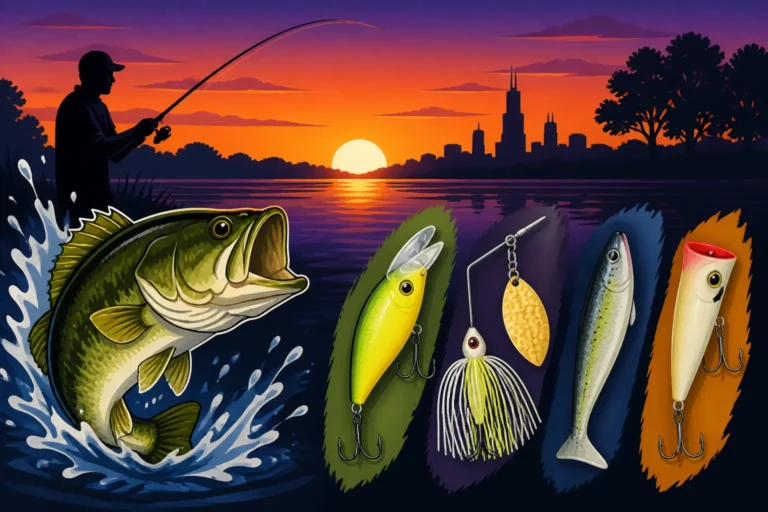
Largemouth and Smallmouth Bass
Illinois is a fantastic state for bass anglers, whether you prefer the chunky largemouth or the feisty smallmouth. Their seasons, while technically open year-round, follow predictable patterns.
- Pre-Spawn (Late March – April): This is often considered one of the best times to catch big bass. As water temperatures rise into the 50s Fahrenheit, bass move from their deeper winter haunts to shallower areas, gorging themselves in preparation for spawning. They're aggressive and often concentrated. Think about targeting early season hotspots on Illinois Bass Pre-Spawn Fishing Patterns.
- Spawn (May – Early June): When water temperatures hit the low to mid-60s, bass move onto their beds to spawn. While you can catch them, many anglers practice catch-and-release during this sensitive time to protect the population. Targeting bass directly on their beds is legal but often considered unethical by some. During this period, bass are focused on reproduction, not feeding.
- Post-Spawn (Mid-June – Early July): After the rigors of spawning, bass can be a bit lethargic but quickly transition into aggressive feeding as they recover. They'll often hang out in slightly deeper water near cover. This can be a great time to catch them as they regain their energy.
- Summer (July – August): As water temperatures soar, bass typically move to deeper, cooler water or seek refuge in heavy cover, like thick weeds or laydowns. Early mornings, late evenings, and night fishing become prime. Deeper crankbaits, jigs, and Texas rigs are go-to baits.
- Fall (September – October): Another fantastic time for bass! As water temperatures cool, bass become very active, feeding heavily to build up fat reserves for winter. They often move shallower again, chasing baitfish. This can be a prime time for topwater action in the mornings and cranking shallow cover during the day.
- Winter (November – March): Bass activity slows dramatically. They typically move to deeper parts of lakes or rivers, often suspending or holding tight to structure. Slow presentations with jigs, spoons, or blade baits can entice bites, especially on warmer winter days.
Crappie
Crappie are arguably one of the most popular panfish in Illinois, especially known for their spring "slabs."
- Spring Spawn Frenzy (Late April – May): This is the time for crappie! When water temperatures hit the mid-50s to low-60s, both black and white crappie move into shallow water to spawn. They'll be found around submerged brush, fallen trees, docks, and lily pads. Minnows under a bobber or small jigs are deadly. This period offers some of the easiest and most abundant catches. Dive deeper into this prime time with our Illinois Crappie Spawn Season Guide.
- Summer (June – August): Crappie move to deeper, cooler water, often suspending over brush piles, submerged timber, or bridge pilings. They can be found in 10-20 feet of water or more. Targeting them requires good electronics and patience, but slabs can still be caught.
- Fall (September – October): Similar to bass, crappie will become more active in the fall as water temperatures cool. They often move back shallower, feeding heavily on baitfish, making them easier to locate and catch.
- Winter (November – March): Crappie remain in deeper water, often schooling tightly around structure. Ice fishing for crappie can be excellent in northern Illinois, using small jigs or minnows. In open water, vertical jigging over brush piles is the ticket.
Walleye and Sauger
These delicious cousins are highly sought after, and their seasons are often linked to river systems.
- Spring River Runs (March – April): This is the prime time for walleye and sauger on major river systems like the Mississippi and Illinois Rivers. As water temperatures rise, they migrate upstream to spawn, concentrating in current breaks, tailraces below dams, and tributary mouths. Jigging with minnows or soft plastics, or trolling crankbaits, are effective. Check out the Illinois Walleye Fishing Season on the Mississippi River for specific insights.
- Post-Spawn to Summer (May – August): After spawning, walleye disperse into deeper sections of rivers and lakes. They become more challenging to locate but can be caught by trolling crankbaits along contours, jigging points, or using bottom-bouncing rigs with live bait.
- Fall (September – November): As water temperatures drop, walleye become more active again, feeding aggressively. They can be found moving into shallower flats and humps, especially in the evenings, making this a great time for casting crankbaits or jigging.
- Winter (December – February): Walleye activity slows. They often hold in deeper pools in rivers or suspend in lakes. Ice fishing can be productive for walleye in northern Illinois, using jigging spoons or tip-ups with live bait.
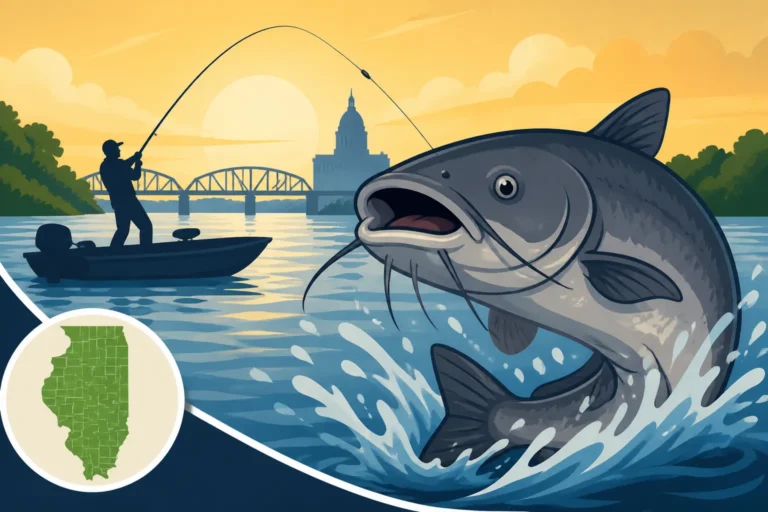
Catfish (Channel, Blue, Flathead)
Catfish are available virtually year-round, but summer nights are truly legendary for these bottom dwellers.
- Spring (April – May): As water temperatures rise, catfish become active after their winter sluggishness. They move into shallower areas, especially mud flats and channel edges, feeding on anything they can find.
- Summer Peak (June – August): This is prime time for all three major catfish species in Illinois. The warm water makes them incredibly active and aggressive. They feed day and night, making this the ideal season for trotlines, jug fishing, and bank fishing with smelly baits. Blue and channel catfish thrive in the summer heat. This is when the action really heats up, as discussed in the Illinois Catfish Season Guide.
- Fall (September – October): Catfish continue to feed heavily as they prepare for winter. They can often be found in deeper holes or channel bends, especially in rivers.
- Winter (November – March): Catfish congregate in deep holes in rivers and lakes, often in large schools. While their metabolism slows, they can still be caught by vertical jigging or slow-drifting cut bait in their wintering holes.
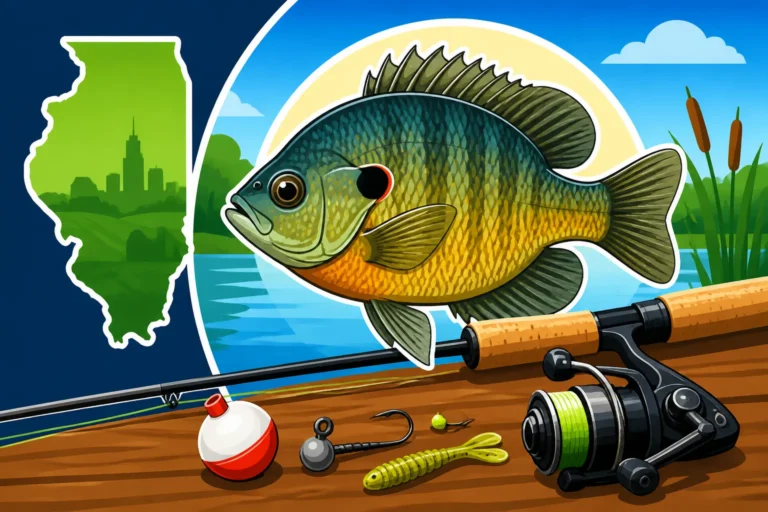
Panfish (Bluegill, Redear Sunfish)
Bluegill and redear are fantastic year-round targets, especially for beginners and families, but they really shine in the spring and early summer.
- Spring (May – Early June): This is the best time for panfish. When water temperatures reach the upper 60s, bluegill and redear move into shallow water (1-3 feet deep) to build circular "beds" and spawn. They are aggressive and easy to catch on small jigs, worms, or crickets. This is the ultimate kid-friendly fishing season, and a great opportunity to stock up a cooler.
- Summer (June – August): Panfish move to slightly deeper water or seek shade under docks and lily pads. They're still catchable, especially in the mornings and evenings, but may require a bit more effort to locate.
- Fall (September – October): Like other species, panfish will feed actively in the fall, often schooling up. They can be found in various depths, from shallow weed lines to deeper brush piles.
- Winter (November – March): Panfish move to deeper water, often schooling in large numbers. They are excellent targets for ice fishing, responding well to small jigs tipped with wax worms or spikes.
Northern Pike and Muskie
These toothy predators prefer cooler water, making spring and fall their prime seasons.
- Spring (April – May): As ice melts and water temperatures remain cool (40s-50s), pike and muskie become very active, feeding heavily after winter. They'll be found around shallow cover and weed lines.
- Summer (June – August): Pike and muskie move to deeper weed edges or cooler sections of lakes and rivers. They can still be caught, but often require larger baits and more patience. Trolling large lures can be effective.
- Fall (September – November): This is arguably the best time for trophy pike and muskie. They undergo a major feeding spree (the "fall turnover bite") as water temperatures drop into the 50s and 40s. They gorge on baitfish, making them highly susceptible to large bucktails, crankbaits, and jerkbaits. Many anglers plan their trips for this season.
- Winter (December – March): Pike can be targeted through the ice, often on tip-ups with large shiners. Muskie activity slows considerably, making them a very challenging winter target, though not impossible.
Trout and Salmon (Lake Michigan and Inland Stocked Waters)
Illinois offers a unique opportunity for trout and salmon, both in Lake Michigan and in periodically stocked inland lakes and streams.
- Lake Michigan Salmon and Trout:
- Coho Salmon (Spring: March – May): The spring coho run is legendary. As waters warm slightly, coho move nearshore, making them accessible to pier anglers and boaters. Trolling with small spoons or plugs is very effective.
- Chinook Salmon (Summer/Fall: July – September): Chinook are present throughout the summer, but the "king salmon" really turn on in late summer and fall as they stage for their spawning run. This is when the biggest fish are caught, often by trolling with downriggers. Check Best Months for Lake Michigan Salmon Fishing in Illinois.
- Lake Trout (Year-round, peaks Spring/Fall): Lake trout are deep-water dwellers, but can be caught year-round. Spring and fall offer good opportunities when they are shallower.
- Brown Trout and Rainbow Trout (Year-round, peaks Spring/Fall): Brown and rainbow trout (steelhead) are often caught incidentally while targeting salmon. Spring and fall nearshore action can be good, especially for steelhead returning to rivers or staging near piers.
- Inland Stocked Trout:
- Spring and Fall Catchable Trout Seasons (Typically April and October): The IDNR stocks various lakes and streams across the state with catchable rainbow trout. These "seasons" are highly anticipated and attract many anglers. A special Illinois Inland Trout Stamp Requirements is often needed in addition to a regular fishing license. Dates are announced annually. These fish are typically eager to bite on power bait, corn, or small spinners.
Here's a quick reference table for general peak seasons for popular Illinois species:
| Species | Winter (Dec-Feb) | Spring (Mar-May) | Summer (Jun-Aug) | Fall (Sep-Nov) | Notes |
|---|---|---|---|---|---|
| Largemouth Bass | Slow, deep | Excellent | Good (dawn/dusk) | Excellent | Pre-spawn & Fall feeding are prime. |
| Smallmouth Bass | Slow, deep | Excellent | Good (rivers) | Excellent | River runs in cool water are key. |
| Crappie | Good (ice fishing) | Phenomenal | Moderate | Good | Spring spawn is legendary. |
| Walleye/Sauger | Moderate (ice, deep) | Excellent | Good (trolling) | Excellent | Spring river runs are prime. |
| Channel Catfish | Slow, deep | Good | Excellent | Good | Summer nights are best. |
| Blue Catfish | Slow, deep | Good | Excellent | Good | Found in larger rivers; big summer fish. |
| Flathead Catfish | Very slow | Good | Excellent | Good | Live bait preferred; aggressive in summer. |
| Bluegill/Sunfish | Good (ice fishing) | Phenomenal | Good (shade) | Good | Easy for kids; spring beds are best. |
| Northern Pike | Good (ice fishing) | Excellent | Moderate | Excellent | Cooler water predators. |
| Muskie | Very slow | Excellent | Moderate | Excellent | Trophy fish; fall feeding frenzy. |
| Lake Michigan Trout/Salmon | Moderate (some species) | Excellent | Good (deep trolling) | Excellent | Coho in spring, Chinook in late summer/fall. |
| Inland Stocked Trout | N/A | Excellent | N/A | Excellent | Specific IDNR announced seasons. |
Key Factors Influencing Illinois Fish Seasons
Beyond just calendar dates, several environmental factors heavily influence fish activity and, by extension, your chances of success. Understanding these can help you adapt your approach no matter the time of year. If you're looking for broader strategies, consider our guide on the Best Time to Fish in Illinois.
Water Temperature and Fish Behavior
This is perhaps the single most critical factor for freshwater fish. Each species has a preferred temperature range for feeding, spawning, and general activity. When the water hits that "sweet spot," fish become more active and aggressive.
- Warm-Up Period (Spring): As winter ice melts and water temperatures slowly climb, fish like bass and crappie begin to move shallower and feed actively. This warming trend is what triggers the pre-spawn bite and eventually the spawn itself. You can often see this directly reflected in fish behavior.
- Summer Heat: Once water temperatures get too high (e.g., above 80-85°F for bass), many species become lethargic and seek cooler, deeper water or dense shade. They might feed, but often during the coolest parts of the day, like dawn, dusk, or night.
- Cool-Down Period (Fall): The reverse happens in fall. As water temperatures drop from their summer highs, fish sense the approaching winter and go on a feeding binge to build fat reserves. This makes them extremely aggressive and easier to catch. Knowing the Water Temperature and Fish Activity Guide can make a huge difference in your success.
- Winter Cold: In winter, fish metabolism slows way down. They conserve energy and often school tightly in deep holes or under ice. Presentations need to be much slower and more subtle to entice a bite.
Weather Patterns and Their Impact
Don't underestimate the power of the weather! A sudden cold front, a string of rainy days, or changes in barometric pressure can drastically alter fishing conditions.
- Cold Fronts: A strong cold front often brings high pressure and clear skies, making fish less active and harder to catch. They might move deeper or become very finicky. It can be a real grind to get bites after a front passes.
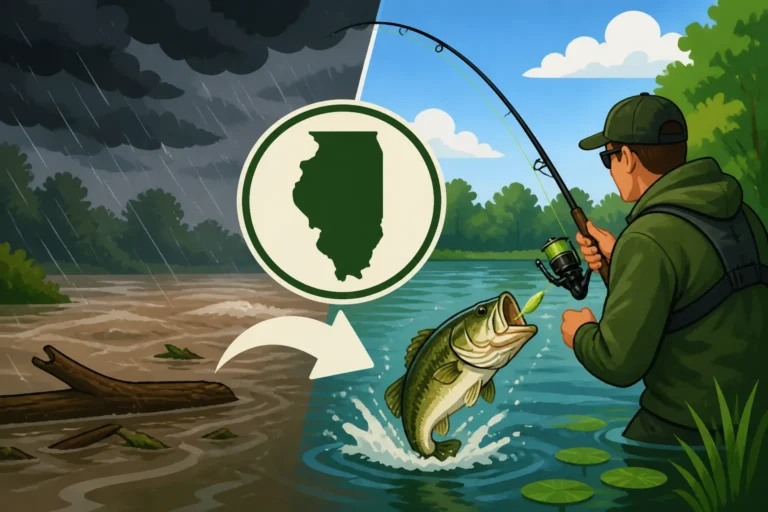
- Rain and Overcast Days: Light rain or overcast conditions often improve fishing by reducing light penetration, making fish feel safer to move and feed. Heavy rain can muddy waters, which might turn off sight-feeding fish but can activate species like catfish that rely on smell.
- Barometric Pressure: A falling barometer (indicating an approaching storm) often correlates with increased fish activity, as fish sense the change and may feed more aggressively before the weather hits. Conversely, a rising or stable high barometer often means tougher fishing.
- Wind: A moderate chop on the water can break up the surface, making it harder for fish to see you and often activating baitfish, which in turn activates predators. However, strong winds can make boat control and casting extremely difficult. You might find some excellent deals on weather-resistant fishing gear on Amazon to help you brave the elements.
Forage and Migration
Fish follow their food! The availability and movement of baitfish, insects, and other forage play a huge role in where and when you'll find your target species.
- Baitfish Movements: In spring, when shad or minnows move into shallower water, predatory fish like bass and walleye will follow. In fall, as baitfish school up in open water, larger predators will gather for a feast. Observing baitfish activity, either visually or with a good fish finder (available on Amazon), can give you valuable clues.
- Insect Hatches: For panfish and trout, insect hatches (like mayflies or caddisflies) can trigger intense feeding frenzies. Knowing when these hatches occur can lead to incredible action, especially for fly anglers.
- Spawning Migrations: We've already touched on this, but species like walleye and sauger make significant upstream migrations in rivers to spawn. Similarly, salmon and trout in Lake Michigan make their spawning runs towards specific harbors and rivers in the fall, creating distinct fishing opportunities for those willing to brave the chilly waters. Quality cold-weather fishing apparel, often found on Amazon, can make a world of difference during these runs.
Disclaimer
Please note: This article provides general information about Illinois fishing seasons. Fishing regulations, including license requirements, catch limits, and size restrictions, are subject to change by the Illinois Department of Natural Resources (IDNR). It is always the angler's responsibility to consult the most current official IDNR Fishing Information Guide for the specific waters they intend to fish before heading out. Failure to do so could result in penalties. This content is for informational purposes only and does not constitute legal advice.