Illinois Catfish Season Guide
Oh, the Illinois catfish! There's nothing quite like the thrill of feeling that distinct tug on your line, signaling a powerful whiskered warrior on the other end. But if you're like most anglers, you’ve probably scratched your head trying to figure out the best time to hit the water for these awesome fish. It’s not just about throwing a line in and hoping for the best; the catfish season in Illinois has its nuances, from species-specific behaviors to water temperature shifts. This comprehensive guide will take a deep dive into every aspect of Illinois's catfish season, helping you understand when, where, and how to successfully target these incredible bottom dwellers throughout the entire year.
Illinois's Majestic Catfish: Species and Their Habits
Before we even talk about seasons, it's crucial to understand who we're chasing. Illinois is home to several fantastic catfish species, and while they share some common traits, their habits and preferences can vary significantly, influencing when and how you target them. Knowing the difference between them can be the key to filling your cooler or landing that trophy fish.
Channel Catfish: The Widespread Favorite
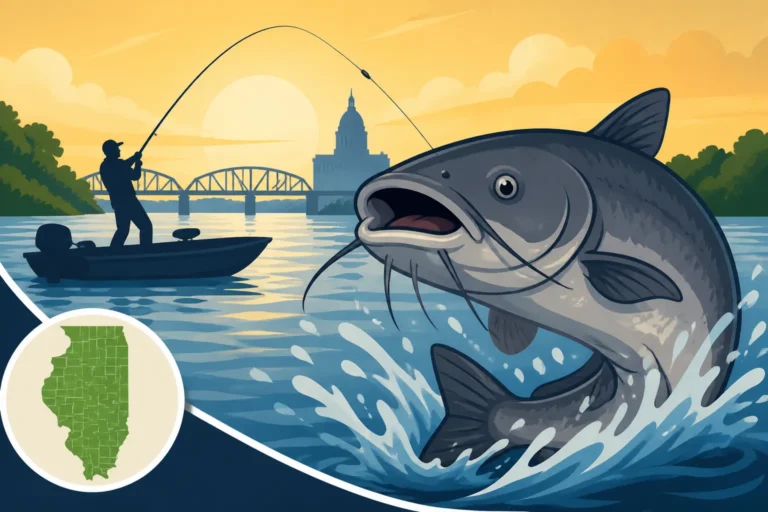
The Channel Catfish is arguably the most popular and widespread catfish species across Illinois. You can find them in nearly every river, lake, and even larger ponds in the state. They're often recognized by their deeply forked tail, spotted sides (especially when young), and smooth, scale-less skin. What makes them such a favorite is their aggressive feeding habits and willingness to bite a variety of baits. They don't typically grow to the massive sizes of their blue and flathead cousins, but a 5-10 pound channel cat puts up a fantastic fight and makes for excellent table fare. Their diet is incredibly varied, making them somewhat easier to catch throughout different seasons, as long as you match your bait to their current foraging patterns. When thinking about Illinois Catfish Daily Limits Explained, channel cats are often the species anglers refer to first.
Channel cats are omnivorous scavengers, meaning they’ll eat almost anything. This includes smaller fish, crayfish, insects, mussels, and plenty of decaying organic matter. They have an incredible sense of smell, which is why stink baits, cut baits, and even cheese baits are so effective. Their metabolism is highly tied to water temperature, becoming incredibly active in warmer water and slowing down considerably as temperatures drop. This directly impacts their seasonal behavior, making them more predictable during the warmer months but still catchable with the right approach in colder conditions. You'll find their activity peaking during the warmer parts of the year, but they offer opportunities almost year-round.
Blue Catfish: The River Monsters
If you're dreaming of truly massive catfish in Illinois, the Blue Catfish is your target. These beasts are primarily found in the larger rivers of the state, most notably the Mississippi River and its major tributaries like the Illinois River. They are often confused with channel cats, but blue cats have a more distinct hump on their back, a straighter anal fin, and generally lack the spots. Most importantly, they grow much larger, with state records pushing well over 100 pounds. Targeting blue catfish requires heavier gear and a different approach, often focusing on fresh cut bait in deeper, moving water.
Blue catfish are primarily piscivorous, meaning they prefer to eat other fish. Fresh cut bait from shad, carp, or even herring is usually the go-to. Unlike channel cats, they don't respond as well to stink baits or prepared baits. They prefer deep holes, scour pits, and current breaks in large river systems. Their sheer size and power make them an incredible challenge, and landing one is a truly memorable experience. When you're considering Mississippi River Catfish Fishing in Southern Illinois, it's often the blue catfish that anglers are talking about when they discuss trophy potential. Their seasonal movements are often dictated by river currents and baitfish migration, requiring anglers to adapt to changing conditions.
Flathead Catfish: Ambush Predators of the Depths
The Flathead Catfish is another formidable species found in Illinois's larger river systems and some of its biggest reservoirs. Easily identifiable by its flattened head (hence the name), small eyes, and long, protruding lower jaw, the flathead is a true ambush predator. Unlike channel and blue cats, flatheads overwhelmingly prefer live bait. They are territorial and will often hold tight to structure like log jams, rock piles, or submerged trees, waiting for an unsuspecting meal to swim by. This distinct feeding preference means that your bait choice and presentation for flatheads will differ significantly from other catfish species.
Targeting flatheads requires patience and often a more refined strategy. You'll want to use strong, lively baits like green sunfish, bluegill, or bullheads. Presenting these baits near heavy cover in current is key. They are less prone to chasing down food and prefer to let it come to them, making precise bait placement critical. While they don't school like channel or blue cats, finding one good flathead spot often means there are others nearby. Their nocturnal feeding habits are also legendary, with many trophy flatheads caught after dark. Learning Flathead Catfish Fishing Tips for Illinois Anglers is essential for anyone hoping to tackle these powerful, reclusive fish.
Decoding the Illinois Catfish Season: A Year-Round Pursuit
Many people think of "fishing season" as a specific window, but for catfish in Illinois, it's more of a year-round affair with distinct peaks and valleys. Understanding these seasonal shifts is crucial for consistent success, helping you know when to fish, what techniques to use, and where to find them.
The Official Illinois Fishing License Year
First things first, let's talk about the administrative side of things. The Illinois fishing license year actually begins on March 1st and runs through February 28th (or 29th in a leap year) of the following year. This means that if you're planning your spring fishing trips, you'll need to make sure your license is up to date. You can easily purchase or renew your license online through the Illinois Department of Natural Resources (IDNR) website or at various vendors like bait shops and sporting goods stores. Knowing Illinois Resident Annual Fishing License Cost can help you budget for your angling adventures. Don't forget that this applies to all species, not just catfish, so staying compliant ensures you can enjoy all the angling opportunities Illinois has to offer.
Even though the license year starts in March, it doesn't mean catfish activity immediately goes into overdrive. Fish, being cold-blooded creatures, are more attuned to water temperature than calendar dates. However, getting your license early means you're prepared for those first warm spells of spring when the bite can suddenly turn on. It's always a good idea to check out the full Illinois Fishing License Guide for 2026 to ensure you're squared away before you head out, especially if you're new to the state or haven't fished in a while.
Understanding Seasonal Shifts
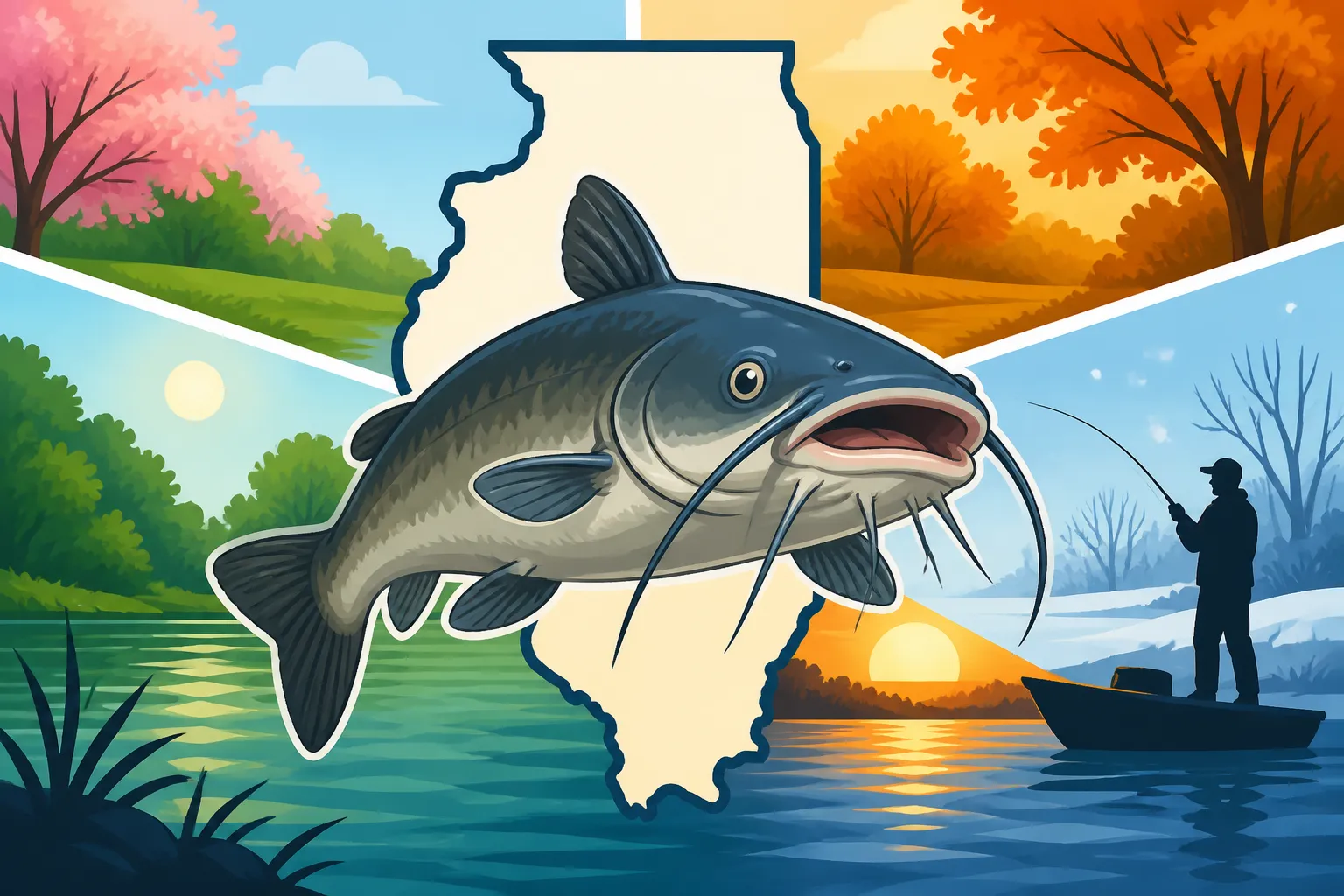
Catfish behavior is heavily influenced by water temperature, which in turn dictates their metabolism, feeding activity, and spawning cycles. What works in April won't necessarily work in August or December. This means adapting your approach throughout the year is key.
- Spring (March-May): Water warms, catfish move from deep wintering holes to shallower feeding areas. Pre-spawn feeding is intense.
- Summer (June-August): Water is warm, spawning occurs. Catfish are very active, especially during lower light conditions.
- Fall (September-November): Water cools, catfish engage in a major feeding spree to bulk up for winter.
- Winter (December-February): Water is cold, metabolism slows, catfish are less active and seek deeper, stable water.
Each of these periods presents unique opportunities and challenges. Successful catfish anglers are those who pay attention to these environmental cues and adjust their strategies accordingly. A little planning based on the season can make a huge difference in your catch rates.
Spring Catfishing: Pre-Spawn Excitement and Emerging Opportunities
Spring is a time of renewed hope for anglers, and for catfish, it's a period of transition and increasing activity. As the ice melts and water temperatures begin to climb, these whiskered fighters start to stir, moving out of their winter haunts and becoming much more receptive to baits.
Early Spring: Cold Water Challenges and Strategies
In early spring, typically March and early April, water temperatures are still quite chilly, often in the 40s to low 50s Fahrenheit. Catfish are still relatively sluggish, but they are starting to look for food to replenish their energy reserves after a long, cold winter. During this time, you'll often find channel cats beginning to stage in deeper holes adjacent to shallower flats or creek channels. They won't be in the extreme shallows yet, but they'll be making moves towards them.
For early spring fishing, the key is to present baits slowly and near the bottom. Catfish aren't going to chase a fast-moving bait. Think about using traditional bottom-fishing rigs with slip sinkers. Stink baits, cut shad, or even nightcrawlers can be effective. Look for areas with a slightly darker bottom that warms up faster, or points and ledges where baitfish might congregate. Patience is paramount; don't expect a fast bite, but when they do hit, it can be aggressive as they're hungry. Consider using a sturdy rod and reel combo that can handle a surprising spring fight, perhaps something you’ve purchased from a reputable outdoor retailer or even found a good deal on Amazon.
Late Spring: The Pre-Spawn Feast
As late spring (late April and May) arrives, water temperatures consistently rise into the upper 50s and 60s. This is when the pre-spawn bite kicks into high gear, especially for channel catfish. They become incredibly active, feeding aggressively to build up the energy reserves needed for spawning. This is often one of the best times of the year to catch a good number of healthy channel cats. They'll move into shallower areas, like flats, points, and coves, following baitfish that are also moving into these warmer zones.
This is a prime time for a variety of baits. Cut bait, shrimp, chicken livers, and various prepared catfish baits become highly effective. You might even find them hitting lures occasionally, especially if you’re fishing for other species in areas they’re frequenting. Look for current breaks, submerged vegetation, and structures that offer both cover and access to food. The fish are often more spread out than in winter but can be found in consistent patterns as they cruise these warmer, shallower feeding grounds. This is a great period to experiment with different baits and presentations to see what they are keying in on.
The Spawn: Tricky but Rewarding Times
Catfish typically spawn when water temperatures reach the low to mid-70s Fahrenheit, which usually happens in late May and June in Illinois. During the spawn, male catfish become very territorial and protective of their nests, often found in dark, secluded spots like hollow logs, undercut banks, rock crevices, or old tire piles. While they're guarding the nest, males might not be actively feeding, making them tougher to catch. Females, after laying their eggs, might also become less active for a short period.
Fishing during the spawn can be hit or miss. Targeting areas near known spawning sites, but not directly on them, can sometimes yield results as catfish move to and from these areas. Post-spawn females, especially, will eventually become very hungry as they recover, leading to a renewed bite. Some anglers intentionally seek out spawning fish, but it’s a more challenging endeavor. It’s also worth noting that some species, like blue catfish, may spawn slightly later than channel cats, depending on the river system and local conditions. Keeping track of specific water temperatures in your preferred fishing spots can give you an edge during this period.
Summer Catfishing: Peak Action and Nighttime Adventures
Summer is prime time for Illinois catfishing. The warm water means catfish metabolisms are in overdrive, leading to aggressive feeding and plenty of action. This is when many anglers hit the water, especially for channel catfish.
Early Summer: Post-Spawn Recovery and Hunger
As early summer (late June and July) rolls in, many catfish, especially channel cats, are recovering from the spawn. This means they are often incredibly hungry and looking to replenish their energy stores. Water temperatures are typically in the 70s and 80s, making them highly active. Fish will start to spread out more, moving into deeper parts of lakes and rivers during the day, but still venturing into shallower areas during low-light conditions.
This period is excellent for a wide range of baits. Cut bait, shrimp, and prepared stink baits are very effective. You can find catfish on points, humps, channel edges, and around cover in deeper water. Many anglers find success by anchoring on a channel swing or a productive flat and using multiple rods with different baits at varying depths. This is also a fantastic time to use Catfish Bottom Fishing Techniques to cover a lot of ground and intercept cruising fish. Pay attention to wind and current, as catfish will often position themselves to take advantage of natural food delivery.
Mid-Summer Heat: Deep Water and Night Fishing
When the mid-summer heat (July and August) really sets in and water temperatures soar into the 80s and sometimes even 90s, catfish behavior shifts. During the brightest parts of the day, they will often retreat to deeper, cooler water, seeking thermal refuge and oxygen. This makes daytime fishing challenging, requiring you to find those deeper holes, humps, or channel edges. However, as the sun sets and temperatures drop, catfish move into shallower feeding areas with renewed vigor. This is why summer is the absolute peak for night fishing.
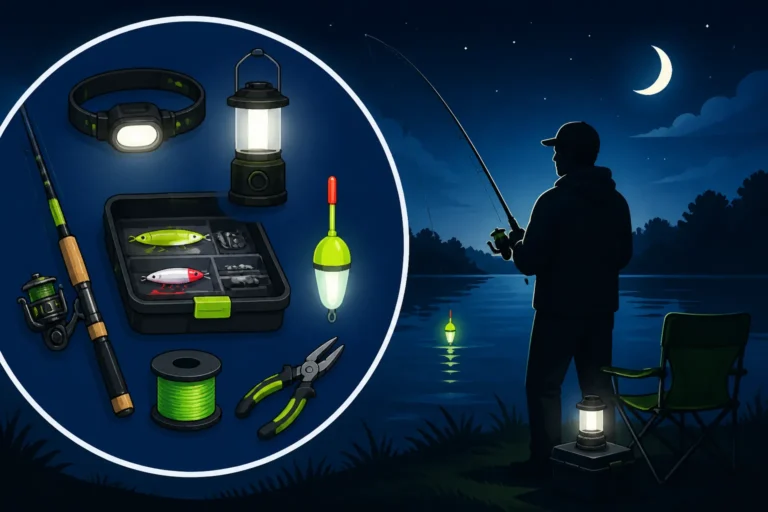
Night fishing for catfish in Illinois during mid-summer can be incredibly productive. Catfish use their excellent sense of smell and touch to hunt in the dark, and with less boat traffic and cooler temperatures, they are much more comfortable in the shallows. Look for them on shallow flats adjacent to deep water, along weed lines, or near inflowing creeks that bring in cooler water and nutrients. Fresh cut bait, chicken livers, and strong-smelling prepared baits are top choices. Always bring a good headlamp, bug spray, and let someone know your plans if you're out after dark. You might also want to explore Catfish Jug Fishing Techniques or even trotlines (where permitted) for hands-off fishing methods that can be very effective overnight.
Late Summer: Consistent Feeding Patterns
By late summer (late August and September), the extreme heat might start to break, but water temperatures generally remain high. Catfish activity remains strong, and their patterns become a bit more consistent as they settle into their routines. They'll continue to use deeper water during the day and move shallow at night, but you might find them venturing into shallows earlier in the evening and staying later in the morning.
This is still a fantastic time for a variety of baits and techniques. As autumn approaches, you'll notice a subtle shift in baitfish behavior, which catfish will key into. Keep an eye on weather patterns; cool fronts can temporarily slow the bite, but stable weather usually means good fishing. If you're fishing larger lakes like Rend Lake Fishing Guide for Illinois Anglers or Carlyle Lake, using a boat to find main lake points and humps during the day can be highly effective, while focusing on creek arms and shallow bays at night will yield results. Don't be afraid to try different depths throughout the day, as fish might suspend in the water column looking for baitfish.
Fall Catfishing: The Feeding Frenzy Before Winter
As the vibrant colors of autumn sweep across Illinois, a distinct change occurs in catfish behavior. The cooling water triggers a major feeding frenzy as these fish work to pack on weight for the lean winter months ahead. This can be one of the most exciting times to target catfish, especially larger ones.
Early Fall: Transition and Aggressive Feeding
Early fall (September and early October) is a transitional period. Water temperatures begin to drop from their summer highs, often moving into the 60s. This triggers an aggressive feeding response in all catfish species. They are keenly aware that winter is coming and instinctively know they need to gorge themselves. This means they'll often be found in shallower to mid-depth areas, actively chasing and ambushing bait.
During early fall, catfish are often willing to travel further for a meal. Live bait, fresh cut bait, and even larger artificial baits can be incredibly effective. Look for them on main lake points, channel bends, and around schools of baitfish. Many anglers consider this the best time to target trophy flatheads and blue catfish, as these fish are at their heaviest and most active. Setting up on a river bend or a large lake flat where baitfish are abundant can lead to some incredible action. Remember to consult the Illinois Fishing Season and Catch Limit Rules to ensure you're compliant with any specific regulations that might be in place for your chosen body of water.
Late Fall: Preparing for Colder Waters
By late fall (late October and November), water temperatures continue their steady decline, often falling into the 50s and even 40s. Catfish activity will slow down somewhat, but they are still actively feeding, albeit moving deeper and becoming more concentrated. They'll start to stage in their wintering holes, but will make forays out to feed when conditions are right.
During this period, focus your efforts on deeper channels, scour holes, and main river runs. Catfish will be concentrated in these areas, and once you find them, you can often catch multiple fish from the same spot. Baits should still be potent, but you might need to present them more slowly and directly in their strike zone. Fresh cut bait or large chunks of shad are often top producers. This is also a good time to ensure your gear is ready for potential cold-weather angling. If you're looking for new line or cold-weather gloves, a quick search on Amazon will show you plenty of options from reliable brands. Targeting these concentrated schools can lead to very rewarding late-season catches.
Winter Catfishing: Ice and Cold Water Rewards
Winter fishing for catfish might sound a bit extreme, but for dedicated anglers, it offers unique opportunities and can be surprisingly productive, especially for certain species. While the bite slows significantly, the fish are often concentrated, making them easier to target once found.
Ice Fishing for Catfish: A Unique Challenge
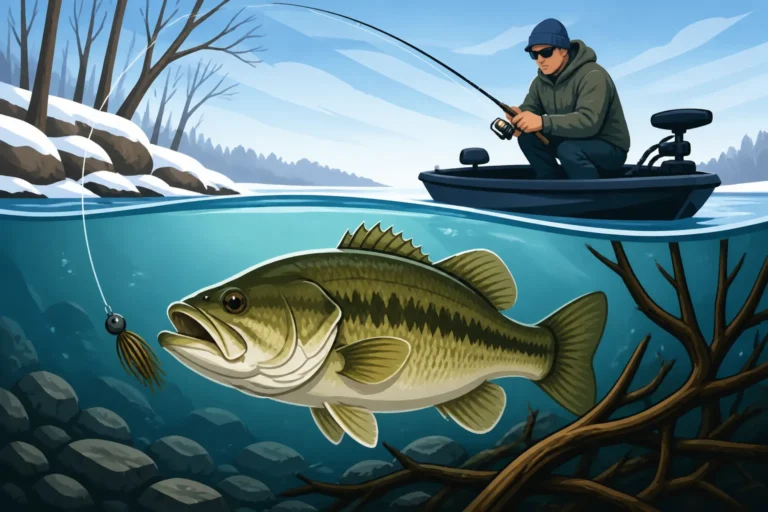
Yes, you can ice fish for catfish in Illinois! While not as popular as ice fishing for crappie or bluegill, it's a growing pursuit for adventurous anglers. Channel catfish, in particular, can be caught through the ice. As water temperatures fall into the 30s, their metabolism is at its lowest, but they still need to feed. They will typically hold in deeper basins or channel swings, where water temperatures are most stable.
For ice fishing, the key is finesse and patience. Use smaller baits like cut pieces of shad, minnows, or even nightcrawlers presented on small jigs or weighted hooks near the bottom. Your best bet is to target deeper areas that transition into shallower flats. A fish finder is incredibly useful to locate these fish, as they will be tightly schooled. Setting up tip-ups with live or cut bait can also be effective, allowing you to cover a wider area. Always prioritize safety when ice fishing, ensuring the ice is thick enough and bringing proper safety gear.
Open Water Winter Catfish: Deeper Holds
Even without ice, open water winter catfishing is possible in many of Illinois's larger lakes and rivers that don't completely freeze over. This is particularly true for blue and flathead catfish in the Mississippi and Illinois Rivers, which seek out deep, stable thermal refuges. Channel catfish in deep reservoirs will also follow suit. They'll concentrate in the deepest holes, scour pits, or even in the warmest parts of power plant discharge areas.
When targeting open water winter catfish, your strategy needs to be precise. Fish slowly, using powerful, smelly baits presented directly on the bottom in known deep-water haunts. Fishing electronics are invaluable for locating these tightly schooled fish. Once you find them, you can often catch several from the same spot. The bite will be subtle, so pay close attention to your rod tip. Heavy tackle is still important, especially for those powerful river blues and flatheads, as they can still put up a surprising fight even in cold water. This can be a very rewarding time to fish, as you'll often have less competition on the water.
Essential Gear and Baits for Illinois Catfish
Having the right tools for the job can make all the difference, especially when you're trying to outsmart a seasoned catfish. From robust rods to the perfect stinky bait, your gear setup needs to match the species and season you're targeting.
Rods, Reels, and Line for Catfish
When it comes to catfish, especially the bigger blues and flatheads, you need gear that can take a beating.
- Rods: For general channel cat fishing in most Illinois waters, a medium-heavy to heavy action spinning or baitcasting rod, 7-9 feet long, is usually sufficient. Look for rods with a strong backbone but a sensitive tip for detecting subtle bites. Brands like Ugly Stik are popular for their durability. For trophy blue or flathead catfish in large rivers, you'll want something much heavier – specialized catfish rods that are 8-10 feet, heavy to extra-heavy action.
- Reels: Matching your rod is crucial. For channel cats, a reliable spinning reel in the 4000-6000 size range or a sturdy baitcasting reel with a good drag system will work. For the giants, a high-capacity baitcasting reel (like an Abu Garcia Ambassadeur 6500 or larger) with a strong drag is essential. You need a reel that can hold a lot of heavy line and withstand the punishing runs of a big fish.
- Line: Monofilament line in the 15-30 lb test range is good for channel cats, offering some stretch and good knot strength. However, for serious big-game catfishing, braided line is often preferred for its incredible strength, zero stretch (which helps with bite detection), and abrasion resistance. Think 50-80 lb test for blue and flatheads, especially when fishing around heavy cover. A fluorocarbon leader can sometimes be useful in clearer water, though catfish aren't typically line-shy.
You can often find great deals on durable catfish rods and reels on Amazon, making it easy to build a versatile setup without breaking the bank. Don't forget to check out Best Catfish Rods for Illinois's Big Three Lakes for specific recommendations.
Seasonal Bait Selection and Rigs
Bait choice is arguably the most critical component of catfishing success, and it changes with the seasons and target species.
- Spring: In early spring, stink baits, cut shad, and large nightcrawlers presented slowly on a simple Carolina rig or slip sinker rig are effective. As water warms in late spring, chicken livers, shrimp, and prepared dough baits become deadly.
- Summer: This is prime time for strong-smelling baits. Prepared stink baits (like Catfish Charlie or Sonny's Super Sticky Bait), chicken livers, and fresh cut bait (shad, skipjack herring, carp) are go-to choices. For flatheads, live bluegill, green sunfish, or bullheads are irreplaceable.
- Fall: Cut bait (especially oily fish like shad or skipjack), large chunks of chicken, or live baits (for flatheads) are excellent as catfish are aggressively feeding.
- Winter: Smaller pieces of cut bait, whole dead minnows, or nightcrawlers presented slowly and directly on the bottom are best. Live baits can also work for flatheads in warmer wintering holes.
When it comes to rigs, the Carolina Rig (also known as a slip sinker rig) is a workhorse for catfishing year-round. It allows the fish to pick up the bait and run a short distance without feeling the weight of the sinker, increasing your hook-up ratio. A Santee Cooper Rig (a variation of the Carolina rig with a float between the sinker and hook) is great for keeping your bait slightly off the bottom, especially in muddy conditions or over snaggy areas. For live bait, a simple live bait rig with a heavy circle hook (often 7/0 to 10/0 for large fish) is best, allowing the bait to swim naturally. Remember that Best Bait for Illinois Channel Catfish will vary slightly from what you use for a trophy blue or flathead. Always match your hook size to your bait size.
Illinois Catfish Regulations: Staying Legal and Responsible
Responsible angling means knowing and following the rules. Illinois has specific regulations for fishing, including daily catch limits and length restrictions, which can vary not only by species but also by specific body of water. Ignorance of the law is not an excuse, so staying informed is crucial for a fun and legal day on the water.
Statewide Catfish Limits
For most of Illinois, there are general statewide regulations for catfish.
- Channel Catfish: The statewide daily limit for channel catfish is 20 fish. There is no statewide length limit, meaning you can keep any legal-sized channel cat you catch, up to the daily limit.
- Blue Catfish: For blue catfish, the statewide daily limit is 10 fish. Similar to channel cats, there is no statewide length limit.
- Flathead Catfish: The statewide daily limit for flathead catfish is 10 fish. Again, there is no statewide length limit.
These are general guidelines, but it's absolutely critical to understand that these can change based on the specific lake, river, or even section of a river you are fishing. Always carry a copy of the current Illinois Fishing Information Guide or have access to it via the IDNR website on your phone. This guide provides detailed information on all Illinois Fishing Regulations Overview.
Site-Specific Regulations and Resources
Here's where it gets a little more complicated but is vital for ethical fishing. Many popular fishing spots in Illinois have their own specific rules that supersede the statewide regulations. These site-specific rules are often put in place by the IDNR to manage local fish populations, protect specific species, or enhance the fishery.
For example:
- Lake Shelbyville might have different size or creel limits for certain species compared to Carlyle Lake.
- Sections of the Mississippi River might have reciprocal agreements with neighboring states like Missouri or Iowa, meaning your Illinois license might be valid on certain shared waters, but the rules you follow might be based on the state you're in, or a combined agreement. Understanding Illinois Fishing License Reciprocity With Missouri or Illinois Fishing License Reciprocity With Iowa is key for border-water anglers.
- Smaller public lakes or ponds managed by the IDNR or local park districts may have unique catch-and-release only periods or more restrictive harvest limits.
Before every fishing trip, especially to a new body of water, it is your responsibility to check the latest Illinois Fishing Information Guide. This guide, usually updated annually, lists all site-specific regulations alphabetically by water body. Ignorance of these rules can lead to citations, fines, and even the confiscation of your catch and gear. Game wardens are diligent in checking licenses and compliance, so being prepared is essential. Always double-check your target waters to ensure your catfish season remains fun and lawful.
Disclaimer
The information provided in this guide is for general informational purposes only and is subject to change. Fishing regulations, license requirements, and seasonal conditions can vary. Always consult the official Illinois Department of Natural Resources (IDNR) website or the current Illinois Fishing Information Guide for the most up-to-date and accurate regulations before you go fishing.