Best Bait for Illinois Channel Catfish
If you've ever spent a beautiful day out on the water in Illinois, only to be met with a frustrating lack of bites from those elusive channel catfish, you're not alone. It can feel like a guessing game sometimes, wondering what bait will finally tempt them onto your hook. This guide is here to unravel the mystery, diving deep into the best bait options for channel catfish across Illinois' diverse waters, helping you turn those quiet days into memorable catches.
Understanding Channel Catfish Preferences in Illinois Waters
Channel catfish are one of Illinois' most popular sport fish, and for good reason. They're widespread, grow to an impressive size, and put up a fantastic fight. However, consistently catching them often comes down to understanding their eating habits, which can be surprisingly nuanced. It's not always about just throwing out the first thing you grab from the tackle box.
Why Channel Catfish Are Picky Or Not So Picky Eaters
Despite their reputation as bottom-feeders that will eat "anything," channel catfish can indeed be quite selective. They are primarily omnivores, meaning their diet is a mix of plant matter, insects, smaller fish, crustaceans, and even decaying organic material. What makes them seem "picky" isn't necessarily a preference for gourmet dining, but rather an adaptation to their environment. In nutrient-rich, murky waters, they rely heavily on their incredible sense of smell and taste, often favoring strong, pungent baits. In clearer waters or during certain times of the year when natural forage is abundant, they might lean more towards live or natural baits that mimic what's readily available.
Their feeding behavior is a fascinating blend of opportunism and instinct. They're not actively "hunting" in the same way a bass might stalk its prey with sight; instead, they're often cruising the bottom, using their barbels (those whisker-like protrusions around their mouth) to detect scents and vibrations. This is why a bait that sits still and broadcasts a powerful odor can be so effective. Think of them as aquatic bloodhounds, constantly sniffing out their next meal.
The Role of Scent and Natural Attractants
If there's one golden rule for channel catfish bait, it's that scent is king. These fish possess an incredibly developed olfactory system, allowing them to detect even minute traces of food from a considerable distance. This is precisely why baits with strong, lingering odors are so universally successful for channel cats. The scent acts as a beacon, guiding them through murky water or to hidden pockets where food might be.
Natural attractants often mimic the decomposition process or the bodily fluids of wounded prey, triggering a strong feeding response. Think of the potent smell of decaying shad or the robust aroma of certain cheeses – these aren't just smells to us, but irresistible dinner bells for a hungry channel catfish. Anglers often enhance their baits with scent sprays or dips, further concentrating these attractants and boosting their range underwater. You can find a vast array of these commercially prepared scents and bait additives on online marketplaces like Amazon, ready to give your offering that extra kick.
Seasonal Changes in Channel Catfish Diet
Just like us, channel catfish adjust their diet based on the season and what's available. In the spring, as water temperatures rise, they become more active after a period of dormancy. This is a prime time for them to be scavenging, and they often respond well to traditional stink baits and cut baits as they look to replenish energy reserves. As the water warms further into summer, their metabolism kicks into high gear. They become more aggressive and will readily chase down live baits like worms and minnows, in addition to continuing to hit powerful smelling prepared baits. This is often when the biggest numbers are caught, as they're feeding heavily.
Come fall, as temperatures begin to drop, channel catfish start packing on weight for the colder months ahead. They’ll still hit a variety of baits, but often prefer larger, more substantial meals. Cut bait, especially from oily fish, can be exceptionally effective. In the dead of winter, while fishing for channel catfish is less common in Illinois, they remain active, albeit slower. They'll often school in deeper holes and respond to baits presented slowly, with a focus on powerful, lingering scents that can draw them in from their lethargic state. Understanding these seasonal shifts can significantly improve your success rate.
Classic Stink Baits and Prepared Baits for Channel Catfish
When you talk about channel catfish fishing, the conversation inevitably turns to stink baits and prepared baits. These are the workhorses of catfish angling, known for their ability to attract fish from a distance with their potent aromas. They've been a staple for generations of Illinois anglers, and for good reason – they simply work.
The Enduring Appeal of Stink Baits
Stink baits come in many forms, but their fundamental principle is the same: to create a powerful, irresistible scent trail in the water. Dip baits, often thick and gooey, are designed to cling to specialized bait holders (like ribbed worms, sponges, or small tubes) and slowly release their pungent aroma. Punch baits are similar but typically have a thicker, fibrous consistency, allowing them to be "punched" onto a treble hook without additional rigging, forming a compact, scent-releasing blob. Then there are pre-made dough baits, which are often less offensive to handle but still pack a potent scent, sometimes incorporating ingredients like cheese or blood.
The enduring appeal lies in their consistency and effectiveness. You don't need to worry about keeping them alive, and their scent is engineered to attract catfish specifically. For many anglers, especially those just starting out or taking kids fishing, they offer a reliable and relatively easy way to get bites. Plus, there's something satisfying about watching a channel cat hit a bait that you know it smelled from twenty feet away! For a deep dive into using these, you might find our guide on How to Bottom Fish for Catfish useful.
How to Use Prepared Baits Effectively
Using prepared baits effectively is an art form, but one that's easily mastered with a few tips. For dip baits, you'll need a specialized bait holder. These usually consist of a plastic or rubber worm with ribs, a small sponge, or a coiled spring designed to hold the sticky bait. Simply dip your holder into the bait container, making sure it’s thoroughly coated, then cast it out. The key is to let the scent do the work, so avoid constantly checking your bait. Give it time to dissolve and create that enticing plume.
Punch baits are even simpler. They usually come in a wide-mouth tub. You take a treble hook, push it into the bait, and then "punch" it with a stick or your thumb, forcing the bait up and around the hook. This creates a compact, scent-filled ball that holds on well during the cast. For both types, consider using a slip sinker rig to allow the fish to take the bait without feeling the weight of the sinker immediately. This can lead to more solid hookups. Many anglers find it convenient to stock up on a variety of these baits and their associated rigging gear through online retailers like Amazon, ensuring they're prepared for any catfish outing.
DIY Homemade Stink Baits For the Adventurous Angler
For those who love a good project and want to truly customize their catfish offerings, homemade stink baits are a fantastic option. The beauty of DIY is that you can experiment with ingredients and scents that you might not find in commercial products. A classic base for many homemade concoctions involves some form of oily, strong-smelling protein. Chicken livers, for instance, are incredibly popular on their own, but they can also be combined with ingredients like garlic powder, anise oil, or even Kool-Aid powder to add extra punch and color.
Another common method involves fermenting grains or cheese. Think about blending stale cheese with garlic, old shrimp, and some flour to bind it all together. The key is to let it sit in a sealed container for a few days (or even a week!) in a warm place to really develop that pungent aroma that catfish crave. Just be warned, the smell can be quite overpowering, so prepare it outdoors or in a well-ventilated area! While it takes effort, the satisfaction of catching a big channel cat on a bait you made yourself is truly unparalleled.
Natural and Live Baits That Channel Catfish Can't Resist
Beyond the world of prepared stink baits, there's a whole universe of natural and live baits that are absolute magnets for channel catfish. These baits often mimic the natural food sources that catfish encounter in their environment, making them incredibly effective, especially when the fish might be a bit more finicky or when you're targeting larger specimens.
The Power of Cut Bait And Why It's a Top Choice
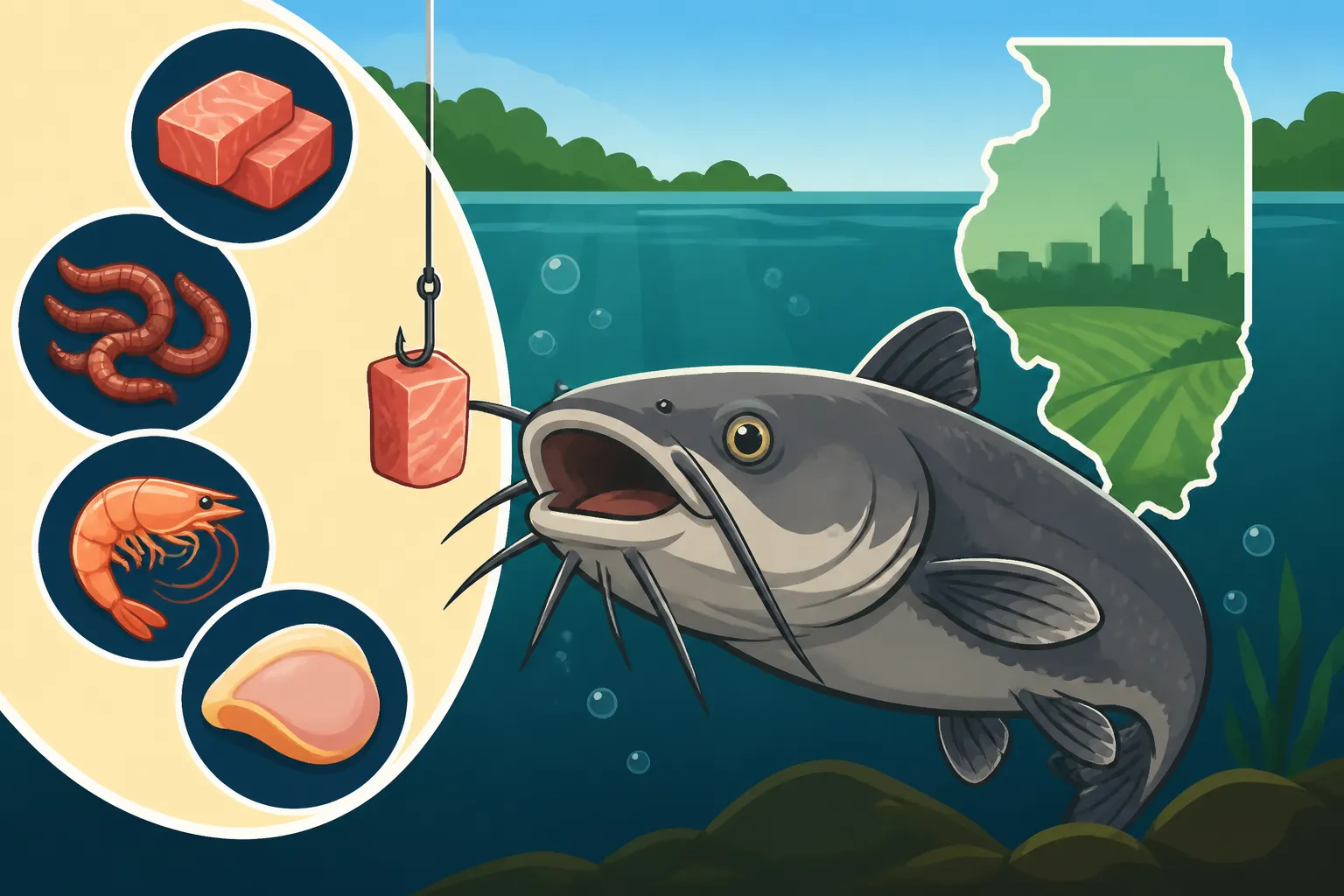
When it comes to big channel catfish, cut bait is often the first choice for seasoned anglers. Why? Because it offers a natural, meaty meal with a powerful blood and oil trail that disperses wonderfully in the water. Oily fish like shad, herring, carp, or even small bluegill make excellent cut bait. The trick is in the preparation: you want to cut the fish into manageable chunks, usually one to three inches square, ensuring that a good amount of blood and guts are exposed. Some anglers prefer to skin the bait or score the flesh to release even more scent.
The effectiveness of cut bait comes from its realism and its ability to broadcast a strong, natural odor. A fresh piece of cut shad, slowly oozing blood and oils, is almost impossible for a hungry channel catfish to ignore. It looks and smells like a real meal, which can often entice bigger, more cautious fish that might shy away from artificial scents. For tips on managing limits, check out Illinois Channel Catfish Daily Limit Explained.
Live Bait Favorites: Worms, Minnows, and Crayfish
While cut bait relies on scent and realism, live baits bring an undeniable element of movement and vibration to the equation, which can be incredibly alluring to a channel catfish. Classic nightcrawlers and other large earthworms are a perennial favorite. Their wiggling action on the hook, combined with their natural scent, drives catfish wild. You can thread a single large worm onto a hook or use a wad of smaller worms for a more substantial presentation.
Minnows, especially lively ones, are another excellent choice. While typically thought of for bass or walleye, a struggling minnow sends out distress signals that catfish can pick up on. Hook them through the lip or the back, ensuring they stay active. Crayfish, when available, are also dynamite bait. Channel catfish love to feast on crustaceans, and a live crayfish, hooked through the tail, is a tough offering to beat. Always check local regulations regarding the use of live bait, especially when using species caught from other waters.
Lesser-Known but Highly Effective Natural Baits
Sometimes, the best bait isn't found in a tackle shop, but in your refrigerator or pantry. Chicken livers are legendary for channel catfish. Their soft, bloody texture and potent smell are a perfect combination. The main challenge is keeping them on the hook, so many anglers use a small piece of mesh or pantyhose to secure them, or simply use smaller hooks and gentle casts. Another surprise contender is shrimp – raw, peeled shrimp from the grocery store. It has a fantastic natural scent and holds up well on a hook, often outperforming more traditional baits on tough days.
Hot dogs, particularly those with a strong garlic flavor, can also be surprisingly effective. Cut them into small, coin-sized pieces. Some anglers even marinate them in garlic powder or cherry Kool-Aid overnight for an extra boost. Even small pieces of cheese, especially pungent varieties like cheddar or limburger, can entice a bite. These readily available, often overlooked baits prove that sometimes, simplicity and a strong scent are all you need to get a channel catfish to bite.
Rigging Strategies for Maximizing Your Bait's Potential
Having the best bait is only half the battle; the other half is presenting it correctly. The way you rig your bait can significantly impact its effectiveness, influencing everything from how it smells and moves in the water to how easily a catfish can take it without getting spooked. Choosing the right rig for your bait and the conditions is a critical skill for any successful Illinois angler.
Essential Rigs for Stink Baits
For stink baits, particularly the gooey dip baits and fibrous punch baits, the presentation is all about scent dispersion and secure bait retention. The most common and effective rig is a simple slip sinker rig. This involves threading your main line through a sliding sinker (like an egg sinker or walking sinker), tying on a swivel, and then attaching a leader (typically 12-24 inches) to the swivel, followed by your hook with the bait holder. The slip sinker allows the line to move freely, so a biting catfish feels little to no resistance, often leading to a more confident strike.
When using dip baits, you'll want a specialized bait holder, such as a ribbed plastic worm, a sponge, or a small spring. These are designed to hold the sticky bait firmly while releasing its potent aroma. For punch baits, a sturdy treble hook is usually sufficient, as the fibrous nature of the bait allows it to be molded directly onto the hook. The goal is to keep the bait securely on the hook during the cast and while it sits on the bottom, slowly radiating that irresistible scent.
Best Rigs for Cut Bait and Live Baits
For cut bait and live bait, rigs that offer natural presentation and secure hookups are paramount. The slip sinker rig remains a fantastic option, providing that crucial "feel-free" bite. When using cut bait, a sharp circle hook or Kahle hook is often preferred. Circle hooks are designed to hook the fish in the corner of its mouth as it swims away, reducing gut-hooking and making for easier release. Just let the fish take the bait and swim off; don't set the hook. The rod bending will do the work for you. For more insights on this, refer to How to Set Up a Trotline for Catfish which uses similar hook mechanics.
When fishing with live minnows or crayfish, a slip bobber rig can be incredibly effective, especially if you're trying to suspend the bait at a specific depth or over submerged structure. Hook minnows through the lips or just behind the dorsal fin, and crayfish through the tail for maximum liveliness. A three-way swivel rig is another excellent choice, particularly in currents, as it allows your sinker to sit on the bottom while your bait floats freely on a short leader above it, mimicking natural movement.
Understanding Hook Sizes and Line Strength
Matching your hook size and line strength to your target catfish and chosen bait is crucial for success. For channel catfish, you'll typically be looking at hooks ranging from 1/0 to 5/0, depending on the size of the fish you're targeting and the bait you're using. Smaller baits like worms or hot dog pieces might call for a 1/0 or 2/0 hook, while larger chunks of cut bait for trophy fish could require a 4/0 or 5/0. Always opt for sharp, strong hooks to penetrate the catfish's tough mouth.
Line strength is equally important. While channel catfish aren't known for breaking lines with explosive runs like some other species, they are powerful fighters, especially larger ones. A monofilament line in the 10-20 lb test range is a good all-around choice for most situations. For heavier cover or larger fish, consider bumping up to 25-30 lb test, or even using braided line, which offers superior strength and sensitivity. Don't forget to match your rod and reel appropriately – a medium-heavy action rod with a strong, smooth-dragging reel will give you the control and power needed to land those feisty channel cats.
Environmental Factors Affecting Bait Choice
Beyond just knowing what baits channel catfish generally like, understanding how environmental factors influence their feeding behavior is a game-changer. Water temperature, clarity, current, and even the time of day can all dictate which bait will be most effective. A bait that's dynamite on a warm, sunny afternoon might be totally ignored on a cool, cloudy morning.
Water Temperature and Clarity
Water temperature is a primary driver of fish metabolism and activity. In colder water (early spring, late fall, winter), channel catfish are generally more sluggish. They're less likely to chase down fast-moving baits and prefer something that sits still, offering a potent, easy meal. This is when strong-smelling, prepared baits or oily cut baits, presented slowly on the bottom, really shine. As the water warms up in late spring and summer, their metabolism ramps up, and they become much more active and aggressive. This is when live baits with enticing action, along with a wider range of stink baits, can be incredibly effective.
Water clarity also plays a huge role. In murky or turbid waters, catfish rely almost exclusively on their sense of smell. This is the prime territory for powerful stink baits and strong-smelling cut baits that can create a wide scent trail. The visual aspect of the bait is less important here. Conversely, in clearer waters, while scent is still important, presentation and the visual appeal of the bait can become more critical. Live baits like minnows or worms, or even brightly colored dough baits, might stand out better and draw attention. For insight on varied water conditions, check out Why Fishing Rules Vary by Lake and River.
Current and Structure
Current is a double-edged sword when it comes to bait presentation for channel catfish. A gentle current can be your friend, as it helps to disperse the scent of your bait over a wider area, drawing in fish from downstream. However, a strong current can make it difficult to keep your bait on the bottom and in the strike zone. In strong currents, heavier sinkers are necessary, and more robust baits (like punch bait that really sticks to the hook, or tough pieces of cut bait) that won't wash away easily are preferred.
Structure, whether it's submerged logs, rock piles, bridge pilings, or deep holes, acts as a magnet for channel catfish. They use these areas for cover, ambush points, and often, as places where food collects. Presenting your bait near or directly in these structural elements significantly increases your chances of a bite. For example, if you're targeting catfish along the Mississippi River, finding those deep eddies or log jams can be critical. You can learn more about this in our guide on Mississippi River Catfish: Why Southern Illinois Waters Produce So Many. Experiment with different cast angles and retrieval speeds to determine where the fish are holding relative to the structure.
Time of Day and Season Considerations
Channel catfish are primarily nocturnal feeders, meaning they are often most active from dusk through the night and into the early morning hours, especially during warmer months. During these times, their keen sense of smell gives them a distinct advantage over other predators, and they'll often venture into shallower water to feed. This makes night fishing incredibly productive for catfish, with strong-smelling baits being particularly effective when visual cues are limited. For more details, explore How to Catch Catfish at Night.
During the day, especially on bright, sunny days, channel catfish tend to retreat to deeper, cooler water or seek refuge in dense cover. You can still catch them, but you might need to present your bait slower and more precisely to their hiding spots. As mentioned before, seasonal changes drastically affect their feeding patterns, from the aggressive feeding in summer to the slower, more opportunistic bites in winter. Always consider the time of day and the prevailing season when selecting your bait and determining your fishing strategy in Illinois waters.
Here's a quick reference table to help you compare popular channel catfish baits:
| Bait Type | Pros | Cons | Best Uses |
|---|---|---|---|
| Dip Baits | Strong, lasting scent; attracts from afar | Can be messy; requires special holders | Murky water; slow current; bottom fishing; attracting multiple fish |
| Punch Baits | Good scent; holds well on hook; less messy than dip | Limited scent dispersal compared to dips | Moderate current; targeting larger fish; easier to handle |
| Cut Bait | Natural scent and oils; attracts large fish | Can be messy; requires fresh bait; might attract turtles | Targeting trophy catfish; high current; murky water; anytime |
| Nightcrawlers | Readily available; natural appeal; good movement | Smaller fish can steal it; less scent than stink baits | General all-around bait; clearer water; attracting various fish sizes |
| Minnows (Live) | Excellent movement; natural attractant | Requires aeration; might attract other species | Active fish; clearer water; targeting larger, aggressive cats |
| Chicken Livers | Extremely potent scent; very effective | Very messy; hard to keep on hook; attracts turtles | Murky water; targeting active fish; when scent is key |
| Shrimp (Raw) | Strong natural scent; holds well on hook | Can be expensive; also attracts other species | Any water clarity; targeting a variety of fish; when other baits fail |
| Hot Dogs | Easy to use; readily available; cheap | Less scent than dedicated baits; might not attract large fish | Beginner-friendly; casual fishing; clear to stained water |
Disclaimer
This article is for general informational purposes only and does not constitute professional advice. Laws, prices and regulations vary by location and change over time. Consult a qualified professional for guidance on your specific situation.