Mississippi River Catfish: Why Southern Illinois Waters Produce So Many
The Mighty Mississippi River, particularly its southern Illinois stretches, holds a legendary reputation among anglers, and if you've ever tried to land a monster catfish there, you know why. It's not just a river; it's an entire ecosystem that consistently produces some of the biggest and most plentiful catfish populations in the Midwest, offering an unparalleled experience for those seeking these whiskered giants. This guide dives deep into why southern Illinois's waters are a catfish haven and how you can tap into its incredible potential.
The Mississippi River's Unique Ecosystem for Catfish in Southern Illinois
The Mississippi River isn't just a giant trough of water; it's a dynamic, ever-changing environment with an incredibly complex ecosystem that catfish absolutely thrive in, especially as it flows through the southern parts of Illinois. This region benefits from the river's sheer size and the specific geological features that create perfect conditions for these powerful bottom dwellers.
The Dynamics of Current and Structure
What makes the Mississippi so good for catfish? A huge part of it is the constant interplay between strong currents and diverse underwater structures. Unlike many placid lakes, the river offers a continuous flow of oxygenated water, which is vital for active fish. But it's not a uniform flow. You'll find deep main channels carved out by barges, swift currents ripping around wing dams, and then slower, calmer eddies behind snags, rock piles, or bridge pilings. These varied current speeds and structures create natural feeding lanes, ambush points, and resting areas for catfish. Imagine a giant conveyor belt delivering food right to their doorstep! Anglers who learn to "read the river" and identify these current breaks and structural elements are often the most successful. These are the spots where catfish expend less energy and wait for meals to come to them.
Abundant Food Sources in the River
The Mississippi River is a buffet for catfish, truly. Its vast floodplain and nutrient-rich waters support an incredible diversity of prey species. From schools of shad, minnows, and carp to crayfish, mussels, and aquatic insects, there's always something for a catfish to eat, regardless of its size or species. The constant flow brings down organic matter and small organisms, enriching the entire food web. This abundance of food is a primary driver for the fast growth rates and large sizes observed in Mississippi River catfish. A healthy, diverse diet means healthier, bigger fish, and the Mississippi delivers this in spades. It's like a perpetual grocery store for anything with whiskers, ensuring that even the largest blue cats and flatheads have plenty of sustenance to reach those truly monumental sizes.
Backwaters, Sloughs, and Oxbows
Beyond the main channel, southern Illinois is blessed with an extensive network of backwater lakes, sloughs, and oxbows connected to the Mississippi. These areas, often created by historical river meanders, act as critical nursery grounds and low-current sanctuaries. They warm up faster in spring, providing ideal spawning habitat, and offer refuge from harsh main-channel currents during high water events or cold fronts. During periods of inundation, these areas become even more productive, as floodwaters bring in new nutrients and food sources. Catfish will move into and out of these areas depending on water levels, temperature, and their spawning cycles. They offer a completely different fishing experience than the main channel, often calmer and shallower, yet still teeming with large catfish, especially flatheads that love the woody cover. Exploring these hidden gems can lead to some truly unforgettable fishing days, but always be aware of changing water levels and accessibility.
Key Catfish Species Thriving in Southern Illinois
Southern Illinois's stretch of the Mississippi River is home to a fantastic trio of catfish species, each with its own personality, preferred habitat, and fighting style. Understanding these differences is key to targeting the specific whiskered giant you're after. While they all share the common "catfish" moniker, they couldn't be more distinct.
Channel Catfish: The River's Abundant Fighter
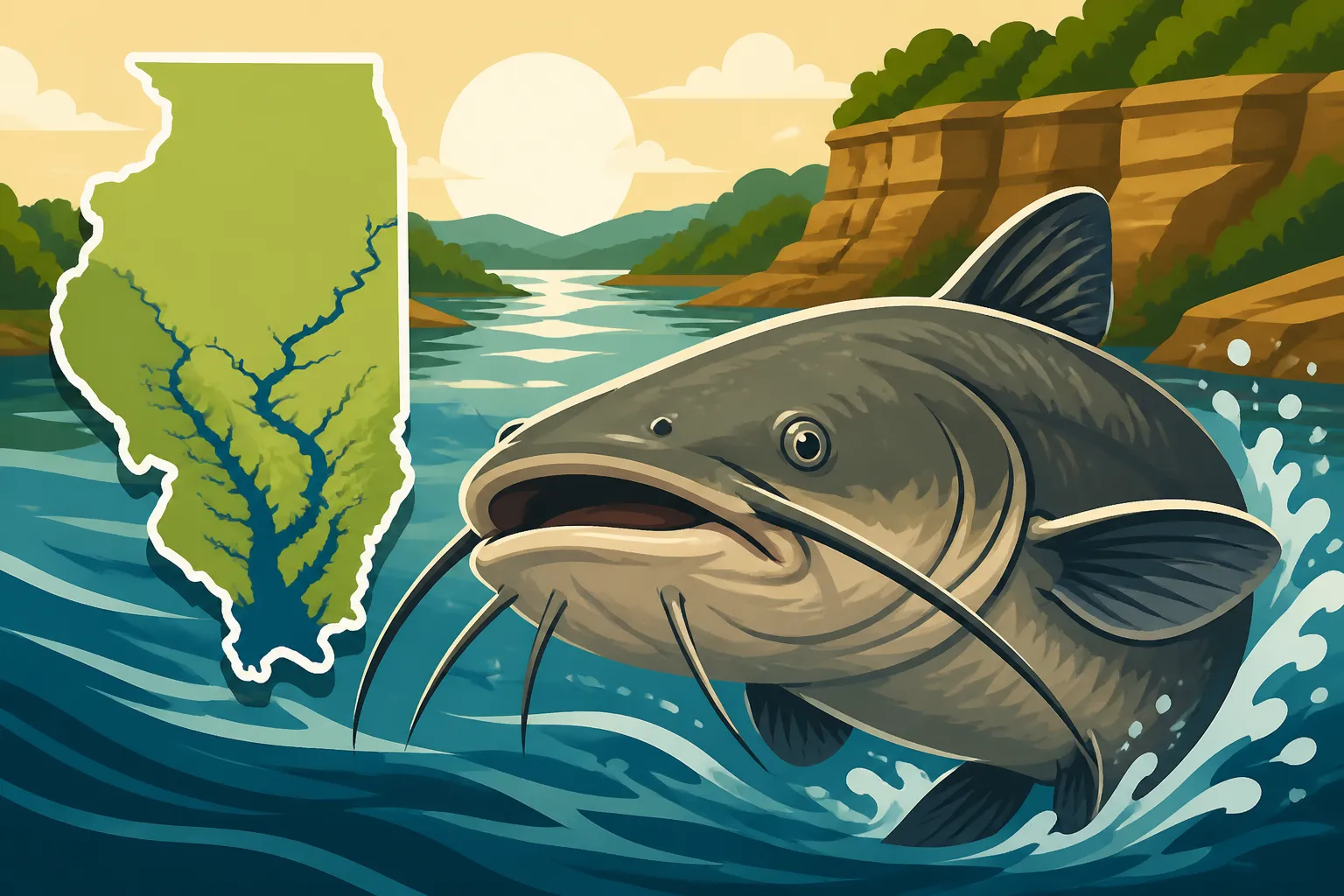
The channel catfish is probably the most common and widespread catfish species in the Mississippi River system. These are the classic fork-tailed catfish that many of us grew up catching in smaller lakes and ponds, but in the river, they can reach impressive sizes and offer a spirited fight. They're often found in areas with moderate current, around rocky points, submerged timber, and brush piles, or even cruising deeper holes. Channel cats are opportunistic feeders, eager to strike at a wide variety of baits. They are known for their willingness to bite, making them a fantastic target for anglers of all skill levels. You'll find them in abundance, and a good day of fishing can easily fill a cooler. Remember to check the Illinois Channel Catfish Daily Limit Explained before you head out!
They tend to have a spotted appearance when young, which fades as they get older, and a deeply forked tail, setting them apart from their flathead and blue cousins. Their diet is incredibly varied, ranging from cut bait, worms, and stink baits to even small lures. This adaptability makes them a prime target year-round, though their activity peaks in warmer months. On the Mississippi, it's not uncommon to catch channel cats weighing into the double digits, offering a thrilling battle on medium-heavy tackle.
Blue Catfish: The True River Monster
When we talk about "river monsters" in Illinois, the blue catfish is often what comes to mind. These magnificent fish are built for powerful currents and grow to truly staggering sizes in the Mississippi. They have a distinct slate-blue coloration, a humped back, and a deeply forked tail, much like a channel cat, but typically without the spots. Blue cats prefer deeper, faster-moving water in the main channels, scour holes, and around wing dams. They are schooling fish and can often be found in large aggregations, especially during colder months. The potential to catch a blue cat weighing 50 pounds or more is very real on the Illinois portion of the Mississippi, drawing serious trophy hunters.
Blue catfish are primarily piscivores, meaning they prefer to eat other fish. Fresh cut bait from shad, carp, or even buffalo is often the most effective. Their incredible size and strength demand heavy-duty tackle; you won't be landing a trophy blue cat on ultralight gear. Anglers specifically targeting these giants often use robust rods, strong braided lines, and sturdy circle hooks. Learning about the Illinois Blue Catfish Daily Limit: What You Need to Know is crucial for responsible angling, especially when pursuing these majestic creatures.
Flathead Catfish: The Ambush Predator
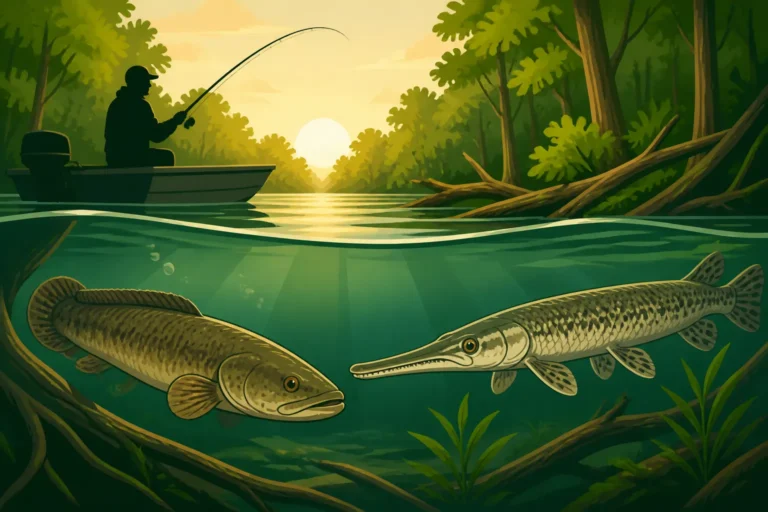
The flathead catfish is the bruiser of the bunch, known for its unique flat head, broad mouth, and square, unforked tail. Unlike channel and blue cats, flatheads are solitary, ambush predators that prefer live bait and chunky cover. They're incredibly territorial and will hold tight to fallen trees, log jams, rock piles, and deep undercut banks. Their diet consists almost exclusively of live fish – anything from bluegill and sunfish to carp and suckers. If it's swimming and they can ambush it, they'll eat it. This preference for live bait and specific structure makes them a challenging but incredibly rewarding catch.
Flatheads are known for their immense power and stubborn fight, often trying to burrow back into the snags they call home. Landing one of these giants from dense cover requires strong nerves and even stronger gear. Heavy-action rods, strong mono or braided line, and robust hooks are non-negotiable. While they don't school up like blue cats, finding one good flathead spot can often mean finding several in similar nearby cover. Be sure to be aware of the Illinois Flathead Catfish Daily Limit Rules to ensure you're fishing responsibly.
| Catfish Species | Average Adult Size (Mississippi River) | Primary Diet Preference | Preferred Habitat | Tail Shape |
|---|---|---|---|---|
| Channel Catfish | 5-20 lbs (up to 30+ lbs) | Omnivorous (cut bait, worms, stink bait, small fish) | Moderate current, rocky areas, brush piles | Deeply Forked |
| Blue Catfish | 20-80 lbs (up to 100+ lbs) | Piscivorous (fresh cut bait, whole dead fish) | Deep, fast current, main channels, scour holes | Deeply Forked |
| Flathead Catfish | 10-60 lbs (up to 80+ lbs) | Live Fish (bluegill, suckers, carp) | Heavy cover, log jams, undercut banks, low current | Square/Slightly Rounded |
Prime Southern Illinois Catfish Hotspots
The beauty of the Mississippi River in southern Illinois is its sheer diversity of potential catfish holding areas. From vast open stretches to intricate backwater systems, knowing where to focus your efforts can make all the difference between a slow day and a banner catch. The "Mississippi River Catfish: Why Southern Illinois Waters Produce So Many" is a testament to the abundance these spots provide.
Confluence Areas and Major Tributaries
Confluence areas, where major tributaries like the Ohio River or smaller rivers and creeks meet the Mississippi, are absolutely prime locations for catfish. These junctions create massive current seams, eddies, and upwellings that concentrate baitfish and nutrients, essentially ringing the dinner bell for catfish. The varying water temperatures and clarity from the converging waterways also act as magnets for fish. Catfish will stack up in these areas, especially where deeper holes or structural elements (like submerged rock or fallen trees) are present within the confluence zone.
Beyond the immediate confluence, the mouths of these tributaries themselves can be fantastic. Rivers like the Kaskaskia or Big Muddy, as they approach the Mississippi, often have deeper holes, brush piles, and slower currents that hold good numbers of channel cats and flatheads. These areas provide a break from the main river's flow and offer sanctuary and feeding opportunities. Always pay attention to navigation charts or depth finders to identify abrupt depth changes or hidden structure in these productive zones.
Locks, Dams, and Deep Channels
The series of locks and dams along the Mississippi River are catfish factories, plain and simple. While navigating near these structures requires extreme caution and adherence to all safety regulations, the fishing immediately downstream can be phenomenal. The churning water below a dam is super-oxygenated and disorients baitfish, creating an easy meal for powerful catfish. Blue catfish, in particular, are drawn to the deep, fast-moving water directly below the dam, where they can gorge on stunned baitfish.
Similarly, the deep main channels used by barge traffic, along with adjacent scour holes, are perennial hotspots. Catfish will often congregate along the edges of these channels, using the subtle current breaks to their advantage. Look for sharp drop-offs, underwater humps, or any irregularity on your depth finder. Wing dams, structures built perpendicular to the bank to maintain channel depth, also create incredible current seams and deep scour holes on their downstream side, offering excellent ambush points for all three major catfish species. When fishing these areas, using heavier weights to hold your bait on the bottom is crucial, and you might even find specialized heavy-duty gear on Amazon that helps tackle the strong currents.
Backwater Lakes and Floodplain Habitats
As mentioned before, the extensive backwater lakes, sloughs, and floodplain habitats are unsung heroes of southern Illinois catfishing. These areas, though often overlooked by main-channel anglers, provide critical habitat, especially for flatheads and large channel cats. During periods of high water, fish will move into these flooded timber and vegetation-rich areas to feed and spawn. As water levels recede, they become concentrated in the deeper pockets, channels, and entrances to these backwaters.
These calmer waters are perfect for targeting flatheads with live bait, as the heavy cover provides the perfect ambush points for these predatory fish. Look for areas with dense laydowns, stumps, or submerged logs. The entrances and exits to these backwater areas are key transitional zones where fish will move between the main river and the calmer waters. Even during normal water levels, many permanent backwater lakes hold resident populations of big catfish that rarely venture into the main current. Understanding Mississippi River Fishing in Illinois: Which Species Live Where can help you determine the best approach for these diverse habitats.
Essential Techniques and Baits for Mississippi River Catfish
Landing a big catfish from the Mississippi River in southern Illinois isn't just about showing up; it's about understanding the specific techniques and baits that effectively target these powerful fish in such a dynamic environment. Your approach will vary depending on the species you're after and the specific river conditions.
Bottom Fishing and Stationary Rigs
Bottom fishing is perhaps the most common and effective technique for all three species of Mississippi River catfish. This involves using a weight to keep your bait on the river bottom, where catfish spend most of their time feeding. There are several popular rigs:
- Carolina Rig (Santee Cooper Rig): A sliding sinker (often an egg sinker or no-roll sinker) is threaded onto your main line, followed by a bead to protect the knot, then a swivel. A leader of monofilament or fluorocarbon (typically 12-24 inches) is tied to the other end of the swivel, and then your hook. This allows the bait to drift naturally with the current a short distance from the weight.
- Three-Way Swivel Rig: A three-way swivel is tied to the main line. One eye gets a dropper line to a heavy sinker, another gets a leader to your hook, and the third connects to your main line. This rig is great for holding bait in strong currents without it tumbling downstream.
- Slip Sinker Rig: Similar to a Carolina rig but often with a heavier, more streamlined sinker. This is fantastic for current as the line can still move through the sinker, allowing the fish to pick up the bait without feeling immediate resistance from the heavy weight.
For these rigs, using heavy tackle is non-negotiable. Look for stout catfish rods and reels spooled with at least 30-pound monofilament or, more commonly, 50-80 pound braided line. If you're new to this, a visit to a local tackle shop or a quick browse on Amazon for "heavy duty catfish rods" can set you on the right path. For a deeper dive into the setup, check out How to Bottom Fish for Catfish.
Jug Fishing and Trotlines
For those looking to cover more water or fish multiple baits simultaneously, jug fishing and trotlines are popular and highly effective methods on the Mississippi River, particularly for blue and channel catfish.
- Jug Fishing: This involves setting individual lines attached to buoyant jugs or floats. Each jug has a weighted line with a hook (or multiple hooks) baited and allowed to drift with the current. When a fish bites, the jug starts to move erratically, alerting you to a strike. Jug fishing can be incredibly exciting as you chase down a bobbing jug with a big cat on the other end. Regulations vary, so always check local rules regarding the number of jugs, bait restrictions, and marking requirements.
- Trotlines: A trotline is a main line stretched across a section of the river or a backwater, with numerous snelled hooks attached at intervals. One end is anchored to the bank or a heavy weight, and the other is anchored similarly. Trotlines allow you to present many baits in a specific area for extended periods. They are highly efficient for harvesting multiple catfish. Again, strict regulations apply to trotlines, including length limits, number of hooks, tag requirements, and placement rules. Make sure you understand How to Set Up a Trotline for Catfish and all legal stipulations before deploying one.
Both of these methods require proper planning, safety measures, and adherence to Illinois Department of Natural Resources (IDNR) regulations. They can be incredibly productive but demand respect for the river and its rules.
The Best Baits for River Catfish
Bait selection is critical and often species-specific:
- Channel Catfish: These are the least picky. Stink baits (commercial dips or homemade concoctions), chicken livers, nightcrawlers, shrimp, and cut bait (shad, skipjack herring, carp) are all excellent choices. For Best Bait for Illinois Channel Catfish, consider how scent disperses in current.
- Blue Catfish: Fresh cut bait is king for blues. Shad, skipjack herring, carp, buffalo, and even chunks of drum are highly effective. The fresher, the better, as blues are primarily visual and scent-driven predators looking for injured or dead fish. Live bait can also work, but cut bait is often preferred for ease of use and scent trail.
- Flathead Catfish: Live bait is almost exclusively preferred. Bluegill, sunfish, shad, suckers, and small carp are prime choices. The bait should be lively and presented near cover. A stout circle hook, typically 7/0 or larger, is essential for a good hookup without deep-hooking the fish when using live bait. For specific insights, read up on Best Live Bait for Flathead Catfish.
No matter the bait, fresh is almost always best. Keep your baits cool, fresh, and lively (if using live bait) for optimal results.
Understanding the Mississippi River's Influence on Catfish Growth
The sheer magnitude and unique characteristics of the Mississippi River play an undeniable role in why its southern Illinois waters are so prolific for catfish, not just in numbers but in the incredible sizes they attain. It’s a delicate balance of environment, food, and opportunity that allows these fish to thrive.
Nutrient-Rich Waters and Fast Growth Rates
The Mississippi River is a colossal conveyor belt of nutrients. Its vast watershed drains a huge portion of the North American continent, carrying fertile topsoil, organic matter, and dissolved minerals from countless streams and rivers. This constant influx of nutrients fuels a rich primary productivity, supporting abundant phytoplankton and zooplankton, which are at the base of the river's food web. This translates to an ecosystem brimming with small baitfish, crustaceans, and insects – a never-ending buffet for growing catfish.
With such a plentiful food supply and a generally warmer climate in southern Illinois compared to northern stretches of the river, catfish experience accelerated growth rates. They don't have to expend as much energy searching for food, allowing them to allocate more resources to growth and reproduction. This nutrient density is a key factor in why anglers can consistently pull out large channel, blue, and flathead catfish from these waters; the river simply provides the fuel for them to become giants.
Habitat Diversity and Large Fish Size
Beyond just food, the Mississippi River offers an astonishing array of diverse habitats, each catering to different life stages and preferences of catfish. From the swift, deep main channels and rocky wing dams that big blue cats adore, to the sluggish, timber-choked backwaters and oxbows where flatheads reign, and the transitional areas favored by channel cats, there's a perfect niche for every species. This diversity means less competition for resources within a specific niche and more specialized environments for fish to grow large and mature.
The sheer volume of water also provides ample space, reducing overcrowding that can stunt growth in smaller systems. Large, mature fish require extensive territories, and the Mississippi provides this on an epic scale. The intricate network of cover, from submerged trees and rock piles to undercut banks and deep holes, offers protection from predators and strong currents, allowing catfish to conserve energy and grow. This rich mosaic of habitats is why Illinois Blue Catfish: Where the Biggest Fish Are Caught is often directly linked to the deep, complex structures of the Mississippi.
Seasonal Movements and Feeding Patterns
Catfish in the Mississippi River are highly attuned to seasonal changes in water temperature, flow, and food availability, leading to predictable movements and feeding patterns that anglers can exploit.
- Spring: As water temperatures rise, catfish become more active, moving into shallower backwater areas and tributary mouths to spawn. They'll feed heavily during the pre-spawn, gorging themselves to build energy reserves. This can be a fantastic time for active fishing.
- Summer: During the heat of summer, catfish often seek out deeper, cooler water in the main channel or areas with current and shade. They remain active feeders, especially during dawn, dusk, and nighttime hours. This is prime time for trotlining and jug fishing.
- Fall: As water temperatures cool, catfish often move back into shallower areas and concentrate in deep holes as they prepare for winter. They enter another heavy feeding period, taking advantage of abundant baitfish before the cold sets in.
- Winter: While activity slows, catfish don't stop eating. Big blue cats, in particular, will aggregate in deep holes and scourges in the main channel, where they can be targeted effectively with heavy cut bait.
Understanding these patterns is crucial. For instance, knowing when catfish will be transitioning from main river to backwater is key to finding them. Anglers who track water temperature and river levels can often predict where the fish will be holding, leading to more productive outings. The river's constant flow means that even small changes can trigger significant movements, making local knowledge or a good river guide invaluable.
Conservation and Regulations for Sustainable Catfishing
While the Mississippi River in southern Illinois is a catfish paradise, it's vital for all anglers to practice responsible fishing and be aware of the regulations in place. These rules aren't designed to make fishing harder; they're there to ensure that this incredible resource remains healthy and productive for generations to come. After all, we want our kids and grandkids to experience the thrill of a monster Mississippi River catfish! It's important to have your Illinois Fishing License Guide for 2026 in order before you even cast a line.
Illinois Catfish Daily Limits
Illinois has specific daily catch and possession limits for various fish species, and catfish are no exception. These limits are set by the Illinois Department of Natural Resources (IDNR) to manage fish populations and prevent overfishing. While general statewide limits apply, it's absolutely crucial to remember that some specific stretches of the Mississippi River, or certain backwater lakes, might have their own special regulations that supersede the statewide rules.
For example, there's a general daily limit for channel catfish, but you might find different limits or even size restrictions for blue catfish or flathead catfish, especially for larger trophy-sized fish. It's not uncommon for regulations to allow for a certain number of smaller fish to be kept, but only one or two over a specific trophy size. Always consult the current Illinois Fishing Information Guide or check the IDNR website for the most up-to-date and site-specific regulations before you fish. Ignorance of the law is never an excuse, and game wardens on the Mississippi are very diligent. Just a quick reminder to refresh your memory on the Illinois Channel Catfish Daily Limit Explained, Illinois Blue Catfish Daily Limit: What You Need to Know, and Illinois Flathead Catfish Daily Limit Rules to be completely prepared.
Understanding Site-Specific Rules
The Mississippi River is vast, and its regulations can be complex due to its nature as a border water. What's allowed on one pool or in a specific backwater lake might be different just a few miles upstream or downstream. Factors like reciprocal agreements with neighboring states (Missouri, Iowa) or local management plans for particular areas can lead to variations. For instance, the limits for catfish on Pool 24 of the Mississippi might differ from those on Pool 26.
Beyond species-specific limits, you also need to be aware of regulations regarding fishing methods (e.g., limitations on trotlines or jug lines), bait restrictions, and even specific times of year when certain areas might be closed to fishing. Always look for signage at boat ramps, check the IDNR website, or consult local bait shops – these small businesses are often invaluable sources of current, hyper-local information. A quick read of Catfish Limits Compared to Walleye Limits in Illinois can also give you a broader perspective on how different species are managed. Don't assume that just because you know the rules for your favorite lake, they apply universally to the entire Mississippi River.
Practicing Responsible Catch and Release
Even when within legal limits, practicing responsible catch and release, especially for larger trophy catfish, is a hallmark of a good angler. Big breeding fish are crucial for maintaining healthy populations. Here are some tips for handling catfish:
- Minimize Fight Time: Use appropriate tackle to land fish quickly, reducing stress. You don't want to exhaust a trophy fish to the point of no return.
- Wet Hands: Always wet your hands before handling fish to protect their protective slime coat, which is vital for disease resistance.
- Support the Fish: For large catfish, support their body weight horizontally, especially if you're holding them for a quick photo. Avoid holding them vertically by the jaw, as this can damage their internal organs.
- Quick Release: Have your camera ready, snap your photo quickly, and get the fish back in the water as fast as possible.
- Revive if Necessary: If a fish appears sluggish, hold it gently in the water, facing the current, until it can swim away under its own power. Sometimes a gentle back-and-forth motion can help oxygenate its gills.
- Barbless Hooks: Consider using barbless hooks or pinching down barbs, especially when planning to release fish. This makes hook removal quicker and less damaging.
By following regulations, respecting the resource, and practicing ethical angling, we can all contribute to keeping southern Illinois's Mississippi River a world-class destination for catfish for years to come.
Disclaimer
This article is for general informational purposes only and does not constitute professional advice. Laws, prices and regulations vary by location and change over time. Consult a qualified professional for guidance on your specific situation.