Illinois Blue Catfish: Where the Biggest Fish Are Caught
If you've spent any time chasing catfish in Illinois, you know the thrill of a big bend in your rod. But let's be honest, sometimes it feels like those monster blue catfish are just a myth, only existing in old fishing tales. It can be incredibly frustrating to put in the time and effort, only to consistently reel in smaller channel cats when your heart is set on a true leviathan. This guide is here to cut through the noise and show you exactly where the biggest blue catfish in Illinois are actually caught and the strategies you need to employ to land one.
The Mighty Illinois Blue Catfish: Understanding the Giants
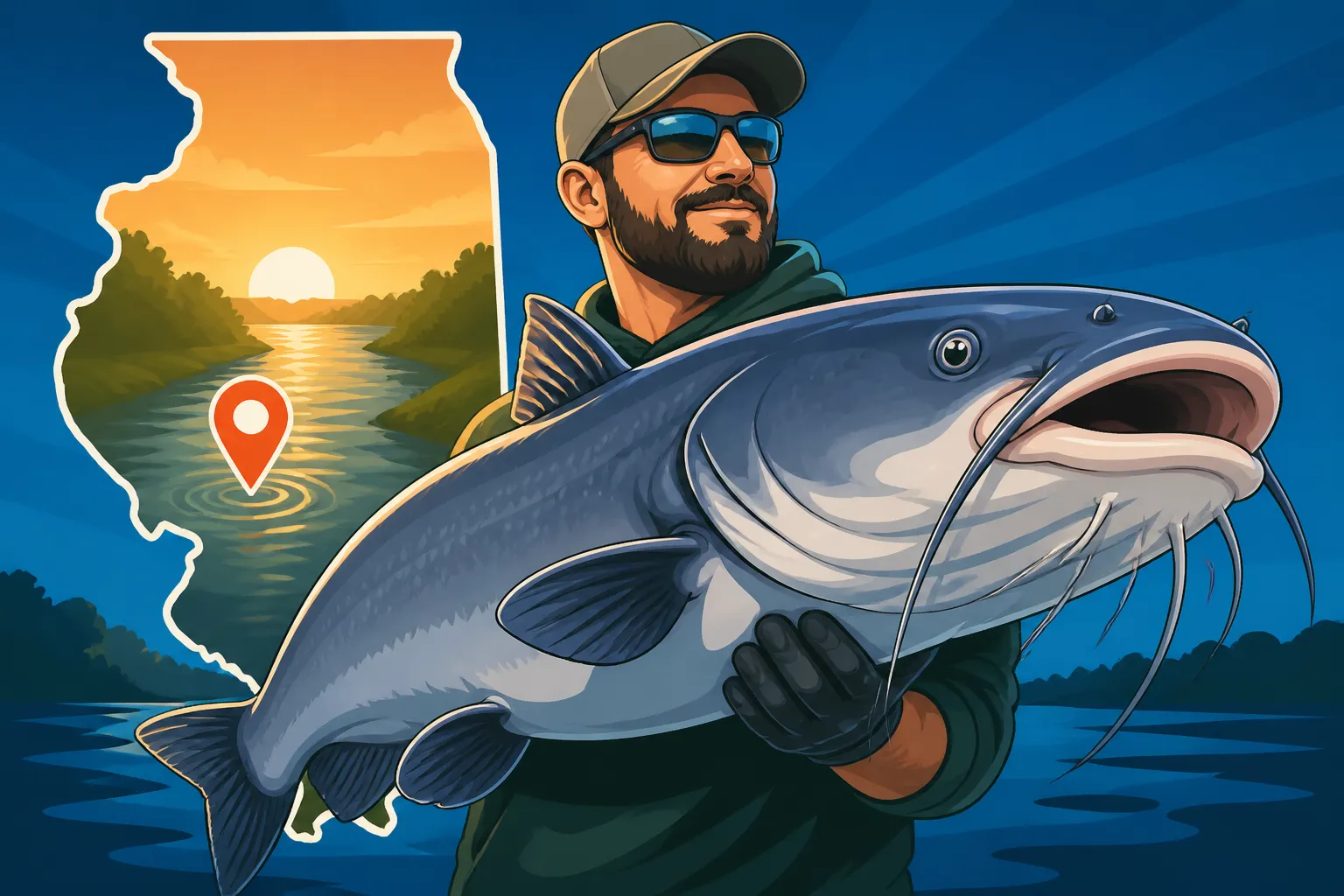
The blue catfish (Ictalurus furcatus) is a fish of impressive proportions, capable of growing to immense sizes, far surpassing its cousins, the channel and flathead catfish, in sheer bulk. In Illinois, catching a blue catfish over 20 pounds is a significant achievement, and truly massive specimens pushing 50 pounds or more are the stuff of angling legends. But what makes these fish so special, and how do you even tell them apart from other catfish species?
Identifying Your Quarry: Blue Catfish vs. Their Cousins
Distinguishing a blue catfish from a channel catfish or even a flathead is crucial, not just for bragging rights, but often for understanding regulations, too. Blue catfish have a deeply forked tail, a relatively straight anal fin with 30-35 rays, and a typically uniform blue-gray color on their back and sides, fading to a white belly. They lack the dark spots often found on channel catfish, and their head is generally smaller and more streamlined than a flathead's broad, flattened head. Their jaws are also terminal, meaning the upper jaw extends slightly beyond the lower.
Comparing them directly, you'll notice that channel catfish have a rounded anal fin with fewer rays (typically 24-29) and those tell-tale spots, especially when younger. Flathead catfish, on the other hand, have a much flatter head (hence the name!), a lower jaw that protrudes beyond the upper, and a rounded, paddle-like tail, not forked at all. They also tend to be mottled brown and yellow. If you're unsure, it's always worth taking a moment to identify your catch properly. Blue Catfish vs Channel Catfish: How to Tell Them Apart offers a deeper dive into these identification nuances.
Life Cycle and Growth Habits of Illinois Blue Catfish
Blue catfish are long-lived fish, capable of surviving for several decades, which is part of why they can reach such astounding sizes. They are highly migratory, often moving long distances within river systems, especially during spawning periods or in response to food availability. Unlike flatheads, which prefer live bait and ambush tactics, blue catfish are generalist omnivores, feasting on smaller fish, mussels, crayfish, and even detritus. This adaptability to diet is one reason they can thrive and grow so large in diverse environments.
Their growth rate is influenced by many factors, including water temperature, food abundance, and population density. In prime Illinois waters, with ample food and space, they can pack on pounds quickly, laying the groundwork for those truly trophy-sized fish that anglers dream of. Understanding their habits is the first step in consistently putting yourself in front of bigger fish. Catfish Species Comparison: Channel vs Blue vs Flathead Size and Taste can give you more context on the various catfish in our waters.
Prime Hunting Grounds: Where Illinois Hides Its Biggest Blue Catfish
Forget the small ponds and quiet creeks if you're seriously hunting for a blue catfish that will test your tackle. Illinois's biggest blue catfish aren't found just anywhere; they thrive in vast, nutrient-rich river systems where they have abundant food sources and plenty of deep, current-swept habitat. When we talk about trophy blue cats, one location stands head and shoulders above the rest.
The Mighty Mississippi River: Blue Catfish Capital
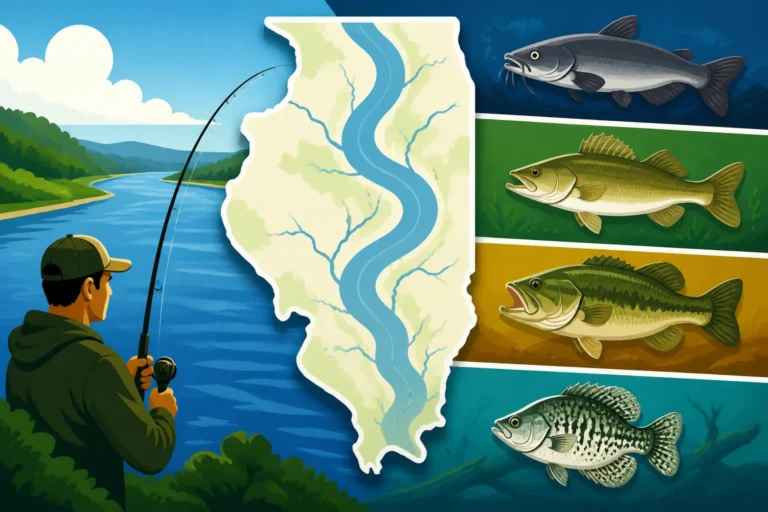
There's no sugarcoating it: if you want to catch the biggest blue catfish in Illinois, you must fish the Mississippi River. This colossal waterway provides the ideal environment for these giants to grow to their full potential. The sheer volume of water, diverse forage, and complex bottom structure of the Mississippi create a perfect ecosystem for blue catfish.
Specifically, the stretches of the Mississippi River in southern Illinois, from the confluence with the Missouri River downstream, are legendary. This area is rich in deep channels, swift currents, and huge scour holes where large blue catfish congregate. The influx of nutrients and baitfish from the Missouri River acts like a perpetual buffet for these hungry predators. Anglers frequently report and land fish well over 50 pounds in these waters, with whispers of even larger, state-record contenders lurking in the depths. If you're planning a trip to this region, you absolutely need to read Mississippi River Catfish Fishing in Southern Illinois and Mississippi River Catfish: Why Southern Illinois Waters Produce So Many to get the full picture.
Other Notable River Systems and Reservoirs
While the Mississippi is king, other large river systems in Illinois can also produce impressive blue catfish, though perhaps not with the same consistency or size potential as the Mississippi.
- Illinois River: The Illinois River, particularly its lower reaches before joining the Mississippi, can hold good populations of blue catfish. It shares some of the characteristics of the Mississippi, including deep navigation channels and abundant baitfish. While you might not find as many giants as on the Mississippi, it's still a viable option for strong blue cats.
- Ohio River: Forming Illinois's southern border, the Ohio River is another powerhouse for large catfish. Like the Mississippi, it's a massive, navigable river with deep scour holes, timber, and strong currents that blue catfish love. Anglers targeting the Ohio River can also find themselves wrestling with some truly enormous fish.
- Large Reservoirs (with caveats): Some of Illinois's larger reservoirs, like Carlyle Lake, Rend Lake, or Lake Shelbyville, primarily known for channel and flathead catfish, might occasionally produce blue catfish, especially if they have strong riverine influences or have been stocked. However, these fish rarely reach the gargantuan sizes found in the Mississippi or Ohio rivers due to different habitat and food availability. For the dedicated trophy blue cat hunter, the major rivers remain the superior choice.
Best Spots within the Mississippi River for Trophy Blues
Within the vastness of the Mississippi, certain areas are renowned hotspots for giant blue catfish.
- Deep Scour Holes: Look for the deepest holes in the river, often found downstream of wing dams, bridge pilings, or sharp bends in the channel. These areas offer shelter from the current and concentrate baitfish, making them prime feeding grounds.
- Confluence Areas: Where major tributaries like the Missouri or Kaskaskia rivers meet the Mississippi, the mixing waters create turbulent currents and deposit nutrients, drawing in baitfish and, subsequently, the big blue cats.
- Main River Channels: Focus on the main navigation channel, especially areas with distinct drops-offs or submerged structure like old timber or rock piles. These spots are often overlooked by casual anglers but can hold the biggest fish.
- Barge Traffic Areas: While it might seem counterintuitive, the stirring created by barge traffic can dislodge bait and create current breaks, making these areas attractive to feeding blue catfish. Just be sure to practice extreme caution and maintain safe distances from commercial traffic.
Here's a quick look at the major catfishing waters in Illinois:
| Waterway | Primary Catfish Species | Blue Catfish Potential | Typical Size Range (Blue Catfish) | Notes |
|---|---|---|---|---|
| Mississippi River | Blue, Channel, Flathead | Excellent | 20-100+ lbs | Best for trophy blues, especially southern stretches |
| Ohio River | Blue, Channel, Flathead | Very Good | 15-80+ lbs | Strong currents, deep holes, rich in forage |
| Illinois River | Channel, Flathead, some Blue | Good | 10-50 lbs | Lower reaches best for blues; mostly channels/flats |
| Carlyle Lake | Channel, Flathead (stocked), occasional Blue Catfish | Moderate | 5-30 lbs | Known for channel and flathead, blues less common |
| Rend Lake | Channel, Flathead (stocked), occasional Blue Catfish | Moderate | 5-25 lbs | Primarily channel and flathead fishery |
| Lake Shelbyville | Channel, Flathead (stocked), occasional Blue Catfish | Moderate | 5-25 lbs | Good for channels/flats, blues are a bonus |
Tactics for Targeting Trophy Blue Catfish
Catching a truly massive blue catfish isn't just about showing up with a rod and reel. It requires specific gear, bait, and techniques tailored to these powerful, deep-water residents. You need to be prepared for a fight, because a 50-pound blue cat will definitely give you one!
Gearing Up for Battle
When it comes to blue catfish, "heavy duty" is the name of the game. Your average bass or crappie setup simply won't cut it.
- Rods: Look for sturdy, heavy-action rods, ideally 7 to 10 feet long. These longer rods help with casting heavy weights, fighting powerful fish, and keeping your line clear of snags in strong currents. Brands like Ugly Stik or Penn offer excellent, durable options for serious catfish anglers.
- Reels: A robust baitcasting reel with a strong drag system and high line capacity is essential. Conventional reels are also popular for their power and ability to handle heavy lines. Make sure it can hold at least 200-300 yards of 30-50 pound test line. You can find some excellent deals on heavy-duty reels on Amazon, often with reviews from other trophy catfish anglers.
- Line: Monofilament line in the 30-50 pound test range is a good all-around choice, offering good abrasion resistance. Braided line (50-80 pound test) is also popular for its zero stretch and incredible strength, which is a huge advantage when fishing deep water and strong currents. A heavy leader of fluorocarbon or thick monofilament (80-100 pound test) is also wise to prevent abrasion from sharp teeth or submerged snags. For some serious stopping power, check out Heavy Tackle for Mississippi River Catfish in Illinois.
- Hooks: Large, strong circle hooks are preferred for blue catfish. Sizes 8/0 to 12/0 are common, depending on your bait size. Circle hooks greatly increase hook-up ratios and reduce gut-hooking, making for healthier releases of smaller fish.
- Weights: You'll need heavy weights to hold your bait in the strong Mississippi River currents. Pyramid, no-roll, or flat sinkers in the 4-10 ounce range are typical, sometimes even heavier in extremely fast water.
Baiting the Big Ones
Blue catfish are not picky eaters, but when targeting trophy fish, bigger and fresher is almost always better.
- Cut Bait: This is the undisputed champion for big blue catfish. Fresh cut bait from oily fish like shad, skipjack herring, carp, or even buffalo is incredibly effective. Cut the bait into large chunks, ensuring each piece has some skin and scales for scent. You can often buy frozen skipjack or shad from local bait shops near the Mississippi, but catching your own fresh bait is usually superior.
- Live Bait (less common for blue cats, but still works): While flatheads are strictly live bait eaters, blue catfish will also take live bait. Small sunfish, shad, or even smaller carp can be effective, especially when fished near structure.
- Prepared Baits: Stink baits, punch baits, or dip baits, while popular for channel catfish, are generally less effective for trophy blue cats. They'll catch smaller blues, but the giants usually prefer natural, meaty offerings.
- Where to get bait: Many local bait shops along the Mississippi River offer fresh or frozen cut bait specific to big catfish. Alternatively, for those who prefer to source specialized items, you might find some unique bait additives or tools for preparing cut bait on Amazon that can give you an edge. For more specific recommendations, don't miss Best Bait for Blue Catfish.
Effective Fishing Techniques
- Bottom Fishing: This is the primary method for blue catfish. Use a Carolina rig or a three-way swivel rig to present your bait on the bottom. The Carolina rig is simple and effective: slide an egg sinker (or other heavy weight) onto your main line, tie on a swivel, then attach a 12-24 inch leader of heavy monofilament or fluorocarbon to your circle hook.
- Anchoring Upstream: Position your boat upstream of a deep hole or structure, then cast your baits downstream into the target area. Let the current carry your scent and bait naturally into the fish. Use a heavy anchor system to ensure you stay put in the strong current.
- Drifting: In some situations, especially when fish are scattered, drifting cut bait along the bottom can be very effective. Use controlled drifts, often with a trolling motor, to cover more water while keeping your bait in the strike zone.
- Rod Holders: When fishing with multiple rods (check local regulations on how many rods you can use!), sturdy rod holders are crucial. When a big blue hits, it will hit hard, and you don't want your rod going overboard.
Remember, patience is key. Trophy blue catfish don't bite every minute. Set up your baits, be prepared, and wait for that rod to double over. You can learn more about specific setups in Catfish Bottom Fishing Techniques.
Conservation and Regulations for Illinois Blue Catfish
Catching these magnificent fish is a privilege, and it comes with the responsibility of understanding and adhering to Illinois fishing regulations. These rules are in place to protect fish populations and ensure healthy fisheries for future generations. Ignoring them can lead to hefty fines and loss of fishing privileges.
Illinois Blue Catfish Daily Limits and Size Restrictions
Illinois has specific regulations regarding blue catfish, including daily catch limits and sometimes size restrictions, especially on certain waters. It's absolutely crucial to consult the most current Illinois Department of Natural Resources (IDNR) Fishing Information Guide before you head out. These guides are updated annually, and rules can change.
Generally, blue catfish are part of a broader catfish aggregate daily limit, but there might be specific nuances for blue catfish on certain rivers or lakes. For instance, on the Mississippi River, there could be different aggregate limits than on smaller inland lakes. Always check the site-specific regulations for the exact stretch of river or lake you plan to fish. Misinterpreting the rules is no defense. Make sure you're crystal clear on Illinois Blue Catfish Daily Limit: What You Need to Know.
Importance of Responsible Angling
Practicing catch-and-release, especially for the largest blue catfish, is vital for maintaining trophy fisheries. These big fish are the prime breeders and contribute significantly to the genetic health of the population. If you do decide to keep a fish, only keep what you'll reasonably consume, and respect any slot limits or maximum size limits that might be in place to protect the largest spawners.
Proper handling of large fish is also paramount. Use large landing nets or lip grippers to bring the fish into the boat, and minimize its time out of water. If releasing, ensure it's revived properly before letting it go. A quick photo is fine, but the fish's health should always be the priority.
General Illinois Fishing Regulations to Keep in Mind
Beyond specific blue catfish rules, remember the foundational Illinois fishing regulations that apply to all species.
- Fishing License: You absolutely need a valid Illinois fishing license. This is non-negotiable. Whether you're a resident or non-resident, annual or short-term, make sure your license is current. Illinois Fishing Regulations Overview is a great resource to ensure you're compliant.
- License Year: The Illinois fishing license year typically runs from April 1st through March 31st of the following year. Don't get caught out with an expired license!
- Site-Specific Rules: Always, always check the specific regulations for the body of water you're fishing. Many lakes and river segments have special rules that supersede the statewide regulations, especially concerning length limits and daily creel limits for certain species.
- Prohibited Methods: Familiarize yourself with prohibited fishing methods, such as snagging, shocking, or using certain types of nets (unless specifically permitted and licensed).
Adhering to these rules isn't just about avoiding fines; it's about being a responsible steward of Illinois's incredible fishing resources. Let's keep those monster blue catfish thriving for generations to come.
Disclaimer
This article is for general informational purposes only and does not constitute professional advice. Laws, prices and regulations vary by location and change over time. Consult a qualified professional for guidance on your specific situation.