Rend Lake’s Giant Bluegill: Why They Grow So Big
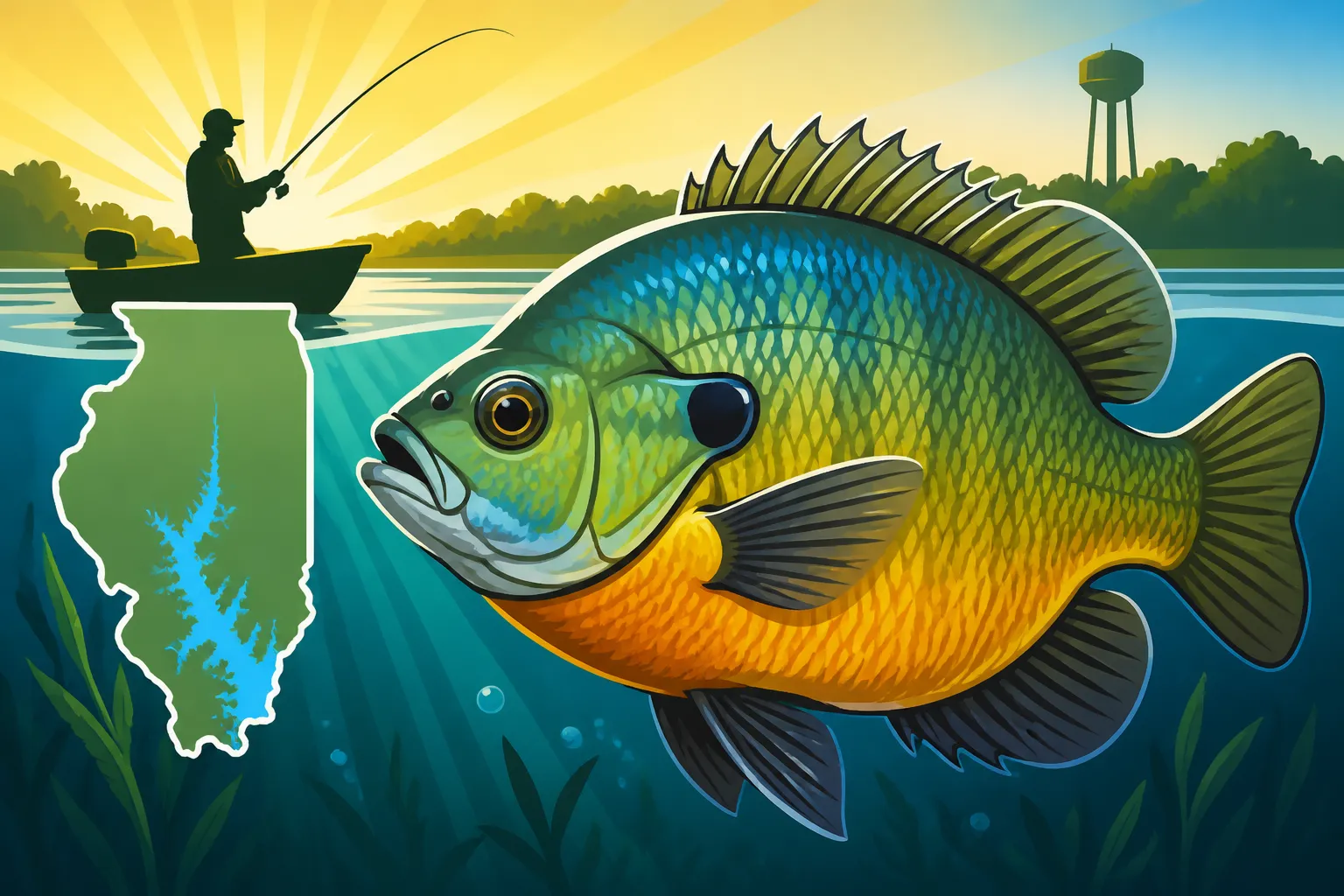
It can be incredibly frustrating when you're out on the water, fishing for bluegill, and all you're pulling in are those tiny, pan-sized ones that barely make a meal. You hear stories about anglers catching true slabs, giant bluegill that practically bend your rod, and you start to wonder if those places even exist. Well, I'm here to tell you they do, and Rend Lake in Illinois is one of those magical spots. This guide is going to deep-dive into why Rend Lake bluegill grow to such impressive sizes, far beyond what you might expect, and how you can go about catching one of these giants yourself.
Understanding Bluegill Growth Factors
The size a bluegill can reach isn't just about luck; it's a complex interplay of several environmental and biological factors. While a bluegill might grow to decent size in many Illinois waters, reaching that "giant" status requires a perfect storm of conditions. It's truly fascinating to break down what makes certain fish thrive and grow beyond their average counterparts.
Genetics and Lifespan
Just like us, fish have genetic predispositions. Some bluegill simply have the genetic makeup to grow larger and live longer than others. However, good genes alone aren't enough; they need the right conditions to express that potential. A bluegill typically lives for 5 to 6 years, but in optimal conditions with plenty of food and less predation, they can extend that lifespan, giving them more time to grow. Rend Lake seems to provide an environment where these longer-lived, genetically superior fish have a real chance to flourish. It's not just about surviving, it's about thriving for more seasons, adding those crucial inches and ounces year after year.
Diet and Abundance of Food
Think about it: if you have an endless supply of nutritious food, you're more likely to grow bigger and stronger, right? The same goes for bluegill. Their diet primarily consists of insects, insect larvae, small crustaceans, snails, and even the eggs or fry of other fish. A lake rich in these forage items means bluegill don't have to expend a lot of energy searching for food; they can focus that energy on growth. When the food source is not only abundant but also diverse and nutrient-dense, you start seeing bluegill that are not just long, but also incredibly plump. This readily available buffet is a cornerstone of Rend Lake's success in producing trophy bluegill.
Water Quality and Habitat
Healthy fish come from healthy water. Good water quality, including proper oxygen levels, stable pH, and minimal pollution, is absolutely crucial for fish health and growth. Beyond just water quality, the physical habitat plays a huge role. Bluegill love structure – submerged timber, weed beds, brush piles, rock formations, and even dock pilings. These areas provide shelter from predators, ambush points for feeding, and crucial spawning grounds. A diverse and rich habitat allows bluegill to find safety, food, and mates efficiently, reducing stress and promoting consistent growth. Rend Lake, with its sprawling acres and varied underwater landscape, offers a fantastic mosaic of these vital habitats.
Rend Lake's Unique Environmental Advantages
Rend Lake isn't just another body of water in Illinois; it possesses a unique combination of environmental characteristics that truly set it apart, especially when it comes to growing big bluegill. It’s almost like a custom-designed bluegill factory.
Size and Depth Variety
Rend Lake is a massive body of water, covering over 18,900 acres, making it one of the largest reservoirs in Illinois. This sheer size provides an incredible amount of diverse habitat, from vast shallow flats brimming with vegetation to deeper channels and creek beds. Bluegill can find comfortable zones regardless of the season or prevailing weather conditions. During warmer months, they might hug the shallow, weedy areas, while during colder periods, they can retreat to deeper, more stable temperatures. This variety ensures that bluegill always have optimal living conditions, reducing stress and allowing for consistent feeding and growth throughout the year. The expansive nature also means less fishing pressure on any single spot, allowing bluegill populations to thrive.
Vegetation and Structure
One of Rend Lake's most significant advantages is its incredible abundance of submerged vegetation and various forms of structure. Picture vast fields of coontail, pondweed, and lily pads, interspersed with flooded timber and artificial fish attractors. These are bluegill paradises! The dense vegetation offers perfect hiding spots from larger predators like bass and pike, allowing juvenile bluegill to grow to a respectable size before becoming easy targets. It's also a nursery for countless insects and small organisms that make up the bluegill's primary diet. The combination of dense plant life and woody cover creates an intricate ecosystem where bluegill can feed, hide, and spawn with relative safety and efficiency. This natural protection means more bluegill live longer, and longer-lived bluegill generally mean bigger bluegill. Rend Lake's Best Spots for Trophy Bluegill Over a Pound often feature this type of cover.
Water Temperature and Seasonality
Illinois experiences all four seasons, and Rend Lake's large volume helps to moderate water temperature fluctuations, creating a more stable environment for bluegill compared to smaller, shallower ponds. While bluegill are cold-blooded and their metabolism slows in winter, the lake's thermal properties ensure they don't face extreme temperature shocks. The extended warm seasons allow for prolonged periods of active feeding and growth. When the water warms up in spring, triggering the spawn and increasing insect activity, bluegill go into overdrive, packing on weight. Even in the shoulder seasons of early spring and late fall, the lake retains enough warmth or cools down slowly enough to keep bluegill active and feeding. This consistent, predictable environment contributes significantly to their ability to grow large.
Forage Base: The Key to Rend Lake's Giants
You simply can't have giant bluegill without an exceptional food source. Rend Lake isn't just big; it's a veritable smorgasbord for panfish, offering a rich and diverse diet that fuels their impressive growth. This consistent food supply is arguably the single most critical factor.
Invertebrate Abundance
The extensive submerged vegetation and diverse bottom structure of Rend Lake create ideal breeding grounds for a staggering array of invertebrates. Think about insect larvae, nymphs, worms, and tiny crustaceans – these are the bluegill's bread and butter. Dragonfly larvae clinging to weed stalks, mayfly nymphs burrowing in the mud, scuds darting through submerged grass – Rend Lake has them all in incredible numbers. These high-protein, easily digestible food items are available year-round, ensuring that bluegill always have something to munch on. When a bluegill can effortlessly find a meal, it expends less energy hunting and can convert more of that energy into growth, leading to those fat, healthy fish we all dream of catching.
Smaller Fish and Baitfish
While invertebrates are the main course, bluegill are opportunistic feeders and will readily consume smaller fish, minnows, and the fry of other species, including their own, when available. Rend Lake supports a healthy population of baitfish like shad, which, while primarily food for larger predators like bass and crappie, also contribute to the overall nutrient cycling and provide occasional easy meals for larger bluegill. This adds an extra layer of protein to their diet, particularly for the older, larger bluegill that are more capable of pursuing and consuming these quick snacks. A lake with a thriving baitfish population often indicates a healthy ecosystem where all species, including bluegill, can reach their full potential.
The Role of Ecosystem Health
Ultimately, the abundance of forage in Rend Lake is a testament to its overall ecosystem health. A balanced ecosystem, with a healthy food web and minimal environmental stress, allows all its inhabitants to thrive. This includes not just the bluegill themselves, but also the plankton they filter-feed on as juveniles, the aquatic insects they consume, and the vegetation that supports those insects. The ongoing efforts to manage water quality, control invasive species, and maintain habitat integrity all contribute to this robust food chain. When every link in the chain is strong, you get a ripple effect that results in exceptionally healthy, fast-growing fish. This holistic health is what truly separates Rend Lake and gives it the ability to produce those trophy bluegill.
Smart Management Practices and Regulations
It's not just Mother Nature working her magic at Rend Lake; human intervention through thoughtful management and regulations plays a crucial role in safeguarding the bluegill population and fostering the growth of those impressive slabs. Anglers often overlook how much effort goes into maintaining a healthy fishery.
Catch Limits and Size Restrictions
Illinois, through the Department of Natural Resources (IDNR), implements specific fishing regulations designed to protect and enhance fish populations. While statewide bluegill limits are generally quite liberal, specific lakes like Rend Lake might have nuanced rules. These regulations, such as daily catch limits, are vital for preventing overharvesting, especially of larger, mature breeding fish. When anglers are mindful of Illinois Fishing Season and Catch Limit Rules, it allows more bluegill to survive to older ages, increasing their chances of growing to trophy size. It also helps maintain a balanced population structure, reducing competition for food among smaller fish and ensuring that enough larger fish remain to pass on their "big fish" genes.
Habitat Preservation Efforts
The IDNR and local conservation groups are continuously working to preserve and enhance the crucial habitat within Rend Lake. This isn't just about protecting existing weed beds or flooded timber; it often involves active projects like planting new aquatic vegetation, installing artificial fish attractors, and managing water levels to promote beneficial plant growth. These efforts directly support the bluegill population by providing safe spawning grounds, abundant feeding areas, and vital cover from predators. Without these concerted habitat preservation efforts, even the most productive lake could see a decline in its prized fish populations. A healthy habitat is the foundation upon which giant bluegill are built.
Balancing Predator and Prey Populations
Effective fishery management also involves balancing predator and prey populations. In a lake like Rend, the health of the bluegill population is intricately linked to the health of its predators, primarily largemouth bass and crappie. If there are too many small bluegill, they can stunt due to overpopulation and competition for food. If there aren't enough predators, this can happen. Conversely, if there are too many large predators, they might decimate the bluegill population before they have a chance to grow. The IDNR regularly surveys fish populations, adjusting stocking programs or regulations to maintain this delicate balance. By ensuring a healthy predator population to thin out smaller bluegill, the remaining fish have less competition and more food, allowing them to grow faster and larger. This careful dance ensures a robust and diverse fishery where trophy bluegill can thrive.
How to Target Rend Lake's Trophy Bluegill
Now that we understand why Rend Lake produces such incredible bluegill, let's talk about the fun part: how you can actually get one of these giants on the end of your line. It's a bit different than just tossing a worm into any old pond.
Best Baits and Lures
Catching big bluegill often requires thinking a little differently than for their smaller cousins. While a simple worm under a bobber will always catch bluegill, for the giants, you might want to consider some specific presentations. Live bait is often king: small crickets, grasshoppers, wax worms, red worms, or even tiny minnows (if legal and appropriate for the size of bluegill you're targeting) can be irresistible. Remember, they're used to a rich diet.
For artificial lures, tiny jigs are incredibly effective. Think 1/32 to 1/16 ounce jigs, tipped with a small plastic grub, tube, or a feather tail. Colors can vary, but chartreuse, white, black, and natural insect patterns are usually solid choices. Ultra-light spoons or spinners can also entice a bite, especially when twitched near cover. Don't be afraid to experiment with slightly larger offerings than you might use for typical panfish – a bigger bluegill isn't afraid of a slightly bigger meal. Many of these effective baits and lures can be easily found on platforms like Amazon, making it convenient to stock up before your trip. You can find more specific advice in our guide on Best Bait for Bluegill Fishing.
Seasonal Strategies
The time of year significantly impacts where you'll find Rend Lake's giant bluegill.
- Spring (Pre-Spawn & Spawn): This is prime time! As water temperatures rise, bluegill move into shallower waters (2-8 feet) to feed aggressively before the spawn, and then to build their spawning beds. Look for them in protected coves, along gradual sloping banks, and around newly submerged vegetation. They can be very aggressive at this time.
- Summer (Post-Spawn & Deep Water): After the spawn, bluegill might scatter or move to slightly deeper water, often relating to submerged brush piles, weed lines, or main lake points. Early mornings and late evenings are best in the heat, or targeting shady areas and deeper structure during the day. Night fishing can also be surprisingly effective for large bluegill in summer.
- Fall: As water temperatures cool, bluegill will once again become more active feeders, often congregating in schools near deeper structure, channel edges, or the remaining green vegetation. They are trying to bulk up for winter, so they'll be on the prowl for food.
- Winter (Ice Fishing): For the brave ice anglers, bluegill can be found in deeper holes, often near transitions in depth or around subtle structure. Small jigs tipped with wax worms or spikes are deadly through the ice.
Understanding Illinois Fishing Seasons Guide can help you plan your trips effectively.
Gear Recommendations for Trophy Bluegill
You don't need heavy gear to catch giant bluegill, but using the right ultra-light setup will make the experience far more enjoyable and increase your chances of landing a true slab.
- Rod: An ultra-light spinning rod, 5 to 6 feet in length, with a fast action, is ideal. This allows you to cast those tiny baits and feel even the subtlest bites. Look for rods rated for 1-4 lb line.
- Reel: A small, lightweight spinning reel (500 or 1000 size) spooled with light line is perfect. Smooth drag is crucial for not breaking off those bigger fish.
- Line: 2 to 4 lb monofilament or fluorocarbon line is usually sufficient. Some anglers prefer a very thin braided line (4-6 lb test) with a 2-4 lb fluorocarbon leader for maximum sensitivity and casting distance.
- Bobbers: For live bait, small slip bobbers or fixed bobbers will keep your bait at the right depth. Consider specialized panfish bobbers that are more sensitive to light bites.
- Hooks: Tiny, sharp hooks are essential. Size 8 or 10 Aberdeen or panfish hooks are excellent for presenting live bait naturally.
- Terminal Tackle: A few split shot weights to get your bait down, and maybe some small swivels if you're experiencing line twist.
You can find a wide selection of these specialized ultra-light rods, reels, and terminal tackle on Amazon, often at very competitive prices. Investing in a good Best Beginner Bluegill Fishing Setup will pay dividends.
Comparing Rend Lake Bluegill to Other Waters
It's natural to wonder how Rend Lake stacks up against other fantastic fishing destinations in Illinois and beyond. While many lakes boast healthy bluegill populations, few consistently produce the sheer size that Rend Lake does.
Rend Lake vs. Other Illinois Lakes
Across Illinois, you'll find countless ponds, lakes, and reservoirs that hold bluegill. Lakes like Lake Shelbyville or Carlyle Lake have excellent panfish populations, and you can certainly catch nice bluegill there. However, the consistent reports and personal experiences of anglers point to Rend Lake as a standout for trophy-sized bluegill. The factors we've discussed—the expansive, diverse habitat, the incredibly rich forage base, and the balanced ecosystem—converge in a way that is simply more pronounced at Rend. Many lakes might have one or two of these elements, but Rend Lake seems to have the optimal combination, making it a truly exceptional fishery for panfish. This isn't to say other lakes aren't worth fishing; they absolutely are. But for those dedicated to catching a true "hand-sized" bluegill, Rend Lake offers a higher probability. Illinois Panfish Species: Bluegill, Crappie and Sunfish Explained offers more detail on our local panfish.
The Impact of Ecosystem Balance
The reason Rend Lake stands out isn't solely about its size or structure; it's also about a finely tuned ecosystem balance. In some smaller, unmanaged ponds, bluegill can become overpopulated, leading to "stunted" populations where most fish are small. They run out of food, and competition for resources means no fish can reach its growth potential. In contrast, Rend Lake's larger size, coupled with good management and a healthy predator population (like its robust bass and crappie), helps keep the bluegill population in check. The bass and crappie thin out the smaller, weaker bluegill, leaving more food and less competition for the remaining fish, which then grow bigger and faster. This natural selection, combined with an abundant food supply, is the secret sauce for Rend Lake's giant bluegill. It’s a delicate balance that fishery biologists work hard to maintain.
Why Rend Lake Bluegill Regularly Top a Pound
When you hear about bluegill topping the pound mark, or even approaching a pound and a half, it's often a fish that came from Rend Lake. This isn't a fluke; it's a pattern. The cumulative effect of its massive size providing diverse habitats, the seemingly endless buffet of aquatic invertebrates and small baitfish, a longer lifespan due to less stress and good genetics, and effective fishery management all contribute to this phenomenon. These bluegill have simply had every opportunity to grow without significant limitations. They're well-fed, they're safe, and they have enough space to spread out. When all these pieces fall into place, you get a fishery that consistently produces some of the biggest bluegill in the state, if not the entire Midwest. If you're looking for Where Can You Catch the Biggest Bluegill in Illinois?, Rend Lake is always at the top of the list.
| Factor | Typical Illinois Lake/Pond | Rend Lake | Impact on Bluegill Size |
|---|---|---|---|
| Size & Habitat Diversity | Smaller, less varied habitat | Vast (18,900 acres), diverse structure & vegetation | More space, varied cover, less pressure, extended growth |
| Forage Abundance | Moderate, can be limited in smaller waters | Extremely rich, diverse invertebrates & baitfish | Consistent, high-energy diet fuels rapid growth |
| Water Quality Stability | More prone to fluctuations in smaller bodies | Large volume moderates temperature/quality | Reduces stress, promotes consistent feeding/growth |
| Predator/Prey Balance | Can be imbalanced (stunting or over-predation) | Well-managed, healthy populations of bass/crappie | Thins out smaller bluegill, reducing competition |
| Lifespan Potential | Shorter due to environmental stress/overharvest | Longer due to optimal conditions & protection | More time for fish to grow larger |
| Management Practices | Varies, often less intensive | Active IDNR management, regulations, habitat work | Protects breeders, enhances habitat, sustains growth |
Disclaimer
This article is for general informational purposes only and does not constitute professional advice. Laws, prices and regulations vary by location and change over time. Consult a qualified professional for guidance on your specific situation.