Illinois Walleye vs Sauger: Which Fish Tastes Better?
It's a classic debate among Illinois anglers: you've landed a couple of beautiful fish, maybe one a walleye, the other a sauger, and now the big question looms – which one will taste better on the dinner plate? Many folks think they're interchangeable, but there are subtle differences that can really elevate your meal. This guide is all about diving deep into the culinary nuances of these two prized freshwater species, helping you decide which to savor for your next fish fry.
Understanding Walleye: The Midwest's Prized Catch
Ah, the walleye. Just the name itself conjures images of pristine northern lakes and cool, clear rivers. It's often hailed as one of the best-tasting freshwater fish, not just in Illinois, but across the entire Midwest. Anglers travel far and wide, spending hours on the water, precisely because of the reputation this fish has earned at the dinner table. It’s a lean, clean-eating fish, which makes it incredibly versatile in the kitchen.
Walleye's Distinctive Flavor Profile
When we talk about walleye, the first thing that usually comes to mind is its wonderfully mild, almost sweet flavor. It’s incredibly clean-tasting, without any strong "fishy" notes that can turn some people off. This mildness is a huge part of its appeal, allowing it to take on the flavors of whatever herbs, spices, or sauces you choose to pair it with, rather than being overpowered. Imagine flaking a perfectly cooked walleye fillet, and getting that delicate sweetness, almost like a hint of crab or lobster, but undeniably freshwater. This subtle, delicate profile is why many chefs and home cooks consider it a blank canvas, ready to absorb and complement a wide array of seasonings, from a simple lemon-dill to a more complex Cajun spice blend. It's truly a gourmet experience that belies its freshwater origins.
The Prized Texture of Walleye Fillets
Beyond flavor, the texture of a walleye fillet is absolutely legendary. It’s firm yet incredibly flaky, separating into beautiful, tender sections with barely any effort. When cooked properly, it retains a moist, almost succulent quality that just melts in your mouth. You won't find it mushy or tough; instead, it holds its shape wonderfully, whether you're pan-frying it, baking it, or even grilling it carefully. This firm-flaky texture is a big reason why it stands up so well to various cooking methods and why it's so satisfying to eat. There's nothing quite like pulling apart a fresh, hot walleye fillet and seeing those perfect, pearly white flakes. It makes for an incredibly satisfying bite every single time. If you’re looking to truly understand the differences between the fish in our waters, you might want to check out Illinois Walleye Fishing: The Complete Guide.
Common Cooking Methods for Walleye
Given its fantastic flavor and texture, walleye is a dream to cook. One of the most classic and beloved ways to prepare it is simply pan-fried. A light breading—perhaps a mix of cornmeal and seasoned flour—crisps up beautifully in a bit of butter or oil, creating a golden-brown crust that contrasts wonderfully with the tender interior. Baking is another excellent option, often done with a simple lemon-butter sauce or perhaps stuffed with some breadcrumbs and herbs. For those who enjoy a healthier approach, grilling walleye in foil packets with vegetables or broiling it quickly are also fantastic methods that highlight its natural taste. You can find all sorts of specialized cooking tools, from fish spatulas to seasoning blends, on platforms like Amazon that can help you perfect your walleye dish.
Delving into Sauger: The Underrated River Dweller
Often mistaken for its larger cousin, the walleye, the sauger is a fantastic fish in its own right, especially for those who frequent Illinois's rivers. While it shares many characteristics with walleye, sauger has its own unique charm and a dedicated following of anglers who swear by its deliciousness. It might not get the same widespread acclaim as walleye, but don't let that fool you; this fish is a genuine treat. For a more detailed look into this species, take a moment to read Illinois Sauger Fishing: What Anglers Need to Know.
Sauger's Subtle Taste Differences
When you first bite into a sauger fillet, you'll immediately notice the strong similarities to walleye – that same delicate, mild, and clean flavor. However, if you're tasting them side-by-side, you might pick up on a slightly richer, perhaps even a touch earthier, undertone in the sauger. Some describe it as having a bit more character, a slightly deeper flavor that reflects its riverine habitat. It's still very far from being "fishy," but it might have a faint hint of the waters it came from, in a pleasant, natural way. This isn't a detractor; for many, it's what makes the sauger distinctive and equally desirable. Think of it as the walleye's close relative that spent a little more time exploring the riverbed.
Sauger's Texture: A Close Relative
Just like walleye, sauger offers a beautiful, firm, and flaky texture that is highly sought after. The fillets tend to be a bit smaller than those of a mature walleye, but they cook up with the same delicate flakiness and moistness. You'll find it holds its shape well and pulls apart into lovely sections, making it a joy to eat. The biggest difference you might observe is simply the size of the flakes, which, owing to the sauger's generally smaller stature, can be a little finer. But in terms of overall mouthfeel and cooking performance, it's incredibly similar to its more famous cousin. Many anglers appreciate this consistency, knowing that if they enjoy walleye, they'll almost certainly enjoy sauger. This close resemblance is often why people find it hard to tell them apart, even on the cleaning table, let alone on the plate. If you struggle with identification, How to Tell a Walleye From a Sauger? offers some great tips.
Preparing Sauger for the Table
Because sauger is so similar to walleye in flavor and texture, the same preparation methods work wonderfully. Pan-frying with a light breading is a perennial favorite, creating a delightful crispy exterior and moist interior. Baking, broiling, and grilling in foil are also excellent choices. Given its slightly richer flavor profile, some anglers might enjoy experimenting with slightly bolder seasonings on sauger, perhaps a touch more cayenne pepper in their dredge or a smoky paprika rub. But truthfully, a simple approach with lemon, butter, salt, and pepper will let its natural goodness shine through. Don't overlook the versatility of this fish; it's perfect for fish tacos, sandwiches, or as the star of a light, healthy dinner.
Head-to-Head: Walleye vs. Sauger on Your Plate
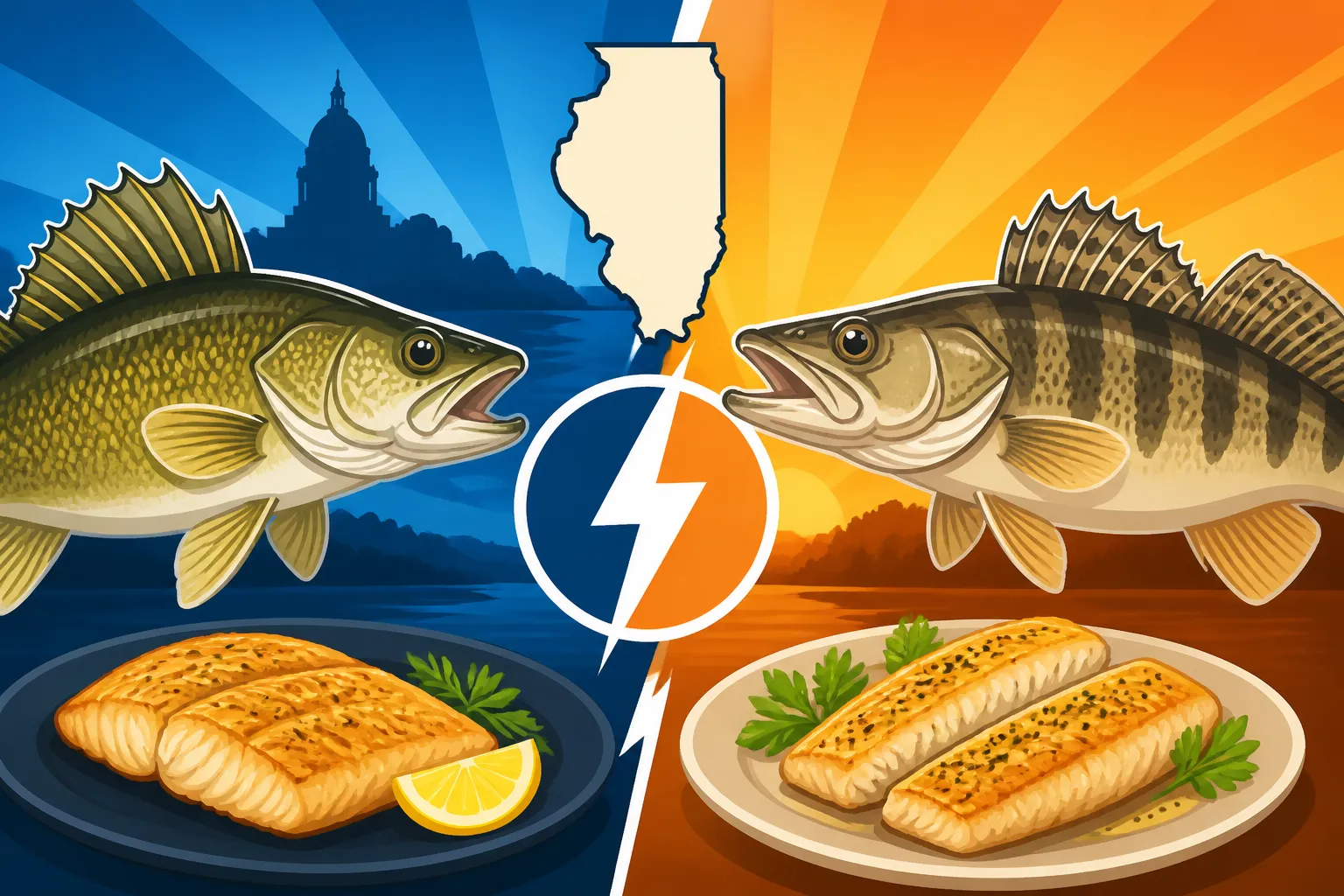
Now for the ultimate showdown! When you've got both on your plate, perhaps cooked side-by-side with the same simple preparation, that's when you can truly appreciate the subtle differences. It's not about one being definitively "better" than the other, but rather understanding their individual strengths and catering to your personal preference.
Side-by-Side Flavor Comparison
If you conducted a blind taste test, many people would struggle to tell the two apart, which speaks volumes about the quality of both fish. However, for those with a discerning palate, the walleye tends to present a slightly purer, more straightforward mildness, often described as an almost "buttery" clean taste. The sauger, on the other hand, often has a hint more depth, a whisper of earthiness that gives it a bit more complexity without being overpowering. Think of it this way: walleye is a perfectly tuned, crystal-clear soprano, while sauger is a mezzo-soprano with a touch more richness and warmth in its tone. Neither is superior, just different shades of delicious. This subtle distinction is why some anglers prefer one over the other for specific recipes or moods.
Texture Nuances: What You'll Notice
In terms of texture, the differences are even more minimal. Both offer that desirable firm-flaky consistency. Walleye might have slightly larger, more robust flakes due to its generally bigger size, while sauger's flakes might be a bit finer. Both remain incredibly moist and tender when cooked correctly. You won't encounter significant textural variations that would make one distinctly tougher or mushier than the other. If anything, the smaller size of sauger fillets means they might cook a hair faster, so keep an eye on them to prevent overcooking, which is the quickest way to ruin any delicate fish.
The Best Ways to Cook Each Fish for Optimal Taste
For both species, simple preparations often yield the best results, allowing their natural flavors to shine.
For Walleye:
- Pan-Frying: This remains king. A light, seasoned dredge (flour, cornmeal, or panko) and a quick fry in butter or neutral oil.
- Baking/Broiling: Excellent with lemon, butter, and fresh herbs like dill or parsley. Keeps the fish incredibly moist.
- Fish Sandwiches: Its firm texture makes it perfect for a hearty fish sandwich, especially with a creamy tartar sauce.
For Sauger:
- Pan-Frying: Absolutely fantastic. Use the same methods as walleye.
- Fish Tacos: Its slightly richer flavor works wonderfully with the vibrant, zesty ingredients in fish tacos.
- Frying Small Pieces: If you have smaller fillets, cutting them into nuggets and deep-frying can be a delightful treat, perfect for dipping.
Here’s a quick comparison table:
| Feature | Walleye | Sauger |
|---|---|---|
| Flavor Profile | Mild, clean, slightly sweet, "buttery" | Mild, clean, slightly richer/earthier |
| Texture | Firm, very flaky, moist, larger flakes | Firm, very flaky, moist, slightly finer flakes |
| Typical Size | Generally larger, thicker fillets | Generally smaller, thinner fillets |
| Primary Habitat | Lakes, larger rivers | Rivers, often deeper, turbid waters |
| Best Cooking | Pan-fry, bake, broil, sandwiches | Pan-fry, tacos, small fried pieces |
If you're still curious about how these species fit into the broader family, learning about Illinois Walleye vs Sauger vs Saugeye: Key Differences can provide even more context.
Factors Influencing Fish Flavor
It's not just about the species; a lot goes into how a fish tastes once it's on your fork. Two walleyes caught from different bodies of water, or even at different times of the year, can have subtle variations in their flavor. Understanding these factors can help you appreciate your catch even more and perhaps even inform your choice of fishing spot.
Diet and Habitat
Think about what a fish eats. A walleye from a clear, rocky lake feasting on minnows will likely have a very clean flavor, reflective of its diet. On the other hand, a sauger from a river with a muddier bottom, consuming more invertebrates and smaller bottom-dwelling fish, might develop that slightly earthier undertone we discussed. The environment plays a huge role. Fish living in colder, cleaner waters generally tend to have a milder, less "fishy" taste because their metabolism is slower, and they accumulate fewer strong-tasting compounds. Similarly, if you’re fishing the Mississippi River, you might notice subtle differences in taste compared to fish from an inland lake. You can explore Illinois River Fishing Spots Near Peoria to see how diverse habitats influence fish.
Water Quality and Season
The quality of the water itself is paramount. Fish from stagnant, overly warm, or polluted waters can develop off-flavors, regardless of species. Illinois has a lot of fantastic, well-managed waterways, but it's always something to be mindful of. The season also plays a part. Fish caught in colder water, like during late fall or early spring, tend to have firmer flesh and a very clean taste, as their fat content and diet change. During warmer months, especially after spawning, fish can sometimes have a slightly softer texture or a different flavor profile. Many anglers believe the best-tasting fish are caught when the water is cold. Knowing the Best Time of Year to Catch Walleye can influence your catch's quality.
Handling and Preparation Matters
This is where you, the angler, have the most control! Proper handling immediately after the catch is critical for taste.
- Bleeding: If possible, bleeding your fish immediately after catching them can significantly improve flavor by removing blood, which can impart a strong taste.
- Icing: Get your fish on ice as quickly as possible. This stops bacterial growth and preserves the freshness of the flesh. A cooler full of ice is not just for drinks; it's essential for your catch.
- Filleting: A clean, efficient fillet job minimizes waste and removes any dark meat or skin that might have stronger flavors. If you’re not confident in your filleting skills, there are many excellent tutorials online, and a good, sharp fillet knife from a place like Amazon makes all the difference.
- Cooking: As discussed, don't overcook! Delicate fish like walleye and sauger cook quickly. Overcooked fish becomes dry, tough, and loses much of its desirable flavor and texture.
Making Your Choice: Which One for Dinner?
Ultimately, the "better" fish comes down to personal preference and what you're looking for in your meal. Both walleye and sauger are top-tier freshwater table fare, deserving of their reputation. You truly can't go wrong with either, but understanding their subtle nuances can help you pick the perfect one for your palate.
When Walleye Shines Brightest
Choose walleye when you're aiming for that quintessential mild, clean, and delicate flavor that is universally loved. It's the perfect choice for someone who might be hesitant about "fishy" tastes or for entertaining guests who have varied preferences. Its typically larger fillets also make it ideal for recipes where you want a substantial piece of fish, like a classic pan-fried whole fillet or a robust fish sandwich. If you can only pick one, and you want a crowd-pleaser that everyone will rave about, the walleye is often the safer, albeit slightly more expensive or harder-to-catch, bet. Also, be aware of the Illinois Walleye Minimum Size Limit of 14 Inches and the Illinois Walleye Six-Fish Daily Limit on Select Waters.
When Sauger is the Smart Choice
Don't ever pass up a sauger! These river gems are often more abundant in certain Illinois rivers, making them a fantastic and often easier-to-catch option. If you appreciate a fish with a touch more character, a hint of that pleasant earthy depth without sacrificing mildness, sauger is your fish. Their smaller size makes them perfect for quick-cooking applications, and they are absolutely stellar in dishes like fish tacos or simply fried into delicious, bite-sized pieces. For serious river anglers, sauger is a consistent and incredibly rewarding catch. Many seasoned anglers specifically target them in spots like the Mississippi River, as highlighted in Illinois Sauger Fishing on the Mississippi River. Next time you're on the water, be sure to keep an eye out for both species!
Both walleye and sauger are truly gifts of Illinois's waters, offering delicious, high-quality table fare that any angler would be proud to bring home. The best way to decide which you prefer? Catch both, cook them side-by-side, and let your taste buds be the judge. You might be surprised at how much you appreciate the subtle differences in these fantastic fish.
Disclaimer
This article is for general informational purposes only and does not constitute professional advice. Laws, prices and regulations vary by location and change over time. Consult a qualified professional for guidance on your specific situation.