Crappie Fishing: Black vs White Crappie in the Same Lake
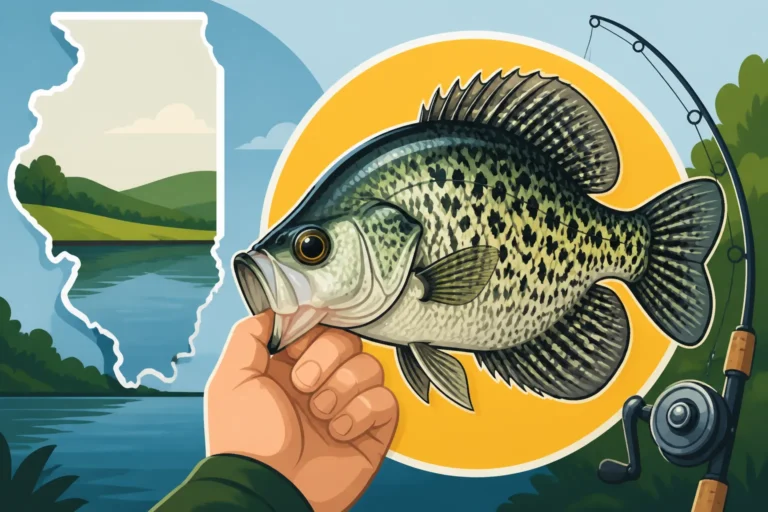
You've probably been there, out on your favorite Illinois lake, reeling in crappie after crappie, and then you pause, holding up a fish, wondering, "Is this a black crappie or a white crappie?" It’s a common moment of confusion for many anglers, especially since both species often share the same waters. This comprehensive guide is here to help you clearly identify the differences, understand their distinct preferences, and ultimately improve your chances of catching both black and white crappie in our beautiful Illinois lakes.
Spotting the Differences: How to Tell Black and White Crappie Apart
It can feel like a game of "spot the difference" sometimes, especially when you're looking at two fish that appear so similar. Many anglers just lump them together as "crappie," and while that's fine for dinner, knowing the specific species can really change how you approach your fishing strategy. There are a few key physical characteristics that, once you know them, make identification much easier, even when you’re out on the water.
The "Seven Dorsal Spine" Rule
This is, hands down, the most reliable way to tell black crappie from white crappie. If you run your finger carefully along the front of the dorsal fin (that’s the fin on the fish’s back), you'll feel bony spines. Count them!
- Black Crappie: Almost always have 7 or 8 dorsal spines. This is their definitive identifier. Think of it as their secret handshake.
- White Crappie: Will consistently have 5 or 6 dorsal spines. No matter how big or small the fish, this count will hold true.
So, the next time you're holding a crappie, gently count those spines. It’s a simple trick that eliminates all the guesswork about coloration or patterns, which can sometimes be misleading depending on the water clarity and the fish's mood. This anatomical detail is far more trustworthy than any other visual cue, particularly when fish colors can vary so widely.
Coloration and Body Shape Clues
While not as foolproof as the spine count, general coloration and body shape can offer strong hints, especially after you've caught a few of each. These are often the first things we notice as anglers, and with a little practice, they become second nature.
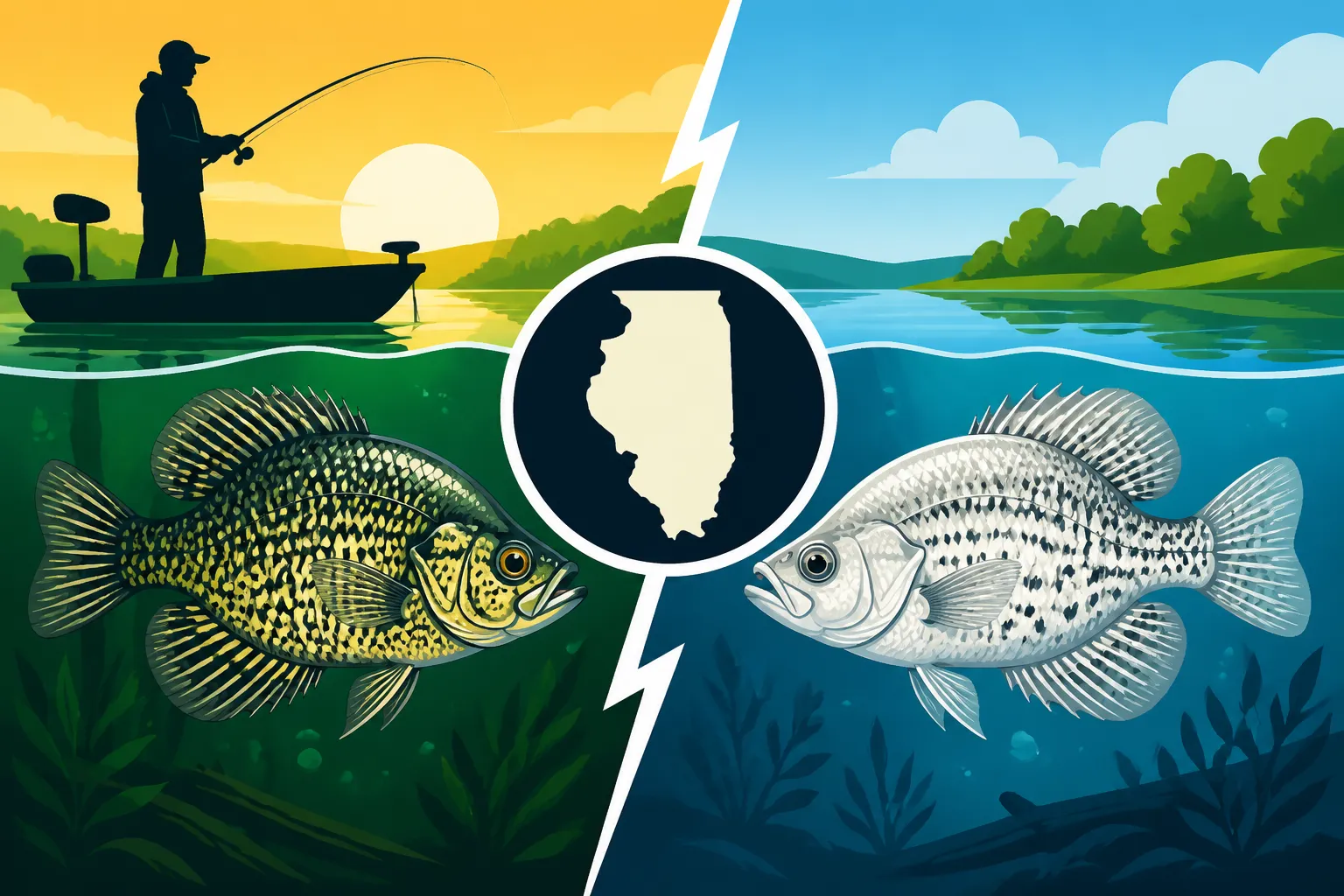
Black crappie tend to have a deeper, more compressed body shape, often described as almost round or disc-like. Their sides are typically speckled with irregular, dark spots that can sometimes form faint vertical bands, but it’s more of a "salt and pepper" look. The overall color can range from silvery-green to a darker olive, depending on the water they inhabit.
White crappie, on the other hand, usually have a more elongated, slender body compared to their black crappie cousins. Their dark markings typically form distinct vertical bars or stripes along their sides, giving them a "zebra" like appearance that is often quite noticeable. Their base color is usually a lighter silver or even a pale yellow. However, remember that fish coloration can change based on diet, water clarity, and even stress levels, so don't rely solely on color.
Mouth Shape and Jawline
Another subtle but helpful clue lies in their mouth structure, particularly their jawline. This takes a bit more observation but can confirm what the dorsal fin count is telling you. Black Crappie vs White Crappie: How to Tell Them Apart delves deeper into these specific physical characteristics for clearer identification.
If you look at a black crappie, its mouth will often appear slightly smaller, and when closed, the upper and lower jaws are roughly equal in length. It's a more proportionate, compact mouth. This aligns with their preference for smaller prey and often more delicate feeding habits in clearer waters.
White crappie tend to have a more prominent, almost pug-nosed jaw. The upper jaw typically extends beyond the lower jaw, giving their mouth a slightly more pronounced, almost "underbite" appearance. This larger gape allows them to ambush slightly larger baitfish in open water and often in more turbid conditions. Observing these subtle differences in their profiles can become another arrow in your identification quiver.
Crappie Preferences: Habitat, Forage, and Behavior
Just like people have their favorite coffee shops or quiet parks, black and white crappie have their preferred hangouts and meal choices. Understanding these preferences is key to catching more fish. You wouldn’t look for a deer in a grocery store, and you shouldn’t look for a black crappie in open, turbid water if you can help it! Their environmental needs dictate where they live, what they eat, and how they behave, making them respond differently to your fishing approach.
Black Crappie: Clear Water and Vegetated Cover
Black crappie are often the "pickier" of the two, preferring cleaner, clearer water conditions. If your favorite Illinois lake has good water clarity, submerged vegetation, or lots of timber and brush piles, you're likely in black crappie territory.
They thrive in environments with plenty of structure, where they can ambush prey and feel secure. Think about thick weed beds, fallen trees, brush piles, lily pads, and docks with extensive submerged cribs. These fish are masters of camouflage among the dense cover. You'll often find them suspended just above or within these structures, waiting for a meal to swim by. Their diet often consists of smaller minnows, aquatic insects, and tiny crustaceans. They are visual feeders, and the clear water helps them spot their prey. You can find some of the best Illinois Black Crappie Fishing in Backwater Sloughs that offer this kind of rich habitat.
White Crappie: Murky Water and Open Structures
White crappie, while adaptable, generally tolerate and often prefer slightly more turbid or stained water. They are also known for congregating around more open structures, making them a favorite target for anglers who enjoy fishing bridge pilings, rip-rap shorelines, and channel drop-offs.
These fish are often found in larger schools, especially in open water areas near creek channels, river bends, and main lake points. They are not as dependent on dense vegetation as black crappie. Instead, they relate to hard structures like old roadbeds, submerged brush, standing timber, and man-made fish attractors. Their ability to thrive in stained water makes them a prime target in many of Illinois' larger river systems and reservoirs like Rend Lake or Carlyle Lake. They'll readily feed on shad and other baitfish, often being less finicky about presentation than black crappie.
Seasonal Movements and Aggression Levels
Both species follow seasonal patterns, but their specific behaviors can vary. Knowing these patterns helps you anticipate where they'll be and what mood they'll be in. In spring, for example, both species will move shallower to spawn, but their exact preferred spawning grounds might differ slightly. You can learn more about this by reading our Illinois Crappie Spawn Season Guide.
Black crappie tend to be a bit more sensitive to sudden changes in weather or water temperature. After a cold front, they might shut down or move deeper into dense cover, becoming less aggressive. They often suspend at specific depths, requiring a more precise presentation. In contrast, white crappie can sometimes be a bit more aggressive and willing to chase bait, especially in warmer water or when actively schooling up. They might move through an area more quickly, making them a great target for active presentations like trolling or casting search baits. Understanding these nuances helps you adapt your strategy.
Targeting Strategies for Both Species in Illinois Waters
So, you've identified your crappie, you know where they like to hang out – now comes the fun part: catching them! Because of their distinct preferences, a one-size-fits-all approach often leaves fish uncaught. By making small adjustments to your gear and technique, you can become a much more successful crappie angler, no matter which species you're chasing.
Adjusting Your Lures and Baits
Choosing the right lure or bait is crucial. What works for a black crappie hidden in thick weeds might not be seen by a white crappie suspended in open water. This is where a little bit of tactical thinking pays off.
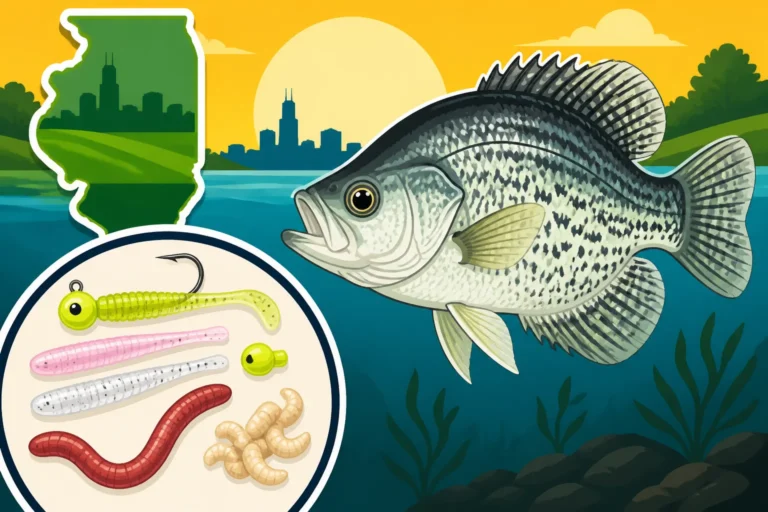
For black crappie, given their preference for clear water and dense cover, smaller, more natural-looking baits often perform best. Think about small jigs (1/32 to 1/16 ounce) tipped with a tiny plastic body, a live minnow, or a wax worm. Natural colors like clear, smoke, or light green can be highly effective in clear water. Presentation is key: slow, subtle movements right in their strike zone. You might find a good selection of these smaller jigs and soft plastics on Amazon, perfect for rigging under a bobber or fishing tight to cover.
For white crappie, especially when they are schooled up or in slightly stained water, you can often get away with slightly larger or more aggressive baits. Jigs in the 1/16 to 1/8 ounce range, sometimes even bigger, can work well. Brighter colors like chartreuse, orange, or white can be more visible in murkier conditions. Live minnows are always a hit. Techniques like Crappie Jigging Techniques or even Crappie Tightlining Techniques can be very effective when you've located a school of white crappie. Don’t be afraid to experiment with a slightly faster retrieve or more active jigging motion to trigger a strike.
Locating Crappie Based on Water Conditions
Your success often boils down to finding the fish first. This means reading the water and understanding what each species is looking for. This is where your knowledge of their habitat preferences truly comes into play.
When targeting black crappie, focus your efforts on areas with high concentrations of submerged vegetation, brush piles, or standing timber, especially in coves or pockets with clearer water. Your sonar might show them as individual fish or small groups suspended in the cover. Cast into the edges of weed lines or drop your bait directly into brush piles, being prepared for snags. Consider working along shady banks or under docks, as they often seek cooler, darker areas. Places like the quieter coves on Lake Shelbyville can be excellent for this.
For white crappie, you'll want to concentrate on harder structures and open water. Look for creek channel bends, old roadbeds, bridge pilings, and rip-rap. These fish are often found in larger schools, so when you find one, you've likely found several. Your fish finder is your best friend here, as you'll be looking for schools of baitfish and the crappie suspended around them. Sometimes you'll see large "clouds" of bait with distinct arches of fish nearby. In some of the larger Illinois reservoirs, these schools of white crappie can be found from the main lake all the way back into the larger bays.
Best Times and Depths for Each Species
Even when both species are present, they might prefer different times of day or different depths. Adjusting your presentation to these nuances can lead to a much more productive outing. Many anglers ask, Best Time of Day to Catch Crappie? The answer often depends on the species you're targeting!
Black crappie are generally more active during low light conditions – dawn, dusk, or even on overcast days. In clear water, they tend to be shy of bright sunlight, often retreating deeper into cover during the middle of the day. In the spring, they’ll move shallow to spawn, often found in just a few feet of water in protected coves. After the spawn, they'll usually move back to deeper cover, suspending over brush or timber at depths that offer comfort and access to baitfish. You might find them at 8-15 feet during the summer, but it always pays to explore.
White crappie can also be active during low light, but they often remain more active throughout the day, especially if the water is stained or cloudy. They're often found in the middle to upper water column, especially when chasing schools of baitfish. During the spring, they too move shallow for the spawn, frequently congregating around hard-bottomed areas like gravel points or rip-rap. As summer progresses, they will often follow baitfish into deeper open water, sometimes suspending at significant depths over river channels or humps. Keep an eye on your electronics for baitfish activity, as the crappie will usually be close by.
Remember, fishing is all about adapting. The more you understand the subtle differences between black and white crappie, the better equipped you'll be to fill your cooler, no matter what surprises Illinois waters throw your way. Many anglers will stock up on a variety of jigs and live bait options before hitting the water, and places like Amazon make it easy to grab all your essentials before your next trip. Good luck out there!
Disclaimer
This article is for general informational purposes only and does not constitute professional advice. Laws, prices and regulations vary by location and change over time. Consult a qualified professional for guidance on your specific situation.