How Big Do Black Crappie Get in Illinois Lakes?
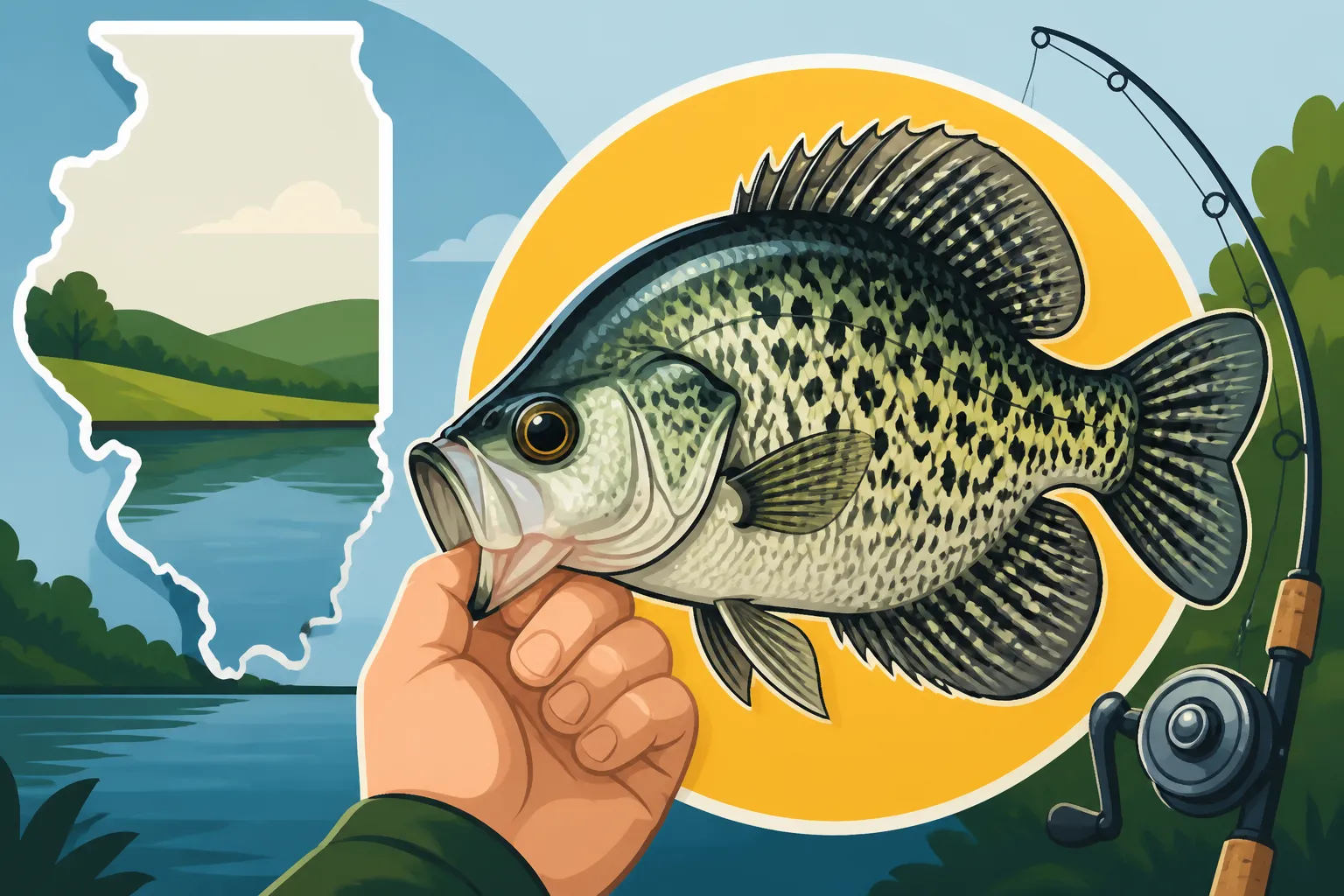
It's completely natural for every angler heading out onto Illinois's waters to dream of landing that monster fish, and when it comes to crappie, the thought of a slab-sized black crappie pulling on your line can keep you up at night! You might wonder just how big these speckled beauties truly get in our local lakes and ponds. This guide will dive deep into the realistic expectations for black crappie size in Illinois, looking at what's considered a decent catch versus a true trophy, and what factors really play into how big those fish grow.
What Constitutes a "Big" Black Crappie in Illinois?
When we talk about "big" black crappie, it really depends on who you're talking to and what body of water you're fishing. For some, a 10-inch crappie is a fantastic meal, while others are holding out for something closer to the state record. Let's break down what's generally considered a good catch versus a true giant in the Land of Lincoln.
Average Versus Trophy Size for Black Crappie
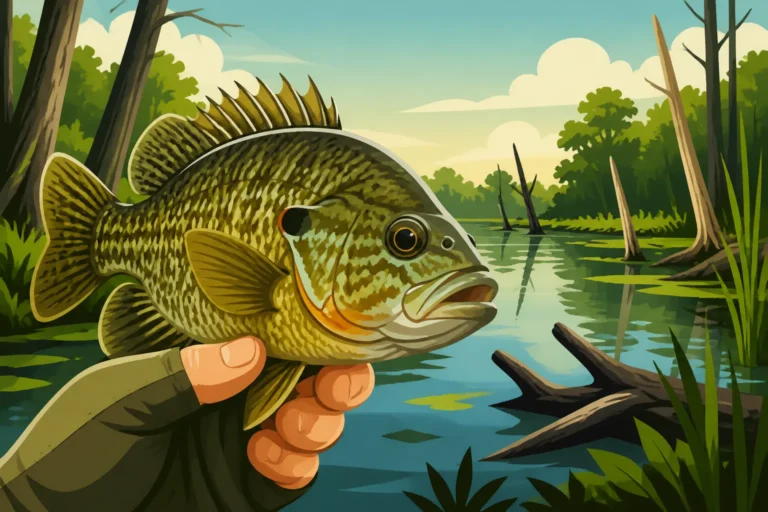
Most anglers in Illinois consider a black crappie of 9-11 inches a respectable catch—perfect for the frying pan, especially when you can fill a cooler with them. These are healthy, mature fish that provide a good fight on light tackle. Many of our smaller lakes and ponds will consistently produce crappie in this size range, making for a fun and productive day on the water.
However, the pursuit of a true "trophy" black crappie often means setting your sights higher. For many dedicated crappie anglers, a 12-14 inch crappie is a fantastic slab, representing a mature fish that has survived multiple seasons and grown to an impressive size. Fish in this range are often thicker, heavier, and provide a much more exciting battle. Anything above 14 inches is genuinely considered exceptional, and will turn heads at the cleaning station. These are the fish that make for great photos and even better memories.
Illinois State Records and Notable Catches
While hitting the state record is a rare feat, knowing what that benchmark is can inspire us all. The current Illinois state record for black crappie stands at an impressive 4 pounds, 8.8 ounces, caught from a private lake in Morgan County. That's a true behemoth! This fish wasn't just long, but incredibly stout, showcasing the immense potential for growth in ideal conditions.
It's important to remember that state records are often caught in highly specific, sometimes private, waters with unique conditions that allow fish to grow to such proportions. However, public lakes like Rend Lake, Lake Shelbyville, and Carlyle Lake consistently produce crappie in the 12 to 14-inch range, with the occasional larger fish pushing past that mark. You might hear whispers of a 15 or 16-inch crappie being landed from time to time on these larger reservoirs, proving that big fish are indeed out there if you know Best Time of Year to Catch Crappie in Illinois and how to find them.
Factors Influencing Black Crappie Size in Illinois Lakes
So, why do some lakes pump out bigger crappie than others? It's not just luck. A whole host of environmental and biological factors work together to determine how large black crappie can grow in any given body of water. Understanding these elements can help you identify lakes with the potential for those truly memorable catches.
Habitat and Forage Availability
One of the most critical factors for crappie growth is the quality and abundance of their habitat and food source. Black crappie thrive in lakes with plenty of submerged structure like fallen trees, brush piles, stump fields, and weed beds. These areas provide cover from predators, ambush points for feeding, and crucial spawning grounds. Lakes with a diverse range of these structures often support healthier, larger fish populations.
Equally important is a plentiful supply of forage fish. Crappie are voracious predators, primarily feeding on small minnows, shad, and various aquatic insects. Lakes with robust populations of these baitfish, particularly gizzard shad, tend to produce larger crappie. When there's an ample and consistent food supply, crappie don't have to expend as much energy hunting, allowing them to put more energy into growth. Conversely, in waters where forage is scarce, crappie often become stunted, resulting in many small fish.
Water Quality and Nutrient Levels
The overall health of a lake, reflected in its water quality and nutrient levels, significantly impacts crappie growth. Lakes with good water clarity, appropriate oxygen levels, and a balanced nutrient cycle generally support healthier ecosystems. When water quality declines due to excessive runoff, pollution, or prolonged drought, it can stress fish, reduce forage, and hinder growth.
Nutrient levels, while needing to be balanced, play a role too. Moderately fertile lakes often have productive food chains, from microscopic plankton to baitfish, which ultimately supports larger crappie. However, excessive nutrients can lead to algal blooms and oxygen depletion, which can be detrimental. The Illinois Department of Natural Resources (IDNR) works hard to monitor and manage water quality in many public lakes, helping to ensure good fishing conditions. You can often find reports on specific lake conditions that might give you a clue about Illinois Black Crappie Fishing in Backwater Sloughs.
Fishing Pressure and Management Practices
The amount of fishing pressure a lake experiences can also shape the average size of its crappie population. Heavily fished lakes, especially those without proper regulations, can see a reduction in the number of larger, older fish. When anglers keep every crappie they catch, regardless of size, it can remove the genetic potential for larger fish and leave behind a population of smaller individuals.
That's where sound fisheries management comes into play. Many Illinois lakes have specific length and creel limits for crappie, designed to protect the breeding stock and allow fish to reach a more desirable size. For instance, a 9-inch minimum length limit on crappie means anglers must release anything smaller, giving those fish a chance to grow. These regulations are crucial for maintaining healthy, sustainable fisheries where anglers have a better chance of catching those "slab" crappie. Understanding these rules is part of being a responsible angler, and you can find comprehensive information in resources like the Illinois Fishing Regulations Overview.
Real-World Expectations: Catching Black Crappie in Specific Illinois Waters
It's one thing to talk about generalities, but what about specific places? When you're planning a trip, knowing what to expect from different types of Illinois waters can save you a lot of guesswork and help you set realistic goals for the size of black crappie you might encounter.
Large Reservoirs vs. Smaller Lakes and Ponds
Illinois boasts several large reservoirs like Rend Lake, Lake Shelbyville, and Carlyle Lake, which are renowned for their crappie fishing. These massive bodies of water offer vast expanses of diverse habitat, huge forage bases, and often benefit from active fisheries management programs. It's in these larger reservoirs that anglers typically find the greatest potential for catching bigger black crappie, frequently pulling in fish in the 10-13 inch range, with occasional trophies pushing beyond that. The sheer volume of water and abundant resources give crappie the space and food they need to grow. When planning a trip to one of these lakes, do some research on Best Crappie Fishing Lakes in Illinois to maximize your chances.
Smaller lakes, farm ponds, and municipal lakes can also hold impressive crappie, but the average size might be a bit smaller, often in the 8-10 inch range. These waters are more susceptible to overfishing, and if not managed properly, crappie populations can become stunted. However, a well-managed private pond or a lesser-known public lake with limited pressure can sometimes surprise you with exceptional crappie, as less competition for food can lead to faster growth rates for individual fish.
Regional Variations and Lake-Specific Dynamics
Even within the same region, different lakes can have vastly different crappie size structures due to unique dynamics. For instance, the backwaters of the Mississippi River in Southern Illinois are known for producing a good quantity of crappie, often in the 9-11 inch range, with plenty of action. The Illinois River also has excellent crappie fishing in its backwater lakes and sloughs, where anglers can find good numbers of fish, many of them respectable slabs. You can learn more about specific spots by checking out Best Crappie Coves on Lake Shelbyville or Rend Lake's Best Spots for Early Spring Crappie.
Some smaller, specific lakes might have unique characteristics, such as an exceptionally dense population of shad, or a lot of untouched timber, which could lead to an anomaly of larger crappie. It's always a good idea to check the latest fishing reports for specific lakes and even talk to local bait shop owners. They often have the most up-to-date information on what's biting and how big the fish are running in their local waters. Local knowledge is invaluable when chasing those bigger slabs.
| Lake Type/Characteristic | Average Black Crappie Size | Potential Trophy Size | Notes |
|---|---|---|---|
| Large Reservoirs | 10-13 inches | 14+ inches | High potential for big fish due to abundant forage and diverse habitat. Examples: Rend Lake, Lake Shelbyville, Carlyle Lake. |
| Well-Managed Ponds | 9-11 inches | 12-14 inches | Can produce quality fish if population is balanced and forage is good. Less pressure often helps. |
| River Backwaters | 9-12 inches | 13-15 inches | Good numbers of fish, often respectable size due to current and nutrient flow. Examples: Mississippi River, Illinois River backwaters. |
| Heavily Fished Lakes | 7-9 inches (stunted) | Rare | Prone to overpopulation of small fish if not managed with size limits. |
| Private, Fertilized Lakes | 12-15+ inches | 16+ inches | Managed for growth, often with supplemental feeding or reduced competition, can produce exceptional individuals. Requires special access. |
Targeting Bigger Black Crappie in Illinois
So, you're not just looking for any crappie; you're on a mission for those bigger slabs. While there's no magic bullet, employing specific techniques, using the right bait, and understanding the fish's behavior can significantly increase your odds of hooking into a trophy black crappie in Illinois.
Techniques and Presentation for Larger Fish
Catching bigger crappie often requires a slightly different approach than simply catching numbers of smaller ones. Larger crappie are typically older, wiser, and sometimes a bit more finicky. They tend to relate more to deeper, heavier cover, and might be found a bit deeper in the water column than their smaller counterparts, especially during certain times of the year.
One effective technique is vertical jigging right into heavy cover, like dense brush piles or submerged timber. Using a sensitive rod and reel combo, like an ultralight setup from a brand you might find on Amazon, allows you to feel the subtle bites. Slow trolling with multiple lines (where legal) can also be highly effective in larger lakes, allowing you to cover more water and present baits at different depths until you find that sweet spot. Remember that Crappie Jigging Techniques can vary based on the season and water conditions.
Optimal Bait and Lure Choices
When it comes to bait, live minnows are almost always a top choice for crappie, and larger minnows can often entice bigger crappie. Hook them lightly through the back or lips and present them near cover. For artificial lures, small jigs (1/32 to 1/16 ounce) with plastic bodies or marabou feathers are incredibly effective. Colors like chartreuse, white, and black/chartreuse combinations are perennial favorites. Don't be afraid to try slightly larger profiles if you're specifically targeting bigger fish, as they're not afraid to hit a more substantial meal.
Another great option is a small crankbait or a soft plastic swimbait that mimics a baitfish. These can be particularly deadly when crappie are actively feeding on schools of shad. Make sure your tackle box is well-stocked with a variety of options, and remember you can always find a wide selection of specialized crappie baits and tackle on Amazon if your local shop doesn't have exactly what you're looking for. Exploring various options and figuring out Best Crappie Jig Colors for Stained Water can make a huge difference.
Timing and Location
Timing is everything when it comes to crappie fishing, especially for the larger ones. The spring spawn is famously one of the best times to target big crappie, as they move into shallower waters to reproduce. This makes them more accessible to anglers, and they are often more aggressive. Pay attention to water temperatures; the crappie spawn typically kicks off when water temperatures consistently reach the mid-50s to low-60s Fahrenheit. However, remember that Illinois Crappie Spawn Season Guide varies by region.
Outside of the spawn, look for crappie to relate to deeper structure during the summer and winter months. In summer, they'll seek out cooler, deeper water and shade, often suspended over brush piles or deep humps. In winter, they'll congregate in deep holes or near structure on the main lake basin. Early mornings and late evenings are often the most productive times, as crappie are generally more active feeders during low-light conditions. Always remember to check Best Time of Day to Catch Crappie before heading out. Sometimes, just a slight shift in your approach can lead to that dream catch.
Disclaimer
This article is for general informational purposes only and does not constitute professional advice. Laws, prices and regulations vary by location and change over time. Consult a qualified professional for guidance on your specific situation.