Rend Lake’s Best Spots for Early Spring Crappie
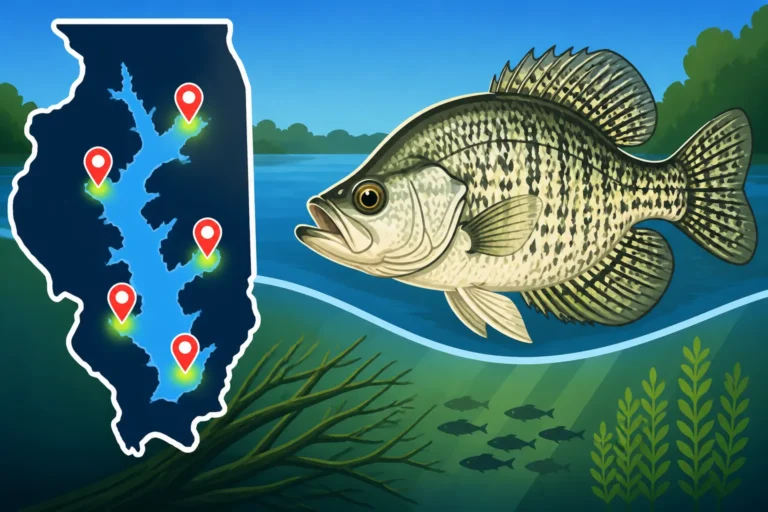
Finding those elusive crappie in Rend Lake during early spring can feel like a real puzzle. The water's cold, they're not quite in their full spawning patterns yet, and they seem to move around constantly. It's a frustrating time for many anglers who just want to fill their livewells, but with the right knowledge, you can absolutely pinpoint their hiding spots. This guide is going to walk you through exactly where and how to find Rend Lake's best spots for early spring crappie, so you can enjoy a successful and rewarding day on the water.
Understanding Early Spring Crappie Behavior on Rend Lake
Early spring on Rend Lake means one thing for crappie: transition. They're shaking off the deep-water lethargy of winter and starting to migrate towards shallower, warmer areas. It’s a subtle movement at first, but knowing what drives it is key to anticipating their locations. This isn't the chaotic, aggressive bite of the full spawn; it's a more nuanced game of hide-and-seek.
The Pre-Spawn Stage and Water Temperature Cues
Crappie are highly sensitive to water temperature, especially as they gear up for their annual spawn. In early spring, when the lake's surface temperatures range from the low 40s to the mid-50s Fahrenheit, crappie are in what we call the "pre-spawn" stage. They're not actively building nests or laying eggs yet, but they're certainly thinking about it. They'll start moving out of their deep wintering holes and stage in areas that offer both warmer water and proximity to eventual spawning grounds.
On Rend Lake, this often means they'll seek out sun-drenched coves, northern shorelines that warm up faster, and shallow flats adjacent to deeper channels. The sun plays a huge role here; even a few degrees can make a difference. After a few consecutive sunny days, those shallow, dark-bottomed areas can warm up significantly, drawing crappie in like a magnet. Keep a close eye on your fish finder's temperature gauge; once you start seeing those warmer pockets, you know you're in the right zone. Understanding the larger context of when the Illinois Crappie Spawn Timing by Region typically occurs can also give you a head start on predicting their movements.
Why Rend Lake is Prime for Early Crappie
Rend Lake, situated in southern Illinois, is an absolute gem for crappie fishing, and it truly shines in the early spring. Its vast network of standing timber, submerged brush piles, creek channels, and expansive flats provides an incredible diversity of habitat that crappie adore. Unlike some other, clearer lakes, Rend Lake's slightly stained water often allows crappie to hold a bit shallower without feeling as exposed, making them more accessible to anglers.
The lake’s massive size and numerous arms mean there's always an area that's warming up faster or offering better protection from cold fronts. From the northern reaches where the Big Muddy River feeds in, to the central basin's many points and coves, crappie have endless options to stage. This variety, combined with excellent forage like shad, makes Rend Lake a consistent producer of both numbers and quality crappie, even when the weather is still figuring itself out. If you're looking for a deep dive into the lake's offerings, check out our full Rend Lake Fishing Guide for Illinois Anglers.
Top Crappie Hotspots on Rend Lake for Early Spring
Alright, let’s get down to the nitty-gritty: where exactly do you drop your lines when the crappie are playing hard to get? Rend Lake has some perennial favorites that consistently produce during this tricky early spring period.
The Narrows and Big Muddy River Arm
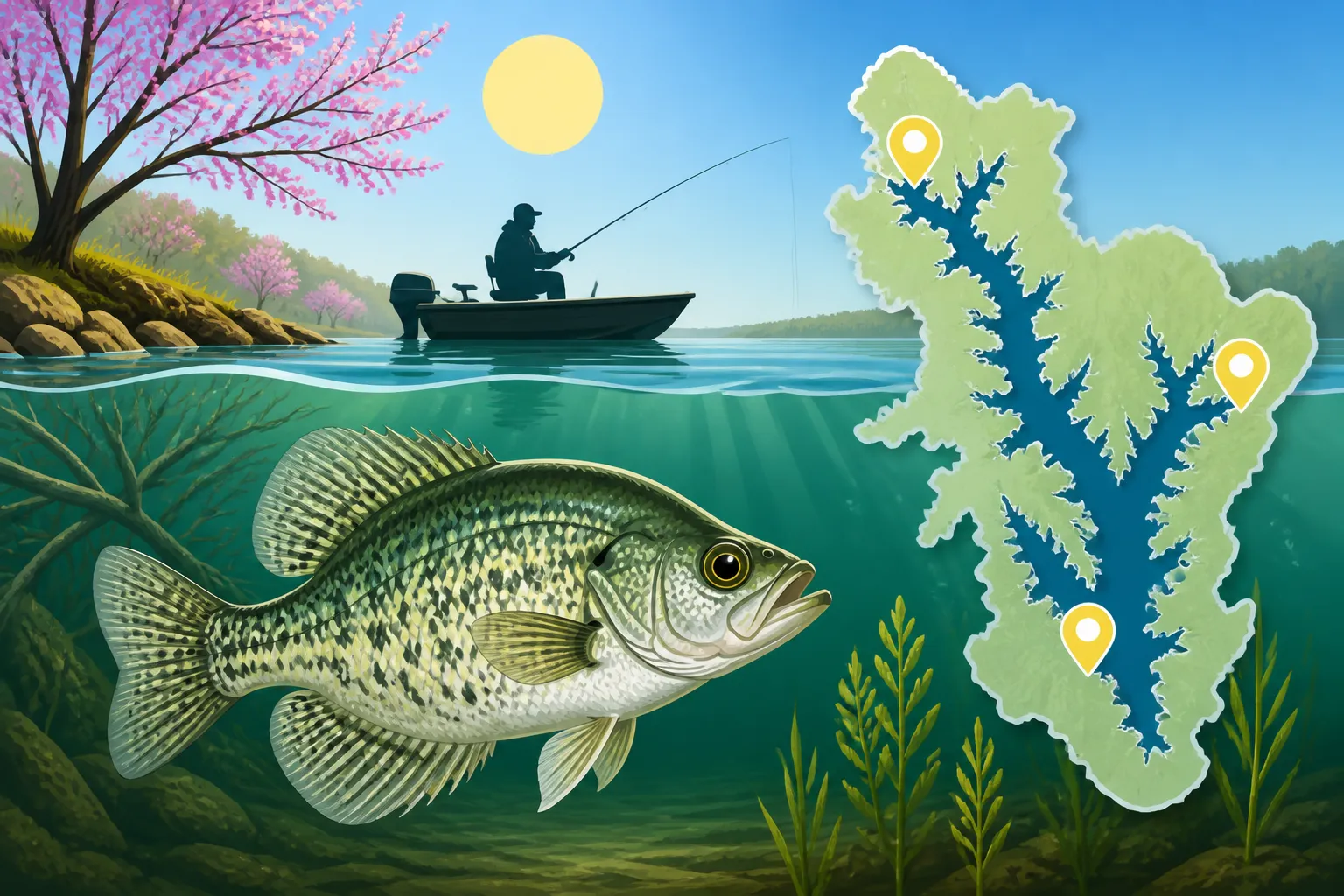
One of the most reliable areas on Rend Lake for early spring crappie is "The Narrows," located on the northern end where the Big Muddy River arm flows into the main lake. This section is a funnel point for nutrients and warmer water, and it’s typically one of the first areas to heat up. The river arm itself, particularly its many bends and oxbows, can hold significant numbers of crappie.
Look for areas with standing timber and brush piles along the old river channel edges. Crappie will often suspend in these brushy sanctuaries, especially on sunny days, soaking up the slightly warmer water. Depths can vary, but don't be afraid to target fish anywhere from 8 to 20 feet, depending on the day and the structure. The current here, even if subtle, can also aggregate baitfish, which in turn draws crappie. This is a fantastic place to start your day, as it often gives up the first limits of the season.
Major Creek Channels and Submerged Structures
Rend Lake is crisscrossed by numerous old creek channels that now lie submerged beneath its waters. These channels act as highways for crappie, guiding them from deeper wintering areas towards the shallower coves where they'll eventually spawn. In early spring, crappie will stage along the breaks and ledges of these channels, often relating to any kind of cover they can find.
Focus your efforts on areas where these channels intersect with points, humps, or submerged timber. Isolated brush piles, rock piles, or old roadbeds near these channels are absolute magnets. These structures provide ambush points and protection from predators, making them ideal staging areas. Using your electronics to locate these submerged features is crucial here. Once you find a good brush pile on a channel edge, you might find a whole school of crappie piled up, waiting for that water to warm just a few more degrees.
Shallow Flats with Emerging Vegetation
As spring progresses, and especially after a few warm, sunny days, don't overlook the expansive shallow flats of Rend Lake. While crappie typically aren't in the skinniest water in early spring, they will move into flats that are 4-8 feet deep, particularly if there’s emerging submerged vegetation like pondweed or coontail. This new growth attracts baitfish, and the dark bottom helps the water warm quickly.
Target flats that are adjacent to deeper water, offering a quick escape route for the crappie if a cold front pushes through. The western side of the lake, with its numerous shallow coves and protected bays, often warms up well. Cast or troll small jigs and minnows over these flats, paying close attention to any subtle changes in depth or bottom composition. Often, the crappie won't be tightly schooled here but rather spread out, cruising for food. For specific tactics on covering water effectively, our guide on How to Catch Crappie From a Boat might offer some valuable tips.
Essential Techniques and Baits for Early Spring Crappie
Early spring crappie can be notoriously finicky. Their metabolism is still relatively slow, and they're not always willing to chase a fast-moving lure. Patience and a subtle presentation are your best friends.
Vertical Jigging and Slow Trolling Strategies
When crappie are holding tight to cover, especially those submerged brush piles and timber, vertical jigging is incredibly effective. This technique allows you to precisely present your bait right in their strike zone without spooking them. Use a sensitive spinning rod with light line (4-6 lb test fluorocarbon or monofilament) and small jigs (1/16 to 1/8 ounce). Tipping your jig with a small minnow can be a game-changer. Lower your jig slowly, feeling for any taps or changes in line tension. Sometimes, the bite is so subtle it feels like a slight weight on your line rather than an aggressive strike. For more detailed instructions, check out our Crappie Jigging Techniques guide.
Slow trolling, often called "spider rigging" when using multiple rods from the front of the boat, is another fantastic method for covering water and finding scattered crappie on those flats or along channel edges. Deploy several rods at different depths and with different bait combinations (jigs, minnows, or a combination). Move at a snail's pace, just fast enough to give your baits some action. This allows you to explore varying depths and quickly identify where the fish are holding without committing to one spot.
Live Bait Presentations for Finicky Fish
Let’s be honest, sometimes plastic just won’t cut it when the water is cold and the crappie are lethargic. Live bait, particularly small minnows, often outperforms artificial lures in early spring. Their natural scent and subtle movements are irresistible to crappie that aren’t actively chasing.
Rig a small minnow on a light wire hook (size 4 or 6) under a slip bobber. Adjust the bobber stop to position your minnow just above the structure where you’ve marked fish, or at the depth where you've seen baitfish. The slip bobber allows for longer casts and easier depth adjustments. Alternatively, you can use a simple tightline rig with a small split shot above the minnow for a more direct presentation, especially when vertical jigging. Remember, the key is a slow, natural presentation. Our comprehensive Best Bait for Crappie Fishing article delves into even more options that might work on those tough days.
Rend Lake Early Spring Crappie Hotspots & Techniques
| Hotspot | Key Characteristics & Recommended Approach |
|---|---|
| The Narrows / Big Muddy River Arm | Funnel point for warmer water and nutrients. Look for standing timber and brush piles along old river channel edges (8-20 ft). Vertical jigging with minnows or slow trolling small jigs is highly effective. |
| Major Creek Channels & Submerged Structures | Highways for crappie from deep to shallow. Focus on channel breaks, ledges, brush piles, and humps (10-25 ft). Use electronics to pinpoint structure. Vertical jigging or slow drifting live minnows are prime. |
| Shallow Flats with Emerging Vegetation | Warmer, shallower areas adjacent to deeper water (4-8 ft). Look for new aquatic plant growth. Cast or slow troll small jigs/minnows. Best on sunny days after stable weather. |
Navigating Rend Lake in Early Spring
Navigating a large reservoir like Rend Lake in early spring comes with its own set of challenges, from unpredictable weather to finding the best access points. Being prepared and understanding the lake’s nuances will ensure a safer and more productive trip.
Reading the Water and Utilizing Electronics
In early spring, the crappie bite can be incredibly dependent on water conditions. Murky water from recent rains might push fish towards clearer pockets, while crystal clear conditions might make them skittish and hold deeper. Pay attention to water clarity, temperature, and wind direction. Wind can stack warmer surface water on certain shorelines, creating those crucial few degrees difference that crappie seek out.
Your fish finder is your absolute best friend in early spring. Use it not just to mark fish, but to identify submerged structures like brush piles, old creek channels, and humps. Side imaging and down imaging technologies on units like those from Humminbird or Lowrance can give you a clear picture of what’s beneath and around your boat, helping you pinpoint those crappie-holding structures precisely. Don't just motor around; idle slowly over promising areas, meticulously scanning for baitfish schools and crappie arches. Look for baitfish activity; where there's food, crappie usually aren't far behind.
Safety Considerations and Boat Ramp Access
Early spring weather in Illinois can be wildly unpredictable. A warm, sunny morning can quickly turn into a cold, windy afternoon, potentially bringing rain or even sleet. Always check the forecast thoroughly before heading out and dress in layers. Hypothermia is a real risk with cold water temperatures, so ensure you have appropriate safety gear, including properly fitting life jackets for everyone on board. It's a good idea to review Illinois Life Jacket and PFD Rules before your trip.
Rend Lake offers numerous boat ramps, but in early spring, some of the shallower ramps might still have lower water levels, or access might be tricky if recent rains have caused muddy conditions. Popular ramps like those at Wayne Fitzgerrell State Park (which is also an excellent area for shore fishing) or South Marcum typically offer good access. Always exercise caution, especially if you’re launching a larger boat. For a comprehensive list and tips on selecting the right one, refer to our guide on Best Boat Ramps at Rend Lake for Weekend Anglers. When booking a guide for a trip, services like FishingBooker can often help you coordinate with local captains who know the best and safest access points for current conditions.
Rend Lake Crappie Fishing Regulations and Best Practices
Fishing on Rend Lake means adhering to Illinois state regulations, which are put in place to ensure sustainable fishing for generations to come. It’s not just about catching fish, it’s about being a responsible angler.
Understanding Size and Creel Limits
Illinois has specific regulations for crappie on Rend Lake to manage the fishery. These can sometimes vary by water body, so it’s crucial to check the most current Illinois Fishing Information Guide from the Illinois Department of Natural Resources (IDNR). Typically, for crappie on Rend Lake, there might be a daily creel limit (how many fish you can keep) and sometimes a size limit (a minimum length a fish must be to be kept).
A common statewide crappie regulation for Illinois is a daily limit of 15 fish, with no minimum length limit. However, always confirm this information before you go, as rules can change. For example, if you're fishing a specific smaller lake or pond, the limits could be different. This is why knowing the Illinois Fishing Regulations Overview is so important. Make sure you're compliant to avoid any fines or citations.
Catch and Release vs. Keeping Your Catch
While crappie are excellent table fare, and many anglers love to keep a limit for a delicious meal, practicing responsible catch and release is also vital for the long-term health of the fishery. If you're targeting larger crappie for a trophy, consider releasing the smaller ones to grow. Conversely, if you want fish for dinner, don’t hesitate to keep a legal limit of the smaller, pan-sized crappie, which are often delicious and help thin out populations to allow bigger fish to thrive.
When practicing catch and release, handle fish gently with wet hands, avoid excessive handling, and quickly return them to the water. If a fish is deeply hooked, it’s often best to cut the line rather than try to remove the hook, especially if it’s a small fish. Being mindful of the resource ensures that Rend Lake continues to be one of Illinois’s premier crappie destinations for everyone to enjoy. Always be aware of the overall Illinois Fishing Season and Catch Limit Rules to ensure you're fishing responsibly.
Disclaimer
This article is for general informational purposes only and does not constitute professional advice. Laws, prices and regulations vary by location and change over time. Consult a qualified professional for guidance on your specific situation.