Where to Find Crappie on Carlyle Lake
Finding crappie on a lake as vast as Carlyle can feel like searching for a needle in a haystack, especially when you're staring out at miles of open water with no idea where to even start. It's a common frustration for anglers, but trust me, Carlyle Lake holds some incredible crappie, and with a little insight into their habits and preferred hangouts, you can absolutely fill your livewell. This guide will walk you through the prime locations and tactics to consistently catch crappie on Illinois's largest man-made lake.
Understanding Carlyle Lake's Unique Crappie Habitat
Carlyle Lake is a massive body of water, over 26,000 acres, and its size alone can be intimidating. However, understanding the specific types of habitat that crappie seek out in this expansive lake is your first major step toward success. Unlike smaller, more intimate ponds, Carlyle's crappie have a lot of options, and their preferences shift with the seasons and even the time of day. Knowing these general areas will help you narrow down your search significantly, saving you valuable fishing time.
The Importance of Submerged Timber and Brush Piles
Crappie are masters of ambush, and nothing provides better cover for them than submerged timber and man-made brush piles. Carlyle Lake, being a reservoir, has a legacy of flooded timber from when it was impounded. While much of the shallower timber has rotted away over the decades, deeper stump fields and standing timber still exist, especially in the larger creek arms and main lake basin. These areas act as natural magnets, concentrating crappie that use the structure for protection from predators and as a staging point to ambush baitfish.
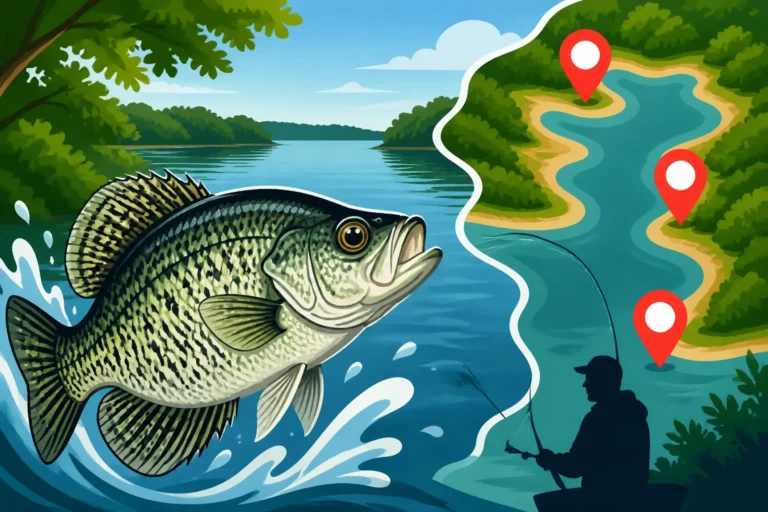
Anglers often rely on detailed contour maps or modern fish finders to locate these hidden gems. Many of the brush piles you'll find have actually been intentionally placed by the Illinois Department of Natural Resources (IDNR) or dedicated local fishing clubs to enhance crappie habitat. These are usually marked on fishing maps or sometimes even with buoys, though not always. When you find a good brush pile or timber field, you’re often finding a school of crappie just waiting to be caught. It’s not uncommon to pull a dozen fish off a single well-placed brush pile before the bite slows down. This kind of structure provides both vertical and horizontal cover, catering perfectly to crappie's needs.
Creek Channels and Their Significance
Carlyle Lake is fed by several prominent creek systems, including the Kaskaskia River, Hurricane Creek, and East Fork. The submerged channels of these creeks winding through the lake basin are crucial crappie highways. During different times of the year, particularly the pre-spawn and post-spawn periods, crappie will use these channels as travel corridors, moving from deeper wintering holes to shallower spawning flats and back again. Even during summer and winter, the ledges and drops along these channels hold fish.
Think of these channels as underwater roads. The crappie aren't usually suspended in the middle of the deepest part of the channel, but rather relate to the breaks and ledges along the channel edges. A sudden drop-off from 10 feet to 25 feet along a creek channel can be a prime ambush point, especially if there's any form of cover like brush or rocks on that ledge. Understanding the topography of these old creek beds is a huge advantage. They also provide access to cooler, more oxygenated water in the summer, or deeper, more stable temperatures in the winter. For those looking to dive deeper into the lake's layout, checking out the detailed Carlyle Lake Fishing Guide can provide invaluable topographical insights.
Accessing Shoreline Hotspots and Marinas
While Carlyle is a boat-angler's paradise, there are definitely fantastic opportunities for bank anglers, especially when crappie move shallow. Marinas like those at Eldon Hazlet State Park or Apache Marina are well-known crappie magnets. The docks themselves provide abundant shade and structure, attracting baitfish and, consequently, crappie. Many anglers have incredible success simply walking the docks with a jig and bobber, dropping their offering into every slip.
Beyond the marinas, numerous public access points and park areas offer excellent shoreline fishing. During the spring spawn, crappie move into incredibly shallow water, often right up against the banks where they build their nests. Areas with standing timber, rip-rap (rocky shorelines), or flooded vegetation can be dynamite. Even outside of the spawn, shore access near creek mouths or causeways can provide good action, especially during dawn and dusk. Remember, even a small stretch of bank with some cover can hold a surprising number of fish, so don't overlook these spots if you're fishing without a boat.
Seasonal Crappie Movements and Hotspots
Crappie are creatures of habit, but their habits change dramatically with the seasons. Understanding these seasonal migrations is perhaps the most critical piece of the puzzle for consistent success on Carlyle Lake. If you fish the same spot with the same technique year-round, you’ll likely only hit it big a few times a year. Adapting to their movements is key.
Spring: The Pre-Spawn and Spawn Bonanza
Spring is arguably the most anticipated time for crappie anglers on Carlyle Lake. As the water temperatures begin to rise, crappie transition from their deeper wintering holes towards shallower spawning grounds. This is a multi-phase movement. In early spring (often late March into April), during the pre-spawn, crappie stage in deeper water near the mouths of creeks or along the main lake points that lead into spawning flats. Water temperatures in the low 50s are a prime signal that they're getting ready to move. They're actively feeding, fattening up for the spawn, making them aggressive and relatively easy to catch.
Once water temperatures climb into the mid-50s to low 60s, the spawn truly begins. This is when crappie move into very shallow water, typically 2-5 feet deep, often around flooded brush, willow bushes, rip-rap, or sandy bottoms in protected coves and creek arms. Key areas for the crappie spawn on Carlyle Lake include the various fingers within Hazlet State Park, Hurricane Creek, and the shallow bays up the Kaskaskia River arm. During the peak of the spawn, you can often spot male crappie guarding their nests. This is a fantastic time for shore anglers, too, as fish are readily accessible close to the bank. For specific timing, checking the Illinois Crappie Spawn Season Guide can help you pinpoint the best windows.
Summer: Deeper Patterns and Night Fishing
As spring turns into summer and water temperatures soar into the 70s and 80s, crappie move off the shallow spawning grounds. They seek refuge in deeper, cooler, and more oxygenated water. This often means suspending over creek channels, relating to deep timber lines, or congregating around submerged humps and ledges in the main lake basin. Finding them now requires more advanced electronics to locate schools of fish or suitable deep structure.
During the summer, crappie often hold at specific depths, sometimes 10-20 feet down, over much deeper water. Trolling small crankbaits or spider rigging with multiple rods at different depths are effective strategies. Night fishing also becomes incredibly popular and productive. Crappie are attracted to lights shining into the water, which draw in plankton and baitfish. Anchoring over a deep creek channel bend or a major brush pile and setting up lights can lead to fantastic catches through the night. Many local guides offer night fishing trips, and you can often find them through platforms like FishingBooker, which lists local charter options for Carlyle Lake.
Fall: Reversing the Spring Migration
Fall is another excellent time for crappie fishing on Carlyle Lake, often rivaling spring in terms of productivity. As water temperatures begin to cool down from their summer highs, crappie become more active and start to feed aggressively in preparation for winter. This is sometimes called the "fall turnover" period, when the lake's water layers mix, spreading oxygen and baitfish throughout the water column.
Crappie will generally reverse their spring migration patterns. They move from deeper summer haunts back towards the creek channels and main lake points, often suspending at mid-depths. While they might not be as shallow as during the spring spawn, they will relate to points and channel edges in 8-15 feet of water. Look for schools of baitfish, as crappie will be actively chasing them. Spinnerbaits, small crankbaits, and jigs become highly effective as crappie are in full feeding mode. The cooling water really energizes them, making for some aggressive bites.
Winter: Deep Water and Vertical Jigging
Winter fishing on Carlyle Lake, especially once the water gets truly cold (below 45 degrees Fahrenheit), means crappie will be concentrated in deeper, more stable environments. They become much less active, but because they congregate in specific spots, you can have some incredible days if you find the school. Look for them in deep creek channels, often near structure like brush piles or stump fields in 20-35 feet of water.
Vertical jigging with tiny jigs (1/32 to 1/16 ounce) or spoons is the most effective method. Fish finders are absolutely essential for winter crappie, as you need to locate the schools and then precisely present your bait to them. You'll often see them as tight "balls" of fish on your sonar. Sometimes, if ice conditions allow for safe ice fishing, crappie can be caught through the ice in deeper coves. However, Carlyle Lake's size and wind exposure often make reliable, widespread ice formation a challenge. When the lake is open, slow trolling or vertical jigging over these deep structures is the way to go.
Effective Techniques for Carlyle Lake Crappie
Knowing where to find crappie is only half the battle; knowing how to catch them is the other. Crappie aren't particularly fussy, but certain techniques definitely outperform others depending on the conditions and season.
Jigs and Minnows: The All-Season Favorites
You simply cannot talk about crappie fishing without mentioning jigs and minnows. These two baits are absolute staples for a reason: they work, year-round, in almost every condition.
- Jigs: Small jigs, ranging from 1/32 to 1/8 ounce, are incredibly versatile. Pair them with a soft plastic body like a tube, grub, or small shad imitation. Color choice can be critical; chartreuse, white, black/chartreuse, and pink are perennial favorites on Carlyle. Vary your retrieve, from a steady reel to a slow lift-and-drop, until you figure out what the fish want. In colder water, a slow, subtle presentation is best. In warmer water, more aggressive jigging can trigger bites. You can fish jigs under a bobber in shallow water or directly on the bottom in deeper areas.
- Minnows: Live minnows are a crappie's weakness. They are often fished on a plain hook (size 4 or 6, Aberdeen style) or tipped onto a jig. Under a slip bobber set to the desired depth, a lively minnow is almost irresistible. When fishing vertically over deep brush piles, a minnow on a small leadhead jig is often the ticket. The natural movement and scent of a live minnow can entice even the most finicky crappie.
Spider Rigging and Trolling Strategies
For covering large areas and finding scattered schools of crappie, especially in summer and fall, spider rigging and trolling are highly effective.
- Spider Rigging: This technique involves using multiple long rods (often 8-16 feet) spread out around the boat, presenting baits at different depths and distances from the boat. Anglers slowly motor or drift, covering a wide swath of water. Each rod might have a different jig color, minnow, or combination, allowing you to quickly identify what the crappie are hitting. This is particularly effective over submerged creek channels, open water humps, or vast areas with scattered timber. It allows you to "search" for fish efficiently.
- Trolling: Slower trolling, usually with small crankbaits or jigs, can also be very productive. Crappie-specific crankbaits like the Bandit 100 or a small Rapala can be deadly when trolled along channel edges or over flats. Experiment with trolling speeds and lure depths until you start getting bites. Trolling is a great way to cover ground and put your bait in front of as many fish as possible. Many anglers find success trolling along the wind-blown main lake points or across larger coves where crappie might be scattered.
Vertical Jigging and Dock Shooting
When crappie are holding tight to vertical cover, two techniques stand out:
- Vertical Jigging: This is the go-to for fish found directly beneath the boat, whether over a brush pile, a deep stump, or a school suspended in open water. Lower a small jig or minnow straight down to the depth where you see fish on your electronics. A gentle lift and drop, or simply holding the bait still, is often all it takes. This technique demands a sensitive rod to feel those subtle crappie bites, which can sometimes feel like nothing more than a bit of weight.
- Dock Shooting: A popular and highly effective technique for targeting crappie under boat docks and other overhangs. It involves holding a small jig between your thumb and forefinger, bending your rod, and releasing the jig in a slingshot motion, allowing it to skip far back under docks where fish often hide. This gets your bait into undisturbed water that other anglers can't reach. It takes practice to master, but the rewards are often worth it. You'll typically use a light action spinning rod and reel with 4-6 pound test line. This is a prime strategy for areas like the marinas on Carlyle Lake.
Carlyle Lake Crappie Hotspot & Technique Quick Guide
| Season | Prime Locations | Preferred Depths | Key Techniques | Notes |
|---|---|---|---|---|
| Spring | Shallow coves, creek arms, rip-rap, timber | 2-8 feet | Jig & bobber, minnows, dock shooting | Pre-spawn staging, active spawn in shallows |
| Summer | Deep creek channels, submerged timber, humps | 10-25 feet | Spider rigging, trolling, night fishing | Seek cooler water, light up the night |
| Fall | Creek channel edges, main lake points | 8-15 feet | Jigs, minnows, small crankbaits | Aggressive feeding, reversing spring patterns |
| Winter | Deep creek channels, brush piles | 20-35 feet | Vertical jigging, minnows | Fish congregate, subtle bites |
Planning Your Crappie Fishing Trip to Carlyle Lake
A successful fishing trip is often more about preparation than luck. With a lake the size of Carlyle, having a plan before you even leave home can make all the difference.
Essential Gear and Bait Selection
For crappie on Carlyle Lake, a light to medium-light action spinning rod (6-7 feet) paired with a small spinning reel spooled with 4-8 pound test monofilament or fluorocarbon line is ideal. Monofilament offers a bit of stretch for hooksets, while fluorocarbon is less visible and more sensitive.
Your tackle box should definitely include:
- Jigs: A variety of sizes (1/32, 1/16, 1/8 oz) and colors (chartreuse, white, black/chartreuse, pink, green pumpkin).
- Soft Plastics: Small tubes, grubs, and shad bodies to pair with your jigs.
- Hooks: Small Aberdeen or circle hooks (sizes 4-8) for live minnows.
- Bobbers: Both fixed and slip bobbers. Slip bobbers are essential for setting depths deeper than your rod length.
- Sinkers: Small split shot or bullet weights for minnow rigs.
- Live Bait: Minnows are king, but wax worms or crickets can also entice a bite, especially in shallow, clear water. You can usually pick these up at local bait shops around Carlyle.
Don't forget your fishing license! You can learn all about the requirements in the Illinois Fishing License Guide for 2026. And if you're planning on being out on the water, make sure you know the Illinois Boating Safety Gear Checklist to keep you and your companions safe.
Navigational Tools and Mapping Resources
Carlyle Lake is vast, and without good navigational tools, you can spend more time searching than fishing.
- GPS/Fish Finder Combos: Modern units are invaluable. They allow you to mark hotspots, follow contour lines, and, crucially, see fish and structure beneath your boat. Brands like Humminbird and Lowrance offer excellent options for anglers.
- Lake Maps: Physical contour maps or digital versions on your fish finder are essential. They show creek channels, humps, points, and old roadbeds – all potential crappie holding areas. Study these maps before you go to identify promising areas.
- FishingBooker: If you prefer a guided experience or want to learn the ropes from a local expert, platforms like FishingBooker can help you connect with experienced fishing guides who specialize in crappie on Carlyle Lake. They'll have all the gear and knowledge to put you on fish.
Weather Considerations and Safety Tips
Always check the weather forecast before heading out to Carlyle Lake. Its large size means it can get very windy, making boating treacherous and fishing difficult.
- Wind: High winds can whip up large waves, making it unsafe for smaller boats and causing difficulty with boat control and bait presentation. If high winds are forecasted, consider fishing sheltered coves or rescheduling your trip.
- Temperature: Dress in layers, especially in spring and fall, as temperatures can fluctuate wildly. In summer, bring plenty of water and sun protection.
- Storms: Pop-up thunderstorms are common in Illinois during warmer months. Keep an eye on the sky and heed any weather warnings. Get off the water immediately if a storm approaches.
- Safety Gear: Ensure your boat has all the required safety equipment, including life jackets for everyone on board. It’s not just regulation; it's smart practice. Familiarize yourself with the Illinois Life Jacket and PFD Rules before you go.
By taking these preparations seriously, you'll not only increase your chances of finding and catching crappie but also ensure a safer and more enjoyable experience on the beautiful waters of Carlyle Lake.
Disclaimer
Fishing regulations, license requirements, and local conditions can change. Always consult the latest Illinois Department of Natural Resources (IDNR) fishing guide or website for the most current information before heading out on your fishing trip. The advice provided here is for general informational purposes and should not be considered a substitute for official regulations or personal safety precautions.