Carlyle Lake Vs Rend Lake for Catfish: Which Wins?
Choosing between Carlyle Lake and Rend Lake for your next Illinois catfish trip can feel like a genuine dilemma for any angler. Both southern Illinois gems boast incredible catfishing, but they offer distinct experiences and target different kinds of whiskered giants. This guide dives deep into what makes each lake special, helping you decide where to cast your line for the best possible catfish adventure.
Carlyle Lake: Illinois's Largest Man-Made Catfish Haven
Carlyle Lake, situated in Clinton County, holds the title of Illinois's largest man-made lake, sprawling over 26,000 acres. Its sheer size, coupled with its relatively shallow and fertile waters, creates an ideal environment for catfish to thrive. Anglers often find themselves drawn here for the consistent action and the chance to land some truly impressive fish. The lake's connection to the Kaskaskia River also plays a significant role in its rich ecosystem, providing a constant influx of nutrients and diverse habitats that catfish adore.
Understanding Carlyle Lake's Catfish Ecosystem
Carlyle Lake is a prime spot for all three major Illinois catfish species: channel, blue, and flathead catfish. Channel catfish are by far the most abundant, populating every corner of the lake, from shallow flats to deeper river channels. They thrive on the abundant forage, including shad and various invertebrates. Blue catfish, while perhaps not as numerous as channels, have established a solid presence and offer the potential for truly massive catches. These powerful fish tend to favor deeper, more open water, especially near the old river channels and main lake basin. Flathead catfish, the ambush predators of the catfishing world, are also present, particularly in areas with submerged timber and rocky structures where they can hide and wait for prey.
The lake's average depth is fairly shallow, around 10 feet, but it features deeper old river beds that serve as crucial highways and holding areas for catfish, especially during colder months or periods of intense heat. The extensive flooded timber, particularly in the upper reaches of the lake and various coves, provides excellent cover and ambush points for flatheads and channel cats alike. Carlyle’s consistent water fertility, fed by agricultural runoff from surrounding lands, fuels a robust food chain that keeps these fish growing big and strong. The fluctuation of water levels, controlled by the Army Corps of Engineers, can also create new feeding opportunities for catfish, pushing them into freshly flooded areas with ample forage.
Prime Catfish Spots and Techniques on Carlyle
When you're targeting catfish on Carlyle Lake, having a game plan is key. The vastness can be intimidating, but certain areas consistently produce.
For channel catfish, the shallow mud flats and main lake points are fantastic, particularly during the warmer months. Focus on areas where wind-blown baitfish might accumulate, or where creek channels enter the main lake. The riprap along the dam and causeways, such as the one near the Coles Creek Recreation Area, are also consistent producers, offering structure and a ready food source. Bank anglers can have great success here. Standard bottom-fishing rigs with slip sinkers, baited with cut bait (shad or carp), chicken livers, or stink baits, are highly effective. Many anglers also find luck using prepared baits from brands like Catfish Charlie or Sonny's Super Sticky Baits in these areas.
If you're after blue catfish, you'll want to target the deeper sections of the old Kaskaskia River channel. Look for breaks, humps, and submerged features in 20-30 feet of water. Areas near the Carlyle Lake Dam and the main lake basin are prime blue cat territory. Large cut bait, particularly fresh gizzard shad or drum, presented on heavy-duty bottom rigs, is the go-to. Live bait, like small carp or bluegill (where legal), can also entice bigger blues. Check the Illinois Blue Catfish: Where to Find the Biggest Ones guide for more specific tips on targeting these behemoths.
For flathead catfish, submerged timber, brush piles, and rocky outcroppings are your best bet. These fish are ambush predators and prefer live bait. Green sunfish, bluegill, or small carp (again, check local regulations for baitfish limits) presented near structure are excellent choices. Setting up trotlines or jug fishing with live bait in these timber-laden zones can be incredibly productive, especially after dark. Our Flathead Catfish Fishing Tips for Illinois Anglers article has a lot of great information on these elusive fish. Many local guides, often found through services like FishingBooker, specialize in flathead fishing and can take you directly to their honey holes.
Table: Carlyle Lake Catfish Hotspots & Techniques
| Species | Primary Locations | Preferred Baits | Recommended Techniques |
|---|---|---|---|
| Channel Catfish | Shallow flats, main lake points, dam riprap, creek mouths | Cut bait (shad, carp), chicken liver, stink baits | Bottom fishing, bobber fishing (near structure) |
| Blue Catfish | Deep river channels, main lake basin, dam area | Large cut bait (fresh shad, drum), live bluegill | Heavy bottom rigs, drifting |
| Flathead Catfish | Submerged timber, brush piles, rocky banks | Live sunfish, bluegill, small carp | Live baiting, trotlines, jug fishing |
Rend Lake: A Southern Illinois Catfish Powerhouse
Moving south, we find Rend Lake, a sprawling 13,300-acre reservoir in Franklin and Jefferson counties. While smaller than Carlyle, Rend Lake is renowned for its incredible panfish and bass populations, but it also holds a formidable reputation as a catfish powerhouse, especially for channel catfish. Its unique characteristics, including extensive shallow water and countless stump fields, create a different kind of catfishing paradise.
Exploring Rend Lake's Catfish Dynamics
Rend Lake is primarily known for its incredibly robust channel catfish population. These fish are everywhere, and they grow large and numerous, providing consistent action for anglers of all skill levels. The lake's average depth is even shallower than Carlyle's, around 9 feet, but it boasts vast areas of flooded timber and submerged stump fields which are ideal habitats for channel cats. These structures provide cover from predators, ambush points for feeding, and a rich substrate for invertebrate life, which makes up a significant portion of their diet. The Big Muddy River and Casey Fork supply the lake, contributing to its generally stained, fertile waters.
While channel catfish are the main draw, flathead catfish are also present, often found tucked away in the dense timber or deeper creek channels within the lake. They thrive on the abundant smaller fish species in Rend. Blue catfish are less common here compared to Carlyle, but occasional catches do occur, usually of smaller specimens. The extensive shallow water and heavy timber truly favor the channel cats and flatheads. This environment supports a thriving forage base of shad and panfish, ensuring the catfish have plenty to eat year-round. The sheer biomass of channel catfish in Rend Lake is truly impressive, making it a bucket-list destination for many dedicated catfishermen.
Top Catfish Locations and Methods at Rend
For channel catfish on Rend Lake, the sheer number of options can be overwhelming, but certain areas shine. The vast stump fields in the middle and upper parts of the lake, particularly near Nason Point, Wayne Fitzgerrell State Park, and throughout the Casey Fork and Big Muddy arms, are honey holes. These areas provide excellent cover and food sources. Bank anglers can find success along the dam, near the various causeways, and in coves with good bank access like those in the South Marcum area. Using punch baits, stink baits, or cut shad on a simple bottom rig will produce a lot of channel cats. You can also target them with jug fishing or trotlines in less-trafficked areas of the stump fields. Learning about Catfish Jug Fishing Techniques can significantly boost your success here.
For flathead catfish, you'll need to focus your efforts on the denser timber and the deeper bends of the old river channels that run through the lake. Look for isolated log jams or large standing timber where they can hide. Live bait is almost always the best choice for flatheads. Medium-sized bluegill, shad, or even smaller crappie (again, check bait regulations) presented near structure are very effective. Many anglers use heavy-duty rods and reels to pull these powerful fish out of the snags. Fishing for flatheads often involves a bit more patience and stealth. Setting up Catfish Trotline Setup Guide and checking them periodically through the night is a popular and effective method. If you're looking for an edge, consider hiring a local guide through platforms like FishingBooker, as they know the intricate underwater landscape of Rend Lake like the back of their hand.
The Illinois Catfish Daily Limits Explained article provides specific regulations you'll need to know for both species and how many you can keep. Always verify the most current regulations before heading out.
Direct Comparison: Carlyle vs. Rend for Catfish
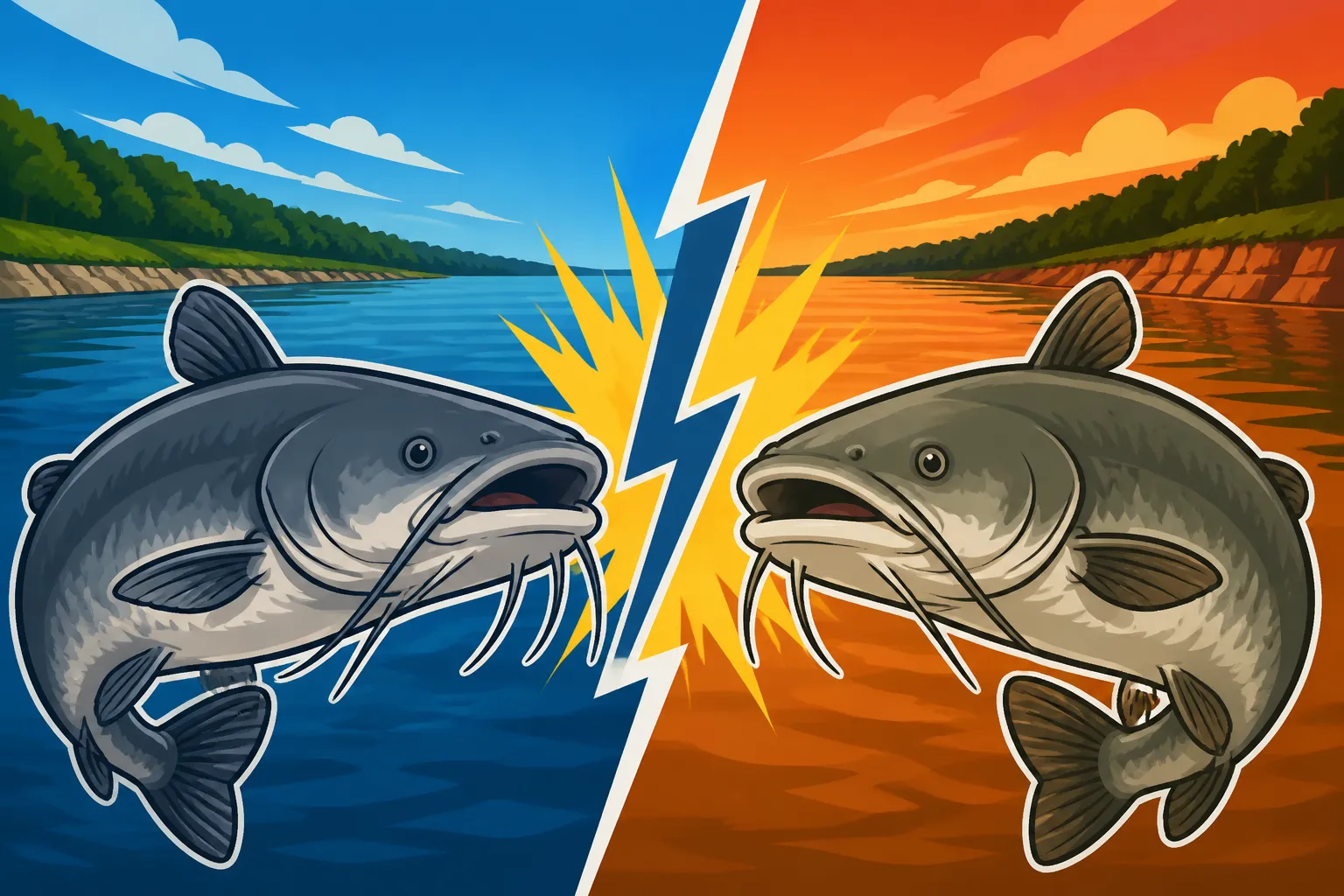
When it comes down to choosing between Carlyle and Rend for your catfish excursion, it’s not necessarily about one being "better," but rather which lake aligns best with your specific fishing goals and preferred style. Both offer exceptional catfishing, but they excel in different areas.
Battle of the Species and Size Potential
If your dream is to catch a true trophy blue catfish – a massive, hard-fighting monster – then Carlyle Lake is likely your better bet. Carlyle has a more established and historically larger population of big blues, particularly in its deeper river channels and main basin. While blues are present in Rend, they don't reach the same consistent trophy sizes or numbers as they do in Carlyle. The current Illinois state record blue catfish, while not from Carlyle, underscores the potential for truly giant fish in large river-fed reservoirs like it.
For channel catfish, it's a much tougher call, and some might even lean towards Rend Lake. Rend is a channel cat factory, known for its sheer numbers and consistent action. While Carlyle produces plenty of channels, Rend's extensive shallow, timber-rich environment seems to supercharge their growth and abundance. If you're looking for a cooler full of eating-sized channel cats, Rend might give you more consistent bites. However, both lakes produce large channel catfish, often into the double digits.
For flathead catfish, both lakes offer excellent opportunities. Carlyle's older, deeper timber and river channels can hold some truly enormous flatheads. Rend's vast stump fields and flooded timber are also prime flathead territory, though perhaps offering a different kind of challenge in navigating the snags. The choice here might come down to whether you prefer more open, deeper river channel structure (Carlyle) or dense, shallow timber (Rend). Many anglers find the Best Live Bait for Flathead Catfish to be the key to success in either lake.
Accessibility, Amenities, and Overall Fishing Experience
Both Carlyle and Rend are major recreation areas managed by the U.S. Army Corps of Engineers and the Illinois Department of Natural Resources (IDNR), meaning they offer excellent public access and amenities.
Carlyle Lake offers numerous boat ramps, extensive camping facilities, marinas, and various access points for shore anglers, particularly along the dam and causeways. Its sheer size means you can often find less crowded areas, even on busy weekends. The towns surrounding Carlyle, like Carlyle and Boulder, offer bait shops, tackle stores, and dining options. Carlyle's more open water can be a bit more susceptible to wind, leading to rough conditions for smaller boats, but it also provides more room for diverse fishing techniques like trolling or drifting.
Rend Lake also boasts excellent infrastructure, including multiple boat ramps, extensive camping, cabins, and resort-style amenities at Wayne Fitzgerrell State Park. The lake's smaller size and more protected coves can make it a more forgiving option on windy days, particularly for smaller boats or kayak anglers. However, the dense timber can make navigation challenging, requiring a good depth finder and careful maneuvering. Shore access is abundant, with many areas within state park boundaries offering easy bank fishing. The towns of Benton and Mount Vernon are nearby, providing all necessary supplies. For those interested in Shore Fishing Gear for Illinois Anglers, Rend Lake offers fantastic opportunities.
In terms of the overall fishing experience, Carlyle might appeal to those who enjoy chasing bigger blues and are comfortable navigating larger, more open waters, often with a boat. Rend Lake might be the favorite for anglers who love constant channel cat action, enjoy navigating intricate timber, and appreciate abundant shore access, often with a more "rustic" or intimate feel despite its popularity. If you're unsure about tackling either lake on your own, consider booking a trip with a local guide. Many experienced captains list their services on platforms like FishingBooker, offering tailored trips that can highlight the best of what each lake has to offer for catfish.
Making Your Choice: Which Lake Is Right for Your Catfish Trip?
Deciding between Carlyle Lake and Rend Lake really boils down to your personal preferences, target species, and the type of fishing adventure you're seeking. There's no wrong answer, just different experiences waiting for you.
Factors to Consider for Your Catfish Adventure
When weighing your options, think about these key factors:
- Target Species: If landing a true trophy blue catfish is your main goal, Carlyle Lake should be at the top of your list due to its larger blue cat population. If you're focused on high numbers of robust channel catfish for a fish fry, Rend Lake might offer more consistent action. Both lakes hold impressive flatheads, so that's a toss-up depending on your preferred habitat.
- Preferred Technique: Do you love setting trotlines or jug fishing in dense timber? Rend Lake's endless stump fields are a paradise for these methods. Prefer drifting large cut baits in deeper river channels or bottom fishing riprap from the bank? Carlyle offers ample opportunities for that.
- Time of Year: Catfish are active throughout the warmer months in both lakes. Spring and fall often provide excellent shallow-water action as fish move up to feed. Summer sees them retreat to deeper holes or dense cover. Consult the Illinois Fishing Seasons Guide for more insights on seasonal patterns.
- Boat vs. Bank: Both lakes are very friendly to bank anglers, with extensive public access. Carlyle's dam and causeways are legendary bank fishing spots. Rend Lake also has countless accessible coves and points. If you're a boater, consider the navigation challenges. Rend's dense timber requires careful maneuvering, while Carlyle's open water can get rough on windy days.
- Proximity: For many, the closest option wins. Carlyle is located more centrally in Southern Illinois, while Rend is further south. A shorter drive means more time fishing!
- Crowd Levels: On peak summer weekends, both lakes can get busy. However, Carlyle's vastness sometimes allows you to find more solitude. Rend's more concentrated fishing areas can feel busier, especially around popular ramps and state park areas.
Imagine you're planning a trip: If you're bringing a group of friends and want to set up camp, run several trotlines, and consistently pull in channel cats, Rend Lake could be your ideal destination. The extensive timber offers endless places to explore. On the other hand, if you're a serious trophy hunter with a well-equipped boat, focused on finding that 50-pound blue cat, the deeper, more expansive waters of Carlyle Lake might call your name louder.
Maximizing Your Catfish Success at Either Lake
No matter which lake you choose, preparation is paramount.
First, always check the most current regulations. The Illinois Fishing Information Guide Covers April 2026 Through March 2027 is your bible for limits, size restrictions, and any site-specific rules that might apply to Carlyle or Rend. Fishing laws can change, so a quick check before each season is a must.
Next, focus on fresh bait. Whether it's cut shad, chicken liver, or live bluegill, fresh bait outperforms old, frozen bait almost every time. Locally caught baitfish (where legal) are often the most effective. Consider the Best Bait for Channel Catfish for more ideas.
Understand fish behavior. Catfish are often more active during low-light conditions, so dawn, dusk, and night fishing can be incredibly productive, especially in the summer. During the day, they'll often hold in deeper water or tight to cover. Pay attention to water temperature and recent weather patterns.
Finally, don't be afraid to try new spots or techniques, and leverage local knowledge. Bait shop owners are a treasure trove of information. If you're still feeling unsure, especially on your first visit, booking a guide through a service like FishingBooker can fast-track your learning curve and significantly increase your chances of success. A good guide knows current conditions, where the fish are biting, and the subtle nuances of each lake. They can teach you specific rigs and techniques that are deadly for that particular body of water, making your investment worthwhile and ensuring a memorable catfish trip.
Ultimately, both Carlyle Lake and Rend Lake are phenomenal destinations for catfish anglers in Illinois. Your choice simply steers you toward a slightly different, but equally rewarding, whiskered adventure. Good luck, and tight lines!
Disclaimer
The information provided in this guide is for general informational purposes only. Fishing regulations, conditions, and fish behavior can change rapidly. Always consult the official Illinois Department of Natural Resources (IDNR) regulations and local authorities before engaging in any fishing activities. Ensure you have the proper licenses and permits. Fishing involves inherent risks, and safety precautions should always be observed.