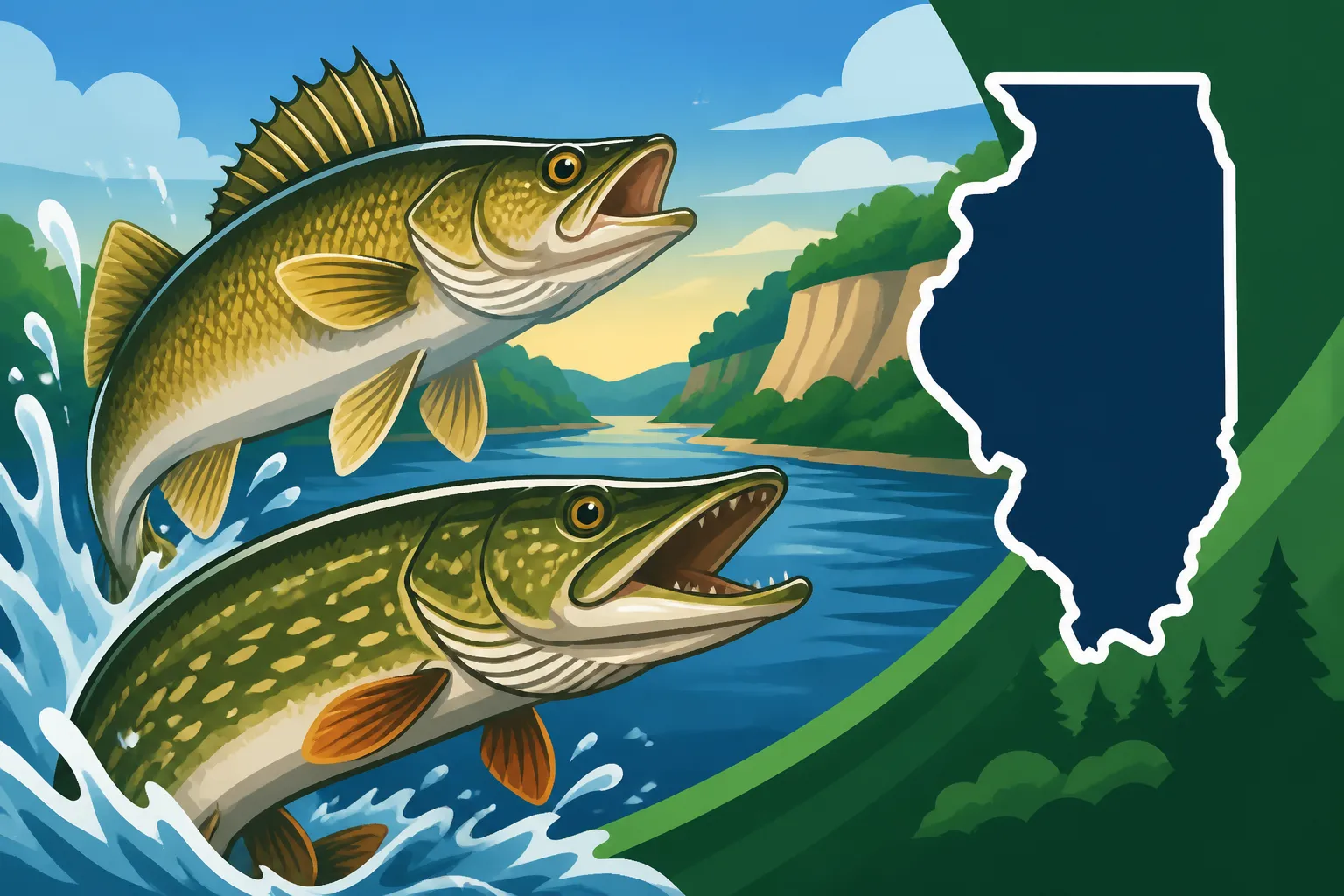
Mississippi River Walleye and Pike Fishing in Northern Illinois
The mighty Mississippi River, especially its northern Illinois stretches, can feel like an intimidating behemoth to new and even seasoned anglers. Its vastness, ever-changing currents, and complex structures often leave folks scratching their heads, wondering where on earth to start when they're hoping to land a prized walleye or a hard-fighting northern pike. This comprehensive guide aims to demystify fishing this incredible waterway, offering practical advice and insider tips to help you navigate its waters and find those elusive predatory fish.
Understanding Northern Illinois' Mississippi River Fishery
Fishing the Mississippi River is a different ballgame compared to your typical lake or pond. It's a living, breathing system with its own rhythms and challenges, but also unparalleled rewards for those who learn to read its currents and structures.
The Unique Challenges and Rewards of River Fishing
Let's be real: river fishing can be tough. The biggest hurdles are often the current, fluctuating water levels, and the sheer amount of diverse structure. One day a sandbar might be a prime spot, and the next, a slight rise in water could put it out of play. You're not just casting; you're constantly adjusting to the river's mood. Commercial barge traffic, though less frequent in some northern stretches, also demands respect and awareness, adding another layer of navigation to consider. It's easy to get frustrated when your favorite spot changes overnight or when a monster barge makes your boat rock like a cork.
However, these challenges are precisely what make success on the Mississippi so rewarding. This river nurtures an incredible ecosystem, and the fish here are tough, healthy, and often of impressive size. When you figure out a pattern, when you successfully navigate the currents to present your lure perfectly, and when you feel that solid thunk of a walleye or the explosive strike of a pike, it’s a feeling unlike any other. The satisfaction comes from conquering a truly wild and dynamic environment. Plus, the scenery along the northern Illinois bluffs, especially around areas like Galena, is simply stunning.
Key Stretches and Backwater Areas
The northern Illinois portion of the Mississippi River offers a diverse range of habitats. When we talk about finding walleye and pike, certain areas consistently produce. The Lock and Dam systems, like those near Rock Island or Fulton, are always hotspots. The turbulent waters below the dams create oxygen-rich environments and concentrate baitfish, which in turn attract predators.
Away from the main channel, the river also boasts an extensive network of backwater lakes, sloughs, and secondary channels. These areas, often sheltered from the main current, can be phenomenal for northern pike, which prefer slower-moving or stagnant water with plenty of vegetation or submerged timber. Think about the sprawling backwater complexes near Savanna or the smaller, less-pressured sloughs accessible by boat. For walleye, while they'll use these backwaters, the main channel and its associated structures like wing dams and rip-rap banks are typically more productive. Many anglers also find success around the mouths of tributaries that feed into the Mississippi, as these can create current breaks and bring in new food sources.
Chasing Walleye in the Mighty Mississippi
Walleye are one of the most sought-after fish in Illinois, and for good reason. They're notoriously tricky, but delicious, and a true prize for any angler. On the Mississippi, their behavior is largely dictated by current and structure.
Prime Walleye Spots and Seasonal Patterns
Walleye are masters of using current breaks to ambush prey without expending too much energy. Look for them immediately downstream of wing dams, behind large boulders, or in the seams where faster and slower water meet. Deep holes, especially those with current nearby, are also perennial favorites, particularly during winter and summer when fish seek stable temperatures. The mouths of smaller rivers and creeks that flow into the Mississippi can be goldmines, especially after rain when nutrient-rich water flushes in.
Their seasonal movements are predictable, if you know what to look for. In early spring, pre-spawn walleye will stage in deeper pools below dams or at the heads of backwaters, preparing to move upstream to spawn. Post-spawn, they often drop back to more predictable holding patterns along current breaks. Summer sees them moving deeper to find cooler, more oxygenated water, often congregating on main channel humps and deep current seams. As fall approaches and water temperatures drop, they go on a feeding frenzy, aggressively chasing baitfish in shallower areas before retreating to their wintering holes. Always remember to check the Illinois Walleye Size and Catch Limits before you head out, as these can vary by water body.
Effective Walleye Techniques and Baits
Successful walleye fishing on the Mississippi often boils down to precise presentation and matching the hatch. Jigging is perhaps the most iconic walleye technique. Using lead-head jigs tipped with live minnows, plastic grubs, or paddle tails, you can effectively present bait in current. A common strategy is to cast upstream and let the jig bounce naturally along the bottom as it drifts back to your boat, mimicking a wounded baitfish. For those who prefer to cover more water, trolling crankbaits is incredibly effective. Deep-diving lures like Berkley Flicker Shads or Rapalas in natural baitfish patterns can be trolled along current seams, over submerged structure, or along rip-rap banks. This is where understanding your electronics comes into play, helping you pinpoint depth and structure.
Another highly effective method, especially for anglers seeking a more relaxed approach or when fish are less aggressive, is live bait rigging. This involves slowly drifting or trolling with live minnows, nightcrawlers, or leeches on a snell rig, often with a walking sinker to keep it near the bottom. The key is to keep your bait in the strike zone, which often means on or very near the bottom, especially in the swift currents of the Mississippi. Understanding how much weight to use to stay on the bottom without snagging too much is a skill developed over time. You might find guides on FishingBooker who specialize in these methods, offering invaluable local knowledge. For a deeper dive into specific tactics, check out guides like Walleye Trolling Techniques or Walleye Jigging Techniques.
Hunting Northern Pike in Riverine Habitats
Northern pike are another fantastic sport fish found in the northern Illinois stretches of the Mississippi. While they might not get the same attention as walleye in this specific river section, they offer an exciting fight and can grow to impressive sizes.
Identifying Pike Havens and Seasonal Behavior
Unlike walleye, northern pike are generally ambush predators that prefer quieter, more vegetated waters. On the Mississippi, this means focusing your efforts on the extensive backwater lakes, sloughs, and stagnant side channels. Look for areas with dense submerged weed beds, fallen trees, brush piles, or flooded timber – basically, anywhere a pike can hide and wait to explode on unsuspecting prey. The mouths of feeder creeks, especially those with slower current, can also be prime locations.
Pike are often more active in cooler water, so early spring and fall are peak times. In early spring, they're incredibly aggressive, feeding heavily after the ice melts and before spawning. They'll be found in shallower, warming backwaters. As summer heats up, they often retreat to deeper, cooler sections of these backwaters or seek refuge in the densest weed beds, making them harder to find. However, they're still there, just requiring a more precise presentation. In fall, as water temperatures drop again, pike will gorge themselves, becoming very active and easier to target in many of the same shallow, cover-rich areas they frequented in spring. To really hone your pike game, take a look at our comprehensive guide on Northern Pike Fishing in Illinois: The Complete Guide.
Top Pike Lures and Presentation Strategies
Pike are not known for being finicky eaters, but they do prefer larger, flashier baits that mimic their natural prey like shad or smaller panfish. Spoons, especially classic designs like the Daredevle or Johnson Silver Minnow, are perennial favorites. Cast them out and retrieve with an erratic, stop-and-go motion to mimic a struggling baitfish. Spinnerbaits with large blades (e.g., Mepps Aglias or Musky Killers) are also incredibly effective, especially when fished around weed edges or submerged timber. Their flash and vibration can draw strikes from aggressive pike.
Large crankbaits, especially those with a wide wobbling action, and swimbaits are also excellent choices. When fishing these, a fast, aggressive retrieve often triggers a reaction strike. The key with pike fishing, more so than with walleye, is often covering water quickly and targeting visible cover. Don't be afraid to experiment with retrieve speeds and pauses. A critical piece of equipment you absolutely cannot skip is a steel or heavy fluorocarbon leader. Pike have razor-sharp teeth that will easily slice through standard monofilament or fluorocarbon main lines, leading to lost lures and, more importantly, lost fish. This ensures a clean break-off doesn't leave tackle in the fish. While we're talking about lures, you might want to consider some of the insights in Best Lures for Muskie Fishing Based on What They Eat, as many of those principles apply to pike too.
Essential Gear and Safety for River Anglers
Fishing the Mississippi isn't just about the fish; it's about being prepared for the environment. The right gear and a focus on safety can make or break your trip.
Rods, Reels, Line, and Tackle Box Must-Haves
For Mississippi River walleye, a medium-heavy to heavy action spinning or baitcasting rod, typically 6'6" to 7'6" in length, will give you the backbone needed to fight fish in current and handle heavier jigs or crankbaits. Pair this with a reliable reel spooled with 10-20 lb braided line, which offers superior sensitivity and casting distance, especially important for jigging. A 10-15 lb fluorocarbon leader is essential for stealth and abrasion resistance. When it comes to pike, you'll want to step up your gear a bit. A medium-heavy to heavy power rod, perhaps 7' to 8' long, is ideal for casting larger lures and controlling a powerful fish. Spool your baitcasting or spinning reel with 30-50 lb braided line and, as mentioned, use a heavy fluorocarbon or steel leader to prevent bite-offs.
Your tackle box should be organized and well-stocked. For walleye, include a variety of jig head weights (1/4 oz to 3/4 oz, or even heavier for strong currents), curly tail grubs, paddle tails, and a selection of deep-diving crankbaits in natural and bright colors. For pike, pack larger spoons, spinnerbaits, and swimbaits, along with those essential leaders. Don't forget pliers for hook removal, a good quality net with a rubber coating to protect the fish, and a decent scale if you like to weigh your catches. Investing in a solid Tackle Box Setup for Illinois Species will save you headaches on the water.
Boating Safety and River Navigation Tips
Navigating the Mississippi River demands respect and preparedness. First and foremost, always have up-to-date river charts or a reliable GPS unit with detailed mapping. The river bottom is constantly changing, and wing dams, submerged logs, and sandbars can appear out of nowhere, posing serious hazards. Pay close attention to current conditions and projected water levels, as these can drastically affect navigation and fishing patterns.
Safety gear is non-negotiable. Ensure you have enough Coast Guard-approved life jackets for everyone on board, and insist that children wear them at all times. Familiarize yourself with Illinois Life Jacket and PFD Rules before you launch. A strong anchor with plenty of rope is critical for holding position in current, as are paddle or oars as backup propulsion. Visual distress signals, a whistle or horn, and fully charged cell phones are also necessities. Be aware of commercial barge traffic; they have the right of way and cannot maneuver quickly. Stay clear of their path, especially when they are approaching locks or bends in the river. If you're new to river boating or uncertain about specific stretches, considering a guided trip through a service like FishingBooker can provide invaluable local knowledge and ensure a safer, more productive outing. They can help you learn the nuances of navigating the Mississippi.
Licenses, Regulations, and Conservation
Fishing ethically and legally is paramount. Understanding the rules not only keeps you out of trouble but also contributes to the health of the fishery for future generations.
Navigating Illinois Fishing Regulations
Before you even think about casting a line in the Mississippi River, you need to ensure you have the proper licensing. Every angler 16 years of age and older is required to possess a valid Illinois fishing license. For residents, this is a straightforward process, but if you're visiting from out of state, you'll need an Illinois Nonresident Fishing License Guide. The state's Department of Natural Resources (IDNR) website is the official source for purchasing licenses and reviewing regulations. You can also buy them at most sporting goods stores like Cabela's or your local bait shop.
It's crucial to remember that while there are statewide regulations, the Mississippi River often has site-specific rules, especially concerning length and creel limits for certain species. Given that the Mississippi forms the western border of Illinois, you might also encounter reciprocity agreements with neighboring states like Iowa. Understanding Illinois Fishing License Reciprocity With Iowa, for example, can save you from accidentally breaking a rule if you're fishing near the state line. Always consult the current Illinois Fishing Information Guide (available online or at license vendors) to check for any special regulations for the specific Pool or stretch of the Mississippi you plan to fish. Penalties for fishing without a license or exceeding limits can be steep, so it's always better to be informed.
Practicing Responsible Angling
The Mississippi River is a fantastic fishery, and it's up to all of us to keep it that way. Practicing responsible angling ensures that the fish populations remain healthy and that everyone can enjoy the bounty of the river for years to come. This starts with respecting catch limits and size regulations. If you're unsure about a fish's size, bring a ruler or measuring tape.
For fish you don't intend to keep, practicing proper catch and release techniques is vital. Handle fish gently, minimize their time out of the water, and use needle-nose pliers or a dehooking tool to quickly remove hooks. For larger walleye and especially pike, which can be vulnerable after a long fight, ensure they are revived properly before release. This might mean holding them gently in the water, facing into the current, until they are strong enough to swim away on their own. Avoid "hero shots" that hold fish horizontally by their mouths unless fully supported, as this can damage their jaws. Lastly, always pack out everything you pack in. Leave no trash behind, respect private property along the riverbanks, and be courteous to other anglers and boaters. Our collective efforts in conservation make a tangible difference.
Here's a quick comparison of Walleye vs. Pike fishing in northern Illinois' Mississippi River:
| Feature | Walleye Fishing | Northern Pike Fishing |
|---|---|---|
| Preferred Habitat | Main channel, current breaks, wing dams, deep holes, tributary mouths | Backwater lakes, sloughs, dense weed beds, submerged timber, slower side channels |
| Key Seasons | Spring (pre/post-spawn), Fall (feeding frenzy), also summer deep | Early Spring (aggressive), Fall (feeding frenzy), also summer in deep cover |
| Typical Techniques | Jigging, trolling crankbaits, live bait rigging | Casting spoons, spinnerbaits, large crankbaits, swimbaits |
| Preferred Baits | Minnows, nightcrawlers, leeches, plastic grubs, paddle tails, crankbaits | Large spoons, spinnerbaits, chatterbaits, large swimbaits, jerkbaits |
| Rod Power | Medium-Heavy to Heavy | Heavy |
| Line & Leader | Braided line (10-20lb) with 10-15lb fluoro leader | Braided line (30-50lb) with steel or heavy fluoro leader |
| Fight Style | Strong pulls, head shakes, deep dives | Explosive initial strike, powerful runs, aerial displays |
| Patience Level | Often requires more finesse and patience | Can be very aggressive, good for active casting |
Disclaimer
Fishing conditions and regulations in Illinois are subject to change. Always consult the current Illinois Department of Natural Resources (IDNR) Fishing Information Guide before heading out. This guide is for informational purposes only and does not supersede official regulations. Stay safe and informed!