Mississippi River Backwater Fishing for Crappie and Bass, Illinois
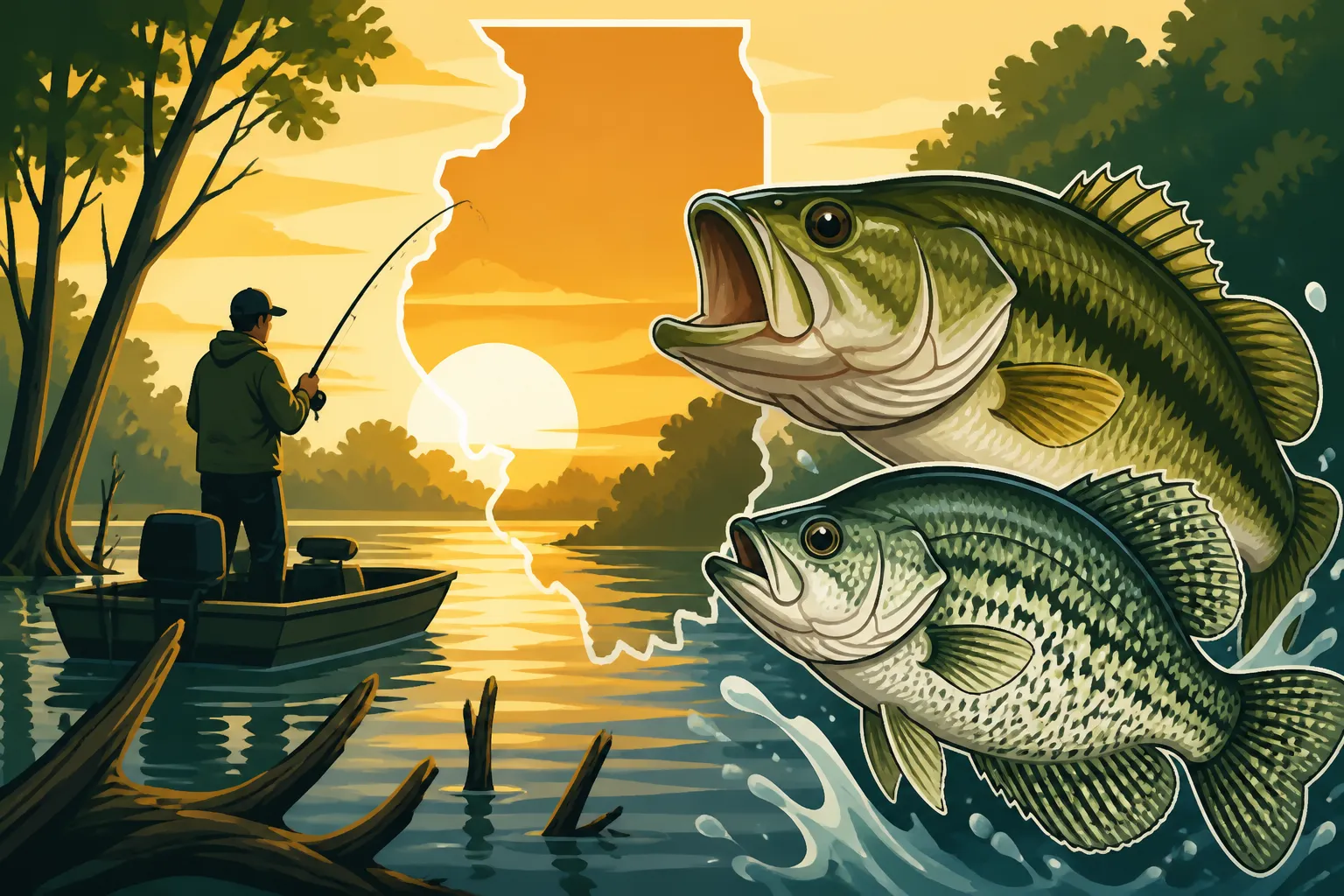
For many anglers, the vastness of the Mississippi River can feel overwhelming. It’s easy to get lost in the main channel’s powerful currents, often overlooking the hidden gems tucked away in its countless backwaters. These quieter, often shallower areas are prime real estate for crappie and bass, offering some of the most rewarding fishing experiences in Illinois if you know how to approach them. This guide will take you deep into the secrets of Mississippi River backwater fishing, ensuring your next trip is productive and enjoyable.
Understanding the Mississippi River Backwaters
The Mississippi River isn't just one big channel; it's a dynamic, ever-changing system comprised of the main channel, side channels, sloughs, and, most importantly for us, the backwaters. These areas are ecological powerhouses, providing shelter, food, and spawning grounds for a multitude of fish species, especially crappie and bass.
Defining Backwaters and Their Ecosystems
Backwaters are essentially off-channel areas, often connected to the main river system by narrow cuts or culverts, or sometimes only during high water periods. They can range from shallow, stump-filled sloughs to larger, more open pools. What makes them so special is their relative isolation from the main current. This creates a more stable, nutrient-rich environment where aquatic vegetation thrives, insects flourish, and smaller baitfish seek refuge. This abundance of food and cover makes them irresistible to predators like crappie and bass. Think of them as the river's nurseries and dining halls, all rolled into one. They often feature submerged timber, brush piles, lily pads, and thick stands of coontail or milfoil, all of which are magnets for fish. The water temperature in backwaters can also fluctuate more rapidly than the main channel, warming up faster in spring and cooling slower in fall, which greatly influences fish activity.
The Importance of Fluctuating Water Levels
Fishing the Mississippi River's backwaters is a bit like playing chess with Mother Nature, and water levels are a critical piece of the puzzle. The river's stage, dictated by rainfall and dam operations, profoundly impacts these areas. When water levels are high, the backwaters expand, flooding new cover like terrestrial vegetation and shallow timber. This often disperses fish, but it also creates new feeding opportunities as they move into these freshly inundated areas to forage. Crappie, in particular, will follow the rising water into flooded bushes to spawn. Conversely, when water levels drop, backwaters shrink, concentrating fish into deeper holes, along channels, or near remaining cover. This can make them easier to locate but also more pressured. Learning to read the river's gauge reports is an invaluable skill for any backwater angler. A slight rise or fall of even a foot can completely change how and where fish position themselves. Many experienced anglers will even plan their trips around predicted water level changes, knowing that a certain range might trigger a bite in a specific backwater.
Prime Locations for Crappie and Bass in Illinois Backwaters
Illinois boasts hundreds of miles of Mississippi River shoreline, and with it, countless backwater opportunities. Knowing where to start can be daunting, but certain stretches and pools consistently produce excellent crappie and bass fishing.
Northern Illinois Hotspots
In the northern reaches of the Illinois Mississippi River, from Dubuque down past the Quad Cities, the river is characterized by a series of locks and dams, creating distinct "pools." Pools 12 through 14 are particularly renowned for their backwater fishing. Near towns like Savanna, Fulton, and Rock Island, you'll find extensive networks of sloughs and timbered areas that are absolute goldmines.
For instance, the backwaters around the Savanna Army Depot (now the Lost Mound Unit of the Upper Mississippi River National Wildlife and Fish Refuge) in Pool 13 offer incredible action. These areas have abundant woody debris and submerged vegetation, perfect for both crappie and largemouth bass. Anglers often find success working around the numerous islands and flooded timber that dot this landscape. Farther south, near Rock Island in Pool 15, the backwaters around Credit Island and various sloughs provide similar opportunities. These northern pools tend to warm up a bit slower in spring but can offer prolonged excellent fishing into late fall. Keep an eye out for areas with minimal current flow, as these are typically where crappie and bass will hold, especially during strong main channel currents. Many local guides offer trips through services like FishingBooker specifically targeting these backwater gems. For those looking to explore more, refer to our comprehensive guide on Mississippi River Walleye and Pike Fishing in Northern Illinois for a broader perspective on species in the area.
Central and Southern Illinois Havens
As you move south, the river changes character, but the backwater opportunities remain just as rich. In Central and Southern Illinois, particularly below Grafton and the confluence with the Illinois River, the backwater complexes become even larger and more sprawling. Pools 25, 26, and the Open River Section below Alton are fantastic. The Batchtown area, near Lock and Dam 25, is famous for its extensive backwaters and is a perennial favorite for crappie. These areas consist of numerous lakes and sloughs that were once part of the main river but have been cut off or partially isolated, creating ideal fish habitat.
Near Grand Tower and the Big Muddy River confluence, the backwaters are vast and interconnected, offering prime spots for both largemouth and smallmouth bass, alongside impressive crappie populations. These southern backwaters often warm up earlier in the spring, leading to earlier spawns and longer fishing seasons. The sheer amount of cover, from standing timber to thick emergent vegetation, provides endless possibilities for exploration. Be sure to check site-specific regulations, as rules can sometimes vary by pool or refuge area, as detailed in our Illinois Fishing Regulations Overview. You can often find detailed maps of these intricate backwater systems online or through local bait shops, and some even provide details for booking guided excursions via platforms like FishingBooker.
Crappie Fishing Techniques for Backwater Success
Crappie are a favorite target in the backwaters, known for their delicious fillets and willingness to bite. Understanding their seasonal movements and preferred baits is key to filling your cooler.
Seasonal Strategies for Crappie
Crappie fishing in the backwaters truly shines during the spring spawn, typically from April to early June, depending on water temperatures. As the water warms into the high 50s and low 60s Fahrenheit, crappie move into incredibly shallow water, often right into flooded bushes and timber, making them accessible to both boat and bank anglers. During this time, a simple bobber rig with a live minnow or a small jig (1/32 to 1/16 oz) suspended just above cover is deadly. Look for visible cover like willow trees, button bushes, or submerged logs. Don't be afraid to cast right into the thick stuff; that's where they'll be. For more in-depth spring tactics, our Crappie Fishing Techniques for Spring article is a valuable resource.
Once the spawn ends and summer sets in, crappie generally retreat to deeper, cooler water in the backwaters. This often means finding them in deeper channels, at the base of old creek beds, or around sunken brush piles and standing timber that offers shade and structure. They might suspend at certain depths, so using a fish finder to locate schools becomes crucial. Jigging with small plastics like Bobby Garland's Baby Shad or working a tiny crankbait along drop-offs can be effective. In the fall, as water temperatures drop, crappie become active again, feeding aggressively to fatten up for winter. They'll often move back to shallower flats adjacent to deeper channels, staging along points and channel bends, eager to hit minnows or small jigs.
Best Baits and Lures for Backwater Crappie
When it comes to crappie in the Mississippi backwaters, simplicity often wins. Live minnows are king, especially when presented under a small bobber near cover. They offer natural action and scent that crappie simply can't resist. For artificials, small jigs are indispensable. A 1/32 to 1/16 ounce jig head paired with a soft plastic body in colors like chartreuse, white, black/chartreuse, or pearl is usually all you need. Tube jigs, tiny grub tails, and micro-shad imitations are all highly effective. The key is to fish them slowly, often with a subtle twitching retrieve, letting them fall naturally near cover.
Another great option, particularly in larger backwater lakes, is spider rigging or tight-lining with multiple rods out of a boat, presenting jigs or minnows at various depths until you pinpoint the crappie's preferred zone. Small, ultralight crankbaits that dive only a few feet can also be productive when crappie are active and scattered across shallow flats. Don't overlook the power of scent; adding a crappie attractant to your soft plastics can often trigger bites when fish are hesitant. Experiment with colors and retrieves until you find what they're hitting on that particular day. For more information on different panfish species in Illinois, check out our guide on Illinois' Best Panfish Species: A Complete Guide.
Bass Fishing Strategies in Backwater Environments
The Mississippi River backwaters are a true paradise for bass anglers, particularly those targeting largemouth. The abundant cover and rich food sources create ideal conditions for these hard-fighting fish.
Largemouth Bass Tactics
Largemouth bass absolutely thrive in the cover-rich, calmer waters of the Mississippi backwaters. Your primary strategy here should revolve around identifying and dissecting cover. Think lily pad fields, dense stands of submerged grass, fallen timber, brush piles, and shallow stump fields. During the spring spawn, just like crappie, largemouth will move into extremely shallow areas, often right into the flooded terrestrial vegetation, making them vulnerable to accurate casts. Topwater lures like hollow-bodied frogs, popping chuggers, or buzzbaits fished over matted vegetation can be explosive, especially during low-light conditions or overcast days.
As summer progresses and the water warms, bass often relate to the deepest available cover in the backwaters, seeking shade and cooler temperatures. This might mean pitching a jig or Texas-rigged plastic worm into the heart of a brush pile, or flipping a creature bait into dense lily pad fields. In the fall, largemouth will aggressively feed, often moving to the edges of deeper channels or around main lake points within the backwater system. Spinnerbaits, crankbaits, and chatterbaits become very effective as bass chase baitfish. Understanding Bass Fishing Techniques for Beginners can greatly enhance your success in these diverse environments.
Smallmouth Bass Opportunities
While largemouth bass are the more common catch in the classic, slow-moving backwaters, savvy anglers can also find smallmouth bass, particularly in areas where the backwater transitions to more current-prone side channels or main river sections. Smallmouth prefer rock, current, and cleaner water, so look for them on rocky points, riprap banks, current seams, and areas where feeder creeks enter the backwater. These transitional zones offer the best of both worlds – the food source of the backwater with the preferred habitat of a smallmouth.
Targeting smallmouth in these areas might involve different techniques than pure largemouth fishing. Crankbaits that mimic shad or crawfish, jerkbaits, tube jigs, and finesse worms fished on drop shots are excellent choices. Cast parallel to riprap or rock jetties, letting the lure bounce off the structure. Smallmouth are incredibly powerful and fun to catch, often fighting harder pound for pound. While less prevalent than largemouth in the deepest backwaters, finding that sweet spot where currents meet calm water can yield incredible smallmouth action. For broader bass fishing information, check out our Best Bass Fishing Lakes in Illinois guide.
| Species | Preferred Habitat | Key Seasons | Best Baits/Lures |
|---|---|---|---|
| Crappie | Flooded timber, brush piles, lily pads, deep channels | Spring, Fall, Summer (deeper) | Live minnows, small jigs (tubes, grubs), tiny crankbaits |
| Largemouth Bass | Heavy cover (lily pads, grass, stumps, laydowns) | Spring, Summer, Fall | Frogs, jigs, Texas-rigged plastics, spinnerbaits, crankbaits |
| Smallmouth Bass | Rocky points, riprap, current seams, transitional zones | Spring, Summer, Fall | Crankbaits, jerkbaits, tube jigs, finesse worms |
Essential Gear and Preparation for Backwater Anglers
Getting ready for a backwater fishing trip on the Mississippi River means more than just grabbing a rod. The unique environment demands specific gear and thoughtful preparation to ensure a safe and successful outing.
Boat and Kayak Considerations for Shallow Water
When venturing into the Mississippi backwaters, your choice of vessel is paramount. These areas are often shallow, riddled with submerged obstacles like stumps and logs, and can have narrow cuts. A traditional deep-V bass boat might struggle or even get damaged. Jon boats are often the preferred choice for many seasoned backwater anglers due to their flat bottom design, which allows them to navigate extremely shallow water with ease. Many of these boats are also outfitted with powerful, yet shallow-running, outboard motors or mud motors designed for propeller operation in dense vegetation or muddy conditions. If you're using an outboard, ensure it has a tilt function to lift the motor when traversing skinny water.
Kayaks and canoes are also excellent choices for accessing the most remote and shallow backwaters. Their stealth allows you to get right up to prime cover without spooking fish, and they can easily portage over small land obstacles or through very narrow passages. If you opt for a kayak, consider a sit-on-top fishing kayak for stability and easier rigging. Always carry a push pole; it's invaluable for silently maneuvering through shallow, vegetated areas where even a trolling motor might get bogged down. For any boat, remember that Illinois Boat Registration Requirements Explained and Illinois Life Jacket and PFD Rules apply, so ensure you're compliant.
Recommended Rods, Reels, and Line for Backwater Fishing
For crappie, an ultralight to light action spinning rod, typically 6 to 7 feet long, paired with a small spinning reel (1000-2000 series) spooled with 4-6 pound monofilament or fluorocarbon line is ideal. This setup provides the sensitivity needed to detect subtle crappie bites and the backbone to handle decent-sized fish around light cover. If you're using a bobber rig, a longer rod (7-9 feet) can help with casting distance and managing your line.
For largemouth bass, versatility is key. A medium-heavy action baitcasting rod, 6'6" to 7'3" in length, paired with a quality baitcasting reel, is a workhorse. Spool it with 12-17 pound fluorocarbon for good sensitivity and abrasion resistance, or opt for 30-50 pound braided line when fishing heavy cover with frogs or flipping jigs. The braid's zero stretch and incredible strength are vital for pulling bass out of thick mats. If you prefer spinning gear for bass, a medium action rod with a 3000-4000 series reel spooled with 8-12 pound fluorocarbon or braid will serve you well. Consider a few different setups if you're targeting both species extensively, allowing you to quickly switch techniques.
Navigating Challenges and Ensuring Safety
Fishing the Mississippi River backwaters offers incredible rewards, but it also comes with its unique set of challenges. Being prepared for these obstacles and prioritizing safety is crucial for a successful and enjoyable trip.
Dealing with Changing Water Conditions and Debris
The dynamic nature of the Mississippi River means that water conditions can change rapidly. Heavy rains can cause sudden rises in water levels, increasing current flow into backwaters and bringing large amounts of floating debris – logs, branches, and even entire trees. Conversely, prolonged dry spells can lead to dramatically low water, making many backwater areas inaccessible or too shallow to navigate. Always check river forecasts and water levels before heading out. Websites like the National Weather Service's Advanced Hydrologic Prediction Service (AHPS) provide real-time gauge readings for various points along the Mississippi.
When dealing with debris, slow down significantly. A sharp lookout is necessary to avoid damaging your boat or lower unit. If you encounter areas that are impassable due to debris, don't force it; find an alternative route or choose a different spot. Changing water clarity is another factor; high water often means muddier conditions, pushing fish into calmer, clearer pockets or tight to cover, while stable or low water might lead to clearer conditions requiring more subtle presentations. Understanding Illinois Fishing Seasons Guide will help you predict these seasonal changes.
Rules, Regulations, and Conservation in Illinois Backwaters
Fishing the Mississippi River backwaters requires adherence to both statewide Illinois fishing regulations and often specific rules for certain pools or wildlife refuge areas. Always consult the current Illinois Fishing Information Guide published by the Illinois Department of Natural Resources (IDNR). This guide outlines species-specific length and creel limits, which can sometimes vary from the statewide regulations depending on the pool or body of water. For example, Illinois Statewide Bass Fishing Limits might differ from a specific lake's rules within a backwater complex.
Beyond regulations, practicing conservation is vital to preserving these rich fisheries. Release any fish you don't intend to eat, especially larger breeding-stock bass and crappie. Handle fish gently to minimize stress. Pack out everything you pack in, leaving no trace of your visit. Consider using barbless hooks for easier release, especially when catch-and-release fishing. Supporting conservation efforts and organizations that work to protect the Mississippi River ecosystem ensures that these incredible backwater fishing opportunities will be available for future generations of anglers. Remember, everyone needs an Illinois Fishing License Guide for 2026 to legally fish these waters, and be aware of Illinois Fishing License Rules for Children if bringing young anglers along. For those interested in diverse river fishing, don't forget to check out Mississippi River Catfish Fishing in Southern Illinois for other species targets.
Disclaimer
Please be aware that fishing regulations, conditions, and specific access points can change. Always consult the latest official Illinois Department of Natural Resources (IDNR) publications and local advisories before planning any fishing trip. Safety should always be your top priority on the water.