Warmouth Fishing in Sloughs and Backwaters
Many anglers in Illinois spend their days chasing after the big bass or elusive walleye, often overlooking one of our state's most feisty, fun, and accessible panfish: the warmouth. These scrappy fighters thrive in the quieter, often forgotten corners of our waterways – the sloughs and backwaters. If you've ever felt frustrated by crowded main lakes or struggled to find a bite, this guide is your key to unlocking incredible action in these secluded spots, revealing how to find them, what to use, and why warmouth are truly a hidden gem.
Unlocking the Mystery of Warmouth: Illinois's Hidden Panfish Gem
Let's be honest, the warmouth isn't always the first fish that comes to mind when you think of Illinois angling. Many folks might not even know what they look like, mistaking them for other sunfish or even a small bass. But once you get to know them, you'll find they offer some seriously fun fishing, especially when you're looking for a peaceful escape from the bustling main lakes. They're often found in places other anglers ignore, making them perfect for a quiet afternoon.
What Makes a Warmouth Unique?
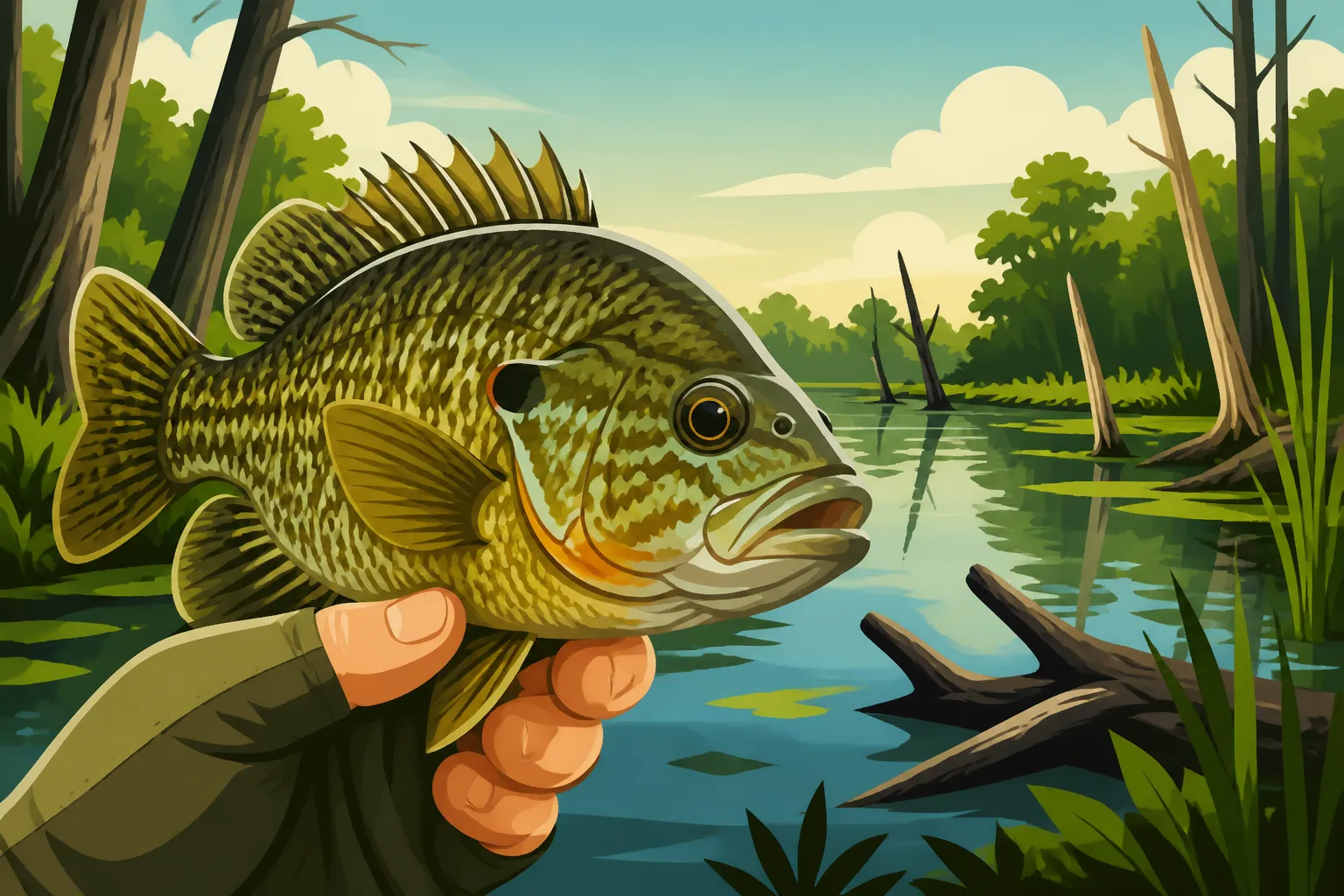
Warmouth, or Lepomis gulosus if you want to get scientific, are a fascinating member of the sunfish family. They share some characteristics with their bluegill and crappie cousins but have a distinct look and attitude. Imagine a sunfish with a mouth almost as big as a bass – that's your warmouth! Their bodies are generally dark olive to brown, often mottled with darker spots and streaks, giving them fantastic camouflage in their preferred murky habitats. They usually have three to four prominent dark stripes radiating back from their eye, which is a key identifier. Plus, they have small teeth on their tongue, which is a cool, unique feature among sunfish.
They don't typically grow as large as a state-record bass, but a 9-10 inch warmouth is a legitimate trophy and will pull harder than you might expect on light tackle. They're built for ambush, and that large mouth is perfect for gulping down whatever unlucky prey swims by. If you’re not sure how to tell them apart from other species, check out Illinois Rock Bass and Warmouth: Overlooked Panfish Worth Catching for a detailed comparison. Knowing your fish helps you understand their behavior and, ultimately, how to catch more of them!
Why Sloughs and Backwaters Are Prime Warmouth Territory
Warmouth absolutely thrive in slow-moving or stagnant water. This is precisely why sloughs and backwaters are their ideal homes. Think about those areas off the main river channel or a lake's primary basin – shallow, often murky, choked with lily pads, submerged timber, cattails, and thick aquatic vegetation. These aren't the clean, open water stretches that many anglers prefer, but for warmouth, they are paradise.
These secluded areas provide a buffet of food sources, from insects and their larvae to small minnows, crayfish, and even smaller fish. The dense cover offers perfect ambush points, allowing them to hide from predators and surprise their prey. The water in sloughs and backwaters also tends to warm up faster in the spring and stay warmer longer into the fall, creating a more stable and comfortable environment for these fish. They don't mind low oxygen levels as much as some other species either, making them incredibly resilient. If you're wondering why fish congregate in these particular areas, it often comes down to food, shelter, and favorable water conditions, all of which backwaters offer in spades.
Scouting Your Secret Warmouth Spots in Illinois
Finding these hidden warmouth havens is part of the adventure. It requires a bit of an explorer's mindset, but the reward of undisturbed fishing can be immense. Many of these spots might look uninviting at first glance, but that's precisely why they hold fish that rarely see a hook.
Identifying Productive Sloughs and Backwater Areas
So, how do you spot a good warmouth slough or backwater? Start by looking at maps – topographical maps or satellite imagery are your best friends. You’re looking for old river bends cut off from the main channel, shallow coves protected from wind and current, oxbow lakes, or any area with a narrow connection to a larger body of water. These connections might only be navigable by kayak or even just by wading through a muddy ditch.
When you get to the water's edge, look for visual cues. Overhanging trees, fallen logs, brush piles, and especially dense patches of aquatic vegetation like lily pads, coontail, or emergent reeds are all excellent signs. If you see signs of baitfish activity – small minnows dimpling the surface or fleeing from shadows – that's a huge positive. These areas might be a bit of a trek to get to, but the journey often adds to the feeling of discovering your own private fishing hole. Remember that access can sometimes be tricky, so always check local regulations and property lines before venturing in. You might find some excellent Best Bank Fishing Spots in Illinois within these types of areas.
How Water Conditions Influence Warmouth Location
Warmouth are pretty adaptable, but their activity and location will definitely shift with water conditions.
- Murky or Stained Water: This is often their preferred habitat. The stained water provides excellent camouflage and makes them feel secure. In these conditions, warmouth will often hold tight to cover, ambushing prey that swims too close. Don't be afraid of a little mud!
- Clear Water: If you find warmouth in clearer backwaters, they will be even more cover-oriented. They might retreat deeper into dense lily pad fields or under thick brush. You'll need to be stealthier in your approach to avoid spooking them.
- Current: While they prefer slow water, a little bit of current can actually concentrate warmouth, especially near the mouth of a slough or where a small feeder creek enters. The current brings food, and the fish will position themselves just out of the main flow, in an eddy or behind a log, waiting.
- Water Temperature: Like all panfish, warmouth are sensitive to temperature. In spring, they'll move into the shallowest, warmest parts of the backwater to spawn. In summer, they might retreat to slightly deeper water or denser shade during the hottest parts of the day. In fall, they'll feed heavily before winter. Keeping an eye on the water temperature can give you a real advantage in finding them.
Mastering Warmouth Fishing Techniques and Baits
Now for the fun part: how to catch these feisty little guys! Warmouth are not picky eaters, which is one of their most endearing qualities. This makes them fantastic targets for beginners and experienced anglers alike. Their aggressive nature means they'll often hit baits with gusto, providing plenty of excitement.
The Best Natural Baits for Hungry Warmouth
When it comes to warmouth, sometimes the simplest natural baits are the most effective. Remember, they're opportunists with a big mouth, so anything that looks like a tasty snack is fair game.
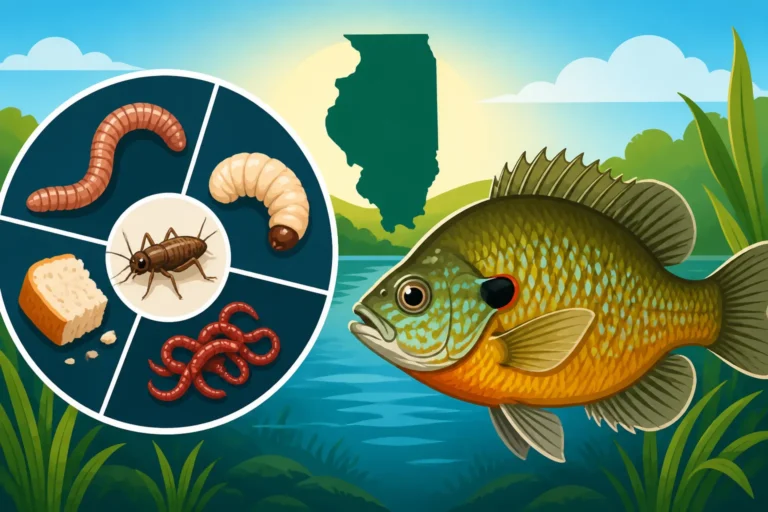
- Worms: A classic for a reason. Red wigglers, nightcrawlers (cut into smaller pieces), or even garden worms are irresistible to warmouth. Thread a small piece onto a hook, add a tiny split shot a few inches above, and suspend it under a bobber near cover.
- Crickets/Grasshoppers: These are absolute warmouth candy. If you can catch them yourself, all the better. The natural frantic kicking action on the surface drives warmouth wild. Hook them gently through the collar and let them float or slowly retrieve them.
- Minnows: Small minnows (1-2 inches) are excellent, especially for targeting larger warmouth. Hook them through the lip or just behind the dorsal fin and present them near submerged structure.
- Small Crayfish: If you can find tiny crayfish, they are a fantastic option. Warmouth love to eat them. Rig them similarly to minnows.
You can often find all these bait options at local bait shops, or even a quick search on Amazon will show you options for bait containers and small tackle boxes to keep your worms lively. For more general panfish bait ideas, check out Best Bait for Bluegill Fishing.
Lure Fishing for Aggressive Warmouth
While natural bait is a surefire winner, warmouth are also incredibly receptive to artificial lures, especially if you enjoy an active fishing style. Their aggressive strikes on small lures are a blast!
- Tiny Jigs: This is probably the most versatile lure for warmouth. Think 1/32 or 1/16 ounce jigs tipped with a small plastic grub, tube, or a feather jig. Colors like black, olive, chartreuse, or even white often work well. Fish them slowly, letting them sink into pockets of cover, or twitch them along the edge of lily pads.
- Small Spinners: Mepps Comet or Roostertail spinners in sizes #0 or #1 are fantastic. Their flash and vibration mimic fleeing baitfish. Cast them near cover and retrieve slowly, allowing the blade to spin. These can be particularly effective in slightly clearer backwaters or where there's a bit more open water.
- Micro Crankbaits: Tiny crankbaits designed for panfish or ultralight trout fishing can also entice aggressive warmouth. Look for lures that dive shallow, around 1-3 feet, and have a tight wobbling action. They're great for covering water along weed lines.
- Topwater Bugs/Poppers: For exhilarating strikes, don't overlook tiny topwater poppers or rubber-legged spiders. Cast them into small openings in the lily pads or right against submerged logs. Twitch them gently, letting them sit for a moment, and watch for that explosive strike!
Simple Rigs for Maximum Success
Warmouth fishing doesn't require complex setups. Simplicity is often key, especially when fishing in snaggy backwater environments.
- Bobber Rigs: This is the go-to for most panfish, and warmouth are no exception. Use a small, sensitive bobber (a slip bobber allows for easier depth adjustment), a small split shot or two, and a size 8-12 Aberdeen or snelled hook. Set your depth so your bait is just above any submerged vegetation or structure. This rig is fantastic for still-fishing or for drifting your bait slowly.
- Bottom Rigs (Carolina Rig style): In areas with a slightly cleaner bottom or deeper pockets, a modified Carolina rig can work. Use a very small bullet weight, a small bead, a tiny swivel, and a short leader (6-12 inches) to your hook. This keeps your bait near the bottom where warmouth might be foraging for crayfish or insects, while allowing the bait some natural movement.
- Weedless Jigs: When fishing in extremely dense cover, consider using a weedless jig (like a micro weedless jighead or a tiny jig with a weed guard) to minimize snags. This allows you to punch into areas where other baits would get hopelessly stuck.
| Rig Type | Preferred Bait | Best Conditions | Pros | Cons |
|---|---|---|---|---|
| Bobber Rig | Worms, Crickets | Shallow, still water, dense cover | Easy to see bites, keeps bait off bottom | Can get snagged in thick weeds |
| Jigging Rig | Small Plastics, Jigs | Varied depths, around submerged structure | Active, allows for quick retrieves | Requires feel, can snag |
| Bottom Rig | Worms, Small Minnows | Deeper pockets, slightly cleaner bottom | Presents bait naturally on the bottom | More prone to snags on very mucky bottoms |
| Topwater Rig | Poppers, Bug Lures | Calm water, lily pad openings | Exciting visual strikes | Less effective in windy or choppy water |
Essential Gear for Your Backwater Warmouth Adventure
While warmouth aren't gear snobs, having the right tackle will enhance your experience, minimize frustration from snags, and allow you to fully enjoy those aggressive strikes. Light tackle is key, as it makes even smaller fish feel like giants.
Rods, Reels, and Line: Keeping it Light and Sensitive
For warmouth fishing, think finesse. You don't need heavy-duty saltwater gear; in fact, it would be counterproductive.
- Rods: An ultralight or light action spinning rod, around 5 to 6 feet in length, is ideal. This type of rod will have enough backbone to handle a feisty warmouth but enough flex in the tip to make those aggressive bites feel incredible. A sensitive tip is also crucial for detecting subtle takes, especially if you're jigging. If you're looking for a good starter setup, check out Best Beginner Bluegill Fishing Setup as many of the same principles apply.
- Reels: Pair your ultralight rod with a small spinning reel (size 500 to 1000). The smaller spool and lighter retrieve will perfectly balance your rod. There are many affordable and reliable options available on Amazon that are perfect for panfish.
- Line: Stick with light line – 4 to 6 pound monofilament or fluorocarbon is perfect. Monofilament is more forgiving with snags due to its stretch, while fluorocarbon offers better sensitivity and less visibility. In very dense cover, you might even consider 6-8 pound braided line with a short fluorocarbon leader for abrasion resistance, but for most situations, mono or fluoro will do the trick. A lighter line not only casts small baits better but also gives the fish a fairer fight, making it more exciting.
Must-Have Accessories for Slough Fishing
Beyond your basic rod and reel, a few key accessories will make your warmouth fishing trip more enjoyable and productive.
- Pliers/Forceps: These are non-negotiable. Warmouth have small, toothy mouths, and they often swallow hooks. Pliers or forceps will allow you to safely and easily remove hooks, protecting both your fingers and the fish.
- Tackle Box/Bag: A small, organized tackle box or a compact fishing backpack is essential for carrying your baits, lures, extra hooks, and weights. Keep it lightweight and easy to carry, especially if you're hiking into remote backwaters. Tackle Box Organization for Panfish Trips can give you some great ideas.
- Waders/Waterproof Boots: Many prime warmouth spots are shallow and muddy. A good pair of waterproof boots or chest waders will allow you to access areas that bank anglers can't reach, and keep you dry and comfortable.
- Insect Repellent: Sloughs and backwaters often mean bugs. Don't forget a strong insect repellent, especially during warmer months. There's nothing worse than having a great bite ruined by swarms of mosquitoes or gnats.
- Hat and Polarized Sunglasses: A wide-brimmed hat will protect you from the sun, and polarized sunglasses are invaluable for spotting submerged cover and even seeing fish in clearer water.
- Net: A small, rubberized landing net can be helpful for safely landing larger warmouth, especially if you plan on catch and release.
Warmouth fishing in Illinois's sloughs and backwaters offers a truly rewarding experience, full of quiet moments and aggressive bites. These often-overlooked fish are a blast to catch, providing consistent action when other species might be harder to find. So, next time you're planning a trip, don't forget to explore those peaceful, weed-choked corners of your favorite lake or river. You might just discover your new favorite fishing spot!
Disclaimer
This article is for general informational purposes only and does not constitute professional advice. Laws, prices and regulations vary by location and change over time. Consult a qualified professional for guidance on your specific situation.