Best Bait for Redear Sunfish
Catching Redear Sunfish in Illinois can sometimes feel like a puzzle, especially if you're used to the aggressive bites of bass or the eager nibbles of bluegill. These "shellcrackers" have a unique diet and temperament, often making anglers scratch their heads about the best way to entice them. This guide is here to unravel that mystery, providing you with a comprehensive look at the top baits and techniques to consistently put more Redear in your cooler, turning those frustrating trips into successful outings.
Understanding the Redear Sunfish's Unique Palate
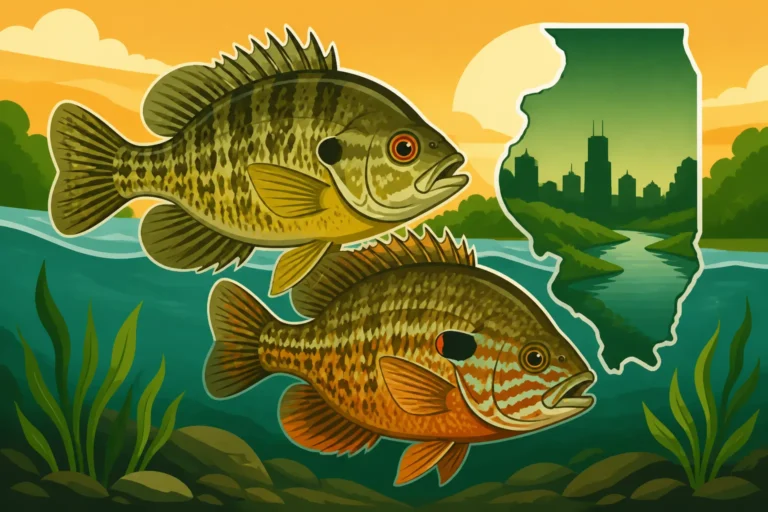
Before we dive into specific baits, it's really helpful to understand why certain things work for Redear Sunfish. Unlike their Bluegill cousins who are often happy to snatch anything that looks remotely edible, Redear have earned their "shellcracker" nickname for a reason: they love to eat snails, mussels, and other small invertebrates with hard shells. They have specialized bony plates in their throat that help them crush these shelled snacks. This unique dietary preference dictates much of what makes an effective bait.
Where Redear Sunfish Hide and Feed
Redear typically prefer clearer, warmer water than many other panfish. You'll often find them lurking in submerged vegetation, around brush piles, stumps, or along the edges of drop-offs, especially areas with a hard bottom where snails and other invertebrates thrive. They're not usually open-water cruisers. Instead, they're bottom-oriented feeders, patiently searching for their crunchy meals. This means your bait presentation needs to get down to where they are and stay there, mimicking their natural food source. If you're looking for where to find these fish, you might want to check out articles like Illinois Redear Sunfish: Where to Catch Shellcracker for specific locations.
The Shellcracker's Foraging Habits
Think of a Redear as a meticulous diner, not a frantic gobbler. They're less likely to chase a fast-moving lure and more inclined to investigate something still or slowly drifting near the bottom. This means patience is key, and subtle movements are often more effective than aggressive jigging. They'll often suck in a bait rather than strike it hard, which is why a sensitive rod and line can make a huge difference in detecting those light bites. Their diet also influences their seasonal behavior; as water temperatures rise, their metabolism increases, and they become more active in crushing those shells.
Top Natural Baits for Redear Sunfish
When it comes to Redear, nothing quite beats the appeal of natural baits. These offerings closely mimic the food sources they encounter every day, making them almost irresistible.
The Mighty Worm: Red Wigglers and Nightcrawlers
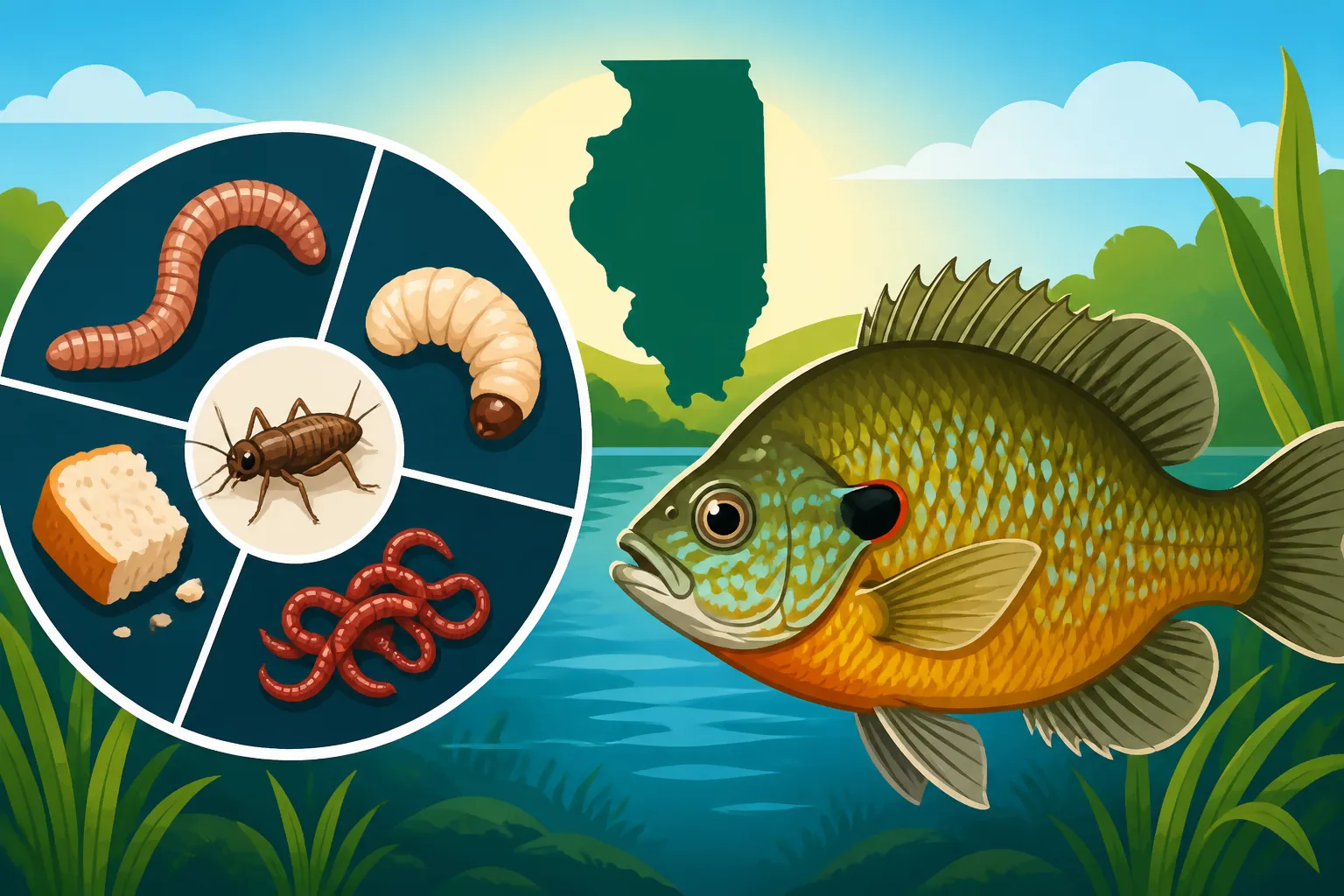
Hands down, worms are probably the most consistent bait for Redear Sunfish. Red wigglers are fantastic because they're small, active, and give off a good scent trail in the water. Thread a single red wiggler onto a small hook, leaving a bit of it wiggling, and present it near submerged cover.
Nightcrawlers, while larger, can also be effective. You'll want to pinch off a small piece, just enough to cover your hook, rather than using a whole one. This small piece still offers that earthy scent and natural movement that Redear love without being too intimidating. When fishing for panfish, it’s all about presentation, so make sure your hook isn't overpowered by too much bait. You can easily find various sizes of hooks and ultralight lines suitable for these baits on Amazon, which can really help fine-tune your setup.
Crickets and Grasshoppers: An Enticing Buzz
Many anglers overlook insects for Redear, but crickets and grasshoppers can be absolute dynamite, especially during warmer months. These terrestrial insects often fall into the water and become easy targets. Crickets are particularly good. Hook them gently through the collar or just under the head to keep them lively. Their struggling on the surface or just below can attract curious Redear.
Grasshoppers, being larger, might be better suited for bigger Redear, or you can use smaller ones. They provide a different profile and a robust struggling action. Present them under a small bobber, allowing them to drift naturally near weed lines or brush. The key is subtlety; you want it to look like an accidental fall, not an obvious angler's trick.
Small Crustaceans and Larvae: Mimicking Their Core Diet
Since Redear are known as "shellcrackers," it makes perfect sense that baits mimicking small crustaceans and larvae would be highly effective. Small freshwater shrimp, or even crayfish tails (from very small crayfish), can be incredibly tempting. These are harder to come by commercially but can sometimes be netted from the same waters you're fishing.
Another excellent option, though sometimes harder to find, is insect larvae like mealworms or wax worms. These juicy morsels are full of protein and mimic many aquatic insects Redear naturally feed on. A small wax worm on a tiny jig head or under a bobber can be deadly. Best Bait for Bluegill Fishing also discusses some of these panfish favorites, many of which cross over for Redear.
Corn and Bread: The Unexpected Treats
While not their natural diet, some anglers swear by corn and small pieces of bread for Redear, especially in heavily pressured waters where fish might be accustomed to these offerings. A few kernels of sweet corn, hooked individually, can be visually appealing and offer a subtle sweetness. Bread, rolled into a small ball and squeezed onto a hook, can also work. The bread slowly dissolves, creating a chum cloud that can attract fish. These are often cheaper alternatives and worth trying if more natural baits aren't yielding results.
Artificial Lures and Techniques for Redear
While natural baits often steal the show, don't completely discount artificial lures for Redear Sunfish. With the right approach, jigs and micro-spoons can be incredibly effective, especially for locating active fish.
Tiny Jigs: Mimicking Bugs and Fry
Small jigs, ranging from 1/32 to 1/64 ounce, are phenomenal for Redear. The key is selecting colors that mimic natural prey – think olive, brown, black, or even chartreuse for visibility in stained water. Tipping these jigs with a wax worm, a piece of a nightcrawler, or even a specialized scent can drastically increase their appeal.
Presentation is paramount with jigs. A slow, subtle retrieve, often involving short hops along the bottom or a slow drift under a float, is usually best. Imagine a small insect or minnow slowly moving through the water column. The lighter the jig, the slower it falls, giving the Redear more time to intercept it. Look for tiny soft plastic bodies like grubs or tube jigs to pair with your jig heads.
Micro-Spoons and Spinners: Flash and Vibration
Sometimes, Redear need a little extra encouragement. This is where micro-spoons and tiny inline spinners come into play. Spoons, especially those in gold or silver finishes, offer a flash that can pique their curiosity, especially on brighter days or in clearer water. Spinners, with their rotating blades, create vibration and flash, mimicking a fleeing baitfish or insect.
Again, retrieve these slowly. A steady, barely perceptible retrieve that just keeps the blade turning on a spinner, or allows a spoon to flutter on the drop, is often more effective than a fast, erratic retrieve. These can be great for covering water and locating schools of active Redear when you're exploring new spots.
| Bait Type | Best Presentation | When to Use It | Pros | Cons |
|---|---|---|---|---|
| Red Wigglers | Small hook, under bobber or tightlined | Year-round, especially in cooler water | Highly natural scent, irresistible wiggling | Can be messy, smaller fish might steal it |
| Nightcrawler Piece | Small hook, on bottom rig or under bobber | Year-round, for slightly larger Redear | Good scent, readily available | Larger pieces can deter smaller Redear |
| Crickets/Grasshoppers | Gentry hooked, under small bobber | Warmer months, near grassy banks | Natural struggle, visually appealing | Harder to keep alive, can fall off hook easily |
| Wax Worms/Mealworms | Tiny jig head, small hook under bobber | Year-round, especially in clear water | Mimics larvae, clean, good scent | Can be expensive, smaller profile for bigger fish |
| Sweet Corn | Single kernel on small hook, bottom rig | Pressured lakes, as an alternative | Clean, easy to use, visually bright | Less natural scent, might attract non-target species |
| Small Jigs (1/32 – 1/64 oz) | Slow hop along bottom, slow retrieve under float | When fish are active, for covering water | Can tip with bait, good for aggressive Redear | Requires more skill to present subtly |
| Micro-Spoons/Spinners | Very slow, steady retrieve | When fish need a trigger, brighter conditions | Flash and vibration, attracts attention | Less natural, may not work on finicky fish |
Rigging and Presentation Tips for Success
Even the best bait won't work if it's not presented properly. Redear Sunfish are often discerning, so paying attention to your rigging and technique is crucial for consistent success.
Light Line and Small Hooks: The Stealth Advantage
Redear Sunfish often inhabit clear water, and they can be notoriously wary of heavy lines and large hooks. This is why using ultralight tackle is almost a necessity. Opt for fishing line in the 2-4 pound test range. Anything heavier can be easily seen by the fish and may reduce your bites significantly.
For hooks, think small – really small. Size 8, 10, or even 12 hooks are perfect. These tiny hooks allow your natural bait to present more naturally and are less likely to spook a cautious Redear. A small Aberdeen hook is a great choice because its thin wire can be easily straightened if it gets snagged, saving your line and tackle. You can find a good selection of these ultralight fishing components and small hooks on Amazon, which can be delivered right to your door.
Bobber Fishing for Redear: Classic and Effective
The classic bobber rig is incredibly effective for Redear. A small, sensitive slip bobber is ideal because it allows you to adjust your depth easily. You want your bait to be just above the bottom, or right in the middle of a submerged weed bed. The goal is to present the bait in their feeding zone without it getting lost in the muck.
When rigging, use a small split shot or two just above your hook to help your bait sink slowly and naturally. The bobber will signal the lightest bites, which is crucial for Redear who often just "mouth" the bait before committing. For more on getting your bait set up under a float, consider reading How to Rig a Wax Worm Under a Bobber for Bluegill, which applies well to Redear too.
Bottom Rigs: Getting Down to Business
Sometimes, Redear are glued to the bottom, especially when they're actively shellcracking. In these situations, a simple bottom rig can be deadly. A basic setup involves a small weight (like a split shot or a small egg sinker) about 6-12 inches above your hook. This allows your bait to lie directly on the bottom, right where those snails and mussels are.
You can also use a Carolina Rig variant with a tiny bullet weight for a bit more sensitivity and natural movement. Cast this rig out, let it settle, and then retrieve it with very slow, almost imperceptible drags along the bottom. This technique is fantastic for exploring areas with hard bottoms and scattered cover. Just be mindful of snags if the bottom is particularly cluttered.
Finding the Right Depth
Redear depth can vary based on the season, time of day, and water temperature. In spring, during their Illinois Crappie Spawn Season Guide, they might be shallower, but generally, Redear prefer deeper, cooler water in the summer. During the heat of the day, they might retreat to deeper holes or dense submerged cover. In the mornings and evenings, they might move shallower to feed. Experiment with your depth until you start getting bites. A fish finder can be a huge asset in locating these preferred depths and identifying underwater structure where Redear might be holding.
Advanced Strategies and Seasonal Considerations
Redear fishing isn't just about bait; it's about understanding their habits throughout the year and adjusting your approach accordingly. A little knowledge about their seasonal movements can significantly improve your catch rates.
Spring and Early Summer: The Prime Time
Spring, especially post-spawn, and early summer are often the absolute best times to target Redear Sunfish in Illinois. As the water warms, their metabolism kicks into high gear, and they become very active, feeding aggressively on newly hatched insects and crustaceans. This is when you'll find them somewhat shallower, often around weed edges or gravelly banks.
During this period, focus on natural baits like worms, crickets, and wax worms, presented under a bobber or on a light bottom rig. Look for them in depths of 3-8 feet. The clear water they prefer can also make them more spooky, so stealthy approaches and long casts can be beneficial. Checking water temperatures is key; fish activity generally increases when the water is in the 65-75 degree Fahrenheit range. Water Temperature and Fish Activity Guide can give you more insight into this.
Summer's Heat: Deeper and Denser Cover
As summer progresses and water temperatures soar, Redear will often retreat to deeper, cooler water. They'll seek out the densest submerged cover, brush piles, or the deep edges of weed lines. You'll need to adjust your tactics to get your bait down to them. This might mean heavier (but still small) weights on your bottom rigs or targeting specific deep holes you've located with a fish finder.
Night fishing can also be surprisingly productive for Redear in summer, as they might move shallower under the cover of darkness. In the daytime, focus on precise presentations right into the heart of their cover. This is where a long, sensitive rod can help you feel those light bites in deep water.
Fall and Winter: Slowing Down
Fall can offer some excellent Redear fishing as they feed heavily in preparation for winter, but their activity will gradually slow as temperatures drop. They'll move to deeper water, often suspending over structure or hunkering down near the bottom. Your presentation needs to slow down significantly, mimicking inactive prey. Small jigs tipped with bait, presented with minimal movement, are often the ticket.
During winter, especially under the ice, Redear can still be caught, though it requires even more patience. Tiny ice jigs, sometimes called "tear drops," tipped with a single wax worm or a specialized panfish bait, fished slowly just off the bottom, are your best bet. Remember, for any panfish, the Illinois Panfish Species: Bluegill, Crappie and Sunfish Explained guide offers valuable year-round insights.
Tackle Box Essentials for Redear Anglers
To be truly prepared for Redear, your tackle box should be stocked with a few key items:
- Small Hooks: Assorted sizes from 8-12.
- Small Weights: Various split shots and tiny egg sinkers.
- Bobbers: Sensitive clip-on and slip bobbers.
- Ultralight Line: 2-4 pound test monofilament or fluorocarbon.
- Jig Heads: 1/32 and 1/64 ounce, assorted colors.
- Soft Plastics: Tiny grubs, tubes, and insect imitations.
- Live Bait: Red wigglers, wax worms, crickets.
- Pliers/Forceps: For hook removal.
- Nail Clippers: For clean line cuts.
Having these essentials on hand, many of which are readily available on Amazon or at your local bait shop, will ensure you're ready to adapt to whatever the Redear are biting on that day.
Disclaimer
This article is for general informational purposes only and does not constitute professional advice. Laws, prices and regulations vary by location and change over time. Consult a qualified professional for guidance on your specific situation.