Illinois Lake Michigan Trout and Salmon Fishery Explained
The allure of Lake Michigan for anglers in Illinois is undeniable, but the sheer vastness and unique ecosystem can feel incredibly daunting if you're used to smaller inland lakes. Many new to the big lake feel overwhelmed by the specialized gear, the different species, and the constantly changing conditions, wondering where to even begin. This comprehensive guide will demystify the incredible trout and salmon fishery right here in Illinois waters, explaining the main species, where to find them, and how to chase these magnificent game fish.
Understanding the Lake Michigan Fishery in Illinois
Lake Michigan isn't just a big lake; it's an inland sea, offering a fishing experience unlike anything else you'll find in Illinois. For those of us accustomed to chasing bass in a local pond or pulling crappie from a river backwater, the sheer scale and the types of fish here can be a real eye-opener. The fishery is primarily cold-water species, dominated by various trout and salmon that thrive in its deep, cool waters. It's a truly special place, demanding respect and a different approach than typical freshwater fishing.
Inland vs. Lake Michigan Fishing
When you think about fishing in Illinois, your mind probably goes to places like Rend Lake, Lake Shelbyville, or maybe even the Illinois River for catfish. These are fantastic fisheries, rich with largemouth bass, crappie, bluegill, and various catfish species. The tactics often involve casting to visible structure, working shallow weeds, or anchoring in a channel. You're usually dealing with relatively consistent water temperatures, and the fish behave in ways familiar to most Midwest anglers.
Lake Michigan, however, throws a curveball. The primary target species here are not native to the lake, but were introduced and now thrive, creating a world-class sport fishery. You're fishing vast open water, often miles from shore, with depths that can plunge hundreds of feet. The environmental factors – wind, waves, currents, thermoclines – dictate fish movement far more dramatically than on smaller lakes. It's a completely different ballgame, one that often requires specialized boats, electronics, and a deep understanding of migratory patterns. It’s also a challenging fishery to master, but the rewards of battling a strong king salmon or a leaping steelhead are unparalleled.
Why Lake Michigan is Special
What makes the Illinois portion of Lake Michigan so special is its accessibility and the consistent stocking efforts by the Illinois Department of Natural Resources (IDNR) and neighboring states. While Illinois only has a relatively small portion of Lake Michigan's shoreline, from the Indiana border north past Chicago and up to Wisconsin, it provides incredible opportunities for anglers. The cold, clear waters are ideal for supporting a diverse population of trout and salmon, many of which grow to impressive sizes.
The lake also offers diverse fishing opportunities, from trolling miles offshore in a big water boat to casting spoons from one of Chicago's many piers or harbors. Whether you're a seasoned veteran with all the latest gear or a weekend warrior looking for a unique experience, there's a place for you on Lake Michigan. The sheer excitement of a salmon or trout strike, often signaled by a screaming reel and a bent rod, is something every angler should experience. It’s a dynamic and ever-evolving fishery, making every trip a new adventure. Lake Michigan Salmon and Trout Fishing in Illinois provides more insights into this incredible resource.
The Star Anglers: Salmon Species of Lake Michigan
When people talk about Lake Michigan fishing, salmon are often the first fish that come to mind. These powerful, acrobatic fighters are the undisputed stars for many big-water anglers. Illinois waters host several species of salmon, each with its own quirks, preferred habitats, and peak seasons. Understanding these differences is key to planning a successful trip and knowing what to expect when you're out on the water.
Coho Salmon: The Spring Delight
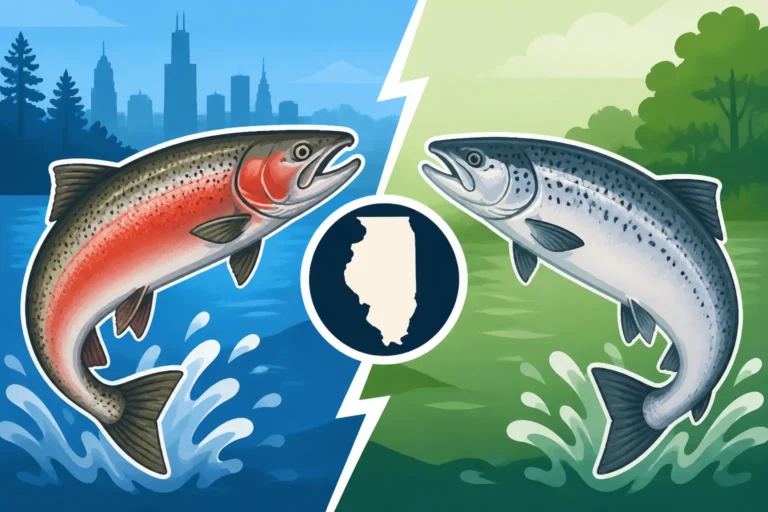
Coho salmon, often called "silver salmon," are perhaps the most sought-after species in Lake Michigan, especially in the spring. These aggressive feeders provide exhilarating action, frequently leaping clear of the water during a fight. Early in the season, from late March through May, Cohos congregate in the shallower, warmer nearshore waters, particularly in the southern basin of Lake Michigan, making them accessible to a wider range of anglers, including those fishing from piers and smaller boats.
They typically run anywhere from 2 to 10 pounds, though bigger ones are certainly caught. Anglers target them by trolling spoons, dodgers and flies, or even casting crankbaits and stickbaits from shore. The vibrant orange flesh of a fresh Coho also makes them a favorite for the dinner table. If you're looking to kick off your fishing season with some fast-paced action and a full cooler, chasing Coho salmon in the spring is an absolute must. Coho Salmon Fishing in Illinois: What to Expect delves deeper into these exciting fish.
Chinook Salmon: The Big Battle
Chinook salmon, affectionately known as "kings," are the true heavyweights of Lake Michigan. These are the fish that can peel line off your reel with terrifying speed and test the limits of your tackle and your strength. While they are present throughout the year, their peak season usually runs from late summer into early fall, when they gather near river mouths and harbors in preparation for their spawning run.
Kings can easily top 20 pounds, and specimens over 30 pounds are not uncommon, making them a true trophy fish. They prefer deeper, colder water for much of the year, so successful Chinook fishing often involves offshore trolling with downriggers, large spoons, and flasher/fly combinations. Battling a mature Chinook is a truly memorable experience, often described as a pure tug-of-war that requires patience, skill, and sometimes, a little luck. For those who dream of a truly monumental catch, the Chinook salmon is the ultimate prize in Lake Michigan.
Rare Atlantic Salmon Sightings
While not a primary target species, Atlantic salmon are occasionally caught in Lake Michigan. These beautiful fish are stocked in some of the Great Lakes by other states, and a few individuals migrate into Illinois waters. They are more streamlined than their Pacific salmon cousins (Chinook and Coho) and are known for their spectacular aerial displays when hooked. Catching an Atlantic salmon in Lake Michigan is a rare and special event, a true bonus for any angler.
They generally prefer cold, clear water, similar to other salmonids, and might be encountered by anglers targeting Cohos or Chinooks. Because they are not widely stocked in Illinois, there isn't a specific fishery for them here, but their presence adds another layer of excitement to the lake's diverse offerings. If you're lucky enough to hook one, appreciate the moment – it's a testament to the incredible biodiversity of this vast freshwater system.
Trout Tales: The Other Great Game Fish
Beyond the salmon, Lake Michigan is also home to several species of trout that provide equally thrilling angling opportunities. These magnificent fish are well-adapted to the lake's cold waters and offer diverse challenges and rewards. From deep-water behemoths to aggressive shoreline feeders, the trout fishery adds incredible depth to the Lake Michigan experience for Illinois anglers.
Lake Trout: Native Giants
Lake trout are the largest and the only truly native salmonid in Lake Michigan, though their populations have required significant restoration efforts over the years. These deep-water residents are known for their incredible strength and endurance, often making powerful, deep runs rather than flashy jumps. They prefer the coldest waters available, typically found in deeper offshore areas, especially during the warmer months.
Anglers primarily target lake trout by deep-water trolling with heavy spoons, flashers, and dodgers, or by jigging near the bottom. While they might not be as acrobatic as salmon, their sheer power and stamina on the line are unmatched, making for a truly memorable fight. Typical sizes range from 5 to 20 pounds, with much larger "trophy" fish occasionally landed. If you want to connect with a piece of Lake Michigan's natural heritage and test your heavy tackle, targeting lake trout is a rewarding pursuit.
Brown Trout: Shoreline Favorites
Brown trout are a popular species for both boat and shore anglers in Lake Michigan. Unlike many of the other cold-water species, brown trout have a remarkable tolerance for warmer water temperatures and often cruise the nearshore areas, especially around harbor mouths, breakwalls, and river outflows. This makes them highly accessible to anglers who don't have access to a large offshore boat. Illinois Lake Michigan Brown Trout Fishing Tips are essential reading for those targeting these fish.
These cunning fish can be challenging to catch, known for their wary nature, but they put up a spirited fight when hooked. Browns can grow quite large, with many fish in the 5 to 15-pound range, and some pushing over 20 pounds. They are often caught by casting spoons, stickbaits, or even live bait like minnows from shore, particularly during the cooler months of spring and fall. Trolling similar baits from a boat in shallower waters can also be highly effective. The distinct golden-brown color with dark spots makes them easily identifiable and a beautiful fish to behold.
Rainbow Trout (Steelhead): River Runners
Rainbow trout, particularly the migratory strain known as "steelhead," are revered for their incredible fighting ability and acrobatic displays. While they spend most of their lives growing large in Lake Michigan, these fish are anadromous, meaning they run up tributary rivers to spawn. In Illinois, our rivers aren't typically long enough or cold enough to sustain natural spawning, so the IDNR actively stocks them.
Anglers targeting steelhead in Lake Michigan usually do so by trolling spoons, crankbaits, or various bait presentations, especially when the fish are cruising near river mouths or along the shoreline. They are also a favorite target for fly anglers and spin fishermen in the few Illinois tributaries that receive stockings when the fish make their spawning runs, often in spring. Steelhead are famous for their explosive jumps and strong runs, making every catch an adrenaline-fueled experience. These silver bullets can range from 3 to over 15 pounds, offering fantastic sport. For identification, you might want to check out Rainbow Trout vs Brown Trout vs Brook Trout: Identification Guide.
Navigating Regulations and Seasons
Fishing in Lake Michigan, especially for trout and salmon, comes with its own set of rules and seasons that are crucial to understand. These regulations are designed to protect the fishery, ensure sustainable populations, and provide fair opportunities for all anglers. Ignoring them can lead to significant penalties, so it's always best to be informed before you cast a line.
The Importance of Stamps
Beyond your standard Illinois fishing license, you'll need additional stamps to legally fish for trout and salmon in Lake Michigan. For those specifically targeting salmon and trout, the Lake Michigan Salmon Stamp Requirements for Anglers is non-negotiable. This stamp is an additional purchase that funds the ongoing stocking and management programs that sustain this incredible fishery. Without it, you're not legally permitted to keep these species.
It's similar to needing an Illinois Inland Trout Stamp Requirements if you plan to fish for trout in specially stocked inland lakes. These stamps are not just an extra fee; they are a direct contribution to the health and future of the very fish you're hoping to catch. Always ensure your license and all necessary stamps are current and on your person (or digitally accessible) whenever you are fishing. You can purchase these through the IDNR website or authorized vendors.
General Catch and Size Limits
Lake Michigan trout and salmon species are subject to specific daily catch limits and sometimes minimum size requirements. These rules can vary by species and even by season. For instance, you might have a combined daily limit for certain salmon or trout species, or individual limits per species. Size limits are in place to allow fish to reach maturity and spawn at least once, contributing to the population before being harvested.
It’s paramount to consult the most current Illinois fishing regulations guide provided by the IDNR, as these rules can change. This guide covers everything from statewide rules to specific exceptions for certain bodies of water. Always measure your fish carefully and release any that don't meet the minimum size. Penalties for exceeding limits or keeping undersized fish can be steep, so when in doubt, release the fish unharmed. Illinois Fishing Season and Catch Limit Rules is a great resource to stay updated.
How Seasons Vary
While Lake Michigan generally offers year-round fishing opportunities, the "best" season to target specific trout and salmon species can vary dramatically. For example, Coho salmon fishing really heats up in the spring, while Chinook salmon tend to peak in late summer and early fall as they prepare for their spawning runs. Brown trout are often more accessible in the cooler months nearshore, and lake trout are typically a deep-water, summer fishery.
Weather also plays a huge role. Early spring and late fall can be phenomenal but also bring unpredictable and sometimes dangerous weather conditions on the big lake. Summer offers more stable weather but can push certain fish species deeper. Understanding these seasonal patterns is key to maximizing your success. Best Months for Lake Michigan Salmon Fishing in Illinois and Lake Michigan Salmon Season Timing in Illinois provide excellent calendars for planning your trips. Similarly, Lake Michigan Trout Season Timing in Illinois will guide you on when to expect the best trout action.
| Species | Peak Season (Illinois) | Typical Location | Common Tackle | Notes |
|---|---|---|---|---|
| Coho Salmon | Spring (March-May) | Nearshore, upper water column | Spoons, dodgers & flies | Aggressive, good fighters, great table fare |
| Chinook Salmon | Late Summer-Early Fall (Aug-Sept) | Deep offshore, near structure | Large spoons, flasher & flies | Powerful, trophy fish, deep divers |
| Lake Trout | Summer (June-August) | Deep offshore, bottom | Heavy spoons, jigs | Native, strong, deep-water fighters |
| Brown Trout | Spring/Fall (Cooler Months) | Nearshore, harbors, breakwalls | Spoons, stickbaits, minnows | Wary, excellent fight, shore accessible |
| Rainbow Trout (Steelhead) | Spring/Fall (Migratory Runs) | Nearshore, river mouths, open water | Spoons, crankbaits, flies | Acrobatic, powerful, river and lake fish |
Essential Gear for Lake Michigan Trout and Salmon
Fishing Lake Michigan for trout and salmon isn't like casting a worm for bluegill in a farm pond. It requires specialized gear designed to handle the big water, the powerful fish, and the unique techniques involved. Investing in the right equipment isn't just about catching more fish; it's about safety, efficiency, and making your time on the water more enjoyable.
Big Water Boats and Electronics
For serious offshore trout and salmon fishing, a stable, seaworthy boat is practically a necessity. Large sportfishing boats, cuddy cabins, or even larger multi-species boats with high sides are common. These boats need to be capable of handling Lake Michigan's sometimes unpredictable waves and strong winds. Equipping your vessel with reliable marine electronics is equally critical. A good GPS unit is essential for navigation and marking productive fishing spots, while a high-quality fish finder with down-imaging and side-imaging capabilities can literally show you where the fish are hiding, as well as bait schools and thermoclines.
Many anglers also invest in advanced autopilots and chartplotters to help maintain trolling paths and easily return to hot spots. These technological aids, while an investment, dramatically increase your success rate and safety on the vast expanse of the lake. For those starting out, a good quality sonar unit that shows depth and fish arches is a solid first step. You can often find a wide range of dependable marine electronics, from basic models to advanced units, on retailers like Amazon.
Specialized Trolling Gear
Trolling is the most prevalent method for catching trout and salmon on Lake Michigan, and it demands specialized gear. This typically includes sturdy trolling rods, often with a softer tip to absorb strikes but plenty of backbone to fight big fish. Paired with these are line-counter reels, which are indispensable for knowing exactly how much line is out, allowing you to replicate successful depths and lure presentations.
Furthermore, a variety of depth control devices are used, such as downriggers, planer boards, and lead core line. Downriggers allow you to present lures at very precise depths, even hundreds of feet down, keeping them away from the boat's prop wash. Planer boards spread your lines out to the sides of the boat, covering a wider swath of water and keeping lures in clear water away from the boat. Downriggers and Planer Boards for Lake Michigan explains these systems in detail. You'll also need a robust selection of lures, including spoons, stickbaits, and dodger/fly combinations, in various colors and sizes, as fish preferences can change daily. Many anglers stock up on their favorite lure brands on Amazon for convenience.
Pier and Shore Angling Essentials
Not everyone has a big boat, and that's perfectly fine! Lake Michigan offers excellent opportunities for pier and shore anglers, especially for species like brown trout and coho salmon, particularly in the spring and fall. For this type of fishing, a medium-heavy spinning rod (7-9 feet long) paired with a reliable spinning reel spooled with strong braided line and a fluorocarbon leader is a great all-around setup. Longer rods help with casting distance and managing fish around structure.
Your tackle box should include a variety of casting spoons (like Dardevles, Little Cleos, or Krocodiles), stickbaits (like Rapalas or Bombers), and some crankbaits. Flashy colors often work well, especially in stained water. Don't forget a long-handled net, as landing a big salmon or trout from a high pier can be tricky. A good pair of polarized sunglasses will help you spot fish cruising in the shallows. You can easily find quality casting spoons, fishing line, and other essentials for pier fishing on Amazon at competitive prices.
Top Techniques for Success
Mastering the Lake Michigan trout and salmon fishery involves understanding the various techniques that work best for different species and conditions. It's not just about getting a line in the water; it's about presenting your bait effectively, knowing where the fish are likely to be, and adapting to the ever-changing environment of the big lake.
Offshore Trolling Strategies
For many boat anglers, offshore trolling is the bread and butter of Lake Michigan trout and salmon fishing. This involves dragging multiple lines behind a slow-moving boat, each rigged with different lures and at different depths to cover as much of the water column as possible. The goal is to imitate baitfish and entice a strike. Successful trolling often hinges on finding the thermocline – the layer in the water column where temperature changes rapidly – as many trout and salmon prefer to hold just above or within this zone.
Using a combination of downriggers, planer boards, lead core, and copper lines allows you to deploy lures at various depths and distances from the boat. Pay close attention to your fish finder to locate baitfish schools, as salmon and trout are almost always found nearby. Speed, lure color, and lure action are critical variables, and experienced anglers constantly experiment and adjust until they find what the fish want. It's a methodical approach that, when done right, can lead to incredible catches.
Pier and Harbor Tactics
For those without a boat, piers and harbors offer fantastic access to Lake Michigan's bounty, especially during the spring and fall migrations. The key here is often patience and being observant. Look for signs of baitfish, diving birds, or even jumping fish. Casting spoons and stickbaits are highly effective, especially in the early morning and late evening hours. Vary your retrieve speed and depth until you find the fish. During colder months, jigging with blade baits or vertical jigs near the bottom of harbor channels can also be productive for lake trout or brown trout.
Harbor walls and breakwaters provide structure that attracts baitfish and, consequently, game fish. Focus your efforts around these areas, especially where there might be current or deeper water. Live bait, such as minnows or spawn sacks, fished under a bobber or on the bottom, can also be very effective for various trout species. Always be aware of your surroundings, especially on busy piers, and be courteous to other anglers. For a truly unique experience, consider Night Fishing Techniques on the piers, as many large fish move into shallow waters under the cover of darkness.
Understanding Fish Behavior
One of the biggest keys to consistent success on Lake Michigan is developing an understanding of how trout and salmon behave. Factors like water temperature, current, bait availability, and even barometric pressure can influence where fish are located and how aggressively they feed. For instance, fish tend to be more active and shallower on overcast days or during low light conditions. After a cold front, they might move deeper or become more lethargic.
Paying attention to how the lake changes day by day, and even hour by hour, will make you a better angler. Look for areas where warm water meets cold, where currents create eddies, or where baitfish are concentrated. Learning to "read the water" and interpret your electronics will help you anticipate where the fish will be. For example, Best Time of Year to Fish Lake Michigan in Illinois often correlates with specific fish migrations and feeding frenzies. The more you observe, experiment, and learn from each trip, the more successful you'll become in this incredible fishery.
Disclaimer
This article is for general informational purposes only and does not constitute professional advice. Laws, prices and regulations vary by location and change over time. Consult a qualified professional for guidance on your specific situation.