Illinois Redear Sunfish: Where to Catch Shellcracker
It can be incredibly frustrating when you're geared up for a specific fishing trip, dreaming of pulling in those hard-fighting panfish, only to find yourself wondering where on earth the "shellcrackers" are hiding in Illinois. Many anglers overlook these fantastic fish, often mistaking them for other sunfish, but the redear sunfish offers a unique challenge and a delicious reward. This comprehensive guide is here to help you pinpoint exactly where these elusive yet abundant fish thrive across our great state, and how to successfully bring them to the net.
Understanding the Redear Sunfish (Shellcracker) in Illinois
The redear sunfish, often affectionately called "shellcracker," is a true gem among Illinois panfish. They might not get the same press as crappie or bluegill, but once you learn their habits and habitats, you'll discover a rewarding fishery. They are a fantastic addition to any angler's target list, offering strong fights and a tasty meal.
What Makes a Redear Special?
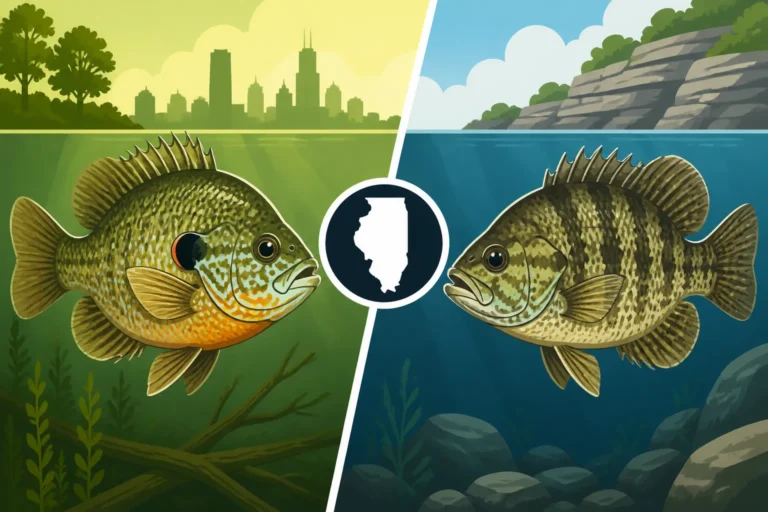
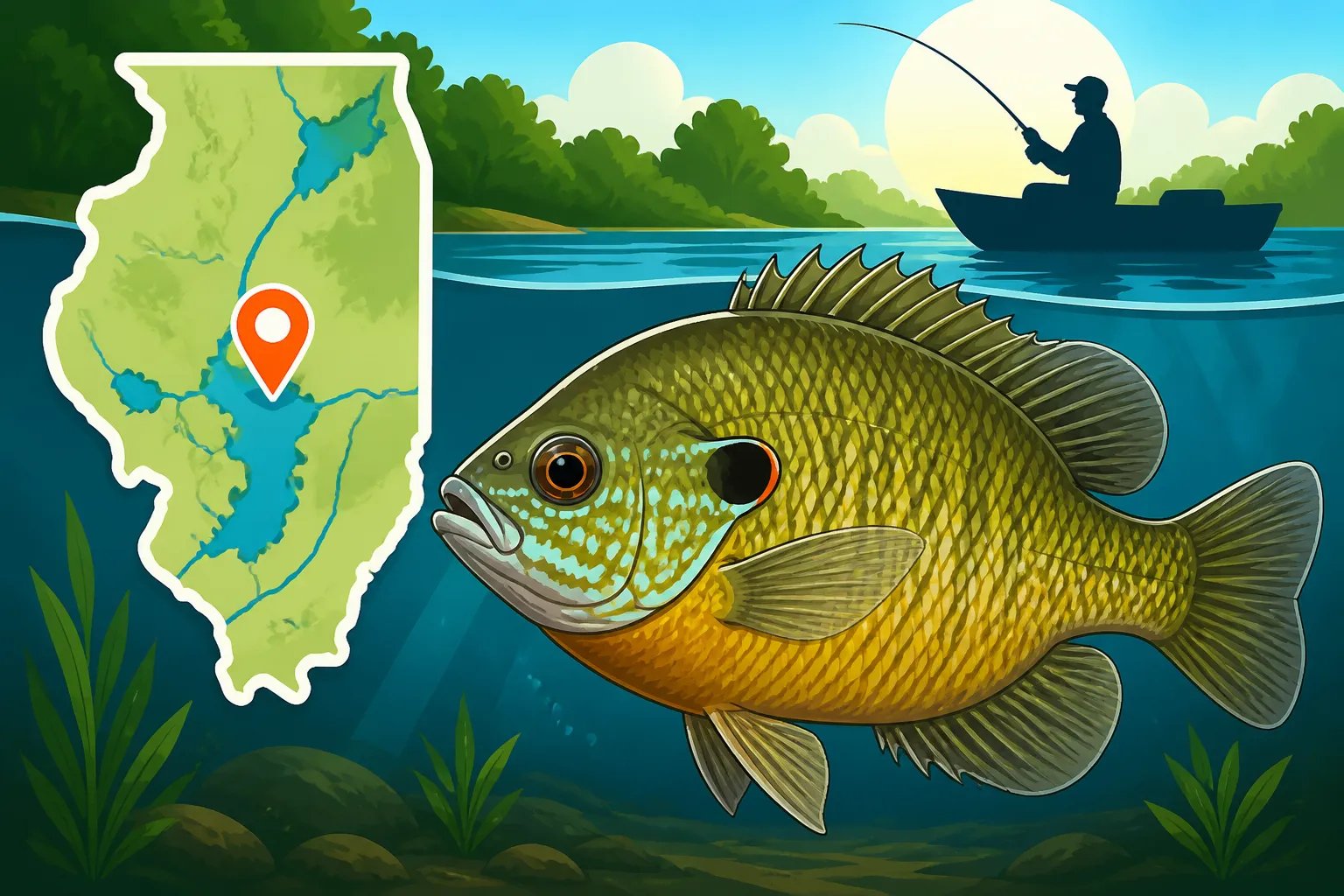
Identifying a redear sunfish is pretty straightforward once you know what to look for. They typically have a deep, compressed body, similar to a bluegill, but with a more pointed snout. The most distinctive feature, and where they get their name, is the prominent red or orange margin on the opercular (gill) flap, which is much more vibrant in males. Their body color can vary, usually a greenish-gold on the back fading to a silvery-yellow on the belly, often with faint vertical bars along their sides. They also have noticeably longer, more pointed pectoral fins compared to some other sunfish species.
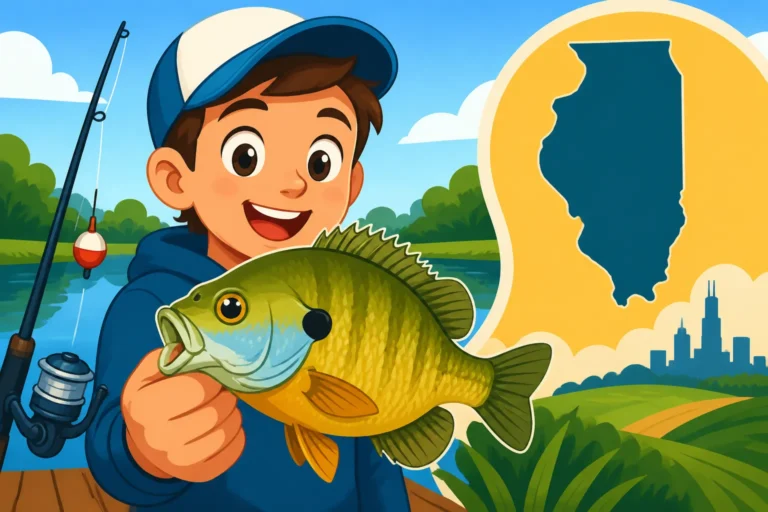
Beyond their looks, redear sunfish are known for their feisty nature when hooked. They don't give up easily, providing an exciting fight even on light tackle, making them incredibly popular with anglers who appreciate a good struggle. And let's be honest, that’s a big part of the fun, isn't it? If you're looking for an engaging catch that isn't just a simple tug, the redear delivers. They’re also a fantastic target for teaching kids to fish, as they are often eager biters once found, offering a positive fishing experience. For more on getting kids started, check out our guide on Best Panfish Setup for Kids or Easiest Fish to Catch for Beginners.
Why Are They Called "Shellcrackers"?
The nickname "shellcracker" isn't just for show – it tells you a lot about their diet! Redear sunfish have specialized pharyngeal teeth, which are bony plates in their throat, designed perfectly for crushing the shells of snails, mussels, and other small invertebrates. This unique feeding habit sets them apart from bluegill, which primarily eat insects. Because they're focusing on shelled organisms, you'll often find redear in areas with firm bottoms, such as gravel, sand, or clay, where these small mollusks thrive.
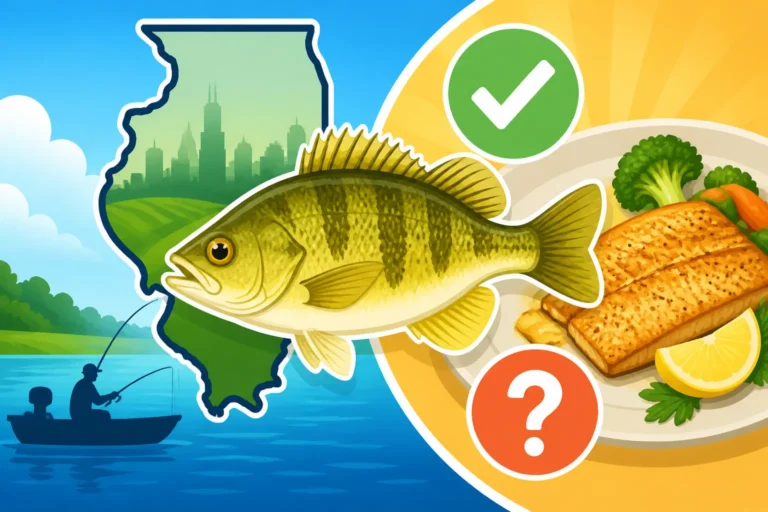
Their diet of crustaceans and snails makes their flesh particularly firm and delicious, often considered superior to some other panfish. When you're fishing for redear, understanding this dietary preference is key to choosing the right bait and locating them in their natural feeding grounds. You might not see them rising to gulp insects off the surface like a bluegill; instead, they're often grubbing around the bottom, sifting through debris to find their crunchy meals. This difference in feeding behavior is crucial for successful redear fishing.
Where Do Redear Sunfish Thrive in Illinois?
Redear sunfish prefer clear, calm water with abundant aquatic vegetation and a clean bottom. You won't typically find them in murky, fast-flowing rivers. Instead, think about the quiet backwaters, healthy lakes, and slow-moving ponds that offer a rich invertebrate population. They love areas with submerged weeds, lily pads, and brush piles, which not only provide cover but also a thriving ecosystem for their preferred food sources. These environments also offer protection from predators, allowing them to grow to respectable sizes.
Illinois's diverse waterways provide numerous such habitats. While they might be more concentrated in certain regions, particularly in the southern and central parts of the state where the climate is slightly warmer and lakes are more prevalent, they can be found throughout. It’s all about identifying those specific characteristics that scream "redear habitat." A healthy lake with good water clarity and diverse aquatic life is usually a good bet. Often, state park lakes and managed community ponds are excellent places to start your search, as these waters are frequently monitored and have stable ecosystems.
Top Illinois Lakes and Ponds for Redear Sunfish
Finding a good redear sunfish spot can feel like discovering a hidden treasure. While they might not be as ubiquitous as bluegill, many Illinois lakes and ponds offer fantastic opportunities to catch these shell-crunching panfish. Knowing which waters consistently produce can save you a lot of time and effort.
Southern Illinois Hotspots
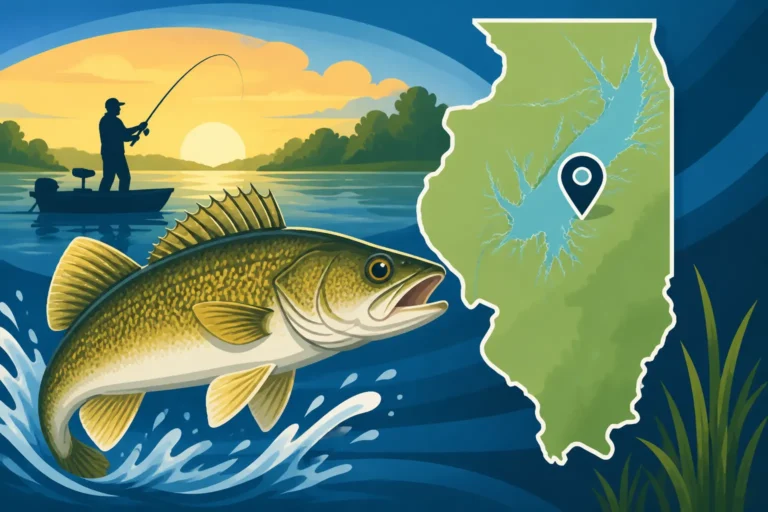
Southern Illinois, with its warmer climate and abundance of larger reservoirs, tends to be a prime region for redear sunfish. Lakes like Rend Lake and Carlyle Lake are often cited as excellent choices. These large, shallow lakes have expansive areas of submerged vegetation and relatively stable water levels, creating ideal habitats for the snails and other invertebrates that redear love to munch on. Anglers frequently report catching quality redear, often mixed in with impressive bluegill. For example, Rend Lake's Best Spots for Trophy Bluegill Over a Pound often overlaps with redear territory, as these species often share similar habitat preferences.
Another fantastic option in Southern Illinois is Lake of Egypt. Known for its clear water and diverse structure, it consistently produces big redear. The lake's abundant submerged timber and weed lines provide perfect cover and feeding grounds. Smaller, but equally productive, lakes such as Lake Kinkaid, Little Grassy Lake, and Crab Orchard Lake also hold robust populations. These lakes often feature diverse bottom structures and extensive shallow flats perfect for redear. Don't be afraid to explore smaller state park lakes in this region too; many of them are managed for panfish and can yield some impressive catches.
Central and Northern Illinois Opportunities
While Southern Illinois might boast some of the largest redear, Central and even parts of Northern Illinois still offer excellent opportunities. Lakes like Lake Shelbyville, while famous for bass and crappie, also have healthy redear populations, particularly in its shallower, weedy coves. Look for areas with slower currents and extensive vegetation. Clinton Lake, known for its warm water discharge which can extend the fishing season, also offers some good redear action, especially in its quieter backwaters. You might need to work a bit harder to locate them here, as they often concentrate in specific, preferred spots.
Further north, some smaller lakes and managed ponds near urban centers can surprise you. While the larger, deeper natural lakes might be less productive for redear due to cooler temperatures and different bottom compositions, many smaller impoundments are regularly stocked or naturally support healthy populations. The key is to seek out waters with good clarity and plenty of aquatic plant growth. For a general overview of great fishing locations across the state, you can refer to Best Fishing Spots in Illinois to help identify other promising panfish waters.
Private Ponds and Community Lakes
Often, the best redear fishing isn't in the massive reservoirs but in smaller, less-pressured waters like private farm ponds or community-managed lakes. These waters frequently have ideal conditions: clear water, rich vegetation, and stable populations of aquatic invertebrates. Many of these ponds are specifically managed by their owners for panfish, making them exceptional places to target quality redear. It's always crucial to obtain permission before fishing on private property, but the rewards can be truly outstanding.
Community lakes, park district ponds, and other publicly accessible smaller impoundments are also worth exploring. These often receive less attention from bass and crappie anglers, leaving the redear populations relatively untouched. Look for ponds designated as "panfish management" areas or those known for healthy bluegill populations, as redear often thrive in similar environments. Even a quick search on a mapping app, looking for clear, shallow ponds with plenty of green edges, can point you to a potential hotspot. Sometimes, the best fishing is just a short drive away in an unassuming little pond.
Best Times and Techniques to Catch Illinois Redear Sunfish
Redear sunfish are eager biters once you find them and understand their habits. Much like other panfish, timing and presentation are everything. Knowing when they're most active and what they prefer to eat will significantly increase your success rate.
When to Target Shellcrackers
The absolute best time to target redear sunfish in Illinois is during their spawning season, which typically occurs from late April through June, depending on water temperatures. They generally spawn when water temperatures reach the upper 60s Fahrenheit, usually a bit later than bluegill. During this period, redear congregate in shallow, protected areas, often creating large beds, making them easier to locate. Look for dish-shaped depressions on sandy or gravel bottoms, often near weed lines or submerged brush. This is when they are most aggressive and easiest to catch, eager to protect their nests.
Outside of the spawn, redear can still be caught consistently during spring and fall. In early spring, as water temperatures begin to rise, they'll move into shallower areas to feed actively before spawning. In the fall, as waters cool, they’ll have another burst of feeding activity to bulk up for winter, often moving slightly deeper but still accessible. Summer can be tougher, as they tend to move to deeper, cooler water, though they can still be found around submerged cover or deep weed lines. For more on seasonal patterns, our Illinois Fishing Seasons Guide and Spring Fishing Patterns for Multiple Species can provide a broader context for what to expect throughout the year.
| Season | Typical Water Temperature | Location Preference | Activity Level | Key Behavior |
|---|---|---|---|---|
| Spring | 50-65°F | Shallow flats, protected coves, pre-spawn | High | Moving shallow, feeding actively for spawn |
| Spawn | 68-75°F | Sandy/gravel beds, near cover, 1-5 ft deep | Very High | Nesting, aggressive, territorial |
| Summer | 75-85°F | Deeper water, submerged cover, thermocline | Moderate | Seeking cooler water, less active mid-day |
| Fall | 60-70°F | Mid-depths, around structure, feeding | High | Bulking up for winter, active feeding |
| Winter | Below 50°F | Deep holes, lethargic | Low | Slow metabolism, minimal feeding (ice fishing) |
Effective Baits and Lures
Given their "shellcracker" diet, live bait is often the most effective for redear sunfish. Worms, especially red wigglers and pieces of nightcrawlers, are consistently excellent choices. They mimic many of the invertebrates redear naturally feed on and are irresistible. Crickets and small grasshoppers can also be very effective, especially during warmer months. Remember, presentation is key – a small piece of bait on a tiny hook is far more appealing than a big glob. You can often find a good selection of live bait at your local tackle shop, or even order some fishing supplies from Amazon for convenience.
When it comes to artificial lures, think small. Tiny jigs, especially those tipped with a wax worm, a piece of gulp, or a small plastic grub, can be deadly. Colors like chartreuse, white, and black often work well. Fly fishing with small nymphs or wet flies can also be incredibly productive. The key is to present the bait or lure slowly and near the bottom, where redear are accustomed to feeding. If you're struggling to find the right artificial bait, a quick search on Amazon will show you countless options, often with reviews from other panfish anglers. For more general panfish bait ideas, consider our guides on Best Bait for Crappie Fishing and Best Bait for Bluegill Fishing.
Fishing Strategies for Success
Redear sunfish often hug the bottom, so your presentation needs to reflect that. A simple slip bobber rig, with the bait suspended just off the bottom, is highly effective. Adjust the bobber stop to ensure your bait is at the correct depth – usually within a few feet of the bottom, or even directly on it. This allows the bait to drift naturally and present itself directly in their feeding zone. When fishing a bed during the spawn, you might even see them take the bait as it hits the water.
From the bank, focus on areas where deeper water transitions to shallower flats, especially if there's vegetation or submerged structure nearby. A small weight will help get your bait down. If you're fishing from a boat or kayak, this opens up more options. Drifting slowly over likely bottom structures or slowly trolling a small jig can be very productive. Kayak fishing is particularly effective for reaching those quiet, shallow coves that larger boats can’t access. If you're considering this, our Kayak Fishing Gear Checklist for Illinois Anglers has some great advice. Remember to be patient and observant; redear often school together, so where you catch one, there are likely more.
Essential Gear for Redear Sunfish Anglers
Having the right gear makes all the difference when targeting redear sunfish. You don't need heavy, expensive equipment; in fact, ultralight tackle is often preferred. It allows for a more sporting fight and helps detect those subtle bites.
Rod and Reel Setup
For redear sunfish, an ultralight or light action spinning rod is ideal. A rod in the 5 to 6.5-foot range with a fast or moderate-fast action will give you the sensitivity to feel delicate bites and enough backbone to handle a feisty panfish. Couple this with a small spinning reel (500 to 1000 size) spooled with 4 to 6-pound test monofilament or fluorocarbon line. The lighter line is less visible in clear water and allows for better bait presentation. Some anglers even go down to 2-pound test for the ultimate challenge, but 4-pound is a great all-around choice.
The sensitivity of an ultralight setup not only makes the fight more enjoyable but is crucial for detecting the sometimes very subtle bite of a redear. They don't always hit a bait hard; sometimes it's just a slight twitch or a slow pull. With a responsive rod, you'll feel everything, increasing your hook-up ratio. If you're looking for recommendations, many excellent ultralight combos are available, and a quick browse on Amazon will show you options for every budget. Check out our guide on Ultralight Tackle for Panfish Fishing for more in-depth advice on selecting the perfect setup.
Terminal Tackle Essentials
Your terminal tackle for redear should be small and simple. Start with a selection of small, sharp hooks, typically size 6 to 10 Aberdeen or similar fine-wire hooks. These are perfect for presenting small baits like worms or crickets without overwhelming them. A few small split-shot weights, varying in size, will help get your bait down to the desired depth. You’ll also want a handful of slip bobbers – these are fantastic because they allow you to fish at any depth, from shallow to deep, by simply adjusting the bobber stop.
Don't forget some swivels and small jig heads. Jig heads in the 1/32 to 1/16 ounce range are perfect for tipping with soft plastics or live bait. Keeping a well-organized tackle box specifically for panfish will make your time on the water much more efficient. There's nothing worse than fumbling for the right size hook when the fish are biting! For ideas on keeping your gear tidy, our Tackle Box Organization for Panfish Trips article can be very helpful.
Kayak Fishing for Shellcrackers
Kayak fishing has become incredibly popular for a reason, and it's particularly effective for targeting redear sunfish. The quiet, stealthy approach of a kayak allows you to access shallow, weedy areas that larger boats can't reach without spooking the fish. This means you can get right into those prime redear spawning beds or feeding zones. A good, stable fishing kayak with some storage for your gear and a comfortable seat will make a world of difference.
When kayak fishing for redear, consider adding a small anchor or a stake-out pole to hold your position, especially if you find a productive area. A simple fish finder, even a portable one, can help locate submerged structure and identify depth changes where redear might be holding. And of course, always wear your life jacket – safety first! Kayaks are also fantastic for exploring those small, unpressured ponds where redear often thrive. For a full rundown on essential equipment for this method, be sure to read our Kayak Fishing Gear Checklist for Illinois Anglers.
Disclaimer
This article is for general informational purposes only and does not constitute professional advice. Laws, prices and regulations vary by location and change over time. Consult a qualified professional for guidance on your specific situation.