Best Time to Catch Black Crappie
Have you ever felt like you're just guessing when it comes to catching black crappie? One day you're pulling them in left and right, the next, it's crickets. It's incredibly frustrating when you know these tasty panfish are out there but just can't seem to figure out their schedule. This guide is here to unravel the mystery of when black crappie are most active in Illinois waters, helping you time your trips for consistent success.
Understanding the Black Crappie's Seasonal Behavior in Illinois
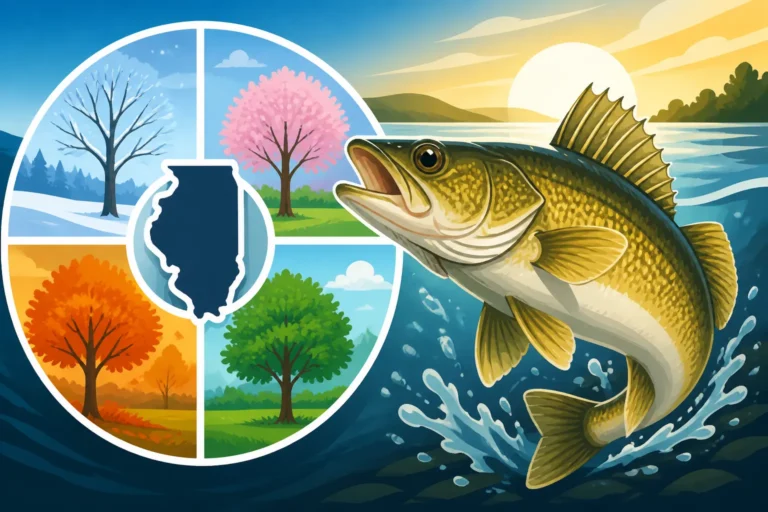
Black crappie are creatures of habit, largely dictated by the changing seasons and, most importantly, water temperature. Understanding their seasonal movements is the single biggest factor in becoming a more successful crappie angler here in Illinois. It's not just about showing up; it's about showing up when they're ready to bite.
Spring: The Spawn and Pre-Spawn Frenzy
Ah, spring! This is arguably the most anticipated time for many crappie anglers, and for good reason. As the ice melts and water temperatures begin their slow ascent, black crappie start to shake off their winter lethargy and move into a pre-spawn phase, staging in deeper water adjacent to their eventual spawning grounds. This can start when water temperatures hit the low 40s Fahrenheit. They're still a bit sluggish but starting to feel the urge to feed before the big event. Look for them on creek channel edges, main lake points, or near submerged timber in 10-20 feet of water. This is when they start to really stack up, and if you find a school, you can have an incredible day.
As the water continues to warm, typically into the mid-50s to low 60s Fahrenheit, the real magic happens: the spawn. This is when crappie move into the shallowest water they'll occupy all year, usually around 2-8 feet deep, depending on water clarity and cover. They seek out areas with brush, submerged vegetation, fallen trees, or even riprap to build their nests. Female crappie are full of eggs, and both males and females are fiercely protective, making them aggressive and relatively easy to catch. This is the prime time for many anglers, but remember, they won't stay shallow forever. You can dive deeper into this period with our Illinois Crappie Spawn Season Guide.
Summer: Adapting to Warmer Waters
Once the spawn is over and water temperatures consistently climb into the upper 70s and 80s, black crappie generally retreat from the shallow banks. The bright sun and warm surface water push them to seek cooler, deeper, and often shadier refuges. This can be a challenging time for anglers who don't adjust their tactics. They'll often suspend in the water column, especially over deeper structure like submerged humps, old creek beds, or around deep-water brush piles that offer both cover and cooler temperatures. Think vertical fishing or trolling rather than casting to the banks.
During the peak of summer, particularly on large Illinois reservoirs like Rend Lake or Lake Shelbyville, crappie will often relate to the thermocline – the layer of water where the temperature changes rapidly. Finding this layer with your fish finder can be key to locating schools of crappie. They'll also use dense shade from overhanging trees or boat docks as a daytime hideout. Night fishing, often using submersible lights to attract baitfish, becomes incredibly effective in summer as crappie move up from the depths to feed under the cover of darkness. Don't let the heat deter you; just change your approach.
Fall: The Feeding Binge Before Winter
Just like spring, fall brings another fantastic window of opportunity for black crappie anglers in Illinois. As air temperatures cool and water temperatures start to drop into the 60s and 50s, crappie sense the approaching winter. This triggers a frantic feeding binge as they try to pack on as much weight as possible. They become incredibly active and often less finicky than in summer. You'll find them actively chasing baitfish in areas where baitfish congregate.
During the fall, crappie will often move back to the edges of deeper channels, main lake points, and larger brush piles. They might be a bit deeper than their spring spawn locations, but they're still often catchable in 8-15 feet of water. Trolling small jigs or minnow-tipped jigs through these areas can be incredibly productive as you cover a lot of water to find those hungry schools. The changing leaves and crisp air make for a beautiful day on the water, and the crappie fishing can be just as colorful.
Winter: Ice Fishing and Deep-Water Strategies
When winter truly sets in and Illinois lakes freeze over, many anglers pack away their gear, but savvy crappie fanatics know this can be one of the most rewarding times to fish. Under the ice, black crappie school up tightly in predictable deep-water locations. They're conserving energy, so presentations need to be subtle, but if you find a school, you can catch fish after fish. Look for them in deep basins, along old creek channels, or near dense submerged timber in 15-30 feet of water.
For those on larger, unfrozen rivers or lakes that don't completely freeze, winter crappie still seek the deepest, most stable water available. Think about areas with a consistent current break or deep holes adjacent to main channels. Vertical jigging small spoons or tiny jigs tipped with a grub or a minnow is the most effective approach. Patience is key, as bites can be light, but the rewards are often chunky, healthy crappie. Just remember to bundle up!
Daily Rhythms: Best Times of Day to Target Black Crappie
Beyond the changing seasons, the time of day can significantly impact your black crappie success. Crappie, like many fish, have daily feeding patterns that are influenced by light levels, water temperature, and baitfish activity.
Dawn and Dusk: The Golden Hours
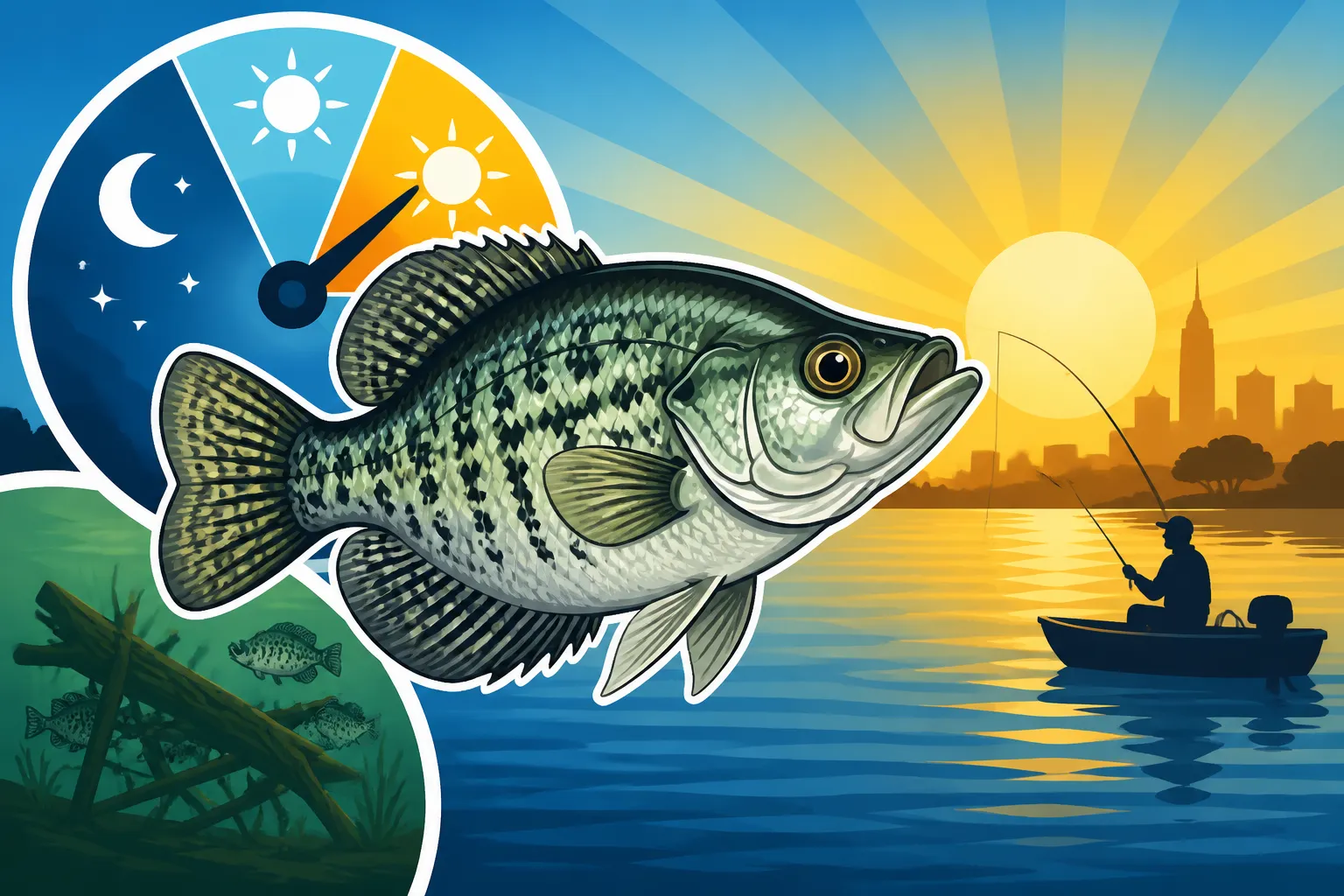
If there's one piece of advice seasoned crappie anglers will give you, it's to fish at dawn and dusk. These "golden hours" offer lower light conditions that black crappie absolutely love. Crappie have large eyes that are well-suited for low-light feeding, giving them an advantage over many baitfish during these periods. As the sun rises or sets, they'll often move from deeper holding areas to shallower feeding grounds, or at least become much more active in their current location.
During dawn and dusk, crappie are less wary and more willing to chase down bait. This is a fantastic time to present small jigs, minnows under a bobber, or even slow-troll tiny crankbaits. The surface may be calm, but underneath, the crappie bite can be furious. On warm summer evenings, the bite can extend well past sunset, especially if you're targeting areas with streetlights or docks that attract insects and small baitfish. For more on this, check out Best Time of Day to Catch Crappie.
Midday: When the Bite Slows (But Doesn't Stop)
Don't despair if you can't make it out at sunrise or stick around until sunset; you can still catch black crappie midday, though it might require a different approach. As the sun climbs high and brightens the water, crappie often retreat to deeper, shadier, or more heavily covered areas. They become more cautious, and their feeding activity tends to slow down.
To catch crappie midday, you need to find where they're hiding. This means targeting dense brush piles, deep submerged timber, the shadowy side of boat docks, or suspended fish over deep water. Your presentation should be slower and more precise. Vertical jigging directly into cover or slowly drifting a minnow at the exact depth where fish are holding can turn a slow midday into a productive one. Sometimes, a subtle tap is all you'll feel, so pay close attention to your line.
Night Fishing for Black Crappie
Night fishing for black crappie is a surprisingly effective and often overlooked strategy, especially during the warmer months in Illinois. As mentioned, crappie's large eyes give them excellent vision in low light, and the darkness offers them a distinct advantage over their prey. Many lakes experience a surge in crappie activity after dark, particularly in areas where artificial lights are present.
Anglers often use submersible fishing lights, which draw in plankton, then baitfish, and finally, the crappie. These lights create a concentrated feeding zone, and once the crappie show up, the action can be non-stop. Fishing under bridge lights, dock lights, or even just using a lantern on your boat can create a similar effect. Focus on vertical presentations with small jigs or live minnows directly under the light. The quiet solitude of night fishing adds another layer of enjoyment to the experience. We've got more tips in our Night Fishing Techniques article.
Factors Influencing Crappie Activity Beyond the Calendar
While seasons and daily light cycles are huge, a few other environmental factors play a critical role in whether black crappie are biting. Paying attention to these subtle cues can make all the difference on your next Illinois fishing trip.
Water Temperature: The Ultimate Crappie Trigger
Water temperature is, without a doubt, the single most important factor influencing black crappie behavior. It dictates everything from their metabolism and feeding drive to their spawning urges and where they choose to live. Understanding the ideal temperature ranges for different crappie activities is like having a secret weapon.
For instance, crappie generally become active and start feeding more aggressively when water temperatures are in the mid-40s to low 50s Fahrenheit, signaling the pre-spawn movement. The magic window for the crappie spawn typically falls between 55-65 degrees Fahrenheit, where they move into the shallows. In summer, they'll seek cooler water, often suspending in depths where temperatures are in the upper 60s to low 70s. As fall approaches and temperatures drop back into the 50s and 60s, they re-enter their aggressive feeding phase. Always bring a thermometer to check the water temp; it will tell you more than the air temperature ever could. Our guide on How Water Temperature Affects Fish Activity has even more detail.
Weather Patterns: Cold Fronts, Rain, and Barometric Pressure
Just like us, crappie react to changes in the weather, sometimes dramatically. A sudden cold front can shut down a hot bite faster than anything. When a cold front passes, barometric pressure rises, and crappie often become lethargic and move deeper or bury themselves in heavy cover. The key here is to slow down your presentation, downsize your baits, and target areas where fish can find refuge from the sudden change.
Conversely, a warm front or stable, cloudy weather often signals increased crappie activity. Overcast days, in particular, can be excellent because the diffused light allows crappie to stay shallower and feed longer during the day. Rain can also stir things up; a gentle, steady rain can sometimes improve fishing by washing terrestrial insects and nutrients into the water, and obscuring angler presence. However, heavy, muddying rains can temporarily shut down a bite by reducing visibility and displacing baitfish. Knowing Do Fish Bite Better Before a Storm? can definitely help your planning.
Forage and Habitat: Where the Food Is
It's a simple truth in fishing: fish follow the food. Black crappie are no exception. Their primary diet consists of small baitfish like shad, minnows, and small sunfish, as well as various invertebrates. If you can locate the baitfish, you're usually not far from the crappie. This means looking for schools of baitfish on your fish finder, or observing surface activity like dimpling water.
Crappie also rely heavily on habitat for both ambush points and protection. Brush piles, submerged timber, weed lines, rock piles, old bridge pilings, and boat docks are all prime crappie real estate. These structures provide cover from predators and current, as well as places to hide while waiting for an unsuspecting minnow to swim by. Learning to identify these structures, either visually or with electronics, is fundamental to consistent crappie fishing. Remember, a good crappie spot isn't just about depth or temperature, it's about the presence of suitable cover and a healthy food supply.
Essential Gear and Tactics for Year-Round Black Crappie Success
Having the right gear and employing smart tactics can dramatically improve your crappie catch rates, no matter the season. It’s all about matching your setup to the subtle ways crappie feed.
Rods, Reels, and Line: Matching Your Setup
When it comes to black crappie, finesse is key. You'll want to opt for lighter tackle that allows you to feel those subtle bites. A 6 to 7-foot light or ultralight action spinning rod is ideal. These rods have a sensitive tip that can detect the lightest tap, but enough backbone to handle a good-sized crappie. Pair this with a small, lightweight spinning reel, typically in a 1000 or 2000 series, spooled with 4-6 pound test monofilament or fluorocarbon line. Monofilament offers a bit of stretch, which can be forgiving for crappie's soft mouths, while fluorocarbon offers less stretch and better sensitivity. Some anglers prefer a very thin braided line with a fluorocarbon leader for maximum sensitivity, especially when fishing deeper. You can find a fantastic selection of these sensitive rods and reels on Amazon, making it easy to put together the perfect crappie setup.
Baits and Lures: What Black Crappie Can't Resist
Black crappie are opportunistic feeders, and they have a few favorites they just can't resist. Live bait, especially small minnows, are a classic and highly effective choice. Hooked through the lips or dorsal fin and fished under a bobber or on a tight line, minnows are hard to beat. Small jigs are another crappie staple. Think 1/32 to 1/16 ounce jigs tipped with tiny plastic grubs, tubes, or curly-tail baits. Jig colors can matter, so carry a variety – chartreuse, white, black, and pink are common go-tos. Experiment with retrieve speeds; sometimes a slow, steady retrieve is best, other times a subtle twitch-and-pause works wonders.
Small spinnerbaits, tiny crankbaits, and even micro spoons can also be effective, especially when crappie are more aggressive. The key is to match the size of your bait to the size of the baitfish crappie are feeding on. Don't be afraid to experiment! You can find an incredible array of crappie jigs, soft plastics, and live bait containers on Amazon to stock your tackle box for any situation. If you're looking for specifics, our Best Bait for Crappie Fishing article is a great resource.
Finding the Fish: Electronics and Observation
Gone are the days of aimlessly casting. Modern fish finders are invaluable tools for locating black crappie, especially when they're schooled up or suspended in deeper water. Features like down imaging and side imaging can help you pinpoint brush piles, submerged timber, and even individual fish or schools of baitfish beneath your boat. Learning to read your fish finder is a skill that will pay dividends. Many anglers use affordable, portable fish finders, readily available on Amazon, even for bank fishing or kayak trips. This can be critical for locating structure and knowing the exact depth where fish are holding.
Beyond electronics, simple observation is still powerful. Look for surface disturbances that might indicate feeding crappie or schooling baitfish. Pay attention to changes in water color, current breaks, or areas where birds are diving for baitfish. When fishing from a boat, systematically work different types of structure and depths until you find where the crappie are holding. If you catch one crappie, chances are there are more nearby, so work that area thoroughly before moving on. For more details on this, explore Fish Finders for Illinois Lake Fishing.
| Season | Typical Water Temperature Range | Crappie Location | Recommended Tactics | Key Considerations |
|---|---|---|---|---|
| Spring | 45-65°F (7-18°C) | Pre-spawn: Deep channels, points. Spawn: Shallows (2-8 ft) with cover. | Jigging, minnows under bobber, slow trolling small jigs. | Water warming up, spawning activity peaks. Fish aggressively, protect nests. |
| Summer | 70-85°F (21-29°C) | Deeper water (10-30 ft), thermocline, shade, submerged brush piles. | Vertical jigging, deep trolling, night fishing with lights. | Crappie seek cool water. Fish early/late, or at night. Slow down presentations. |
| Fall | 50-70°F (10-21°C) | Channel edges, main lake points, large brush piles, following baitfish. | Slow trolling, casting jigs, minnows, covering water. | Feeding frenzy before winter. Crappie are active and often less finicky. |
| Winter | 32-45°F (0-7°C) | Deep basins, creek channels, dense submerged timber (15-40 ft). | Ice fishing (small jigs), vertical jigging in open water. | Crappie are schooled up, conserve energy. Subtle presentations, good electronics essential. |
No matter when you decide to hit the water, remember that crappie fishing is a journey of learning and adapting. By understanding their seasonal and daily patterns, combined with smart gear choices and tactics, you'll dramatically increase your chances of bringing home a mess of delicious black crappie from Illinois's abundant waters. Get out there, experiment, and enjoy the experience!
Disclaimer
This article is for general informational purposes only and does not constitute professional advice. Laws, prices and regulations vary by location and change over time. Consult a qualified professional for guidance on your specific situation.