Where Can You Catch the Biggest Bluegill in Illinois?
There’s nothing quite like the thrill of a big bluegill on the line, but let's be honest, often when you're casting for panfish, you're greeted with a flurry of smaller, bait-stealing nibblers. It can be a real test of patience, especially when you're dreaming of those palm-sized, dinner-plate bluegill that put a real bend in your ultra-light rod. This comprehensive guide is here to cut through the noise, revealing exactly where in Illinois you can realistically find and land those coveted, larger bluegill that make all the effort worthwhile.
The Secret Behind Illinois's Giant Bluegill: What Makes Them Thrive?
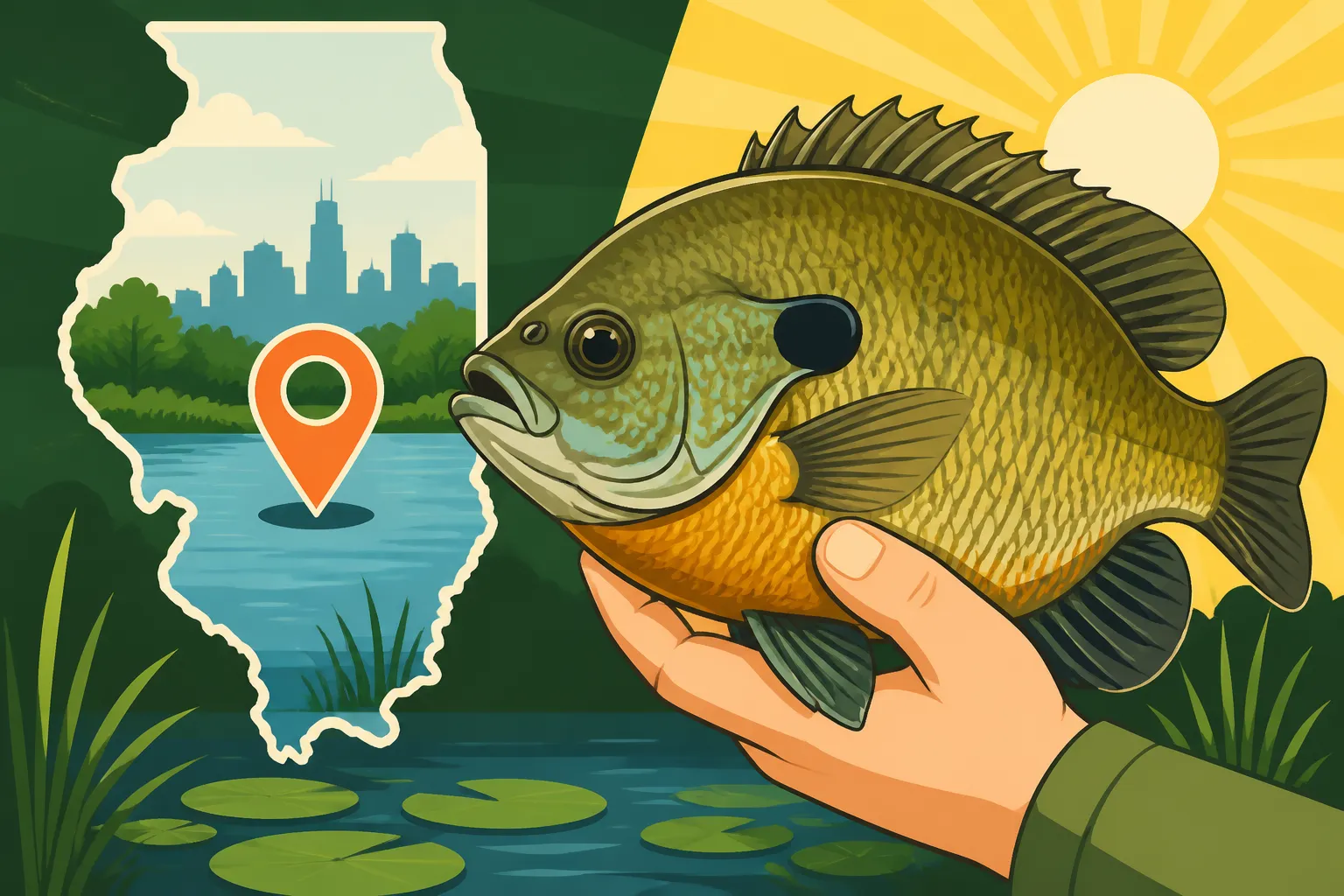
Illinois might not be the first state that comes to mind when you think of trophy bluegill, but we've got some real gems where these panfish grow to impressive sizes. It’s not just luck; there’s a science to it, and understanding these factors can seriously up your game. We're talking about bluegill that regularly push the pound mark, sometimes even exceeding it.
Environmental Factors for Monster Bluegill Growth
For a bluegill to truly pack on the pounds and stretch beyond the typical 6-8 inch range, several environmental factors need to align perfectly. It’s a delicate balance of habitat, food, and pressure.
- Abundant Forage Base: Just like any creature, bluegill need a consistent and rich food source to grow large. In Illinois, this often means lakes with thriving populations of invertebrates like aquatic insects, snails, and crayfish. But it's also about the type of forage. Lakes with a good balance of smaller baitfish, like shad, can provide an additional protein boost for bluegill, allowing them to grow faster and larger. Healthy weed beds are crucial, as they host a plethora of insect larvae and small organisms that bluegill constantly graze on. Without this buffet, bluegill often become stunted, resulting in large numbers of small fish rather than fewer, larger specimens.
- Complex Habitat: Bluegill love structure. They need places to hide from predators, ambush prey, and spawn. This means lakes with diverse submerged vegetation, fallen timber, rock piles, and even man-made structures like brush piles or old roadbeds. The more complex the habitat, the more protected bluegill feel, which allows them to live longer and, consequently, grow bigger. These intricate environments also tend to hold a higher density of their food sources. Think of it as a bluegill’s perfect neighborhood – plenty of food, plenty of shelter, and safe places to raise a family.
- Water Quality and Temperature: Clean, well-oxygenated water is fundamental for all fish, including bluegill. Lakes with stable water temperatures and good oxygen levels throughout the water column tend to support healthier fish populations that are less stressed and grow more efficiently. While bluegill are fairly tolerant, sustained poor water quality can significantly impact their growth rates and overall health, leading to smaller average sizes. The right water chemistry also impacts the productivity of the aquatic food web, directly affecting how much food is available for bluegill.
Low Fishing Pressure and Management Strategies
Even with perfect environmental conditions, if a lake is overfished or poorly managed, the bluegill population can quickly become stunted or suffer from reduced average size.
- Selective Harvest Regulations: Some Illinois lakes implement specific length and creel limits on panfish, including bluegill, to promote the growth of larger fish. For instance, a lake might have a reduced daily limit or a "slot limit" where only fish within a certain size range can be kept. These regulations are designed to protect the breeding stock and allow smaller fish to grow into larger, more desirable sizes. Savvy anglers pay close attention to these rules, knowing that where they exist, the potential for bigger bluegill dramatically increases. It’s a collective effort to ensure healthy fisheries for everyone.
- Habitat Enhancement Projects: The Illinois Department of Natural Resources (IDNR) and local conservation groups often undertake projects to enhance bluegill habitat. This includes sinking brush piles, creating artificial reefs, and managing aquatic vegetation. These efforts directly contribute to providing the necessary cover and feeding grounds that enable bluegill to thrive and reach trophy sizes. Such projects are often focused on improving fishing for species like crappie and bass, but bluegill benefit immensely as well. You can often find information on these projects through local park districts or the IDNR’s official guides.
- Balanced Predator-Prey Dynamics: Interestingly, a healthy population of predators like largemouth bass is often beneficial for growing large bluegill. Bass help thin out the excessive numbers of smaller bluegill, reducing competition for food and allowing the remaining bluegill to grow larger more quickly. Without sufficient predation, bluegill populations can explode, leading to an overabundance of small, stunted fish. This natural thinning process is crucial for maintaining a healthy and trophy-producing bluegill fishery. It’s all part of the intricate web of aquatic life.
Top Illinois Lakes for Trophy Bluegill
Alright, now for the exciting part! While many Illinois lakes hold bluegill, only a select few consistently produce those impressive, hand-sized specimens we all dream about. These lakes often combine the ideal environmental factors with careful management.
Rend Lake: A Southern Illinois Bluegill Powerhouse
Ask any seasoned panfish angler in Illinois where to find giant bluegill, and Rend Lake will almost certainly be at the top of their list. Located in southern Illinois near Benton, this massive reservoir is renowned for its incredible panfish fishery, especially for bluegill and crappie. If you’re serious about catching a trophy, you need to check out the detailed Rend Lake Fishing Guide for Illinois Anglers.
- Why Rend Lake Stands Out: Rend Lake boasts an incredibly fertile environment, characterized by vast expanses of submerged timber, brush piles, and healthy weed beds. This complex habitat provides both abundant forage and excellent protection for bluegill, allowing them to grow large. The lake is managed to maintain a healthy predator-prey balance, with a strong population of largemouth bass keeping smaller bluegill in check, ensuring the remaining fish have ample resources to bulk up. It's not uncommon to pull bluegill here that are 9-10 inches long and weigh over a pound. The sheer size of the lake, at over 18,900 acres, also means there are always new spots to explore and less concentrated fishing pressure in certain areas.
- Key Spots and Seasons: During the spring spawn, bluegill will move into shallower areas, typically around weed lines, submerged brush, and stump fields in bays and protected coves. Look for areas with hard bottoms near cover. The north end of the lake, particularly around the Casey Fork and Big Muddy arms, often produces excellent results. As summer progresses, bluegill will often move to deeper structures, sometimes congregating around main lake points or submerged humps. Early mornings and late evenings are prime times, especially during warmer months. If you're looking for specifics on where locals fish, a guide booked through a service like FishingBooker might be able to show you the honey holes.
- Tactics for Success: For trophy bluegill at Rend Lake, don't be afraid to size up your bait slightly. While traditional wax worms and red wigglers are effective, larger bluegill are often more opportunistic feeders. Small jigs tipped with a grub or a piece of nightcrawler can be deadly. Ultralight spinning gear with 2-4 pound test line is ideal to feel those subtle bites and enjoy the fight. Focus on probing brush piles, fallen trees, and the edges of weed beds. A sensitive rod will help you detect the often-light bite of a big bluegill. Many anglers swear by a tiny jig under a slip bobber set just above the cover.
Lake Shelbyville: Central Illinois's Big Bluegill Haven
Further north, Lake Shelbyville offers another fantastic opportunity for anglers chasing larger bluegill. This large U.S. Army Corps of Engineers reservoir, located in central Illinois, is well-known for its excellent fisheries, including impressive panfish.
- Why Lake Shelbyville Shines: Lake Shelbyville spans over 11,000 acres and features a diverse landscape of rocky points, submerged timber, standing flooded timber, and significant rip-rap areas. This variety of structure provides ideal habitat for bluegill to grow large. The lake’s fertility supports a strong invertebrate population, and the consistent stocking and management efforts by the IDNR contribute to a healthy, robust bluegill population. While perhaps not as famed for bluegill as Rend Lake, Shelbyville consistently yields good numbers of quality fish, with many exceeding 8 inches.
- Prime Locations and Best Times: Similar to Rend, spring on Lake Shelbyville sees bluegill congregating in shallower spawning beds. Look for them in protected coves, particularly on the upper ends of the arms like the Kaskaskia River arm and the West Okaw River arm, often associated with woody debris or emerging vegetation. As the water warms, bluegill will retreat to deeper brush piles, submerged creek channels, and the edges of drop-offs. The countless brush piles placed by local anglers and the IDNR are prime targets. Early summer and fall can be particularly productive as bluegill feed actively. To find these specific spots, often a local guide found on platforms like FishingBooker can save you a lot of time.
- Effective Strategies: At Lake Shelbyville, presentations that mimic small insects or crustaceans tend to work best. Small tube jigs, tiny spinnerbaits, or even a simple piece of a worm on a small hook under a bobber can be very effective. Try working jigs slowly along the bottom near cover, or suspending them a foot or two off the bottom if fish are suspended. Many anglers use a tactic called "tightlining" for crappie which also works well for bluegill – simply drop a small jig vertically into cover and slowly lift and drop it. Make sure you're using light line; anything heavier than 4lb test can spook these larger, warier bluegill.
Other Notable Bluegill Lakes in Illinois
While Rend Lake and Lake Shelbyville are exceptional, Illinois has other spots where you can find quality bluegill if you know where to look. Many smaller lakes and even some rivers can surprise you.
- Carlyle Lake: As Illinois’s largest man-made lake, Carlyle Lake offers expansive waters and diverse habitat. While often celebrated for its catfish and crappie, the lake also supports a healthy bluegill population. Focus on the extensive rip-rap around the dam and causeways, as well as submerged timber in the main lake body. The abundant shad population provides a rich food source.
- Kinkaid Lake: Known for its clear water and scenic beauty in southern Illinois, Kinkaid Lake can produce some impressive bluegill, particularly in its many coves and around its rocky shorelines and submerged trees. The clearer water here often means a slightly different approach; longer casts and lighter line can be key.
- Private Ponds and Community Lakes: Don't overlook smaller, lesser-known waters. Many well-managed private ponds and smaller community lakes across the state, especially those with good habitat and limited pressure, can harbor surprisingly large bluegill. Always get permission before fishing private property. Many of these ponds are fantastic places for beginners, and are some of the Easiest Fish to Catch for Beginners.
| Lake Name | General Location | Primary Bluegill Habitat | Best Season(s) | Key Forage & Growth Factors |
|---|---|---|---|---|
| Rend Lake | Southern Illinois | Submerged timber, brush piles, weed beds | Spring, Early Summer | Abundant insects, crayfish, some shad; excellent IDNR habitat management, balanced predator population. |
| Lake Shelbyville | Central Illinois | Rocky points, flooded timber, brush piles | Spring, Early Summer, Fall | Diverse invertebrate population, IDNR stocking efforts, varied depths for thermal refuge. |
| Carlyle Lake | Southern Illinois | Rip-rap, submerged timber | Spring, Summer | Large water body provides ample space, abundant shad, good invertebrate base. |
| Kinkaid Lake | Southern Illinois | Coves, rocky shorelines, submerged trees | Spring, Summer | Clear water allows for good sight feeding, diverse prey base, less fishing pressure in certain areas. |
Techniques and Tips for Landing Large Bluegill
Catching giant bluegill isn't just about finding them; it's also about presenting your bait or lure in a way that tempts these often-wary fish. They didn't get big by being reckless!
Choosing the Right Bait and Lures
While bluegill aren't typically picky eaters, the right presentation can make all the difference when targeting larger fish.
- Natural Baits: Live bait is almost always a winner for bluegill. Your go-to options should include:
- Red Wigglers: These small worms are a classic for a reason. They're irresistible to bluegill and readily available at most bait shops. A small piece on a tiny hook is all you need.
- Wax Worms and Mealworms: These grubs are soft-bodied and provide a juicy morsel that big bluegill can't pass up. They're particularly effective in colder water or when fish are less aggressive.
- Crickets and Grasshoppers: During warmer months, especially in lakes with overhanging vegetation, a cricket or small grasshopper can be incredibly effective. The natural presentation is hard to beat.
- Small Minnows: Believe it or not, larger bluegill will sometimes strike small minnows, especially in lakes where they coexist with crappie or bass. This is a tactic more often used for crappie, but don't discount it for a trophy bluegill.
- Artificial Lures: Don't think bluegill only eat live bait! Many artificials can be very productive:
- Tiny Jigs: Micro jigs (1/32 to 1/16 ounce) in colors like chartreuse, white, black, or pink can be deadly. Tip them with a small plastic grub, a piece of a soft plastic worm, or even just a small piece of a wax worm for added scent and appeal.
- Small Spinnerbaits/In-Line Spinners: Brands like a small Rooster Tail or a Mepps Aglia in sizes #0 or #1 can trigger aggressive strikes from bigger bluegill, especially when they're actively feeding. The flash and vibration are often too much to resist.
- Panfish Poppers/Flies: If you're into fly fishing, small poppers, sponge spiders, or wet flies can be incredibly effective, especially during low-wind conditions when bluegill are feeding on the surface or just below. This can be a really fun way to target bigger fish. Many of these techniques can be found under specific guides like Crappie Jigging Techniques or Best Beginner Bluegill Fishing Setup.
Gear and Presentation for Bigger Fish
Your gear choice and how you present your bait are just as important as the bait itself.
- Ultralight Setup: This is non-negotiable for big bluegill. An ultralight spinning rod (4.5-6 feet in length) with a fast action tip paired with a small spinning reel spooled with 2-4 pound monofilament or fluorocarbon line is perfect. This setup allows for long, accurate casts, maximum sensitivity to detect subtle bites, and makes even a 10-inch bluegill feel like a monster.
- Bobber Systems: A small slip bobber is incredibly versatile. It allows you to present your bait at a precise depth, whether it's just above a submerged brush pile or suspended over a weed bed. The key is to use a bobber that is just large enough to stay afloat with your bait, minimizing resistance when a bluegill takes it. You want something that offers almost no resistance to the fish.
- Finesse Tactics: Big bluegill are wary. They've seen it all. Slow, subtle presentations are often best. Cast beyond your target and slowly retrieve, or let your bait drift naturally into the strike zone. Pay close attention to your line; sometimes a big bluegill will just "mush" the bait, and the only indication is a slight twitch or sag in your line. If you're fishing vertical cover, gently drop your bait down the side, pausing at different depths. For more specific guidance, check out articles like How to Rig a Wax Worm Under a Bobber for Bluegill.
Timing Your Bluegill Pursuit
Knowing when to fish can significantly increase your chances of finding those trophy bluegill.
- Spring Spawn: Without a doubt, the bluegill spawn in late spring (typically May to early June in Illinois, depending on water temperatures) is prime time. Bluegill congregate in shallow water to build nests, making them easier to locate and catch. Look for saucer-shaped depressions on the bottom in protected coves. They will aggressively guard their nests and strike at anything that comes too close. This is often described as the Best Time of Year to Catch Crappie in Illinois, and it applies equally to bluegill.
- Early Summer and Fall: After the spawn, bluegill will transition to deeper cover as water temperatures rise. Early morning and late evening bites are often best during summer. As fall approaches and water temperatures cool, bluegill will again become very active, feeding heavily in preparation for winter. They can often be found shallower again during the day, before retreating to deeper haunts.
- Water Temperature and Weather: Bluegill are most active when water temperatures are between 65-75 degrees Fahrenheit. Stable weather patterns are generally better than sudden cold fronts, which can make fish less active. Overcast days can sometimes prolong the shallow-water bite into midday. Understanding the Water Temperature and Fish Activity Guide is crucial for all species.
Responsible Angling for Sustainable Bluegill Fisheries
Catching those big bluegill is incredibly rewarding, but it’s vital that we practice responsible angling to ensure these fisheries remain healthy and productive for future generations.
Understanding and Following Regulations
Every lake and body of water in Illinois might have slightly different rules regarding bluegill. It's not a "one size fits all" situation.
- Statewide vs. Site-Specific Rules: While the state has general fishing regulations, many lakes, especially those managed for quality panfish, will have specific rules regarding daily catch limits and sometimes even size limits for bluegill. Always consult the current Illinois Fishing Information Guide or check signage at the boat ramp or access points before you start fishing. Ignoring these rules can lead to fines and negatively impact the fishery. A good starting point is the Illinois Fishing Regulations Overview.
- Catch and Release for Big Fish: Many dedicated trophy bluegill anglers practice catch and release for the largest specimens, especially those over 9 inches. These big fish are often the prime breeders, and releasing them ensures they can continue to contribute to the lake's genetics for producing more large bluegill. If you do plan to keep some fish for a meal, consider keeping the mid-sized bluegill (6-8 inches), which are still excellent table fare and often more numerous.
- Minimizing Stress: When handling bluegill you intend to release, do so quickly and carefully. Avoid putting your fingers in their gills, and if possible, use a de-hooking tool to remove the hook cleanly. Get them back into the water as soon as possible. Wet your hands before handling fish to avoid removing their protective slime coat.
Protecting Bluegill Habitat
The health of the bluegill population is directly tied to the health of their habitat. We all play a role in protecting it.
- Don't Litter: This seems obvious, but sadly, trash is still a problem at many fishing spots. Keep all your garbage, including old fishing line, bait containers, and food wrappers, out of the water and off the shore. Fishing line, in particular, can be deadly to wildlife.
- Respect Aquatic Vegetation: Healthy weed beds are nurseries and feeding grounds for bluegill. Avoid unnecessarily running your boat through dense vegetation or pulling up large amounts of weeds. If you're fishing from shore, be mindful of your footsteps and avoid trampling fragile shoreline plants.
- Report Violations: If you witness someone violating fishing regulations or harming the environment, report it to the Illinois Department of Natural Resources. Protecting our fisheries is a community effort, and responsible anglers are the first line of defense against those who would damage them. Many of these guidelines apply to all species and are vital for the overall health of Illinois's waters, as discussed in the Illinois Fishing Season and Catch Limit Rules.
Disclaimer
The information provided in this guide is for general informational purposes only and is subject to change. Always consult the most current Illinois Department of Natural Resources (IDNR) fishing regulations before engaging in any fishing activities. Fishing conditions, fish populations, and specific rules can vary by location and season. Adhere to all local, state, and federal laws and regulations.