Mississippi River Fishing in Illinois: Which Species Live Where
The sheer size and incredible diversity of the Mississippi River can be totally intimidating for any angler, whether you're a seasoned veteran or just starting out. Trying to figure out where to even begin on such a massive waterway, let alone what fish you might find biting, can feel like an impossible puzzle. This guide is here to break down the Mississippi River in Illinois, helping you understand its different stretches and precisely which incredible fish species call those waters home.
The Mississippi River's Diverse Landscape in Illinois
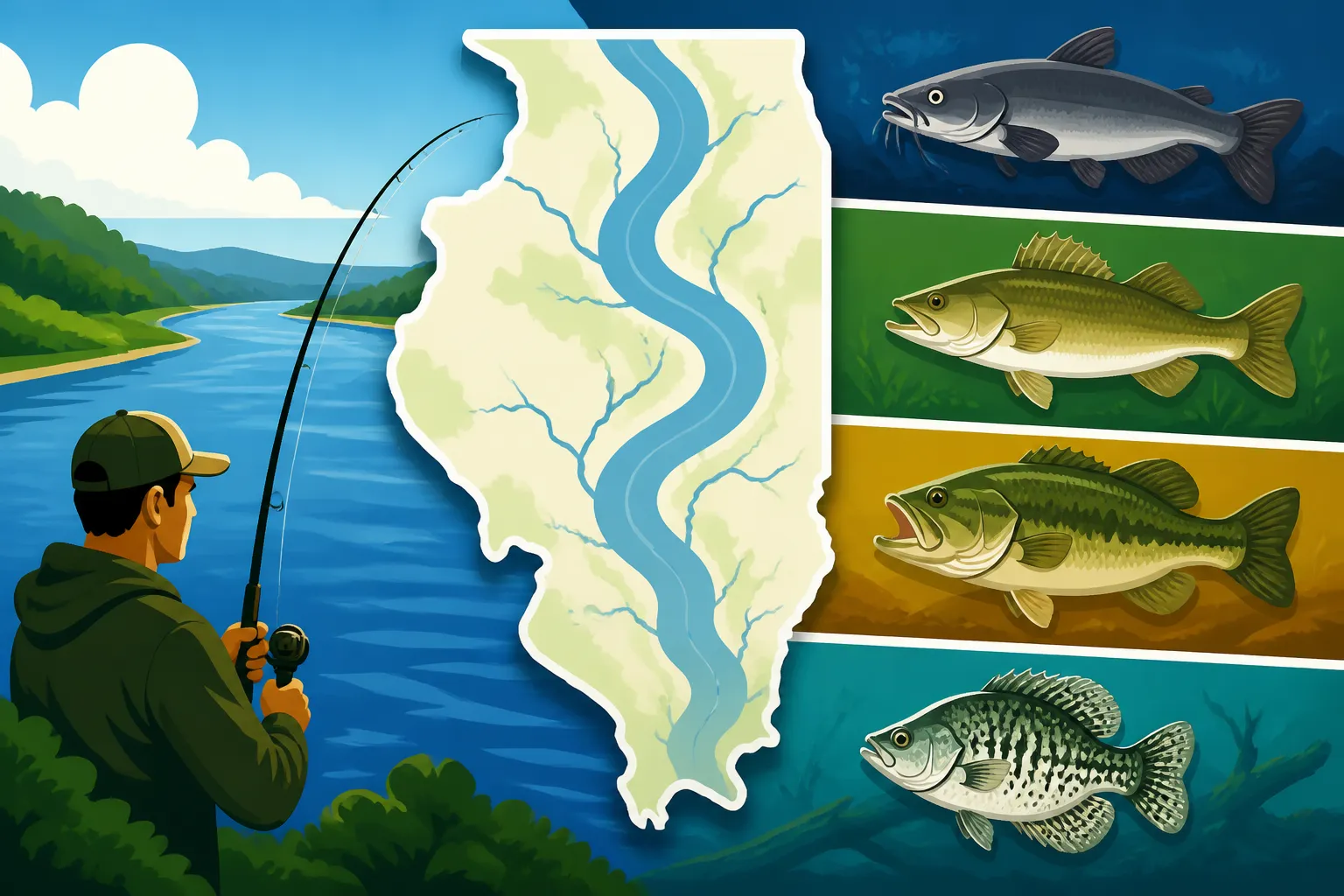
The Mississippi River isn't just one big, uniform body of water as it flows along Illinois's western border. It’s a dynamic, ever-changing system with distinct characteristics that shift dramatically from its northern reaches near Galena down to its confluence with the Ohio River far south. This massive aquatic highway creates a multitude of habitats, from swift, deep channels to slow-moving backwater lakes and extensive sloughs, each supporting a unique array of fish life. Understanding these differences is key to unlocking the river's fishing potential and knowing what to expect when you cast your line.
Understanding the Northern Stretches: Currents and Cooler Waters
As you head north, particularly from the Quad Cities area (Moline, Rock Island) up towards Wisconsin, the Mississippi River presents a more riverine character. Here, the main channel is often deeper, the current is noticeably stronger, and the water temperatures tend to be cooler for longer periods of the year. This environment, shaped by a series of locks and dams, creates deep scour holes, rocky bottoms, and expansive wing dams that act like underwater magnet for certain fish. Anglers in this part of the state often find themselves navigating powerful main current flows, which demand different boat control techniques and fishing strategies compared to the calmer waters further south. The cooler, oxygen-rich water and abundant forage base here make it a haven for species that thrive in these conditions.
It's a common misconception that the entire river is a muddy, slow-moving beast. Up north, you’ll quickly realize that’s far from the truth. You’ll encounter stretches with surprising clarity, especially after periods of stable weather, and distinct current breaks that concentrate baitfish and, in turn, hungry predators. Think about the navigation pools created by the dams – these are essentially elongated lakes that still retain strong river current characteristics, offering both deep water haunts and shallower, structure-laden areas. Many anglers focus on the eddies and seams behind wing dams, where fish can rest out of the main current while waiting for food to wash by. These spots require a good understanding of current dynamics and often a heavier jig or sinker to keep your bait in the strike zone. If you're looking for Mississippi River Walleye and Pike Fishing in Northern Illinois, this is your primary zone.
Exploring the Southern Illinois River: Warmer, Slower Flow, and Backwaters
Once the Mississippi River moves past the major metropolitan areas and heads into southern Illinois, the landscape and the river's character begin to transform significantly. Below the last lock and dam near Alton, the river opens up, becomes wider, and generally slows down. The currents are often less intense, and the river is characterized by vast floodplains, creating an intricate network of backwater lakes, sloughs, and oxbows. These areas are typically shallower, warm up much faster in the spring, and tend to hold higher turbidity (muddier water). This softer, warmer, and more complex ecosystem provides a perfect nursery and feeding ground for different fish species, particularly those that prefer less current and warmer temperatures.
For many, the southern Mississippi River in Illinois is synonymous with big catfish and incredible backwater panfish action. The endless miles of slow-moving water, rich in nutrients and submerged timber, offer perfect ambush points for flatheads and plenty of muddy bottoms for channel cats to scour for food. Navigating these southern stretches requires a different approach, often favoring smaller jon boats or even kayaks to get into those hidden backwater gems. While the main channel still holds its giants, the real magic often happens off the beaten path, where dead-end sloughs and flooded timber provide shelter and food. You might spend hours exploring these maze-like backwaters, finding untouched pockets teeming with fish. This is definitely where you’ll find Mississippi River Catfish Fishing in Southern Illinois.
Prime Gamefish Species and Their Habitats
Knowing the general character of the northern versus southern river is a great start, but let's get down to the nitty-gritty: which fish can you actually expect to catch and where? The Mississippi River is a phenomenal fishery precisely because it offers such a diverse lineup of species, each with its preferred hangouts and feeding patterns.
Walleye and Sauger: Cold-Water Predators of the North
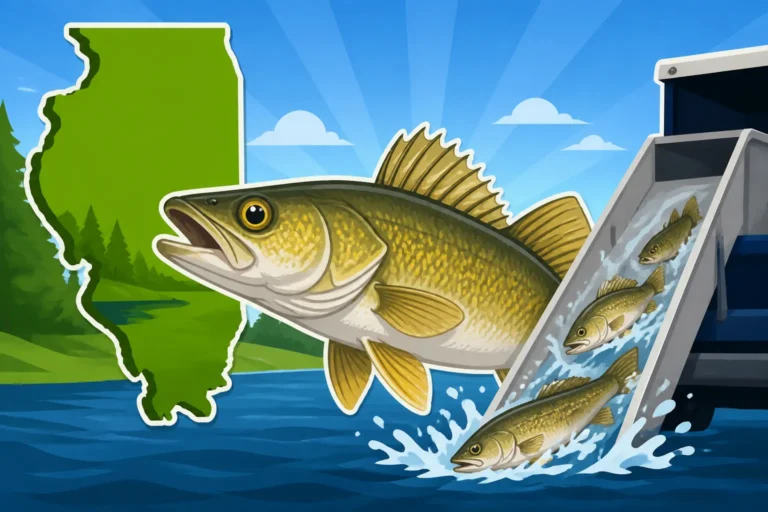
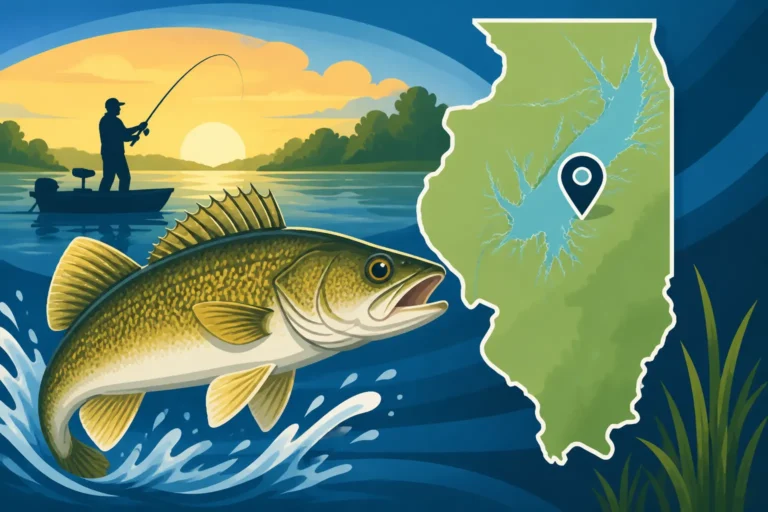
For anglers passionate about walleye and sauger, the northern stretches of the Illinois Mississippi River are truly a treasure. These cold-water predators thrive in the stronger currents and deeper, cooler waters found from the Quad Cities north to the Wisconsin border. You'll often find them lurking in the scour holes below the dams, congregating around the edges of wing dams, or tucked behind other current breaks where they can ambush baitfish. Walleye tend to prefer slightly clearer water and often hold to rocky points and deeper humps, while sauger are notorious for hugging the bottom in turbid water and strong currents, often in the main channel or deep eddies. When fishing these areas, look for changes in current speed, depth contours, and rocky structures.
Many local guides will tell you that the prime time for these species starts in late fall and continues through the colder months and into early spring. During these periods, the fish are actively feeding, and their metabolism is high. Popular techniques include jigging with live bait like minnows or plastics, trolling crankbaits along main channel edges, or three-way rigging. The pool near Rock Island is particularly renowned for its sauger population, and it's not uncommon to catch dozens in a single outing if you hit it right. If you're targeting Mississippi River Sauger Spots Near Rock Island, Illinois, remember to check current flows and bottom structure – they love to relate to changes. You’ll also want to know the Illinois Walleye Minimum Size Limit of 14 Inches before you head out, as regulations are crucial.
Catfish Central: Channel, Blue, and Flathead Giants of the South
When you think about the southern Illinois stretches of the Mississippi River, massive catfish immediately come to mind. This part of the river is a haven for all three major species: channel, blue, and flathead catfish. The warmer, slower, and often muddier waters, coupled with abundant cover in the form of submerged timber, log jams, and deep holes, create an ideal environment for these bottom-dwelling giants. Channel cats are the most widespread and can be found almost anywhere, from backwater sloughs to main channel holes, often preferring cut bait or stink baits. Blue catfish, known for their sheer size and powerful fights, typically inhabit the deeper, main channel holes and faster current seams, often near river bends or the mouths of tributaries. They are voracious eaters and respond well to fresh cut bait. Flatheads, the true ambush predators, prefer live bait and are usually found tucked away in heavy cover like log jams, root wads, or undercut banks, waiting for an unsuspecting meal to swim by.
Many anglers dedicate entire trips to chasing these behemoths, especially in the areas around Alton, Grafton, and Cairo. Imagine setting up a trotline or jug lines in a quiet backwater slough, or anchoring a heavy boat in the main channel current, patiently waiting for a giant blue cat to strike. This is the kind of fishing that requires heavy-duty gear and a lot of patience, but the reward of landing a fifty-pound-plus blue or flathead is an experience you won't soon forget. You can find excellent information on Mississippi River Catfish Spots in Southern Illinois to help you plan your trip. Always remember to check regulations, especially for larger species like flatheads, as there are often specific limits. For example, the Illinois Flathead Catfish Limit of 10 Fish Per Day is an important rule to keep in mind.
Bass and Panfish: Backwater Havens and Structure Seekers
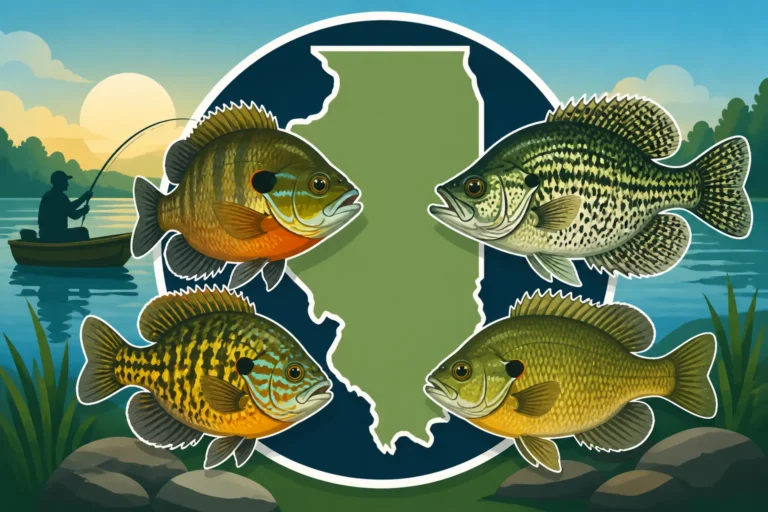
Beyond the main channel's hustle and bustle, the Mississippi River in Illinois offers fantastic opportunities for bass and panfish, particularly in its extensive network of backwater lakes, sloughs, and tributary mouths. These calmer, shallower areas often boast an abundance of aquatic vegetation, submerged timber, and other structures that provide ideal habitat for largemouth bass, crappie, bluegill, and various sunfish species. These backwaters are often separated from the main current by levees or narrow connections, creating a quieter, more sheltered environment where these fish can thrive away from the powerful main flow.
Largemouth bass in the Mississippi River backwaters behave much like their lake-dwelling cousins, relating to cover such as lily pads, brush piles, and fallen trees. Anglers often find success flipping jigs, pitching soft plastics, or throwing topwater lures in these areas. Crappie, both black and white, school up around submerged brush, timber, and sometimes bridge pilings, especially during their spawning periods in spring. Using small jigs or minnows under a bobber can be incredibly effective. Bluegill and other sunfish are ubiquitous in these backwaters, offering consistent action for anglers of all skill levels, especially those fishing with kids. A simple setup with a bobber, a small hook, and a worm or cricket can lead to a cooler full of panfish. To really get into the panfish action, check out Best Backwater Sloughs for Crappie on the Mississippi River for some prime locations. And don't forget that Mississippi River Backwater Fishing for Crappie and Bass, Illinois offers a unique and often overlooked angling experience.
Specialty Catches and Unique River Dwellers
While walleye, catfish, bass, and panfish might be the main targets for many, the Mississippi River holds a fascinating array of other species that offer exciting, and sometimes unusual, angling opportunities. From aggressive ambush predators to prehistoric-looking bottom dwellers, the river truly is a melting pot of freshwater fish.
Northern Pike and Muskie: Ambush Hunters in Grassy Areas
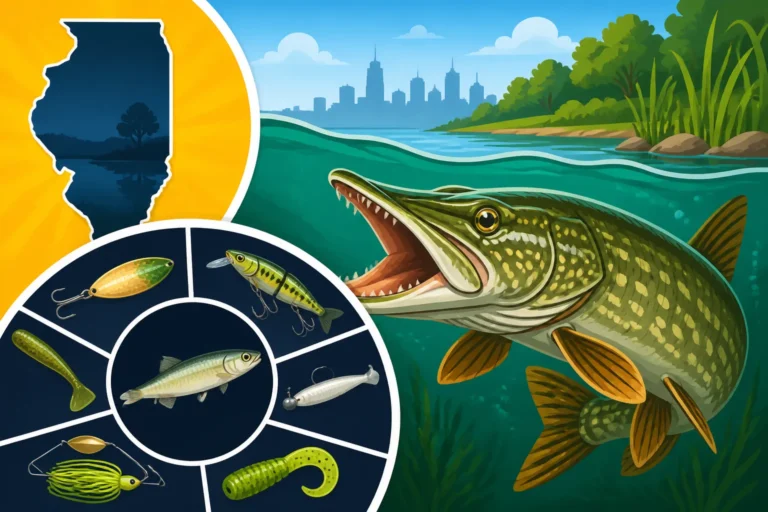
In the upper reaches of the Mississippi River in Illinois, particularly in the larger pools with more significant areas of submerged vegetation and slower currents, you might encounter northern pike and even the elusive muskie. These toothy predators are the apex hunters of their domain, known for their explosive strikes and powerful fights. Northern pike tend to prefer cooler, vegetated waters, often lurking in weed beds or along the edges of current breaks, waiting for an unsuspecting baitfish or duckling. Muskie, while less common, can be found in similar habitats, though they often relate to larger, more complex structures.
Targeting pike and muskie requires specialized tackle – strong rods, heavy line, and bite-proof leaders are a must to contend with their razor-sharp teeth. Large spoons, spinnerbaits, and crankbaits are popular choices, as are large live suckers. Imagine casting a big muskie bucktail along a weed line, anticipating that sudden, violent strike that can make your heart leap. While not as abundant as in some other Illinois waters, catching a Mississippi River pike or muskie is a badge of honor for any angler. If you're keen on finding these freshwater sharks, focus on areas with significant aquatic vegetation and slower currents, especially in the northern pools. Learning about Northern Pike Spots on the Mississippi River's Illinois Side can give you a significant advantage.
Rough Fish and Prehistoric Anglers: Gar, Bowfin, and Drum
The Mississippi River is also home to a fascinating array of what are often called "rough fish," though many are incredibly fun to catch and offer unique challenges. Species like spotted gar, longnose gar, bowfin, and freshwater drum are abundant throughout the river, often overlooked but providing exciting fishing in their own right. Gar, with their elongated, toothy snouts and armored bodies, are truly prehistoric relics. They often bask in shallow, warm backwaters or cruise just below the surface in calmer sections of the main channel. They can be tricky to hook due to their bony mouths but offer a strong fight. Bowfin, another ancient species, are incredibly powerful and aggressive, often found in heavily vegetated backwaters and sloughs. They'll readily strike a variety of lures and baits.
Freshwater drum, also known as sheepshead, are abundant throughout the river, often in deeper holes and channels. They are strong fighters and can grow to respectable sizes, providing steady action, especially when targeting catfish with cut bait. Many anglers consider these bonus catches, adding an element of surprise to any fishing trip. Learning how to identify and handle these unique species adds another layer to the Mississippi River fishing experience. Trying to target these fish specifically can be a blast, and you might discover a new favorite fight. Plus, they often indicate a healthy ecosystem, which is always a good sign.
Here’s a quick overview of some prime species and where you might find them:
| Species | Preferred Habitat (Illinois Mississippi River) | Common Fishing Techniques |
|---|---|---|
| Walleye / Sauger | Northern stretches, main channel, wing dams, scour holes, current seams, rocky bottoms. | Jigging, trolling crankbaits, three-way rigs with live bait. |
| Channel Catfish | Southern backwaters, main channel holes, slower current areas, muddy bottoms. | Bottom fishing with cut bait, stink bait, worms. |
| Blue Catfish | Southern deep main channel holes, strong current seams, near tributary mouths. | Heavy bottom rigs with fresh cut bait, jug lines. |
| Flathead Catfish | Southern backwaters, heavy submerged timber, log jams, undercut banks. | Live bait (sunfish, shad) on heavy bottom rigs. |
| Largemouth Bass | Backwater lakes, sloughs, oxbows, aquatic vegetation, submerged timber. | Flipping jigs, pitching plastics, topwater, crankbaits. |
| Crappie (Black/White) | Backwater brush piles, submerged timber, bridge pilings, quiet coves. | Jigging, minnows under a bobber. |
| Bluegill / Sunfish | Shallow backwaters, weed beds, brushy banks, docks. | Bobber fishing with worms, crickets, small jigs. |
| Northern Pike | Northern pools, vegetated backwaters, weed lines, current breaks. | Large spoons, spinnerbaits, crankbaits, live suckers. |
| Spotted Gar | Shallow, warm backwaters, surface basking, calm main channel sections. | Rope lures, cut bait, live bait. |
| Freshwater Drum | Deeper holes, main channel, current breaks, often near catfish. | Bottom fishing with worms, cut bait. |
Gear Up for Mississippi River Success
Fishing the Mississippi River is an adventure, and like any good adventure, it requires the right tools. Because of the river's sheer scale and the diversity of its fish populations and environments, having versatile and robust gear is incredibly important. You won't use the same setup for a monster blue cat in the main channel as you would for crappie in a quiet backwater, but there are some foundational elements to consider.
Essential Tackle for Varied Species
For those targeting the heavy-hitters like big catfish or walleye in strong currents, you'll want sturdy rods and reels capable of handling significant weight and powerful fights. Medium-heavy to heavy action rods, paired with baitcasting reels spooled with 20-50 lb test braided line, are ideal for main channel catfishing or trolling for walleye. For specific applications like How to Catch Catfish From the Bank, a long, sturdy surf rod can be surprisingly effective. Don't skimp on terminal tackle either – strong swivels, heavy weights, and stout circle hooks (often preferred for catfishing as they tend to hook in the corner of the mouth, making for easier release if desired) are non-negotiable. Many of these items are readily available on platforms like Amazon, making it easy to stock up before your trip.
If you're heading into the backwaters for bass and panfish, a lighter setup is more appropriate. Medium-light to medium action spinning rods with 6-10 lb test monofilament or braid will give you the sensitivity and finesse needed for crappie jigs or bass plastics. A variety of jigs, soft plastics, and small crankbaits should fill your tackle box. For bluegill, the simplest setup with a bobber, a small hook, and some nightcrawlers often yields the best results. Carrying a diverse selection of baits and lures, appropriate for the specific species you're targeting and the conditions you expect, will greatly increase your chances of success. A good multi-species tackle box is almost essential for the Mississippi.
Boating and Safety Considerations
Navigating the Mississippi River, especially the main channel, requires a capable boat and a keen eye for safety. The main channel is a working river with commercial barge traffic, powerful currents, and ever-shifting sandbars and snags. A reliable outboard motor is crucial, and having a good trolling motor for precise boat control around structure or in backwaters is a huge advantage. Always carry essential safety gear: life jackets for everyone on board (and ensure children wear them, especially if they are under 13, as per Illinois Life Jacket Rules for Children Under 13), a working VHF radio or cell phone, navigation lights for dawn/dusk/night fishing, and a first-aid kit. A reliable depth finder and GPS unit are also invaluable for navigating unfamiliar waters, marking structure, and finding those hidden hot spots. Even something as basic as a waterproof river map can be a lifesaver.
For those exploring the shallower backwaters, a smaller jon boat or even a kayak can be ideal. Kayak fishing has become incredibly popular on the Mississippi's calmer sections, allowing anglers to access remote areas that larger boats can't reach. Just remember that even in calm waters, currents can be deceptive, and weather can change quickly. Always tell someone your float plan, and double-check your gear before heading out. Safety should always be your top priority on a river this big and powerful. You can find some excellent kayak fishing accessories and safety gear on Amazon to help you get started safely and efficiently.
The Mississippi River offers an incredible range of fishing experiences across its Illinois border. Whether you're chasing trophy catfish in the south, battling walleye up north, or finding peace in a quiet bass slough, understanding the nuances of its different environments and species is key to making your trip a success.
Disclaimer
This article is for general informational purposes only and does not constitute professional advice. Laws, prices and regulations vary by location and change over time. Consult a qualified professional for guidance on your specific situation.