Is Bowfin Good to Eat?
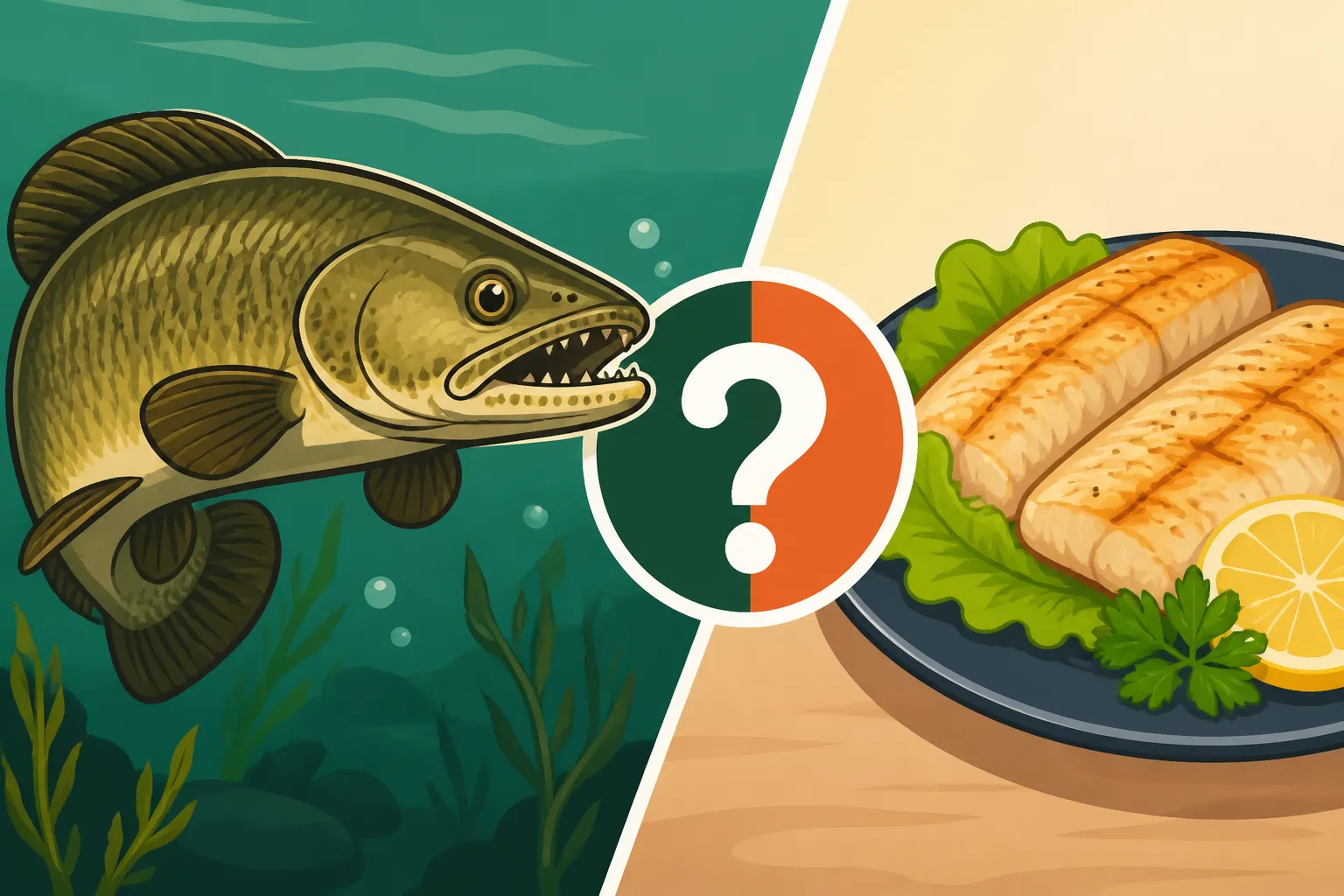
Oh, the humble, often misunderstood bowfin! If you've spent any time fishing the backwaters and slow-moving rivers of Illinois, you've likely encountered this prehistoric-looking fish and, if you're like most anglers, wondered aloud, "Can you really eat this thing?" It's a common question, laced with a mix of curiosity and perhaps a touch of apprehension, given the bowfin's rather formidable appearance and tenacious fight. This guide is here to tackle that very question head-on, dispelling myths and offering practical advice on whether this unique Illinois native deserves a spot on your dinner plate.
The Bowfin's Reputation: Why the Hesitation?
Let's be honest, the bowfin doesn't exactly have a sterling reputation among many recreational anglers. Often lumped into the category of "rough fish" or "trash fish," it's frequently released without a second thought, or worse, left on the bank. This perception isn't entirely unfounded, but it's largely based on outdated information and a lack of understanding about how to properly handle and prepare the fish. Many anglers just aren't sure how to approach this ancient species.
"Rough Fish" Stereotype and Misconceptions
The term "rough fish" itself is a bit of a misnomer, often applied to species that aren't typically sought after for sport or table fare like bass or walleye. Bowfin, along with carp and gar, have historically fallen into this category. This label unfortunately leads to a self-fulfilling prophecy: if no one thinks it's good to eat, fewer people will try, and the reputation sticks. But imagine if someone told you a beautiful bluegill was a "rough fish" without ever trying it! You'd miss out on some fantastic eating.
One of the biggest misconceptions about bowfin is that its meat is inherently "mushy" or has a strong, off-putting taste. This idea often stems from improper handling right after the catch. A bowfin that's tossed into a warm cooler or left to expire slowly on the bank before cleaning will likely develop a less desirable texture and flavor. Like many fish, especially those with oilier flesh, how you treat it immediately after it comes out of the water makes all the difference. Think of it like handling a fresh cut of prime beef; you wouldn't leave it in the sun, would you? The same care applies here. We're breaking down these old barriers to help you explore more of what Illinois waters have to offer. You might be surprised at what you've been missing. Illinois' 220 Fish Species: What Anglers Can Actually Expect to Catch
The Slimy Factor and Handling Challenges
Another significant hurdle for many anglers is the bowfin's legendary sliminess. These fish are incredibly robust, covered in a thick, protective layer of mucus that helps them survive in murky, oxygen-depleted waters. When you pull a bowfin into the boat or onto the bank, that slime can get everywhere, making it feel difficult to handle and, frankly, a bit off-putting. It’s a definite challenge, especially if you're not prepared.
Beyond the slime, bowfin are powerful, toothy, and can be quite aggressive even out of water. They have strong jaws and sharp teeth, and they thrash with incredible force. This combination of slime, teeth, and raw power means they require a bit more careful handling than, say, a gentle bluegill. Many anglers might catch one, struggle with it, and then decide it's just too much trouble to bother with, especially if they're already thinking it's not good to eat. But don't let these initial impressions deter you; with the right approach and a little patience, you can absolutely manage a bowfin safely and effectively. Spotted Gar vs Bowfin: How to Tell These Prehistoric Fish Apart
Dispelling Myths: The Truth About Bowfin as Table Fare
So, after all that talk about reputation and slime, let's get to the heart of the matter: is bowfin actually good to eat? The resounding answer from those who have tried it properly prepared is a surprised, "Yes!" It might not be the delicate flake of a walleye or the mildness of a crappie, but it offers a unique, firm, and flavorful experience that many find genuinely enjoyable.
Texture and Taste Profile
Forget the "mushy" myth entirely, because when handled correctly, bowfin meat is anything but. Instead, it boasts a firm, white, flaky texture that holds up beautifully to various cooking methods. Some describe it as having a texture similar to firm catfish, snapper, or even a robust cod. It's meaty and substantial, a far cry from what the old wives' tales would have you believe.
As for taste, it's generally described as mild, slightly sweet, and earthy, without a strong "fishy" flavor, especially if you get it on ice quickly. There might be a subtle, almost gamey undertone, which some people absolutely love, comparing it to certain freshwater bass or even a denser panfish. It's certainly not overpowering. This makes it a versatile fish that can take on a lot of different seasonings and marinades without getting lost. If you like a hearty fish, the bowfin could very well become a new favorite.
Preparation is Key
This is the golden rule when it comes to bowfin, perhaps more so than with any other freshwater fish. The difference between a culinary delight and a disappointing meal truly hinges on how you prepare it. The immediate aftermath of the catch is paramount. You need to bleed the fish immediately and get it on ice as quickly as possible. This rapid cooling and bleeding process helps preserve the firm texture and prevents any off-flavors from developing.
Many experienced bowfin eaters will tell you that they treat bowfin much like they would a prime catch like tuna or salmon when it comes to initial care. The goal is to minimize stress on the fish, remove blood, and chill it down quickly. This attention to detail transforms the meat, making it firm, white, and ready for whatever delicious recipe you have in mind. Don't skip these critical first steps; they are truly what elevates the bowfin from curiosity to cuisine.
Best Practices for Preparing and Cooking Bowfin
Alright, you've decided to give bowfin a fair shake – excellent choice! Now, let's talk about the practical steps to turn that tenacious fighter into a delicious meal. It's a bit different than cleaning a crappie, but certainly manageable with the right tools and knowledge.
Field Dressing and Cleaning: Minimizing the Slime
The first and most important step happens right on the water or immediately after you get the fish in your possession: field dressing and chilling.
- Bleed Immediately: As soon as you land a bowfin, humanely dispatch it (a quick blow to the head) and then cut the gills to allow it to bleed out. This is crucial for flavor and texture.
- Ice it Down Fast: Get the bled fish into a cooler packed with ice immediately. Don't just throw it in a bucket of water; it needs to be submerged in ice. This chills the meat rapidly, firming it up and preventing bacterial growth that can lead to that dreaded "mushy" texture and off-flavor.
- Filleting: Back at home, or at your cleaning station, you'll tackle the slime. Some anglers find it helpful to hose the fish down or even use a bit of salt or vinegar on the skin to reduce the sliminess before filleting. Don't be shy with the knife; bowfin have strong bones. Use a very sharp fillet knife (you can find great ones on Amazon) to work around the rib cage and separate the fillets from the spine. You'll want to skin the fillets, as the skin can be tough and carry residual slime.
- Dealing with the "Y-Bones": This is where some anglers get intimidated. Like northern pike, bowfin have a series of small, needle-like "Y-bones" running along the lateral line in the upper portion of the fillet. You have a few options:
- "Strip Method": Cut two strips off each side of the central Y-bone section. The belly meat and the backstrap areas are often free of these bones.
- Score and Fry: For smaller fish, some people simply score the fillet deeply across the Y-bone section before frying, which helps "cook out" or soften the bones to make them less noticeable.
- Remove: With practice and a sharp knife, you can learn to make small V-cuts to remove these bones. This is similar to how many experienced anglers handle carp or pike.
It's a process, but the reward is worth the effort!
Cooking Methods and Recipes
Once you have those clean, firm, white fillets, the world of culinary possibilities opens up. Bowfin is incredibly versatile.
- Frying: This is probably the most popular method for bowfin. Cut your fillets into manageable chunks, dredge them in a seasoned cornmeal or flour mixture, and deep fry until golden brown. The firm flesh holds up beautifully, resulting in a crispy exterior and tender, flaky interior. This works wonderfully for a classic fish fry, perhaps alongside some hushpuppies and coleslaw. You might use a cast iron skillet for an authentic Southern feel, which are readily available on Amazon. Is Bowfin Good to Eat?
- Grilling: Marinate bowfin fillets in your favorite blend (lemon pepper, garlic butter, or even a spicy Cajun rub) and grill them over medium-high heat. Their firm texture prevents them from flaking apart on the grates, giving you a fantastic smoky flavor.
- Smoking: For a truly unique treat, try smoking bowfin. Brine the fillets overnight, then smoke them slowly with a mild wood (like apple or cherry). The smoky flavor complements the earthy tones of the fish, creating a rich, flavorful experience. This is a great way to handle larger quantities if you've had a particularly successful day.
- Bowfin "Gefilte Fish" or Fish Balls: Due to its firm, dense texture, bowfin is an excellent candidate for grinding and using in fish cakes, patties, or even a homemade version of gefilte fish. This preparation method bypasses any issues with Y-bones, as the meat is ground. Season it well with herbs, onions, and spices, and then pan-fry or bake.
Here’s a quick comparison of bowfin traits against some other popular Illinois fish:
| Feature | Bowfin (Properly Prepared) | Largemouth Bass | Channel Catfish | Black Crappie | Walleye |
|---|---|---|---|---|---|
| Texture | Firm, white, flaky, dense | Medium-firm, white, flaky | Firm, white, slightly oily | Delicate, very flaky, white | Firm, translucent, very flaky |
| Taste | Mild, earthy, slightly sweet | Mild, slightly earthy, lean | Mild, slightly sweet, distinct | Very mild, sweet | Very mild, sweet, clean |
| "Fishy" Factor | Low (if iced quickly) | Low | Medium (can vary by water) | Very Low | Very Low |
| Bone Challenge | Y-bones in upper fillet | Minimal (pin bones easily removed) | Minimal (few large bones) | Minimal (fine bones) | Minimal (few large bones) |
| Best Prep | Fried, Grilled, Smoked, Fish Cakes | Fried, Baked, Grilled | Fried, Baked, Grilled, Smoked | Fried, Pan-seared | Fried, Baked, Pan-seared |
As you can see, bowfin holds its own when compared to other popular species, particularly when you consider its firm texture and mild flavor. It just needs a little extra care and respect in the cleaning process. Illinois Fish Species You've Probably Never Heard Of
Where to Catch Bowfin in Illinois and What to Expect
Now that your mouth might be watering, let's talk about finding these incredible fish in Illinois waters. Bowfin are widespread, but they prefer specific types of habitats.
Prime Illinois Habitats
Bowfin are true survivors and thrive in environments that might challenge other species. You'll typically find them in:
- River Backwaters and Oxbow Lakes: These are classic bowfin strongholds. Look for areas with slow current, lots of submerged vegetation, lily pads, and woody debris. The Illinois River, Mississippi River backwaters, and smaller tributaries often hold good populations. Mississippi River Catfish Fishing in Southern Illinois
- Shallow Lakes and Ponds: Especially those with muddy bottoms and plenty of aquatic plants. They love to hide in cover, ambushing unsuspecting prey. Many smaller state park lakes or private ponds that aren't heavily managed can be home to big bowfin.
- Sloughs and Ditches: Any slow-moving, often murky waterway connected to a larger river system can be prime bowfin territory. They can tolerate low oxygen levels better than many game fish.
Basically, if it looks like good habitat for a big, toothy predator that likes to hide and isn't afraid of a little mud, a bowfin probably lives there. You'll often find them sharing water with other robust species like various catfish species and even some larger carp. Illinois Spotted Gar Fishing: What You Need to Know
Fishing for Bowfin: A Rewarding Battle
Targeting bowfin is an experience in itself, offering a fight that few other freshwater fish can match. They hit hard, run fast, and put on an incredible display of power, often jumping and thrashing like a miniature tarpon.
- Gear: You'll want sturdy gear. A medium-heavy to heavy action rod with a strong baitcasting or spinning reel spooled with 15-20 lb monofilament or braid is a good starting point. They have sharp teeth, so a short leader of fluorocarbon or even wire can be a good idea, though many anglers get away without it if they're replacing line regularly. You can find robust fishing tackle suitable for bowfin on Amazon.
- Baits and Lures: Bowfin are opportunistic predators. Live bait like shiners, small bluegill, or even large minnows are incredibly effective. Cut bait also works well, as does a variety of artificial lures, especially those that mimic baitfish. Spinnerbaits, chatterbaits, and even large plastic worms or swimbaits can entice a strike.
- Approach: Cast your bait or lure into heavy cover – weed beds, submerged logs, brush piles, or along lily pad edges. Bowfin are ambush predators, so present your offering close to their hiding spots. Be ready for an immediate, powerful strike!
Catching a bowfin is an exciting event, and knowing that you can then transform it into a fantastic meal makes the experience even more rewarding. So next time you're out on the water, don't overlook this fascinating, tenacious, and surprisingly delicious Illinois native. Give the bowfin a chance – you might just discover a new favorite for your fishing pursuits and your dinner table!
Disclaimer
This article is for general informational purposes only and does not constitute professional advice. Laws, prices and regulations vary by location and change over time. Consult a qualified professional for guidance on your specific situation.