Best Bait for Northern Pike Fishing
Ah, northern pike! There's something undeniably thrilling about targeting these aggressive predators in Illinois waters. Many anglers, especially those new to pike fishing, often wonder what truly gives them an edge, struggling to entice those powerful strikes or keep a hooked fish from biting through the line. This guide is all about equipping you with the knowledge of the very best baits and techniques to consistently fool those toothy giants, ensuring your next outing is a resounding success.
Understanding Northern Pike Habits and Preferences
Before we even talk about specific baits, it's really helpful to get inside the head of a northern pike, if you will. These fish aren't just swimming around aimlessly; they have distinct behaviors influenced by their environment and the time of year. Knowing what makes them tick is the first step toward putting the right bait in front of them at the right time.
Pike's Predatory Nature and Diet
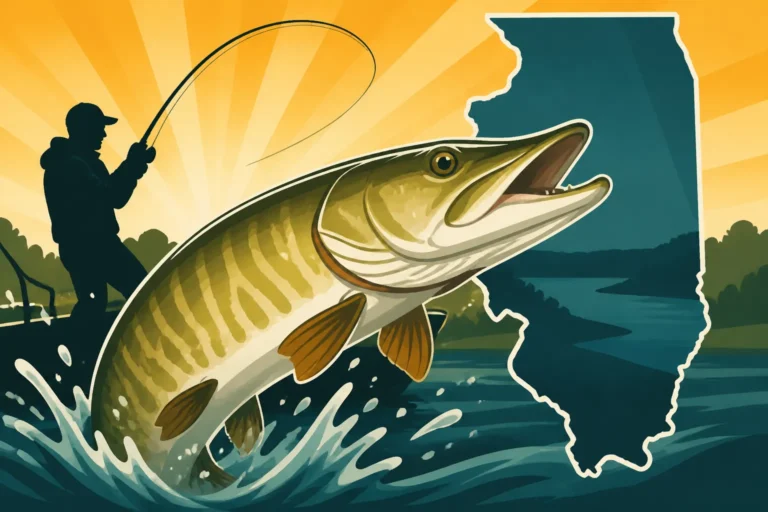
Northern pike are the undisputed ambush predators of many Illinois lakes and rivers. They are sleek, torpedo-shaped fish, perfectly designed for lightning-fast bursts of speed to snatch unsuspecting prey. Think of them as the silent hunters, often lurking in dense weed beds, submerged timber, or along sharp drop-offs, waiting for the perfect moment to strike. Their diet is quite varied, but it primarily consists of other fish – anything from smaller panfish like bluegill and crappie to larger baitfish like shiners, suckers, and even smaller bass. They're not particularly picky; if it moves and looks vulnerable, a pike might just try to eat it.
This aggressive, carnivorous nature means your baits need to provoke a reaction. They're looking for something that either looks like an easy meal or something that irritates them enough to attack defensively. Understanding this innate hunting strategy is crucial for selecting baits that truly shine. We want to mimic their natural prey in distress or create enough commotion to get their attention and trigger that powerful, instinctual strike. It's less about subtle nibbles and more about explosive takes, which is what makes pike fishing so addictive!
Seasonal Changes and Pike Behavior
Just like us, pike's moods and whereabouts change with the seasons, and what works in spring might be completely ignored in summer. In the springtime, after the ice melts and water temperatures begin to rise, pike often move into shallower areas to spawn. Post-spawn, they'll hang around these shallower, warmer waters and weed lines, feeding actively to regain their energy. This is a prime time for casting flashy baits or presenting live bait near emergent vegetation.
As summer heats up, pike tend to retreat to deeper, cooler water, often holding along weed edges, submerged structures, or in deeper channels. You might find them suspended over deeper water, waiting for baitfish to swim by, or tucked into the shade of thick cover. Early mornings and late evenings are often the most productive times during summer, as they'll venture shallower under lower light conditions. In the fall, as water temperatures drop, pike enter a "feeding frenzy," bulking up for winter. They become incredibly aggressive, moving back into shallower feeding areas and actively chasing down prey, making this an excellent time for larger, faster-moving baits. Even in winter, under the ice, pike can be caught, though their metabolism slows, requiring more patient presentations with live bait or slow-moving jigs. For a broader overview of seasonal changes, check out our Illinois Fishing Seasons Guide.
Live Baits: The Irresistible Choice for Northern Pike
When it comes to consistently catching northern pike, especially larger ones, it's hard to beat the effectiveness of live bait. There's just something about a struggling, natural presentation that these apex predators can't resist. The scent, the natural movement – it all screams "easy meal" to a hungry pike.
Popular Live Baits and Their Advantages
For northern pike, certain live baits stand head and shoulders above the rest due to their size, hardiness, and natural appeal. Shiners, suckers, and chubs are classic choices. These baitfish are typically robust, staying lively on the hook for a good amount of time, and their natural swimming action is exactly what a pike is looking for. A 4-to-8-inch shiner or sucker, fished under a bobber or on a quick-strike rig, can be absolutely deadly. The key is to keep them lively; dull, listless bait won't draw nearly as much attention. You can typically find a good selection of these at local bait shops across Illinois.
Smelt are another fantastic option, particularly when targeting larger pike or when fishing in deeper, colder waters. They emit a strong scent trail that can draw pike in from a distance, making them highly effective. While goldfish might seem like an easy choice due to their availability, it's crucial to be aware that using them as live bait is illegal in many places due to the risk of introducing invasive species. Always check current Illinois fishing regulations before using any live bait to ensure compliance and avoid potential penalties. Remember, a healthy, active bait is your best bet for a successful pike encounter.
Ethical Considerations and Proper Handling
Using live bait comes with a responsibility to both the environment and the fish you're targeting. First and foremost, you want to ensure your live bait is healthy and lively. This means keeping them in a well-aerated bait bucket with cool, clean water. Using an aerator, especially on warmer days, is not just a nice-to-have, but a necessity to keep your bait active and attractive to pike. A sluggish bait is far less enticing, and it's simply more humane.
Beyond just keeping your bait alive, we must always be mindful of the potential ecological impact. Never release unused baitfish into a body of water unless you are absolutely certain they came from that same water and are not an invasive species. Transporting bait from one lake or river to another can unintentionally introduce diseases or non-native species that can wreak havoc on the local ecosystem. Always dispose of unused live bait properly, typically in the trash, to protect Illinois' precious aquatic environments. This diligence helps preserve the fishing opportunities we all enjoy for years to come. For more on handling different species, check out our guide on Muskie vs Northern Pike: How to Tell the Difference.
Artificial Baits: Aggression-Provoking Lures
While live bait certainly has its place, there's an immense satisfaction in fooling a northern pike with an artificial lure. The sheer variety available is staggering, and each type is designed to exploit a different aspect of a pike's predatory instinct, from their love of flash and vibration to their territorial aggression.
Spinnerbaits and Inline Spinners
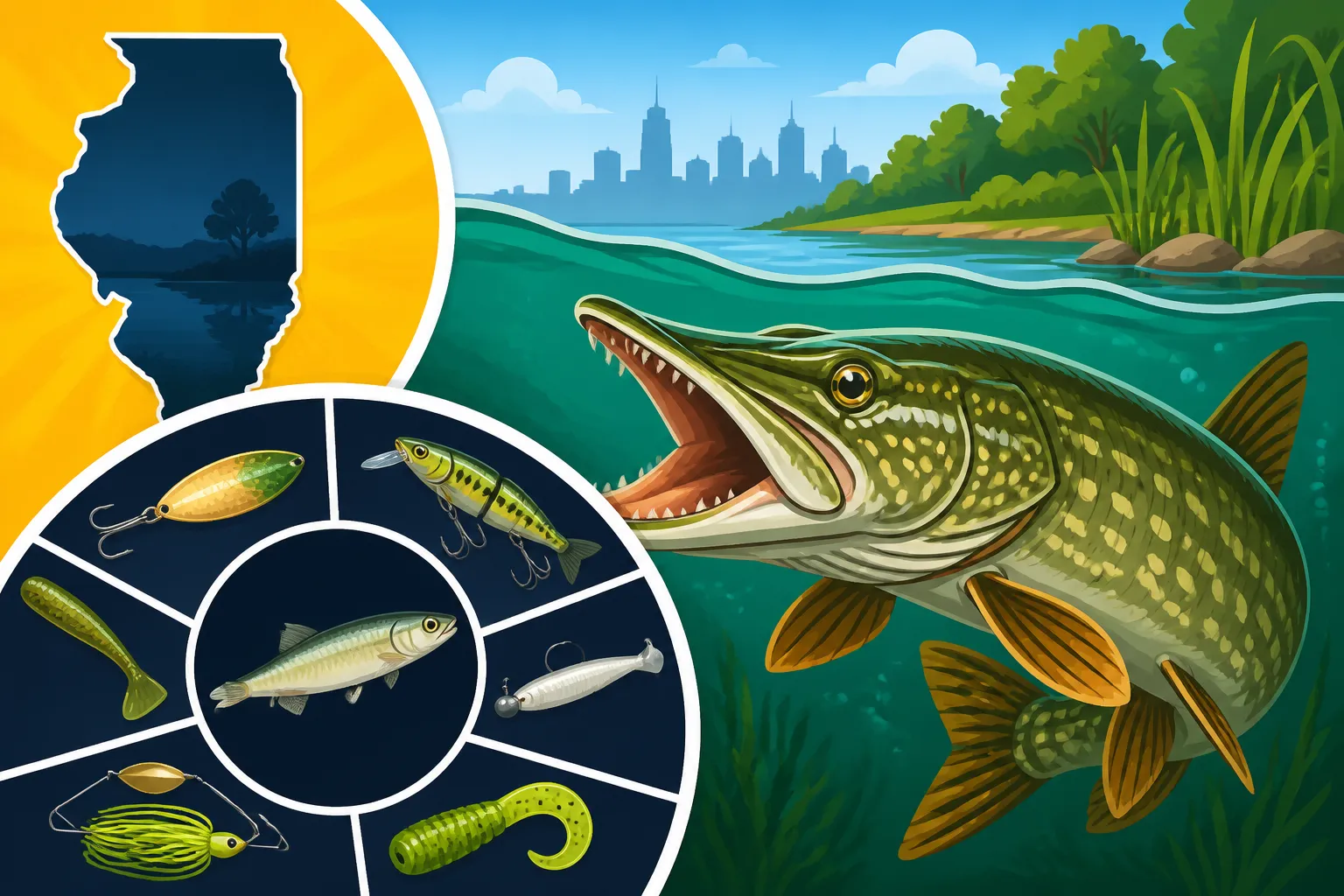
Spinnerbaits and inline spinners are absolute workhorses for northern pike, and for good reason. They are designed to create a ton of flash and vibration in the water, mimicking an injured baitfish or simply acting as an irresistible attractor. The spinning blades create a pulse that pike can feel through their lateral line, drawing them in even in murky water. For spinnerbaits, look for larger sizes, often 1/2 oz to 1 oz or more, with big willow or Colorado blades. Tandem blade configurations often provide even more flash. For inline spinners, classics like Mepps or Blue Fox are perennial favorites, in sizes #4 to #6 or larger.
When it comes to colors, experimentation is key, but generally, bright, flashy colors like chartreuse, white, or firetiger tend to be very effective, especially in stained water. In clearer water, more natural baitfish patterns can shine. The retrieve is crucial: a steady, moderate retrieve often works best, allowing the blades to spin consistently. However, don't be afraid to add erratic twitches, pauses, or changes in speed to trigger a reactionary strike. You can find a huge variety of these, from classic Mepps to more specialized ones, at your local bait shop or even online on platforms like Amazon, making it easy to stock up for any fishing condition.
Spoons and Crankbaits
Spoons are another classic pike lure, and their effectiveness lies in their unique wobbling action. When retrieved, they flutter and flash like a wounded baitfish, which is often irresistible to a lurking pike. Iconic spoons like the Johnson Silver Minnow, Daredevle, or Little Cleo come in a range of sizes and colors. Larger spoons (3-6 inches) are generally preferred for pike. Bright colors, metallic finishes (silver, gold), and patterns like red/white are very productive. They're versatile, great for casting and retrieving over weed beds, along drop-offs, or even trolling open water. The key is to vary your retrieve, sometimes a straight retrieve, other times with pauses and jerks to make the spoon "dance."
Crankbaits are fantastic for mimicking swimming baitfish and can be chosen based on the depth you want to target. Lipless crankbaits are great for covering water quickly and can be ripped through weeds. Shallow-diving crankbaits work well over submerged cover, while deep-diving models can get down to where the bigger pike might be holding in summer. Look for crankbaits in baitfish patterns (perch, shiner, pike patterns) or aggressive colors like firetiger. The erratic wiggle and vibration of a crankbait are often enough to trigger a ferocious strike. Again, the selection on Amazon offers a vast array of options to choose from, from budget-friendly choices to premium lures, ensuring you have the right tool for any depth or water condition.
Soft Plastics and Swimbaits
Don't underestimate the power of soft plastics and swimbaits for northern pike, especially larger presentations. These lures can often mimic the size and profile of natural prey more accurately than hard baits, and their softer, more lifelike action can be incredibly enticing. Large paddle-tail swimbaits (5-9 inches) rigged on a weighted swimbait hook or heavy jig head are fantastic. The thumping action of the tail sends out vibrations that pike detect, and their realistic appearance often leads to longer, more confident strikes.
Glide baits, which are a type of soft or hard bait designed to "glide" from side to side with a twitch of the rod, can also be incredibly effective for larger, more discerning pike. These often require a specific retrieve style but can be deadly. When fishing soft plastics for pike, focus on retrieving them just above or through cover where pike are likely to ambush. Experiment with colors, from natural baitfish to more vibrant options, depending on water clarity. The slower, more subtle presentation of soft plastics can often tempt finicky pike that might ignore faster-moving lures.
Topwater Lures for Explosive Strikes
There’s nothing quite like a northern pike blowing up on a topwater lure. It's truly one of the most exciting ways to catch them! Topwater lures work best in specific conditions: low light (dawn and dusk), calm water, and over shallow cover like lily pads or emergent weeds. The idea is to create commotion on the surface that mimics a struggling animal or baitfish.
Propeller baits, poppers, and "walk-the-dog" style lures (like a Zara Spook) are excellent choices. Frogs and mice imitations can also be incredibly effective when fished over heavy weed mats, as they imitate prey that might accidentally fall into the water. The key to topwater success is often patience and a varied retrieve. Let the lure sit after it lands, then twitch it, pause, retrieve a bit, and repeat. The explosive, often heart-stopping strike of a pike on topwater is a memory that sticks with you long after the fish is released. This technique is definitely worth trying, especially during those magical low-light hours. For targeting these elusive fish, be sure to read our Northern Pike Fishing in Illinois: The Complete Guide.
Essential Gear and Tips for Pike Anglers
Catching northern pike is not just about the bait; it's also about having the right tools for the job and knowing how to use them safely and effectively. Pike are powerful fish with sharp teeth, and being prepared means a more enjoyable and successful experience for everyone involved – especially the fish!
Rod, Reel, and Line Recommendations
To effectively battle a powerful northern pike, you need gear that can handle the strain. A medium-heavy to heavy action rod, typically 7 to 8 feet in length, is ideal. This rod power provides the backbone needed to cast larger lures and to absorb the shock of a pike's powerful head shakes. Shorter rods might make casting difficult, while overly light rods risk breaking or prolonging the fight unnecessarily.
For reels, both baitcasting and spinning setups can work, but many serious pike anglers prefer a sturdy baitcasting reel paired with a strong rod for better control and casting heavier baits. Spool your reel with 30-50 lb braided line. Braid offers incredible sensitivity and strength for its diameter, which is crucial for feeling subtle bites and setting hooks firmly. However, braid is easily cut by pike teeth, so a leader is absolutely non-negotiable. Don't venture out for pike without proper tackle; you can find robust options for your setup on sites like Amazon. For more general advice on selecting your gear, take a look at our Best Rods and Reels for Illinois Anglers.
Leader Importance and Knot Tying
This cannot be stressed enough: you absolutely need a leader when fishing for northern pike. Their mouths are full of razor-sharp teeth that will easily slice through monofilament or fluorocarbon main lines, leading to lost lures and, more importantly, potentially injured fish dragging hooks. A steel leader or a heavy fluorocarbon leader (at least 50-80 lb test, sometimes even heavier) is essential. Steel leaders offer the most bite-proof protection and come in various lengths and styles. Fluorocarbon leaders, while not entirely bite-proof against the largest pike, are less visible in clear water and often sufficient for average-sized fish, provided they are heavy enough.
When attaching your leader, make sure your knots are strong and reliable. A good uni-knot or Palomar knot for tying braid to a swivel or snap on your leader is crucial. Always check your leader for nicks or damage after each fish or snag, and replace it if there's any doubt. A failure at the leader means a lost fish, and we want to ensure every pike caught can be safely released if that's your intention.
Tools for Safe Handling
Northern pike have rows of incredibly sharp teeth, and trying to unhook one without the right tools is a recipe for disaster for both you and the fish. Investing in a few key pieces of equipment for safe handling is paramount. Long-nose pliers, or even specialized fishing pliers, are essential for reaching into a pike's mouth to remove hooks. Their long shafts keep your fingers away from those dangerous teeth.
A jaw spreader is another non-negotiable tool. This device gently props open the pike's mouth, allowing you safe access to the hook. Make sure to use it carefully, applying just enough pressure to keep the mouth open without harming the fish. Finally, a good pair of puncture-resistant gloves can offer an extra layer of protection, especially when handling a feisty pike. Practicing proper catch-and-release techniques with these tools ensures the fish has the best chance of survival. Always have these tools readily accessible in your boat or tackle box – perhaps check for good options on Amazon before your next trip. Having a well-organized Tackle Box Setup for Illinois Species will make sure these are always at hand.
| Bait Type | Pros | Cons | Ideal Conditions |
|---|---|---|---|
| Live Bait | Natural scent and movement; irresistible to large pike | Can be expensive; requires careful handling; regulatory issues | All seasons, especially for finicky fish |
| Spinnerbaits | High flash and vibration; covers water quickly | Can foul in heavy weeds; less effective for very deep fish | Weedy areas, active fish, stained water |
| Spoons | Great wobble and flash; good for casting and trolling | Can twist line; sometimes less subtle | Open water, casting to structure |
| Crankbaits | Mimic baitfish accurately; target specific depths | Can get snagged easily; selection can be overwhelming | Various depths, mimicking local forage |
| Soft Plastics | Lifelike action; subtle presentation; versatile | Durability can be an issue; often requires specific rigging | Finesse situations, wary fish |
| Topwater Lures | Exciting strikes; good over dense cover | Only effective in specific conditions (calm, low light, shallow) | Low light, calm water, heavy cover |
Remember, the "best" bait often depends on the specific conditions you face on any given day. Experimentation is part of the fun of fishing! Good luck out there, and tight lines! And if you're curious about what to do with your catch, you might find our article Is Northern Pike Good to Eat? interesting.
Disclaimer
This article is for general informational purposes only and does not constitute professional advice. Laws, prices and regulations vary by location and change over time. Consult a qualified professional for guidance on your specific situation.