Northern Pike Spots on the Mississippi River’s Illinois Side
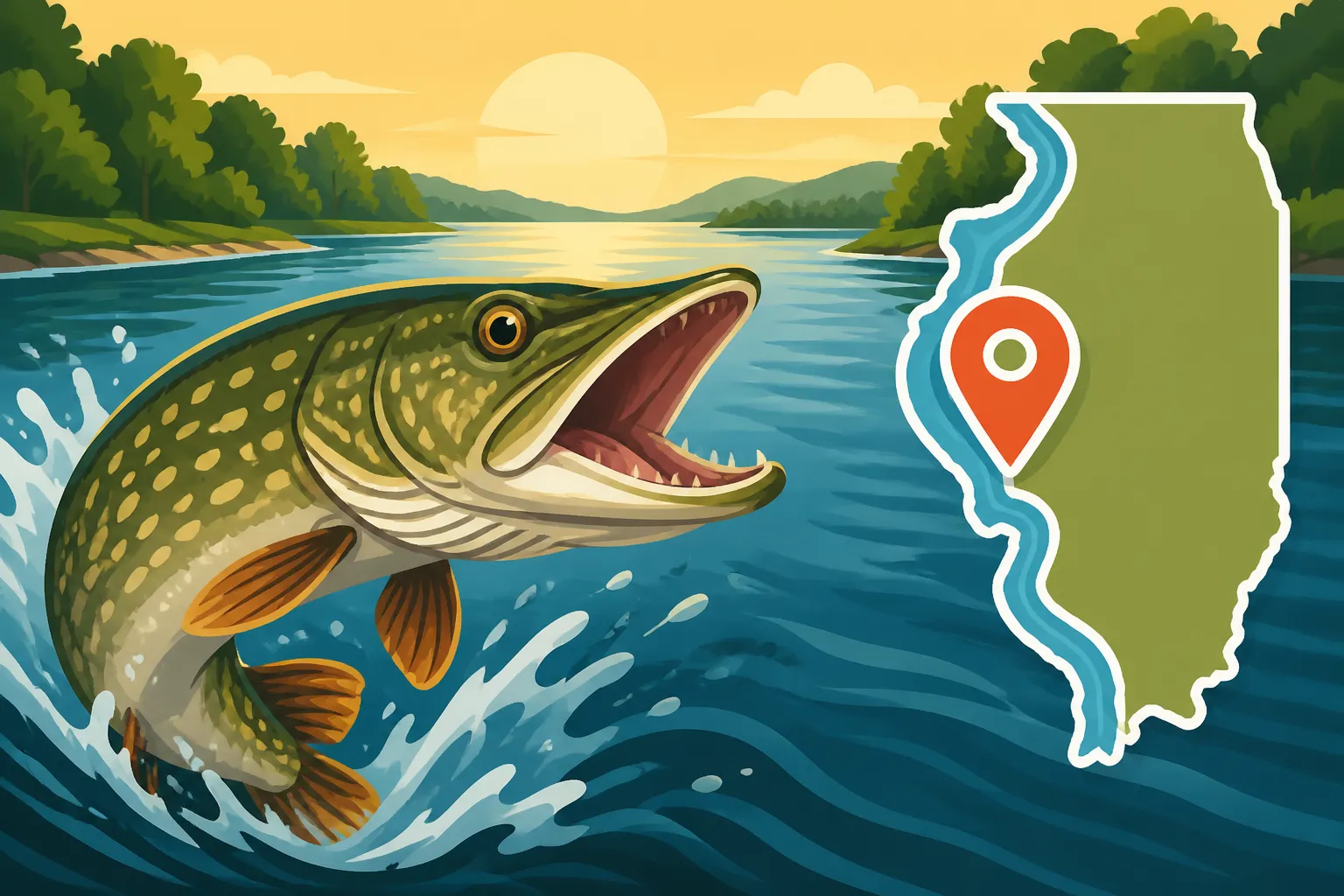
Finding Northern Pike along the mighty Mississippi River in Illinois can feel like searching for a needle in a haystack. This massive waterway presents both incredible opportunities and significant challenges, especially when you're targeting a predatory fish known for its elusive nature and preference for specific ambush points. This guide aims to cut through the guesswork, helping you pinpoint the best areas and techniques to successfully chase Northern Pike on the Illinois side of the Mississippi.
Understanding Northern Pike Habitat on the Mississippi River
Northern Pike are remarkable predators, and their success hinges on their ability to ambush prey. This means they seek out very particular types of cover and structure. On a river system as vast and dynamic as the Mississippi, understanding these preferences is key to finding them. They aren't just swimming in the open channel; they're lurking in specific spots, waiting for an unsuspecting meal to swim by.
The Mississippi River's Illinois stretch is a complex ecosystem, featuring everything from wide-open main channels to intricate backwater areas, sloughs, and side channels. Pike tend to gravitate towards the quieter, more vegetated parts of the river system, particularly where they can find current breaks and ambush points. Think less about the fast-moving main current and more about the diverse side waters. These areas provide the perfect blend of cover, food sources, and reduced current, making them ideal hunting grounds for pike.
Prime Northern Pike Fishing Regions Along the Illinois Mississippi
When we talk about Northern Pike on the Illinois side of the Mississippi, most of the action tends to concentrate in the river's northern reaches. As you move further south, their presence becomes less common, although not entirely absent. The unique geography of the Upper Mississippi River, with its extensive backwater lakes and sloughs, creates the perfect environment for these toothy predators to thrive.
Northern Stretches: Backwaters, Sloughs, and Side Channels
The area from the Quad Cities (Moline, Rock Island) north towards Galena and Savanna offers some of the best opportunities for Northern Pike. This part of the Mississippi is characterized by numerous navigation pools, each with vast backwater complexes that are essentially lakes connected to the main river by various channels. These backwater areas are goldmines for pike.
Within these backwaters, look for expansive weed beds, especially coontail and milfoil, which provide excellent camouflage and ambush points. Fallen timber, submerged brush, and stump fields are also prime locations. These structures create current breaks and offer shade, attracting baitfish and, consequently, pike. Areas like Pool 12 near Galena, Pool 13 near Savanna, and Pool 14 around the Quad Cities are particularly renowned. Anglers often find success exploring the quieter sloughs off the main channel where the water might be a bit clearer or have a slower flow. These spots are often teeming with forage fish, which keeps the pike well-fed and local. To truly explore these rich fishing grounds, consider looking into a local guide through platforms like FishingBooker, who can help navigate the intricate network of backwaters and get you right to the hot spots. For a broader overview of the river's potential, you might also find our guide on Mississippi River Walleye and Pike Fishing in Northern Illinois helpful, as these species often inhabit similar areas.
Central and Southern Sections: Isolated Pockets and Cooler Water
While less prevalent, Northern Pike can still be found further south along the Illinois Mississippi, albeit in more isolated pockets. The key here is to seek out areas that mimic their preferred northern habitats: cooler water, reduced current, and ample cover. This often means focusing on deep-water tributaries, oxbow lakes, or large flood-plain lakes that are connected to the main river system but offer a reprieve from the warmer, faster-moving main channel. These might be harder to find without local knowledge, but they can hold some surprising catches for persistent anglers. For those primarily interested in other species, the Mississippi River Catfish Fishing in Southern Illinois is a more consistent draw in these warmer sections.
Essential Gear and Techniques for Mississippi River Pike
Catching Northern Pike requires specific gear and tactics. These fish are aggressive, powerful, and notoriously tough fighters, plus they possess a mouth full of razor-sharp teeth. Being prepared is half the battle, and using the right tackle will significantly increase your chances of landing one.
Rods, Reels, and Line: Building a Pike-Proof Setup
You'll want a medium-heavy to heavy-action rod, typically 6'6" to 7'6" long. This provides the backbone needed to cast larger lures and control a strong, thrashing fish. Pair this with a robust baitcasting reel capable of handling braided line in the 30-60 pound test range. Braided line is crucial because it offers superior strength, sensitivity, and resistance to abrasion, which is vital when fishing around heavy cover. Don't forget a leader! Pike teeth can easily sever monofilament or fluorocarbon. A 6-12 inch steel or heavy fluorocarbon leader (60-80 lb test) is non-negotiable to prevent bite-offs. Without it, you’re practically donating lures to the pike population. Remember, these are serious fish, and flimsy gear will quickly lead to disappointment.
Lure Selection: Enticing the Strike
Pike are opportunistic predators, and they respond well to lures that mimic their natural prey or trigger an aggressive reaction. Think big, bright, and flashy!
Here's a breakdown of effective lure types:
- Spinnerbaits: Large spinnerbaits (1/2 oz to 1 oz) with tandem willow or Colorado blades create a lot of flash and vibration, perfect for covering water and cutting through weeds. Chartreuse, white, and firetiger patterns are perennial favorites.
- Spoons: Classic metal spoons like Daredevils or Johnson Silver Minnows in red/white, five of diamonds, or silver patterns are incredibly effective. Their wobbling action is irresistible to pike, especially when retrieved erratically.
- Jerkbaits/Stickbaits: Larger suspending or floating jerkbaits can be deadly, particularly in clearer water conditions. Work them with a "twitch, twitch, pause" retrieve to imitate a wounded baitfish. Rapala and Lucky Craft make some excellent models.
- Soft Plastics: Big swimbaits or paddle-tail grubs on heavy jig heads can also be productive, especially when pike are holding tighter to cover.
- Live Bait: While artificial lures are popular, don't discount live bait, especially large shiners, suckers, or chubs. Rigged under a bobber near weed lines or structure, they can be highly effective, particularly for larger, less active pike. Always check Illinois Fishing Regulations Overview for rules on live bait use.
Here’s a quick table of popular pike lures:
| Lure Type | Common Sizes | Key Characteristics | Best Use Case |
|---|---|---|---|
| Spinnerbaits | 1/2 oz – 1 oz | Flashy blades, high vibration | Covering water, thick weeds |
| Spoons | 3/4 oz – 1.5 oz | Wobbling action, metallic flash | Open water, casting to weed edges, enticing strikes |
| Jerkbaits | 4-7 inches | Erratic darting motion, suspending or floating | Clearer water, mimicking wounded baitfish |
| Swimbaits | 4-8 inches | Realistic profile, natural swimming action | Targeting specific cover, slower retrieve |
Boat vs. Bank Fishing Access: Navigating the River
Much of the best pike fishing on the Mississippi River, particularly in the extensive backwaters, is most accessible by boat. A jon boat, bass boat, or even a robust kayak can get you into the shallower, weedier areas where pike hide. If you're considering a new vessel, our guide on Best Fishing Boats for Illinois Rivers might offer some useful insights. Many public boat ramps are available along the river, providing access to these complex systems. You'll want a reliable motor and perhaps a shallow-water anchor system for holding position in current or wind.
However, bank fishing opportunities do exist, especially in areas with accessible sloughs or side channels near parks or public access points. Look for spots where you can cast parallel to weed lines or into eddies behind fallen trees. Piers and jetties in some of the larger towns can also sometimes hold pike, particularly during cooler months when they might move closer to deeper main channel structures. Always be aware of your surroundings and any private property restrictions.
Navigating Challenges and Maximizing Success
Fishing for Northern Pike on the Mississippi River isn't always easy, but with a bit of planning and persistence, you can have a truly rewarding experience. The river's dynamic nature means conditions can change quickly, so adaptability is key.
Water Conditions and Current: Reading the River
The Mississippi River is a living, breathing entity, and its conditions, particularly water level and current, greatly influence fish behavior. High water can scatter pike into newly flooded areas, making them harder to find. Low water can concentrate them in deeper channels or force them out of shallow backwaters. Strong currents in the main channel will push pike into slacker water, such as eddies, behind wing dams, or in the protected backwaters. These current breaks are crucial ambush points.
Muddy water, often a result of heavy rains, can make fishing tough as pike rely heavily on sight. In these conditions, opt for lures with more vibration and sound, and slower retrieves. Look for areas where the water might be clearer, such as in certain backwater lakes that aren't directly impacted by the main channel's flow. Understanding the river's pulse is vital, and a good local resource like a bait shop or a guided trip booked through FishingBooker can provide invaluable, up-to-the-minute insights. Knowing the Best Time to Fish in Illinois can also dramatically improve your chances.
Safety and Regulations: Protecting Yourself and the Fish
Safety should always be your top priority, especially on a large river system. If boating, ensure you have all required safety gear, including life jackets and a working fire extinguisher. Be mindful of barge traffic and unpredictable currents. Northern Pike have extremely sharp teeth, so handling them requires caution. Always use a long-nosed pair of pliers or a fish gripper to remove hooks. Avoid "lip-grip" techniques often used for bass. A net is also highly recommended for landing a pike, reducing the risk of injury to both you and the fish.
Before heading out, familiarize yourself with the current Illinois Fishing Season and Catch Limit Rules. While pike regulations are generally statewide, it's always wise to double-check for any specific regulations pertaining to the Mississippi River, as rules can sometimes vary on boundary waters. A valid Illinois Fishing License Guide for 2026 is also non-negotiable. Don't forget, if you're taking children, there are specific Illinois Fishing License Rules for Kids and Seniors to be aware of. Respecting catch limits and practicing responsible catch-and-release, especially for larger breeding fish, helps ensure healthy pike populations for future generations of anglers.
Disclaimer
Please note that fishing conditions, regulations, and fish populations can change. Always consult the latest Illinois Department of Natural Resources (IDNR) regulations before heading out on the water. This guide is for informational purposes only and does not guarantee fishing success.