Clinton Lake Shore Fishing Spots Near the Nuclear Plant Cove
It can be incredibly frustrating trying to pinpoint productive fishing spots, especially when you're limited to shore access. We’ve all been there, walking miles of shoreline, casting into what feels like a barren wasteland, only to pack up at the end of the day with an empty cooler and a bruised ego. But what if I told you there’s a unique corner of Illinois where the fishing dynamics are fundamentally altered, offering some truly exceptional opportunities for bank anglers? We're talking about the distinct shore fishing spots around Clinton Lake, particularly those near the nuclear power station's discharge cove, and this guide is here to demystify how to make the most of them.
Understanding Clinton Lake's Unique Dynamics for Shore Anglers
Clinton Lake isn't your average Illinois fishing hole. Nestled in central Illinois, this 4,900-acre cooling lake for the Clinton Power Station offers a fascinating mix of natural beauty and industrial influence, creating a fishing environment that’s unlike many others in the state. For us shore anglers, understanding these unique dynamics is the key to unlocking its full potential.
The Nuclear Plant's Influence on Water Temperature and Fish Behavior
Let's get right to it: the elephant in the room (or, rather, the massive power plant on the lake's edge) plays a huge role in why certain areas of Clinton Lake are so good for fishing, especially from shore. The Clinton Power Station uses lake water for cooling its systems and then discharges that warmed water back into the lake through a dedicated canal. This creates a fascinating and often highly productive "warm water discharge" zone.
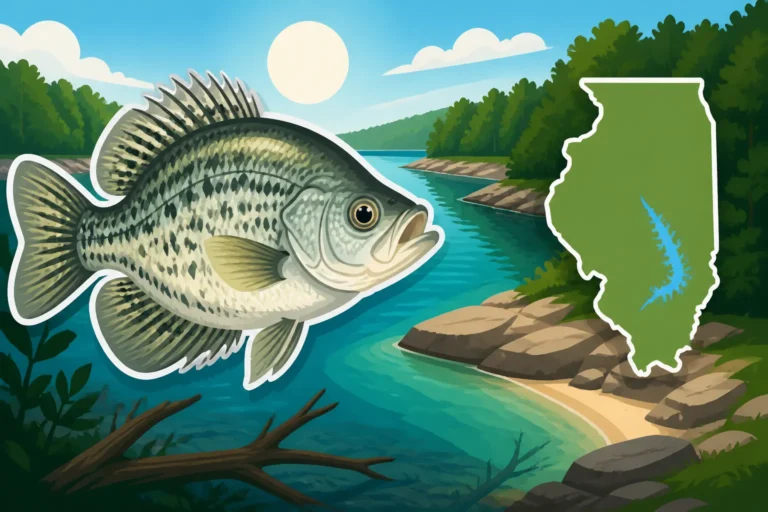
What does this mean for the fish? Well, during the colder months, when other lakes in Illinois are freezing over or have water temperatures plummeting into the 30s and 40s, the discharge area at Clinton Lake can remain significantly warmer, sometimes by 10 to 20 degrees Fahrenheit or more. This warmer water acts like a magnet for all sorts of fish species, from largemouth bass and crappie to various panfish and, of course, a healthy population of catfish. Fish are cold-blooded creatures, and warmer water keeps their metabolism higher, which means they're more active and, crucially, they need to eat more frequently. Imagine it: while other anglers are bundled up, waiting for spring, you could be out there experiencing some surprisingly consistent bites, particularly for species that thrive in slightly elevated temperatures. This is especially true for winter bass fishing, where the warm water provides a crucial refuge and feeding ground.
General Shoreline Accessibility Challenges and Opportunities
While the warm water discharge creates incredible opportunities, Clinton Lake, like many larger reservoirs, can present its own set of challenges for bank anglers. A good portion of the shoreline is part of the Clinton Lake State Recreation Area, which offers excellent public access. However, some areas might be privately owned or simply too overgrown and difficult to reach on foot. This is where understanding the specific public access points near the power station becomes absolutely vital.
Many state parks or larger lake areas might have vast shorelines, but only a fraction are truly fishable without a boat. You might find yourself hiking through thick brush or encountering steep, unstable banks. This frustration is real, and it can deter even the most determined angler. However, at Clinton Lake, the areas closest to the power plant are often designed with public access in mind, precisely because of the unique draw of the warm water. This means easier parking, clearer bank access, and sometimes even designated fishing piers or platforms, which is a huge relief for those of us who prefer to keep our feet on solid ground. It’s worth noting that while some guides might focus on boat fishing, the beauty of Clinton Lake for a shore angler is precisely these concentrated, accessible hotspots. If you ever want to explore other parts of the lake or other Illinois fishing spots, platforms like FishingBooker can help you find local guides for boat-based trips, offering a different perspective when you're ready to venture out beyond the banks.
Prime Shore Fishing Spots Near Clinton Power Station
Now, let's get down to the nitty-gritty: where exactly should you cast your line from shore near the Clinton Power Station? This area offers several distinct opportunities, each with its own advantages.
The Warm Water Discharge Canal and Adjacent Banks
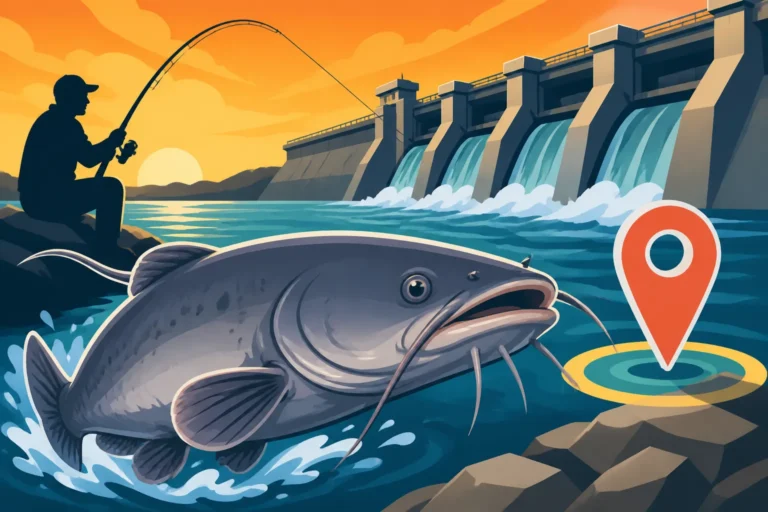
The most famous, and for good reason, is the warm water discharge canal itself. This is the direct outlet where the heated water flows back into the main body of the lake. It's often marked by visible steam rising from the water on a cold morning, making it easy to spot!
- Access Points: There are public access points along both sides of this canal, though the western bank is generally more developed and easier to navigate. You'll find parking areas within the Mascoutin Recreation Area that provide a relatively short walk to the canal banks. Be mindful of posted signs and restricted areas, as this is an industrial site, and safety is paramount.
- What to Expect: The water in the canal can have a noticeable current, especially close to the outlet. This current brings food and oxygen, attracting a wide variety of fish. You'll often find schools of baitfish congregating here, which in turn draws in predators. Largemouth bass are a prime target, often holding in eddies or along the current breaks. Crappie will suspend in the warmer water, sometimes in surprisingly large numbers. Channel catfish and flathead catfish are also drawn to the warmer, food-rich environment, particularly after dark or during low-light conditions. Panfish like bluegill and sunfish will also be plentiful, offering a great option for a relaxed day or for fishing with kids.
- Technique Tips: For bass, casting crankbaits or spinnerbaits parallel to the bank, letting the current work them, can be highly effective. Soft plastics rigged Texas or Carolina style can be worked slowly along the bottom near current breaks. For crappie, small jigs (1/16 to 1/8 oz) under a bobber, or even just tight-lined, are excellent choices. Tipping jigs with a minnow or a small plastic grub will increase your chances. For catfish, a classic bottom rig with cut bait, chicken liver, or shrimp will usually do the trick, cast into deeper pockets or current seams. Remember to check the Illinois Fishing Regulations Overview for statewide rules, but always double-check specific Clinton Lake regulations as they can differ.
Mascoutin Recreation Area's Shoreline Access
Just south of the discharge canal, the Mascoutin Recreation Area provides extensive shoreline access that benefits from the warmer water influence, even if it's not directly in the roaring current of the canal itself. This area offers a bit more variety in terms of structure and less intense current, which can be appealing for different fishing styles.
- Access and Facilities: Mascoutin is well-equipped with parking, picnic areas, and often cleaner, more open bank fishing spots. It’s a great family-friendly option. From here, you can fish along broader coves and points that transition from the discharge channel into the main body of the lake.
- Target Species and Conditions: While the immediate canal is known for its intense action, Mascoutin's shoreline offers excellent opportunities for bass, crappie, and panfish in calmer waters. The slightly cooler, yet still elevated, temperatures here can make fish less aggressive but perhaps more predictable. Look for submerged timber, rock piles, or weed lines (if present) as these will hold fish. During the spring and fall, when water temperatures are more moderate across the lake, the Mascoutin area can still be fantastic for pre-spawn and post-spawn patterns, as fish move in and out of the warmer discharge zone.
- Fishing Strategies: For bass, try working lipless crankbaits, jigs, or Texas-rigged worms along points and drop-offs. For crappie, vertical jigging around any visible cover or casting small plastics can be productive. Bluegill and other panfish will readily take a small worm or crickets under a bobber, especially near brush.
The Public Access Points Along the West Side of the Discharge
While the Mascoutin area typically refers to the southern and eastern banks, there are often less-traveled public access points along the western side of the discharge area, particularly where the canal widens into the larger lake. These spots can offer a different perspective and might be less crowded, especially during peak times.
- Finding These Spots: These might require a bit more exploring on foot, but usually involve pulling off at designated parking spots or public access points along the park roads. Look for areas with a gentle slope down to the water and any visible structure like old roadbeds or rock outcroppings.
- Advantages and Species: Fishing these western banks can put you in prime position to intercept fish moving in and out of the discharge channel. Often, the current here is less pronounced than in the canal itself, allowing for a wider range of techniques. You might find larger bass here, especially those looking for an easy meal as baitfish are swept out of the canal. Walleye and sauger, while not as commonly targeted from shore at Clinton, can sometimes be picked up in these areas, especially where there are deeper drops or current breaks. For a different type of outing,
FishingBookeralso lists guides who specialize in finding specific species, which could be helpful if you’re looking to target a particular fish like walleye. - Effective Tactics: Think about ambush points. Cast spinnerbaits or shallow-running crankbaits over flats adjacent to deeper water. Jigs tipped with minnows are excellent for any predatory fish. Pay attention to the wind, too; a light breeze blowing into these coves can stack up baitfish and, consequently, game fish.
Essential Gear and Techniques for Clinton Lake Shore Fishing
You've got the spots, now let's talk about the tools. Shore fishing at Clinton Lake, especially near the warm water discharge, requires a thoughtful approach to gear and techniques.
Recommended Rods, Reels, and Line for Varied Species
Versatility is key when you're limited to shore access and might encounter a wide array of fish. You don't want to drag five different setups down the bank!
- All-Around Spinning Setup: A 6'6" to 7' medium-light or medium action spinning rod paired with a 2500 or 3000 series reel is a fantastic starting point. This setup is light enough for panfish but has enough backbone to handle a decent bass or catfish. Spool it with 8-12 lb monofilament or fluorocarbon, or if you prefer the sensitivity and casting distance, a 15-20 lb braided line with a fluorocarbon leader. This combo is perfect for casting jigs, bobber rigs, and lighter lures.
- Heavier Baitcasting or Spinning Setup (Optional): If you're serious about targeting bigger bass or heavier catfish, a 7' medium-heavy action rod with a baitcasting reel (or a larger 4000 series spinning reel) spooled with 15-20 lb mono or 30-50 lb braid would be a good addition. This gives you more power for casting heavier baits and wrestling larger fish out of cover.
- Line Choice Considerations: In the often clear waters of Clinton Lake, fluorocarbon leaders are a smart choice for their low visibility. The warmer water can sometimes mean more active fish that are less shy. However, on bright, clear days, a subtle presentation can make all the difference. Always be ready to adjust your line and leader based on water clarity and fish activity. Remember to carry line clippers, pliers, and a small first-aid kit in your tackle box. For a full rundown of useful items, check out Shore Fishing Gear for Illinois Anglers.
Effective Baits and Lures for Warm Water Fishing
The consistent warm water in the discharge area means fish are often in a feeding mood, but presentation still matters.
- Live Bait is King (Often): For panfish, crappie, and catfish, live bait is incredibly effective. Worms (nightcrawlers, redworms), minnows, and crickets are perennial favorites. Minnows are especially deadly for crappie and white bass. For catfish, stink baits, cut shad, chicken liver, or even hot dogs will usually get attention.
- Soft Plastics: Texas-rigged worms, Senkos, creature baits, and jigs with grub bodies are excellent for bass. Work them slowly along the bottom or near any structure. The warmer water means bass might be a bit more active, so a faster retrieve can sometimes trigger a strike. Colors like green pumpkin, black and blue, or junebug are always reliable.
- Crankbaits and Spinnerbaits: These are great search baits, especially for bass in the discharge current. Shallow-running crankbaits in shad patterns or chartreuse work well. Spinnerbaits with willow leaf or Colorado blades can be retrieved slowly or burned through the water, imitating fleeing baitfish. These are particularly effective during low-light conditions or when fish are actively chasing bait.
- Jigs: Small marabou or plastic body jigs in white, chartreuse, or black are ideal for crappie and other panfish. Tipping them with a small minnow or a Crappie Nibbler often seals the deal. For bass, football jigs or pitching jigs worked near cover are always a good bet.
Seasonal Considerations for Fishing Near the Plant
While the warm water discharge provides a year-round advantage, the best times to fish near the plant still vary with the seasons.
- Winter: This is arguably the prime season for the discharge area. When other lakes are frozen, the open, warmer water at Clinton Lake becomes a fish haven. Bass, crappie, and catfish will stack up in the canal and adjacent warm coves. Focus on slow presentations and deeper holes. You’ll be surprised at the action you can find in January! Don’t forget to consider Clinton Lake's Warm-Water Spots for Winter Bass.
- Spring: As the rest of the lake warms up, fish will begin to spread out from the discharge, but the area remains highly productive. Pre-spawn bass and crappie will stage here before moving to shallower spawning grounds. Early spring can be fantastic for a feeding frenzy as fish prepare for the spawn.
- Summer: Even in summer, the discharge provides slightly warmer, well-oxygenated water that can attract fish, especially during periods of high heat when other areas of the lake might experience reduced oxygen levels. Early mornings and late evenings will be your best bet, or even night fishing for catfish.
- Fall: As lake temperatures drop, fish will once again migrate back towards the warmer waters of the discharge. This transition period offers some of the most consistent fishing of the year, as fish actively feed before winter sets in. Target points and channel swings. Understanding how Water Temperature and Fish Activity Guide helps you predict fish movement here is crucial.
Navigating Regulations and Safety at Clinton Lake
Fishing around an industrial site and in Illinois’s public waters always means being aware of the rules and staying safe.
Clinton Lake Specific Fishing Regulations
While the general Illinois Fishing License Guide for 2026 and Illinois Fishing Season and Catch Limit Rules apply statewide, individual lakes, especially cooling lakes like Clinton, often have site-specific regulations. These might include different length limits, daily creel limits, or even restrictions on certain bait types.
- Where to Find Them: Always check the current Illinois Department of Natural Resources (IDNR) Fishing Information Guide. These guides are usually updated annually and contain specific rules for individual lakes. You can often find them online on the IDNR website or pick up a physical copy at bait shops and state park offices.
- Examples: For instance, the length and daily catch limits for largemouth bass or crappie at Clinton Lake might differ from the statewide standard. It’s not uncommon for lakes to have specific slot limits to protect certain size classes of fish. Failing to know these rules can lead to fines, which is a sure way to ruin a good fishing trip. If you're targeting catfish, knowing the Illinois Channel Catfish Daily Limit Explained will be essential, as limits can vary by water body.
Safety Precautions Near the Power Plant Area
Fishing near a power plant comes with unique safety considerations that go beyond typical lake fishing.
- Respect Restricted Areas: The power station is an active industrial facility. Always obey all posted signs regarding access, trespassing, and restricted areas. Never venture into areas that are fenced off or clearly marked as off-limits. These rules are for your safety.
- Current and Water Depth: The discharge canal often has a strong current, and water depths can change rapidly. Be extremely cautious if wading or fishing close to the water's edge. Slippery banks and swift currents can be dangerous.
- Boat Traffic: While you're shore fishing, remember that boaters also frequent the discharge area. Be aware of your surroundings, especially if casting long distances, to avoid any conflicts with passing boats.
- Weather: As with any fishing trip, monitor weather conditions. The open areas around Clinton Lake can be exposed to wind and storms. High winds can make casting difficult and create hazardous conditions.
Clinton Lake, with its unique warm water discharge, truly offers a special opportunity for shore anglers in Illinois. By understanding the dynamics of the power plant's influence, knowing the prime access points, and coming prepared with the right gear and knowledge of local regulations, you can turn a potentially frustrating bank fishing experience into a consistently rewarding one. So grab your rod, pack your tackle, and head out to explore the productive waters near the Clinton Power Station!
Disclaimer
Fishing conditions and regulations in Illinois are subject to change. Always consult the latest Illinois Department of Natural Resources (IDNR) fishing regulations guide before your trip. The information provided in this guide is for general informational purposes only and should not be considered legal advice. Exercise caution and common sense when fishing, especially around industrial areas and natural bodies of water.