Illinois Walleye Stocked Lakes: Where IDNR Puts Fish Each Year
There's nothing quite like the thrill of feeling that distinctive walleye bite at the end of your line, but sometimes knowing where to even begin your search can be the biggest challenge. Many anglers, both seasoned veterans and eager newcomers, find themselves wondering if certain lakes are truly worth their time and effort when targeting these elusive, delicious fish. This guide is here to shed some light on the incredible efforts by the Illinois Department of Natural Resources (IDNR) to ensure healthy walleye populations, detailing the specific lakes where they regularly stock these prized fish and giving you a much clearer idea of where your next walleye adventure should take you.
Why the IDNR Stocks Walleye in Illinois Waters
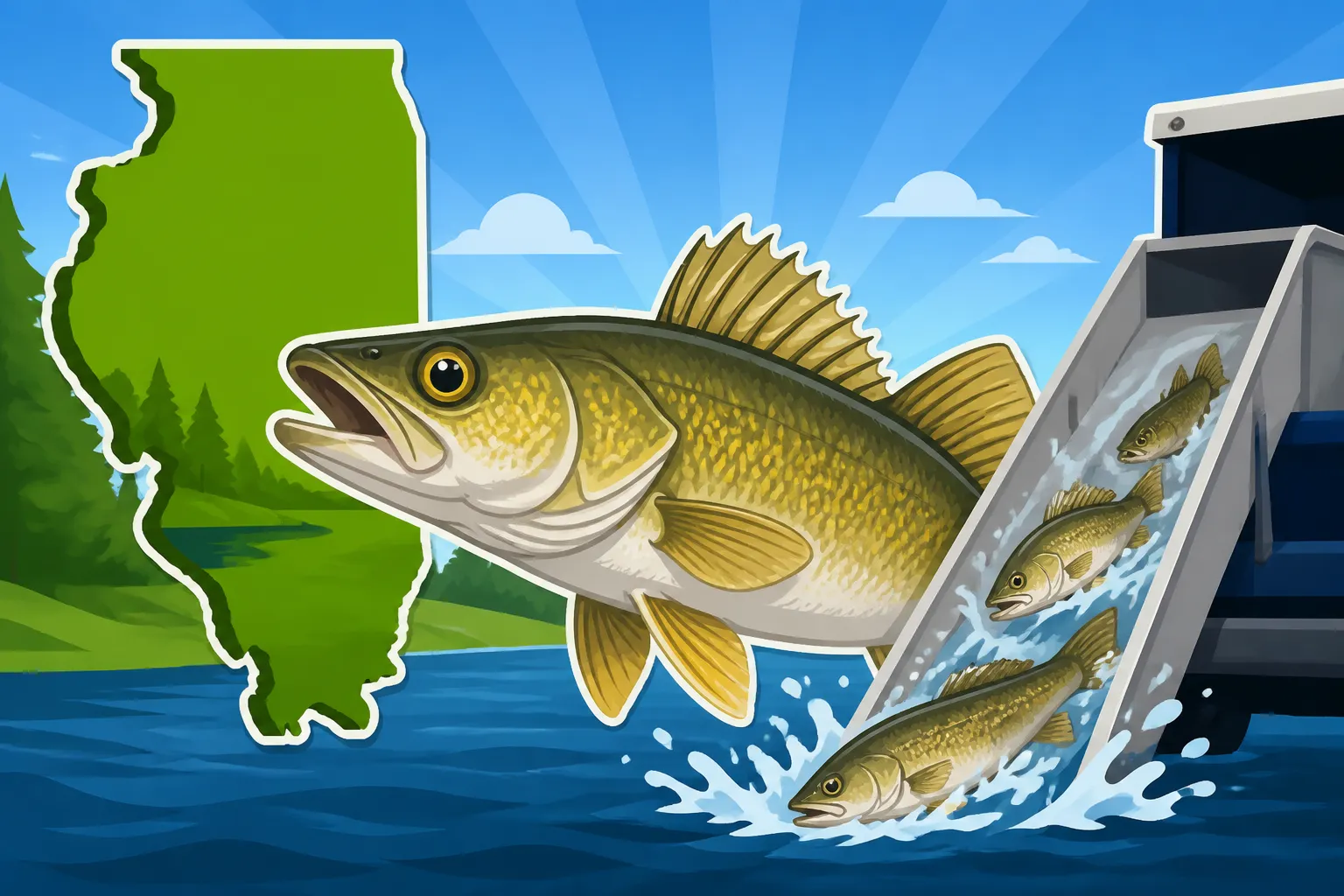
The idea of "stocked" fish often conjures images of hatchery trucks dumping fish, and while that's part of it, the reasons behind the IDNR's walleye stocking program are far more complex and crucial to our state's fisheries. It's not just about adding more fish; it's about intelligent fisheries management, ecological balance, and ensuring that future generations of anglers have the same, if not better, opportunities to catch walleye.
Supporting Natural Reproduction Challenges
Many of Illinois' lakes and reservoirs, while fantastic fishing spots, simply don't have the ideal natural conditions for walleye to reproduce successfully on their own. Walleye need very specific habitats for spawning, often preferring clean, rocky substrates with good current in rivers, or windswept shorelines in large lakes that can provide similar conditions. When these natural conditions are absent or limited due to siltation, altered water flows, or other environmental factors, the IDNR steps in. They raise walleye in hatcheries, often from eggs collected from healthy wild populations or broodstock, and then release them into designated waters once they've reached a size that gives them a better chance of survival. This strategic intervention helps to maintain a robust walleye population where nature alone might struggle, ensuring consistent fishing opportunities for all of us.
Enhancing Angler Opportunities and Economic Impact
Let's be honest, we all love to catch fish, and a healthy walleye population is a huge draw for anglers across the state and beyond. By regularly stocking walleye, the IDNR directly enhances our chances of success, which in turn boosts interest in fishing. This isn't just about fun; it has a real economic impact. More anglers mean more sales at local bait shops, more gas purchased, more nights spent in hotels, and more visits to tackle stores. These dollars support local communities and businesses, making the stocking program a vital part of Illinois' outdoor recreation economy. It's a win-win: we get to chase these fantastic fish, and our local economies get a little boost from our passion.
Key Illinois Lakes Known for Walleye Stocking
When you're dreaming of that next walleye dinner, knowing which lakes are consistently stocked by the IDNR is like having a secret map. While stocking efforts can shift year to year based on various factors, some Illinois lakes are perennial favorites and receive significant attention from the IDNR's walleye management programs. These are the waters where your odds of encountering a healthy walleye population are significantly higher, thanks to ongoing efforts to supplement natural recruitment.
Central and Northern Illinois Hotspots
Moving north and towards the center of the state, several lakes stand out for their walleye stocking programs. These waters provide diverse fishing experiences, from large reservoirs to smaller, more intimate lakes.
- Lake Shelbyville: Located in central Illinois, Lake Shelbyville is a massive reservoir known for its excellent multi-species fishing, and walleye are a significant draw here. The IDNR regularly stocks fingerling walleye into Lake Shelbyville, bolstering its already strong population. Anglers often find success targeting points, humps, and submerged timber, especially during the spring and fall migrations. The sheer size of this lake means there's always a new spot to explore, and the stocked fish contribute greatly to its reputation as a premier angling destination. For specific regulations, be sure to check Illinois Walleye Size and Catch Limits.
- Lake Decatur: This large municipal reservoir in Macon County is another consistent recipient of IDNR walleye stocking. Lake Decatur offers a unique fishing environment, with many residential areas alongside more natural shorelines. The stocked walleye here provide fantastic action, particularly around submerged structures, bridge pilings, and riprap. It's a popular lake for both boat and shore anglers, and the continuous stocking ensures a steady supply of fish for those willing to put in the time.
- Fox Chain O'Lakes: Up in northern Illinois, the Fox Chain O'Lakes, a series of interconnected lakes and rivers, benefits from regular walleye stocking. This extensive system offers incredible versatility for anglers, from deep main lake basins to shallow backwater channels. The walleye population here is a result of both natural reproduction and consistent stocking efforts, making it a fantastic destination for those seeking a diverse fishery. Understanding the current and water levels here is key to finding the schools of walleye that move through the system.
- Heidecke Lake: While perhaps not as large as Shelbyville, Heidecke Lake near Morris is unique because it's a cooling lake for a power plant, meaning its water temperatures are often warmer than other lakes, extending the fishing season. The IDNR stocks walleye here, and they thrive in the nutrient-rich waters. Anglers targeting walleye at Heidecke often focus on the discharge and intake areas, as well as the deeper main lake basin. The lake's clear waters can make for challenging but rewarding fishing.
- Shabbona Lake: Known as the "Muskie Capital of Illinois," Shabbona Lake also receives regular walleye stockings. This smaller, deeper lake in DeKalb County provides excellent habitat for both muskie and walleye. While you might be after a muskie, don't be surprised when a feisty walleye grabs your offering. The clarity of Shabbona's water often means a stealthier approach and lighter lines are more effective.
Southern Illinois Walleye Fisheries
Southern Illinois boasts some truly impressive reservoirs, many of which are key components of the IDNR's walleye stocking strategy. These lakes offer expansive waters and often provide longer fishing seasons due to the milder climate.
- Rend Lake: One of Illinois' "Big Three" reservoirs, Rend Lake in southern Illinois is a consistent recipient of IDNR walleye stockings. This vast, shallower lake is known for its incredible crappie and bass fishing, but the walleye population is also robust and offers fantastic opportunities, especially for those who enjoy trolling. The IDNR works hard to maintain a healthy walleye fishery here, and anglers often find them relating to the lake's extensive submerged timber and riprap shorelines. It's a fantastic place for a multi-day fishing trip, with plenty of amenities nearby. If you want to know how the fishing license year works, check out How the Illinois License Year Works.
- Carlyle Lake: As Illinois' largest man-made lake, Carlyle Lake is another cornerstone of the state's walleye stocking program. Its sheer size provides ample habitat, and the IDNR regularly introduces walleye fingerlings to supplement the population. Anglers at Carlyle often target the main lake points, submerged islands, and the riprap along the dam, particularly during windy conditions that can concentrate baitfish. The lake's vastness means you can often find solitude, even on busy days, and the consistent stocking ensures a promising walleye bite.
Here's a quick look at some of the key walleye stocked lakes in Illinois:
| Lake Name | Region | Primary Features / Walleye Notes | Typical Walleye Forage |
|---|---|---|---|
| Lake Shelbyville | Central | Large reservoir, diverse structure, points, humps, submerged timber | Shad, shiners, panfish |
| Rend Lake | Southern | Large, shallower lake, extensive timber, excellent trolling opportunities | Shad, crappie, bluegill |
| Carlyle Lake | Southern | Illinois' largest man-made lake, vast open water, main lake points, riprap | Shad, emerald shiners |
| Lake Decatur | Central | Urban reservoir, bridge pilings, riprap, submerged structures | Shad, minnows, small panfish |
| Fox Chain O'Lakes | Northern | Interconnected lakes & rivers, diverse habitats, current breaks | Minnows, perch, shiners |
| Heidecke Lake | Northern | Cooling lake, warmer temps, discharge areas, main lake basin | Shad, shiners |
| Shabbona Lake | Northern | Deep, clear lake, excellent habitat, often targeted near muskie spots | Shad, minnows, panfish |
How to Find the Latest Walleye Stocking Information
You've heard about these fantastic lakes, and now you're probably wondering, "How can I get the most up-to-date information before I hit the water?" Relying on a yearly stocking schedule for walleye can be a little tricky because, let's be honest, Mother Nature doesn't always stick to our plans, and stocking numbers can vary. However, there are some truly reliable ways to stay informed and maximize your chances of finding those newly released or well-established walleye populations.
Official IDNR Resources
The Illinois Department of Natural Resources (IDNR) is your absolute best friend when it comes to official stocking information. They maintain detailed records and often publish summaries or reports that can give you insights into their efforts.
- IDNR Website: The primary and most authoritative source for stocking data is the official IDNR website. While they may not post real-time updates for every single release, they typically provide annual stocking reports or press releases detailing which species were stocked, into which lakes, and in what quantities. It might take a little digging, but looking for their fisheries management reports or news section related to fish stocking will usually yield the most accurate historical and planned information. This is often the first place fisheries biologists themselves will direct you.
- Annual Fishing Guides: The IDNR's annual Illinois Fishing Information Guide usually contains a wealth of knowledge, not just on regulations but often on the health of various fisheries, including stocking efforts for key species like walleye. While it's a general guide, it can give you a good overview of the state's management priorities and which lakes consistently receive attention. Remember, Illinois Fishing Information Guide Covers April 2026 Through March 2027, so it's always worth reviewing the most current edition.
Local Knowledge and Community Engagement
While official sources are paramount, combining that information with local insights can be a game-changer. The fishing community in Illinois is passionate and often very helpful, sharing their experiences and observations.
- Local Bait and Tackle Shops: These places are goldmines of real-time, ground-level information. Shop owners and employees often hear directly from anglers, and sometimes even from IDNR staff, about recent stockings or where the fish are biting. They can tell you what baits are working best, recent water conditions, and if there's been any buzz about a fresh batch of walleye hitting the lake. Don't be shy; strike up a conversation!
- Online Fishing Forums and Social Media Groups: Illinois has a vibrant online fishing community. Joining local fishing forums or Facebook groups dedicated to Illinois fishing can connect you with hundreds, if not thousands, of fellow anglers. People frequently share reports, photos, and even news about stocking events. Just remember to take everything with a grain of salt and cross-reference information when possible, as not all online chatter is 100% accurate. It's a great way to gauge current conditions and get tips on Best Bait for Walleye in Cold Water or Best Walleye Lures for Cold Water.
- State Park Offices and Lake Management Staff: If you're heading to a state park lake, the park office staff or lake managers often have a finger on the pulse of what's happening. They might not have stocking dates memorized, but they can certainly tell you about the health of the fishery and if walleye are a commonly targeted species.
Tips for Fishing Stocked Walleye Lakes
So, you've done your homework, found a promising stocked walleye lake, and now it's time to hit the water! Catching walleye, even in stocked lakes, is rarely a simple affair. These fish are often quite cunning, and understanding a few key strategies can significantly improve your success. It's about combining knowledge of their behavior with the right gear and techniques.
Timing Your Trip
Walleye, like most fish, have predictable patterns based on seasons, weather, and time of day. Knowing when to go can be as important as knowing where.
- Spring and Fall are Prime: Generally, spring and fall are the most productive times for walleye fishing in Illinois, especially in stocked lakes. In spring, as water temperatures rise, walleye move shallower to spawn (even if it's not successful natural spawning, the urge is still there), making them more accessible. Look for them around rocky points, riprap, and shallow flats. Fall sees them aggressively feeding to bulk up for winter, often congregating on deeper structure or following baitfish into shallower bays. Best Time of Year to Catch Walleye is crucial research.
- Low Light Conditions: Walleye are known for their light-sensitive eyes, which means they often feed most actively during low light conditions. Dawn, dusk, and even night fishing can be incredibly productive. Overcast days can also extend their active feeding periods throughout the day. If you're hitting the water on a bright, sunny day, focus on deeper water or areas with more cover where walleye might retreat from the direct sunlight.
- Post-Stocking Adjustment: If you know a lake has just been stocked, the fish might be a bit disoriented or less aggressive initially. Give them a few days or a week to acclimate to their new environment before expecting hot and heavy action. Once they settle in, they'll resume their feeding patterns.
Effective Techniques and Baits
Stocked walleye often have a preference for certain presentations and baits. While every lake is different, these tried-and-true methods are a great starting point.
- Jigging is King: Whether from a boat or shore, jigging is an incredibly effective technique for walleye. Use jigs tipped with live bait like minnows or leeches, or soft plastic swimbaits and grubs. Vary your jigging retrieve until you find what the fish prefer – sometimes a slow drag works, other times a sharp snap and fall is key. Walleye Jigging Techniques are essential to master. When fishing from the bank, a reliable rod and reel combo, easily found on Amazon, will make a big difference in casting distance and sensitivity.
- Trolling with Crankbaits: For larger, open water lakes like Rend or Carlyle, trolling crankbaits is a highly popular and effective method. Use a variety of lure sizes and colors, experimenting with different depths until you find the walleye's preferred zone. Lead core line, downriggers, or planer boards can help you present baits precisely at desired depths, particularly important when targeting walleye that might be suspended over deeper water. Learning Walleye Trolling Techniques can unlock a lot of success.
- Live Bait Rigs: Sometimes, nothing beats live bait. A simple slip bobber rig with a lively minnow or leech can be deadly, especially when fishing near structure or current breaks. Bottom-bouncing rigs with nightcrawlers or minnows are also very effective, particularly when fish are holding tight to the bottom. Make sure to use light enough tackle to detect those subtle walleye bites. Having a good aerated bait bucket, like those you can find on Amazon, will keep your minnows active and enticing.
- Match the Hatch (or the Stocking): Pay attention to what the IDNR is stocking. If they're putting in smaller fingerlings, walleye might be more accustomed to feeding on smaller baitfish. If larger "advanced fingerlings" or yearlings are stocked, they might be after bigger meals. Ask local bait shops what the predominant forage is in the lake you're fishing. Having a range of lure sizes, from small jigs to larger crankbaits, will allow you to adapt. Don't forget the basics like a sturdy landing net and a good pair of pliers for removing hooks safely. These essential items are easily found and compared on Amazon, ensuring you're ready for that trophy walleye.
Respecting Regulations and the Resource
Always, always double-check the specific regulations for the lake you are fishing. While there are statewide regulations, many lakes have site-specific rules regarding size limits, daily creel limits, and even tackle restrictions. These rules are put in place by the IDNR to protect the fishery and ensure its long-term health, especially for stocked populations. By following these rules, you're doing your part to ensure that these incredible walleye fishing opportunities continue for years to come. A reliable fish finder can make a huge difference, especially when you're trying to locate schools of stocked walleye in deeper water. There are many great models available, and you can often find good deals on platforms like Amazon.
Disclaimer
This article is for general informational purposes only and does not constitute professional advice. Laws, prices and regulations vary by location and change over time. Consult a qualified professional for guidance on your specific situation.