How the Illinois License Year Works
There’s nothing quite like the excitement of planning a fishing trip to one of Illinois's fantastic lakes or rivers. You’ve got your gear ready, maybe even picked out some new lures, and then it hits you: "Is my fishing license still good?" That moment of doubt, wondering if your permit is expired, can really put a damper on your enthusiasm. It's a common point of confusion for many anglers, both new and seasoned. This comprehensive guide is here to untangle all the intricacies of the Illinois fishing license year, making sure you understand exactly when your license starts, when it ends, and how to stay legal on the water without a hitch.
Understanding the Illinois Fishing License Calendar
Many states have unique systems for their fishing licenses, and Illinois is no exception. It’s not simply a matter of your license being valid for 365 days from the purchase date. Our state operates on a fixed calendar for annual licenses, which is super important to keep in mind when you're planning your angling adventures.
The April 1st Annual Cycle
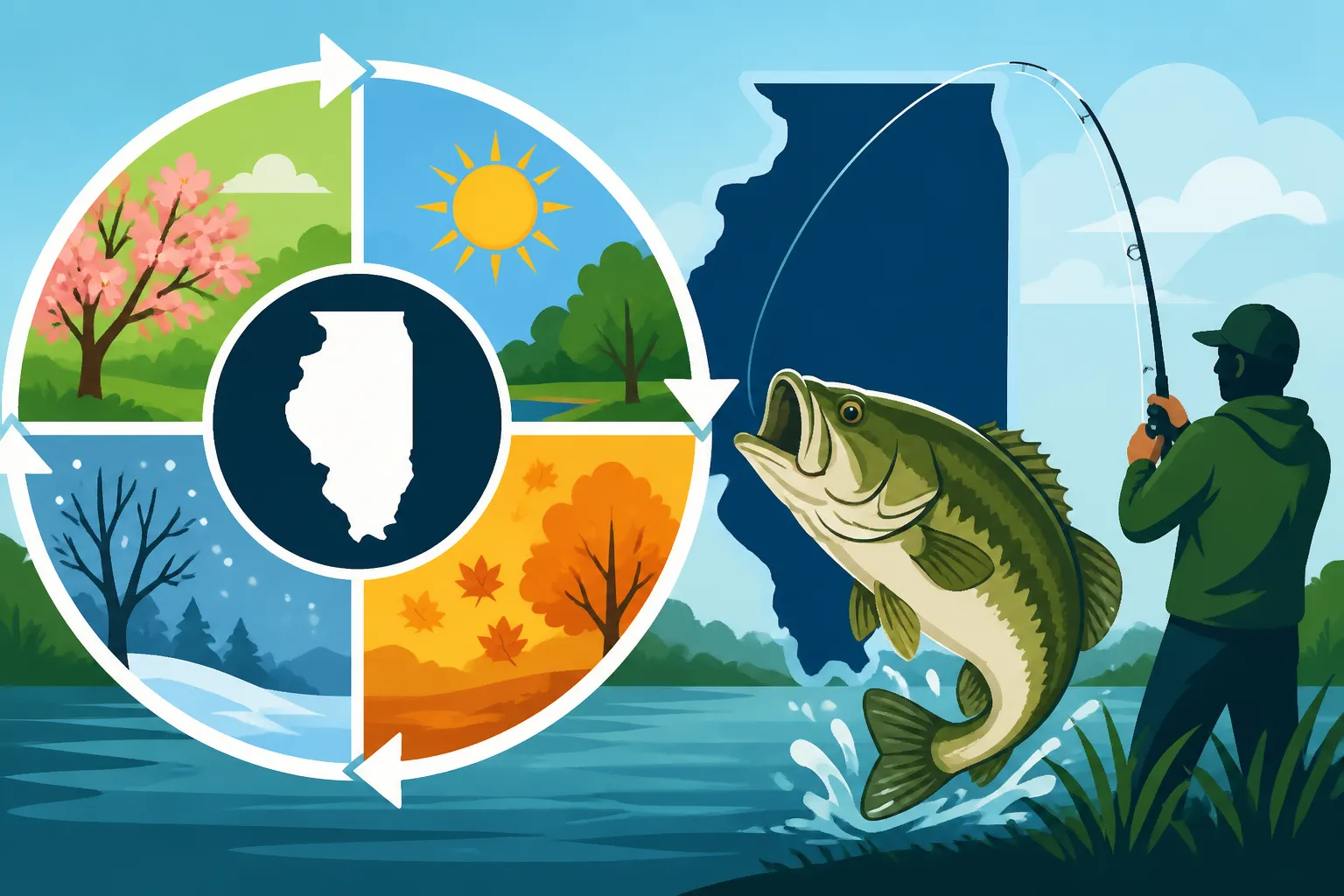
For annual fishing licenses in Illinois, the validity period runs from April 1st through March 31st of the following year. This consistent cycle means that no matter when you purchase your annual license within that window, it will always expire on March 31st. So, if you buy your license in July, it’s good until the following March 31st. If you wait until February to purchase, it’s still only valid until March 31st – which, let's be honest, can feel a bit like you're not getting your full money's worth if you buy late in the season! However, new licenses for the upcoming year typically become available for purchase in early March, giving you a head start to prepare. This overlap is why you might see titles like "Illinois Fishing License Year Starts on March 1, 2026" – it often refers to the availability date, not the validity start date.
This fixed date system is designed to streamline renewals and enforcement across the state. It allows the Illinois Department of Natural Resources (IDNR) to manage licenses efficiently and provides a clear cutoff for everyone. Understanding this cycle is the first step in avoiding any unexpected issues when you're out on the water. It’s also why you’ll often hear experienced anglers talk about "the new license year" starting in spring, perfectly aligning with the popular opening of many fishing seasons across Illinois. You can find more details about these timelines in our guide on How the Illinois License Year Works.
Why the Fixed Date Matters
The fixed April 1st to March 31st cycle for Illinois fishing licenses carries significant implications for every angler. First and foremost, it’s about compliance. Having an expired license can lead to fines and other penalties, which we'll delve into shortly. Knowing this calendar helps you budget for your annual fishing expenses and ensures you're prepared for the upcoming season. Imagine planning a spring crappie trip in mid-April, only to realize your license from the previous year expired at the end of March! This is a real frustration many of us have faced.
Moreover, this consistent schedule plays a role in how the IDNR manages its programs, from fish stocking to habitat conservation. The revenue generated from license sales, aligned with this annual cycle, directly supports these vital efforts that make Illinois fishing so enjoyable. For us anglers, it simply means one less thing to worry about if we just make it a habit to renew our licenses sometime between March and early April. It’s like a spring cleaning for your tackle box, but for your legal fishing status!
What Happens When Your License Expires?
It's easy to get caught up in the excitement of a fishing trip, especially when the weather finally breaks in spring. But forgetting about your license renewal can turn a relaxing day into a stressful encounter with the law. We've all heard stories, or maybe even experienced the slight panic, of realizing our license might be out of date.
Consequences of Fishing Without a Valid License
Let's not sugarcoat it: fishing without a valid Illinois fishing license is a violation of state law. If a Conservation Police Officer (CPO) checks your license and finds it expired or non-existent, you could face some serious consequences. The penalties for fishing without a license in Illinois typically start with fines, which can vary depending on the specific circumstances and location. However, in some cases, it can escalate to misdemeanor charges. Beyond the immediate financial hit, there's the inconvenience and potential embarrassment of having your fishing equipment confiscated, or being asked to leave the water immediately.
CPOs are out there doing their job, ensuring everyone is following the rules that protect our natural resources and maintain fair fishing practices. They have the authority to check licenses at any time, whether you're casting from a pier on Lake Michigan, enjoying a quiet afternoon on Rend Lake, or drifting down the Mississippi River. They’re not there to ruin your day, but to enforce regulations that ultimately benefit all of us. Trust me, it’s much easier to just ensure your license is current than to deal with the aftermath of being caught without one.
The Importance of Timely Renewals
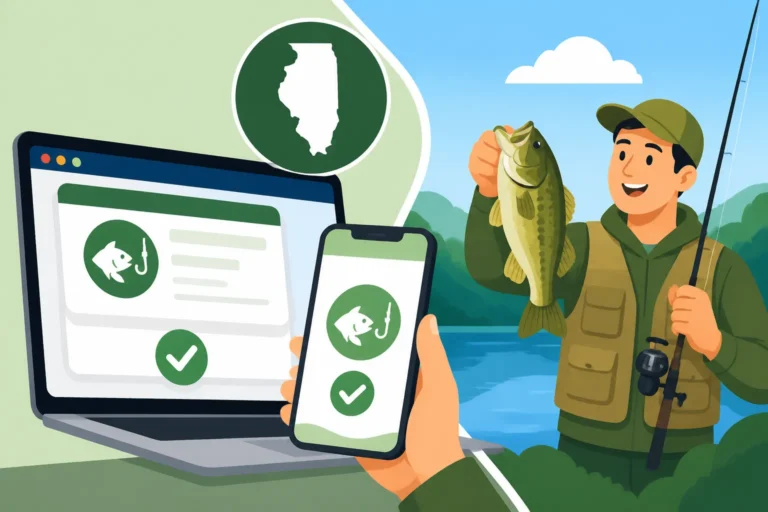
Given the potential headaches of an expired license, the importance of timely renewals cannot be overstated. Thankfully, renewing your Illinois fishing license is a straightforward process designed for convenience. You can renew online through the IDNR website, which is often the quickest and easiest method. Just a few clicks, and you're good to go, often receiving an immediate digital copy you can save on your phone. Many sporting goods stores like those that you find on Amazon, bait shops, and even some government offices also offer in-person renewal services. This flexibility means there’s really no good excuse for letting your license lapse.
Making license renewal a habit each spring, perhaps right around the time you're starting to think about your first post-winter fishing trip, is a great strategy. Set a reminder on your phone for early March, or even mark it on your calendar. Knowing your license is valid provides immense peace of mind, allowing you to focus entirely on the joy of fishing, the thrill of the bite, and the beauty of Illinois’s outdoors. Think of it as investing in worry-free angling for the entire year.
Planning Your Fishing Trips Around the License Year
Understanding the April 1st to March 31st license cycle can significantly impact how you plan your fishing excursions throughout the year, especially during the transitional periods of late winter and early spring. These are often prime times for certain species, and you don't want to miss out due to an expired license.
Early Spring Fishing Considerations
Spring in Illinois is when many anglers feel that undeniable pull back to the water. The ice is melting, the days are getting longer, and fish like crappie and bass begin to become more active. This period, specifically late March and early April, straddles two different license years. If you're heading out in the last few days of March, your current license is still valid. However, if your trip extends into April 1st, or you're planning your first outing of the season in April, you absolutely need your new license for the upcoming year.
It's a common oversight, particularly for those who might only fish a few times a year. Many eager anglers head out on April 1st, ready for the action, without realizing their previous year's license is now invalid. Avoid this by renewing your license in March, as soon as they become available. That way, when the new license year officially begins on April 1st, you’re already covered and ready to enjoy some fantastic spring fishing. This is particularly relevant for species like crappie, which can be fantastic to catch in spring as they move into shallower waters for their spawn.
Late Winter Fishing and the Transition
For the truly dedicated anglers who brave the colder months, late winter offers some unique opportunities. Ice fishing, for instance, can extend well into March in northern Illinois, and even open-water fishing for species like walleye or panfish can be productive as the water temperatures slowly rise. During this time, from January through March, you're still operating under the previous year's license. Your license purchased anytime from the previous April 1st up until that point is valid until March 31st.
This means you can continue to enjoy those late-season bites without having to worry about a new license… yet. However, this is also the perfect time to start thinking about renewing for the upcoming season. As early March rolls around, new licenses for the next year become available. It’s an ideal opportunity to take care of the renewal while you're still focused on fishing, rather than letting it slip your mind amidst other spring activities. Being proactive ensures a seamless transition and continuous legal fishing.
Multi-Year Licenses and Lifetime Options
When you think about the annual renewal, it's natural to wonder if Illinois offers options for licenses that last longer than just one year. While true multi-year licenses in the traditional sense aren't commonly available, there are indeed ways to secure your fishing privileges for extended periods, or even for life.
Does Illinois Offer Longer-Term Licenses?
Unlike some other states that might offer 3-year or 5-year fishing licenses, Illinois primarily operates on the annual April 1st to March 31st cycle for its standard resident and non-resident licenses. This consistent annual renewal is the most common option. However, for those who aren't looking for a full year of fishing, Illinois does offer shorter-term options such as a 24-hour fishing license or a 3-day non-resident fishing license. These are incredibly convenient for quick trips or for visitors who are only in the state for a short period.
For example, if you're just passing through and want to spend a single afternoon fishing the Kankakee River, a 24-hour license is perfect and much more cost-effective than an annual one. Similarly, if you have out-of-state family visiting for a long weekend and they want to experience Illinois fishing, the 3-day non-resident option is a fantastic choice. These short-term licenses are valid for their specified duration from the exact date and time of purchase or activation, rather than adhering to the fixed April 1st to March 31st calendar.
The Long-Term Investment of a Lifetime License
For the truly dedicated Illinois angler, or for those who simply want to eliminate the annual hassle of renewal, the Illinois Lifetime Fishing License is an incredibly attractive option. This one-time purchase grants you fishing privileges for the rest of your life, freeing you from ever having to worry about an expired license again. While the initial cost of a lifetime license is a significant upfront investment, it quickly pays for itself over the years, especially if you're a consistent angler. You can explore the details of this option in our comprehensive Illinois Lifetime Fishing License Guide.
The benefits go beyond just convenience; it’s an investment in your passion. You never have to remember renewal dates, worry about price increases, or stand in line. It’s a set-it-and-forget-it solution that ensures you're always legal to fish in Illinois waters. This can be particularly appealing for younger anglers, where the lifetime license has many decades to "pay off." Imagine being able to fish for a lifetime without a single renewal notification – that’s the freedom a lifetime license offers, making it a hero for serious anglers.
Specific Scenarios and Common Questions
The Illinois fishing license year can sometimes present specific questions, especially for those new to the state or first-time license purchasers. Let's tackle a couple of common scenarios to ensure maximum clarity.
First-Time License Purchasers
If you're brand new to fishing in Illinois or have just moved to the state, the process of getting your first license can seem a bit daunting. However, it's quite straightforward. The first step is to determine which type of license you need – typically an annual resident fishing license if you're an Illinois resident, or a non-resident option if you're from out of state. You can purchase your license online via the IDNR website, at many retail vendors (like Walmart, Gander Outdoors, or local bait shops), or through the IDNR's regional offices. Our detailed guide on How to Get an Illinois Fishing License walks you through the entire process.
When you purchase your first annual license, remember that it still adheres to the April 1st to March 31st cycle. So, if you buy it in October, it’s good until the following March 31st. You’ll need to provide some basic personal information, including proof of residency if applicable. It's always a good idea to keep a digital or physical copy of your license with you when fishing. Many anglers simply screenshot their digital license on their phone for easy access.
Non-Resident License Year Differences
For our friends and family visiting Illinois from out of state, the license year operates on the same April 1st to March 31st calendar as resident licenses. However, there are key differences in cost and available options. As you might expect, non-resident licenses are generally more expensive than resident licenses. This is a common practice across states, as residents contribute to conservation efforts through various taxes and fees that non-residents typically do not. You can review the specifics in our Illinois Nonresident Fishing License Guide.
While annual non-resident licenses are available, many visiting anglers opt for the shorter-term options. The 3-day non-resident fishing license is incredibly popular, offering flexibility for a weekend trip without committing to a full year's expense. Like the 24-hour license, these short-term permits are valid for their specific duration from the time of purchase, not the fixed April 1st start date. Always double-check the specific requirements and costs for non-resident licenses to ensure you're compliant and ready to enjoy Illinois's diverse fisheries.
Here's a quick comparison of how some common Illinois fishing license types align with the license year:
| License Type | Validity Period | Purchase Availability | Key Consideration |
|---|---|---|---|
| Annual Resident Fishing License | April 1st – March 31st (following year) | Typically available early March | Covers a full year of fishing, regardless of purchase date. |
| Non-Resident Annual Fishing License | April 1st – March 31st (following year) | Typically available early March | Same validity period as resident, but at a higher cost for out-of-state anglers. |
| 24-Hour Fishing License (Resident/Non-Resident) | 24 hours from selected start time/date | Anytime | Ideal for brief, spontaneous fishing trips. |
| 3-Day Non-Resident Fishing License | 3 consecutive days from selected start time/date | Anytime | Flexible for visitors on a short stay; often more cost-effective than annual for non-residents. |
| Lifetime Fishing License | For the rest of your life | Anytime | One-time payment, eliminates annual renewal worries and future price increases. |
Navigating License Renewal Options
The thought of renewing a license can sometimes feel like a chore, but Illinois has made it incredibly simple to ensure you stay legal on the water. Whether you prefer the speed of the internet or the personal touch of a local shop, you have great options.
Online Renewal Convenience
In our increasingly digital world, renewing your Illinois fishing license online has become the most convenient method for many anglers. The Illinois Department of Natural Resources (IDNR) website provides a user-friendly platform where you can quickly purchase or renew your license from the comfort of your home, even on your phone. All you need is your personal information, a valid credit card, and often your previous license number if you're renewing. For further guidance, check out our article on Renewing an Illinois Fishing License Online.
Once purchased, you'll typically receive an immediate email confirmation with a digital copy of your license. You can print this out, or simply keep it on your smartphone to show to a CPO if requested. This eliminates the need to carry a physical card, though many still prefer to print a copy and keep it laminated in their wallet or tackle box. The online system is generally available 24/7, meaning you can renew your license whenever it's most convenient for you, without rushing before a bait shop closes. This convenience ensures that you can literally renew your license the night before a trip, or even from the bank of a lake if you suddenly realize it's expired (though we don't recommend waiting until the last minute!).
In-Person Purchase Locations
For those who prefer a more traditional approach, or simply enjoy the experience of visiting a local fishing hub, there are numerous in-person locations where you can purchase or renew your Illinois fishing license. These include a vast network of authorized vendors across the state, such as sporting goods stores, bait and tackle shops, and even some department stores. Retailers like Walmart and Gander Outdoors are common places, but don't forget your local, independent bait shops. They're often treasure troves of local knowledge, and buying your license there supports a small business that caters directly to anglers.
When purchasing in person, you'll need to provide similar personal identification, and the staff will assist you with the process. You'll walk out with a physical copy of your license right away. This option is great for those who might have questions, need assistance with the process, or simply enjoy the community aspect of visiting a fishing-oriented store. Plus, you can often pick up some bait, lures, or other essentials for your trip while you’re there. You might even find some highly-rated gear on Amazon that matches what you saw in the shop. No matter your preference, Illinois provides ample opportunities to ensure your fishing license is always current, letting you focus on the fish, not the paperwork.
Disclaimer: Fishing regulations, license requirements, and fees in Illinois are subject to change. Always consult the official Illinois Department of Natural Resources (IDNR) website or their current fishing guide for the most up-to-date and accurate information before heading out on your fishing adventures.