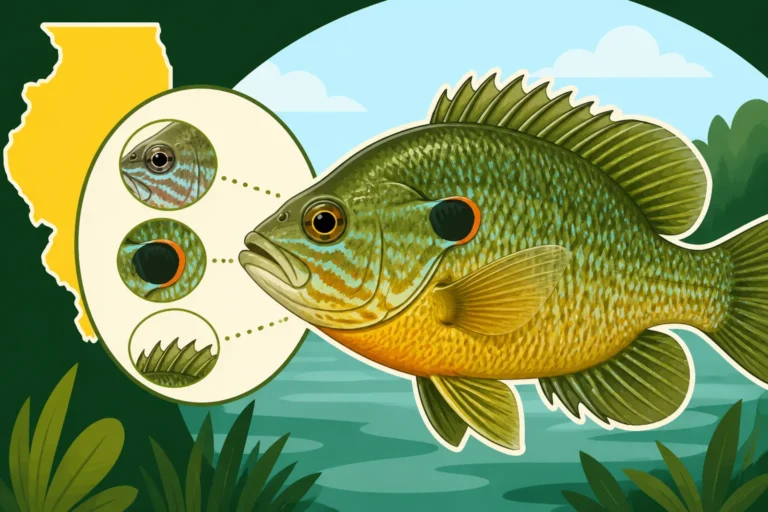
Illinois State Record Largemouth Bass: How Big Was It?
Every angler who's ever cast a line in Illinois waters has that dream: the tug on the line that feels different, the fight that tests your limits, and finally, the sight of a truly enormous fish. For many, that dream centers around the largemouth bass, and the thought of breaking the state record can feel like chasing a ghost. If you've ever wondered just how big Illinois's top largemouth bass truly was, and what it took to land it, you've come to the right place. This guide will take you through the incredible story of the Illinois state record largemouth bass, and what it means for aspiring trophy hunters today.
The Unbelievable Catch: What Was the Illinois State Record Largemouth Bass?
When we talk about state records, especially for a fish as revered as the largemouth bass, it's not just about a number on a scale. It's about a legend, a benchmark that inspires countless hours on the water. The Illinois state record largemouth bass is one of those legends, and its size often takes people by surprise.
The Record-Setting Weight and Location
So, what's the magic number? The current Illinois state record for largemouth bass stands at a truly monumental 13 pounds, 1 ounce. Just imagine that for a moment – a bass weighing more than a bowling ball, nearly as heavy as a small toddler! This incredible fish wasn't caught in some obscure, remote lake. It was pulled from a private lake in Marion County by an angler named Edward Stalhi, back in 1976. That's right, this record has stood for decades, resisting challenges from countless dedicated anglers across the state. It's a testament to the raw size potential that these fish can reach in prime conditions, and it certainly sets a high bar for anyone hoping to see their name in the record books.
A Benchmark for Generations of Anglers
The longevity of this record is truly remarkable. In a state with so many fantastic bass fisheries, from the sprawling reservoirs like Lake Shelbyville and Rend Lake to countless smaller ponds and rivers, you'd think someone would have bested it by now. But 13 pounds, 1 ounce is a beast, a true outlier. This record serves as a constant source of inspiration and, let's be honest, a bit of friendly frustration for anglers. Every time you hook into a particularly chunky bass, the thought inevitably crosses your mind: "Could this be it?" It pushes us to refine our techniques, to spend more time on the water, and to always respect the incredible potential that lies beneath the surface of Illinois's waters. It really makes you appreciate the rarity of such a catch, especially when you consider How Big Do Largemouth Bass Get in Illinois Lakes?.
The Story Behind the Monster Bass: More Than Just a Number
Every record-setting fish has a story, and the Illinois state record largemouth is no exception. It's not just about the final weight; it's about the circumstances, the angler's skill, and the careful process required to make a catch official.
The Angler and the Moment of Truth
Edward Stalhi's name is etched into Illinois fishing history for good reason. Imagine that day on the private lake in Marion County. What was the weather like? What lure did he choose? While many of the minute details of that exact catch have become part of angling lore, the core of it remains: a seasoned angler, a moment of opportunity, and a fish of a lifetime. Landing a bass of that size isn't just about getting it to bite. It involves a strong hookset, a controlled fight, and usually a careful net job or lip-grip. A fish of 13 pounds has immense power, and a single mistake – a frayed line, a loose knot, or a missed scoop with the net – could have easily let the monster slip away, consigning its legend to "the one that got away" status rather than the record books.
The Certification Process: Making it Official
Catching a giant bass is one thing; getting it officially recognized as a state record is another. The Illinois Department of Natural Resources (IDNR) has a very specific protocol for certifying state record fish, and for good reason. They need to ensure accuracy and prevent any dubious claims.
Here’s a general rundown of what's typically involved:
- Immediate Verification: The fish must be weighed on a certified scale, usually by a commercial establishment like a bait shop or grocery store, with witnesses present.
- Measurement: Accurate length and girth measurements are taken.
- Species Identification: An IDNR biologist or an approved expert must positively identify the species to ensure it's indeed a largemouth bass and not a hybrid or another similar species.
- Photos: Clear photographs of the fish, the angler, and the scale reading are often required.
- Paperwork: Detailed documentation, including affidavits and reports, must be completed and submitted to the IDNR.
This meticulous process ensures that when a record is set, it's undeniable. Edward Stalhi went through all these steps, ensuring his incredible catch was properly documented for posterity. It's a reminder that if you ever find yourself with a potential record-breaker, knowing these rules ahead of time is absolutely critical. You might even want to quickly check the current IDNR guidelines if you're out fishing a promising spot.
Why This Record Stands the Test of Time
Decades have passed since Edward Stalhi made his record catch, and yet, the 13-pound, 1-ounce largemouth bass remains king in Illinois. Why has this particular record been so resilient? It's a combination of biological factors, environmental conditions, and perhaps a touch of luck that all converged in one exceptional moment.
The Biology of a Giant Bass
Not every largemouth bass has the genetic potential to reach such an epic size. Just like people, fish have different growth rates and maximum sizes determined by their genetics. For a bass to hit 13 pounds, it needs superior genetics, allowing it to grow faster and larger than its peers. Beyond genetics, age is a huge factor. A bass of this size isn't a young fish; it's an old, mature specimen that has survived countless challenges from predators, anglers, and harsh environmental conditions. They've learned to be extremely wary and efficient hunters, which is why catching them becomes an even greater feat.
| Size Category | Typical Weight Range (Illinois) | Relative Rarity | Notes |
|---|---|---|---|
| Small Bass (keeper) | 1-2 lbs | Common | Fun to catch, good for the pan. |
| Medium Bass | 2-4 lbs | Frequent | Solid fish, good fight. |
| Large Bass | 4-7 lbs | Occasional | Trophy class for many anglers. |
| Giant Bass | 7-10 lbs | Rare | True big fish, very memorable. |
| State Record | 13 lbs, 1 oz | Extremely Rare | The fish of a lifetime, a true anomaly. |
Environmental Factors and Habitat
A trophy bass needs more than just good genes; it needs the perfect environment to thrive. This means a lake or pond with:
- Abundant Forage: A steady, plentiful supply of food is paramount. This includes smaller baitfish like shad, bluegill, and even smaller bass, as well as crayfish and frogs. A consistent, high-protein diet fuels that incredible growth.
- Stable Water Conditions: Consistent water temperatures, good water quality, and minimal pollution allow fish to grow without stress.
- Structure and Cover: Deep water, submerged timber, weed lines, rock piles, and points offer ambush points and refuge from predators and extreme weather. A big bass is a master of its domain, using cover to its advantage.
- Low Fishing Pressure: While the exact lake Edward Stalhi fished was private, generally, waters with less intense fishing pressure allow fish to grow older and larger without being caught and removed. Catch-and-release practices, especially for larger breeding fish, also contribute to a healthy, trophy-producing fishery.
The fact that this particular bass came from a private lake suggests it likely benefited from many of these ideal conditions, allowing it to reach its full, incredible potential without undue stress or harvest pressure. Learning about these conditions can definitely help you when you're exploring Best Fishing Spots in Illinois for your own quest.
Chasing Your Own Illinois Trophy Largemouth: Tips and Expectations
While the state record is an elusive dream, catching your personal best largemouth bass in Illinois is an achievable goal for any dedicated angler. It requires patience, skill, and an understanding of what makes these big fish tick.
Target the Right Waters
The first step to catching a big bass is fishing where big bass live. While Edward Stalhi's record came from a private lake, Illinois has numerous public lakes and reservoirs renowned for their trophy bass potential. Lakes like Lake Shelbyville, Rend Lake, Kinkaid Lake, and Lake of Egypt consistently produce largemouth bass in the 5 to 8-pound range, with occasional giants breaking the 10-pound mark. These lakes offer expansive habitat, plenty of forage, and management programs geared towards healthy bass populations. Do your research, check local fishing reports, and focus your efforts on these prime locations. You can also explore Best Bass Fishing Lakes in Illinois for more specific recommendations.
Gear Up for the Big Ones
You don't need to break the bank, but having appropriate gear for trophy bass is essential. A 13-pound bass will expose any weakness in your setup!
- Rod and Reel: Opt for a medium-heavy to heavy power baitcasting rod, typically 6'6" to 7'6" in length. Pair it with a durable baitcasting reel spooled with strong line, at least 15-20 lb fluorocarbon or monofilament, or 30-50 lb braided line for heavy cover. You'll find a wide selection of suitable Best Rods for Illinois Largemouth Bass on sites like Amazon.
- Line Strength: Don't skimp on line. Big bass in heavy cover can snap lighter lines like thread. Fluorocarbon is excellent for its sensitivity and invisibility, while braid offers incredible strength and abrasion resistance in thick vegetation or around timber.
- Lures: Big bass often prefer bigger meals. Focus on larger presentations:
- Jigs: Heavy jigs (1/2 oz to 1 oz) with bulky trailers can imitate crayfish or bluegill.
- Large Worms/Creature Baits: Texas-rigged or Carolina-rigged 7-12 inch plastic worms or creature baits are irresistible to bigger fish.
- Swimbaits: Large soft or hard swimbaits (5-8 inches) mimic larger baitfish.
- Deep-diving Crankbaits: These are great for targeting bass holding in deeper water or along ledges.
- Topwater Baits: Frogs, larger poppers, and walking baits can provoke explosive strikes from aggressive bass, especially during low light conditions.
- Net: A sturdy, large-hoop landing net is invaluable. Trying to hand-land a thrashing 8-pound bass is a recipe for disaster (and a lost fish).
Mastering Techniques and Timing
Catching trophy bass often comes down to understanding their behavior and adapting your approach.
- Fish During Peak Times: Big bass are often most active during low-light conditions – dawn, dusk, or even at night, especially in warmer months. Overcast days or before a storm can also be prime. Understanding Best Time of Year to Catch Bass in Illinois and specific seasonal patterns, like the Illinois Bass Pre-Spawn Fishing Patterns, is key.
- Target Structure and Cover: Big bass are ambush predators. Look for them around dense weed beds, submerged timber, rock piles, ledges, creek channels, and docks. These areas provide food, cover, and ambush points.
- Slow Down: While some situations call for fast retrieves, often, a slow, deliberate presentation is what coaxes a reaction strike from a wary, older bass. Let your jig soak, slowly crawl your worm, or pause your crankbait.
- Practice Catch and Release: If your goal is to catch a true trophy, consider practicing catch and release, especially for larger fish. These big fish are valuable breeders and contribute to the genetics of future trophy bass populations. The IDNR also has Illinois Largemouth Bass Length Limit and Daily Catch Rules that help manage populations.
- Patience and Persistence: Trophy bass fishing is not for the faint of heart. You might go many trips without a monster bite. But every cast is a chance, and persistence is often the key to that once-in-a-lifetime fish. Keep learning, keep adapting, and keep that dream alive!
This article is for general informational purposes only and does not constitute professional advice. Laws, prices and regulations vary by location and change over time. Consult a qualified professional for guidance on your specific situation.