Where to Catch Walleye in Illinois Rivers and Lakes
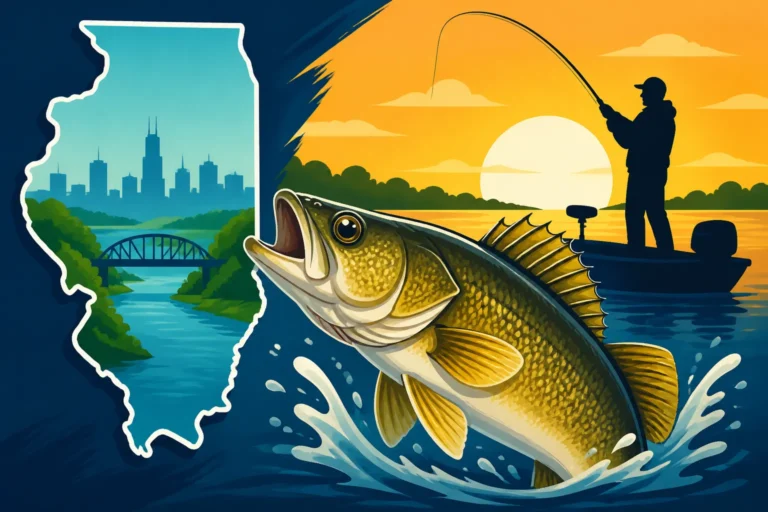
It can be incredibly frustrating trying to pinpoint the best spots for walleye in Illinois. Our state isn't often celebrated as a walleye mecca, and with so many lakes and rivers, it’s easy to feel overwhelmed wondering where to even cast your line for these elusive, delicious fish. This guide is here to cut through the confusion, offering a detailed breakdown of where walleye thrive across Illinois, from major rivers to quiet inland lakes.
Understanding Walleye Habitat in Illinois
Before we dive into specific locations, it's really helpful to understand what makes a spot attractive to walleye. These fish are often called "low light feeders" and they generally prefer cooler, deeper water with plenty of structure. Think rocky bottoms, submerged timber, humps, ledges, and areas with current breaks. They're also sight feeders, so clear to moderately stained water is often preferred over heavily turbid conditions, though they can adapt. Knowing this helps you pick out prime areas even on waters not explicitly mentioned.
Structure and Bottom Composition Preferences
Walleye are definitely structure-oriented fish. They love to relate to anything that offers cover or a break in the current, which allows them to ambush prey while conserving energy. This includes deep rock piles, gravel bars, sudden drop-offs, and even bridge pilings. You'll often find them hunkering down during bright daylight hours, seeking refuge from the sun in these deeper, darker spots. If a lake or river has a lot of diverse bottom composition – from hard rock to softer mud – those transitions can be real walleye magnets. Pay attention to contour maps, if you can get your hands on them, to identify these underwater highways and hideouts.
Current and Water Flow Dynamics
In river systems, current is a huge factor. Walleye are often found in areas where the current is present but not overwhelmingly strong. This means looking for eddies behind islands, current seams where faster water meets slower water, or deeper holes just downstream from riffles or rapids. The current brings food to them, and they position themselves strategically to capitalize on it. Even in large reservoirs, wind-driven currents can create similar feeding lanes, pushing baitfish and concentrating walleye along certain points or submerged ridges. Understanding these dynamics is key to anticipating their movements.
Light Conditions and Preferred Depths
As mentioned, walleye are sensitive to light. This is why you often hear about them being caught most actively at dawn, dusk, or even through the night. During the brighter parts of the day, they'll typically retreat to deeper water or dense cover to avoid the light. This often means anywhere from 15 to 40 feet in larger lakes, depending on water clarity and available structure. On cloudy days, or in stained water, they might be found shallower. Many anglers employ Night Fishing Techniques to target them when they are most active.
Illinois Rivers: Prime Walleye Territory
Illinois's river systems, particularly the larger ones, offer some of the most consistent walleye fishing opportunities in the state. The constant flow and diverse habitats create ideal conditions for these fish.
The Mighty Mississippi River
The Mississippi River is arguably Illinois's best walleye fishery, offering excellent opportunities for both quantity and quality. The river is vast and complex, with numerous backwaters, main channel borders, and wing dams that hold fish. The northern stretches, especially pool 12 near Galena and pool 13 near Clinton, Iowa, are famous for their walleye and sauger populations. Walleye here often relate to rocky bottoms and current breaks, especially around wing dams. You can find many anglers successfully employing Walleye Trolling Techniques in the main channel or using jigs and live bait around structure.
Further south, the middle Mississippi also holds good numbers of walleye, particularly below dams and where feeder creeks enter the main river. These fish are constantly on the move, following baitfish and seeking out favorable current conditions. Fishing the Mississippi requires a good understanding of river dynamics, but the rewards can be substantial, with many trophy-sized fish caught annually. Don't forget to check the Illinois Walleye Size and Catch Limits for the specific pool you plan to fish, as rules can vary.
The Illinois River System
The Illinois River, particularly its upper and middle sections, is another fantastic walleye destination. Towns like Starved Rock and Peoria are well-known hotspots. The river features a mix of deep pools, flats, and numerous backwater lakes that connect to the main channel. Walleye here often congregate in deeper holes, around bridge pilings, and on the edges of major current breaks. During the cooler months, you'll find them concentrating in these deeper areas, while in spring, they'll push shallower for spawning.
Many anglers find success jigging blade baits or lipless crankbaits along the channel edges or slow-trolling crankbaits in deeper sections. The Illinois River Fishing Guide has more in-depth information. The river's varying turbidity can influence walleye behavior, so experimenting with different lure colors and presentations is often necessary. A good fish finder can be an invaluable tool for locating these deeper channel edges and identifying submerged structure on the Illinois River. You can find a wide array of reliable fish finders, along with boat mounting options, on Amazon, making it easier to equip your vessel for these complex river systems.
Kankakee River and Fox River
While smaller than the Mississippi and Illinois, both the Kankakee River and the Fox River offer exciting, albeit sometimes more challenging, walleye fishing, especially for those seeking a more intimate river experience. The Kankakee River, with its rocky bottom and clear water in many sections, is a gem for smallmouth bass but also holds a respectable walleye population. Walleye here often relate to rock seams, current breaks around islands, and deeper pools. Kankakee River Fishing Guide in Illinois provides more details.
The Fox River, particularly the northern stretches, also has pockets of good walleye fishing. Look for them in deeper scour holes below dams, around rocky points, and in sections with noticeable current. These rivers often require a more finesse approach, using lighter jigs with live bait or small crankbaits. Access can sometimes be more limited than on the larger rivers, but for those willing to explore, there are certainly walleye to be found. Fox River Fishing Guide in Illinois is a great resource.
Large Illinois Lakes and Reservoirs
Illinois is home to several large reservoirs that, while often more famous for bass or crappie, also support healthy walleye populations. These lakes require different tactics than river fishing, often focusing on open water structure.
Lake Shelbyville
Lake Shelbyville is a massive reservoir known for its clear water and excellent fishing, and it’s definitely one of the top walleye lakes in Illinois. Walleye here love the main lake points, submerged humps, and vast flats that run along the original river channel. During the day, they'll often hold in 20-40 feet of water, especially during bright conditions. Trolling crankbaits or spinner rigs with nightcrawlers is a very popular and effective method on Lake Shelbyville. Key areas include the main lake points near the dam, the flats in the Lithia Springs and Sullivan areas, and the humps around the lake's central basin.
Finding the schools of baitfish, typically shad, is crucial here, as walleye will be nearby. A good depth finder is almost a necessity to locate these schooling fish and the subtle underwater structure they relate to. Many experienced anglers dedicate time to mapping out their favorite spots and monitoring their electronics constantly. Lake Shelbyville Fishing Guide offers a deep dive into this impressive body of water.
Carlyle Lake
As the largest man-made lake entirely within Illinois, Carlyle Lake offers a different walleye experience. It's shallower and often more turbid than Lake Shelbyville, which means walleye here may be found in different types of cover and at shallower depths. They often relate to the extensive riprap along the dam and causeways, main lake points, and deeper channel swings. Trolling is also effective here, particularly with crankbaits that run shallower in the stained water.
Carlyle Lake's extensive flats and submerged timber also provide excellent habitat. Look for concentrations of baitfish in these areas, especially where they might be pushed by wind. Jigging blade baits or spoons can work well when you locate schools, particularly around current areas like the spillway or where tributaries enter the lake. Don't underestimate the power of live bait here; a simple jig and minnow or crawler harness can be deadly. Carlyle Lake Fishing Guide will give you even more insights.
Lake Michigan
While often thought of for its salmon and trout, the Illinois waters of Lake Michigan also hold walleye, particularly in the harbors and along the nearshore areas, especially north of Chicago. These are often transient fish, but targeting them can be very rewarding. Look for walleye in the harbors and protected embayments, especially around rocky structure and breakwalls. They'll feed on baitfish like alewives and gobies.
Shore anglers can find success casting stickbaits or jigging spoons from piers and breakwalls, especially during low light conditions or at night. Boat anglers often troll shallow-running crankbaits along the nearshore contours or jig deeper rocky areas. The season for Lake Michigan walleye can be quite distinct from inland waters, often peaking in spring and fall. For more information on targeting other species, check out Lake Michigan Salmon and Trout Fishing in Illinois.
Smaller Inland Lakes and Ponds
Beyond the major rivers and large reservoirs, many smaller inland lakes and even some private ponds across Illinois are stocked with walleye or have established populations. These can be fantastic, less-pressured options.
Fox Chain O'Lakes
The Fox Chain O'Lakes in northern Illinois is a complex system of interconnected lakes that offers a diverse fishery, including a respectable walleye population. While not typically a trophy walleye destination, it consistently produces good numbers of eater-sized fish. Walleye here are often found relating to weed edges, transition areas from hard to soft bottom, and around bridge pilings and deeper channels. Because of the interconnectedness and varied depths, a good understanding of the specific lake you're fishing in the chain is essential.
Trolling small to medium-sized crankbaits or jigging with live bait are common tactics. The walleye in the Chain O'Lakes can be a bit more scattered than in a large reservoir, so covering water is often key. During the summer, look for them holding near the deeper weed lines or in the cooler waters of the main channels. These waters offer great opportunities for recreational anglers to catch walleye closer to urban centers.
Kinkaid Lake
Down in southern Illinois, Kinkaid Lake is a deep, clear lake that supports a good walleye population, though it's more famous for its muskies. Walleye here will often relate to the steep bluffs, rocky points, and submerged timber. They can be found in deeper water during the day, much like on Lake Shelbyville, and will move shallower to feed in low light. Trolling crankbaits or fishing live bait rigs around structure are effective methods.
The clear water of Kinkaid means walleye can be particularly shy, so a stealthy approach and longer leaders might be beneficial. Look for them in the main lake basin, especially around the rockier areas and deep channels. Knowing the contours and where the timber lies beneath the surface is vital for consistent success. Kinkaid Lake Fishing Guide has more tips specific to this unique lake.
Other Notable Lakes and Stocked Programs
The Illinois Department of Natural Resources (IDNR) regularly stocks walleye in numerous lakes across the state. These programs are vital for maintaining populations in waters that may not have natural reproduction. It's always a good idea to check the latest IDNR stocking reports for your region. Lakes like Clinton Lake, Lake of Egypt, and Heidecke Lake also have walleye populations, each with their own unique characteristics and best fishing techniques. Illinois Walleye Stocked Lakes: Where IDNR Puts Fish Each Year gives insight into these programs.
When targeting walleye in these smaller, often shallower, stocked lakes, pay attention to depth contours, weed lines, and any significant structure like brush piles or rock formations. These fish can be a bit less predictable, but a persistent angler using common walleye tactics like jigging or slow-trolling can find success. Sometimes, even the simplest setup, like a hook, sinker, and a lively minnow, can be your best bet, easily procured from a local bait shop or even found on Amazon for bulk purchases.
Essential Gear and Techniques for Illinois Walleye
Having the right gear and knowing a few key techniques can make a world of difference when chasing walleye in Illinois.
Rods, Reels, and Line
For most Illinois walleye fishing, a medium-light to medium-action spinning rod, around 6'6" to 7'6" in length, is a versatile choice. This setup provides enough backbone for fighting fish but enough sensitivity for detecting subtle bites. Pair it with a reliable spinning reel spooled with 6-10 lb test monofilament or fluorocarbon line, or even braided line with a fluorocarbon leader for increased sensitivity. For trolling on larger lakes, a medium-action casting rod with a baitcasting reel spooled with 10-15 lb test monofilament or braid is more appropriate. You can find a vast selection of Best Reels for Illinois Walleye Fishing on Amazon, making it easy to compare options and read reviews from other anglers.
| Technique | Rod Action | Rod Length | Line Type | Line Weight |
|---|---|---|---|---|
| Jigging | Medium-Light/Med | 6'6"-7'0" | Braid w/ fluoroldr | 6-10 lb |
| Casting Cranks | Medium | 6'6"-7'6" | Mono/Fluoro | 8-12 lb |
| Trolling | Medium | 7'0"-8'6" | Mono/Braid | 10-15 lb |
| Live Bait Rigs | Medium-Light | 7'0"-7'6" | Fluoro/Mono | 6-8 lb |
Best Baits and Lures
Walleye are opportunistic feeders, so a variety of baits and lures can be effective. Live bait, especially minnows, nightcrawlers, and leeches, are classic walleye producers. They can be fished on a simple jig, a slip-bobber, or a bottom-bouncing rig. Artificial lures include crankbaits (both shallow and deep diving), lipless crankbaits, jerkbaits, blade baits, and various jigs tipped with soft plastics or live bait. The color of your lure can be critical, especially in stained water, where brighter colors or those with UV properties might be more visible. Always carry a selection to adapt to changing conditions. For more on specific presentations, check out Walleye Jigging Techniques.
Timing and Conditions
Walleye are often most active during periods of low light – dawn, dusk, and at night. They also tend to bite well on overcast days or when there's a good chop on the water, which can break up light penetration. Cold fronts can shut down the bite, while stable weather conditions often lead to more consistent action. Water temperature is also a major factor, with specific temperature ranges triggering spawning activity and feeding patterns. Best Time of Day to Catch Walleye and Illinois Fishing Seasons Guide offer valuable insights into these critical timing elements. Keep an eye on weather patterns and water conditions when planning your trip; a little preparation goes a long way.
Conservation and Responsible Angling
Illinois's walleye fisheries rely on responsible angling practices to ensure healthy populations for future generations. Knowing and following regulations is not just about avoiding fines; it's about protecting the resource.
Understanding Regulations and Limits
Every angler should be familiar with the Illinois Fishing Regulations Overview, especially the specific rules regarding walleye. This includes daily catch limits, possession limits, and minimum size requirements. These regulations can vary from statewide rules to specific site-specific rules for individual lakes or river sections. Always check the current Illinois fishing guide before heading out. Violations can lead to Penalties for Fishing Without a License in Illinois or for exceeding catch limits, which nobody wants.
Catch and Release Practices
While walleye are excellent table fare, practicing catch and release, especially for larger breeding-size fish, helps sustain the population. If you plan to release a fish, handle it carefully. Minimize its time out of the water, use wet hands to protect its slime coat, and revive it gently before release. Barbless hooks can also aid in easier, less damaging releases. Consider keeping smaller, "eater-sized" fish and releasing the larger ones to ensure they can continue to contribute to the fishery.
Supporting Stocking Programs
The IDNR's walleye stocking programs are crucial for maintaining and enhancing walleye populations in many Illinois waters. By purchasing your Illinois Fishing License Guide for 2026 and any necessary stamps, you directly contribute to these programs and other vital conservation efforts. These funds go towards hatcheries, habitat improvement, and scientific research that benefits all fish species, not just walleye. It's an investment in the future of Illinois fishing, and every license counts.
Disclaimer
This article is for general informational purposes only and does not constitute professional advice. Laws, prices and regulations vary by location and change over time. Consult a qualified professional for guidance on your specific situation.