Best Time of Day to Catch Walleye
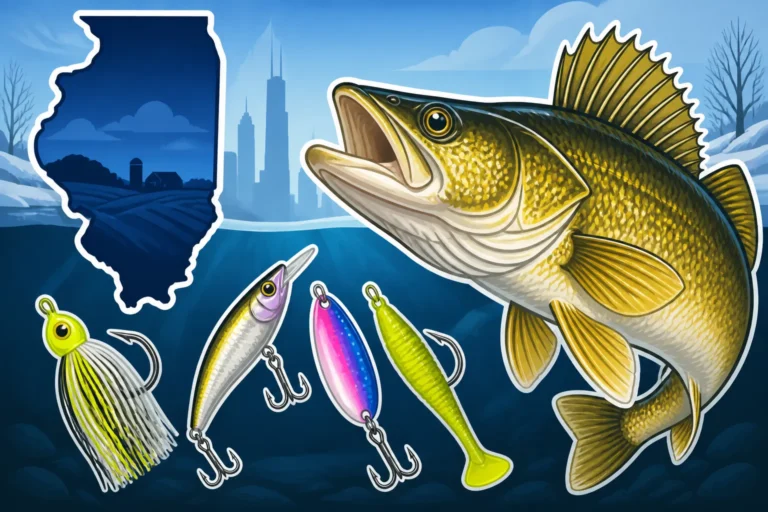
You know, sometimes it feels like walleye have a secret schedule, one that only they and the most seasoned anglers are privy to. You show up at the lake, full of hope, only to find the bite is completely dead, leaving you wondering if you missed the memo on when they actually decide to eat. It's a frustrating dance, trying to figure out the exact moment those elusive walleye are most active. This guide is all about cracking that code, helping you understand the best times of day to target walleye, and how to adjust your strategy to put more of these toothy beauties in your net here in Illinois.
Understanding Walleye Behavior Throughout the Day
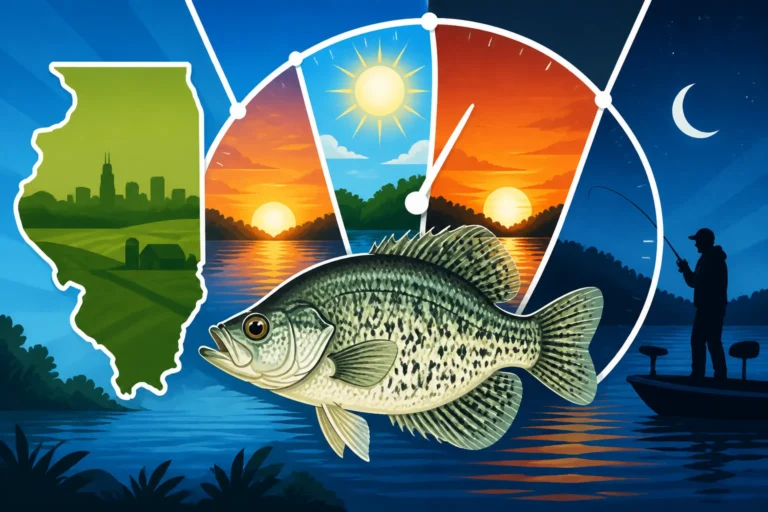
Walleye are fascinating fish, and unlike some other species that seem to bite all day long, they're often particular about their feeding windows. Their keen eyesight, especially in low light, plays a huge role in when and where they choose to hunt. If you want to consistently catch walleye, you need to think like one and understand how their activity levels change from sunrise to sunset and beyond.
Dawn Patrol: The Early Bird Catches the Walleye
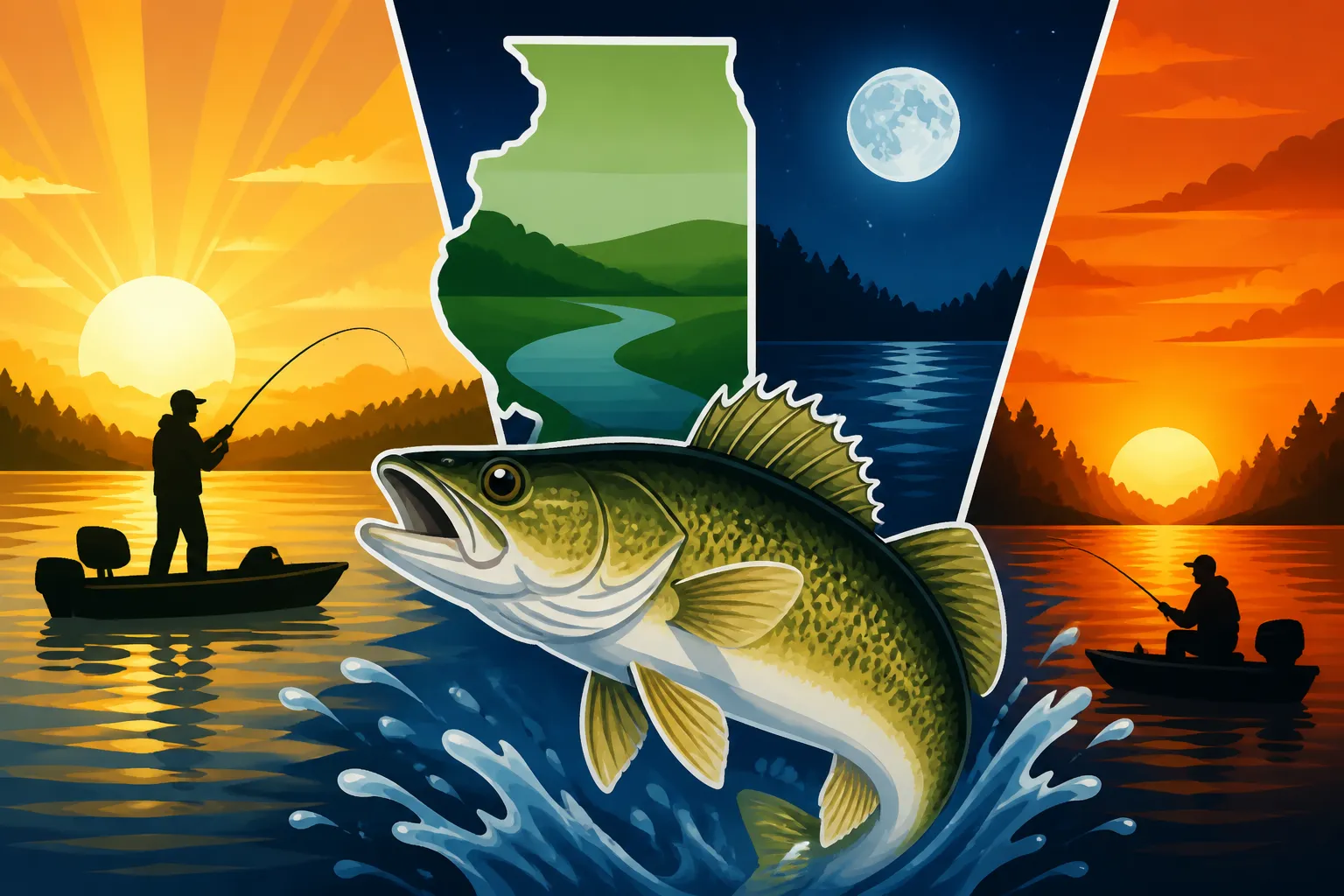
There's a reason why so many serious walleye anglers are already on the water, lines wet, before the sun even peeks over the horizon. That magical hour or two around dawn is often prime time for walleye, and it’s not just an old angler's tale – it's rooted in their biology. As the first hint of light begins to spread across the sky, walleye, with their large, light-sensitive eyes, gain a significant advantage over their prey. Most baitfish, like shad or minnows, don't see as well in dim light, making them easy targets.
During this period, walleye often move up from their deeper daytime haunts, closer to structure or shallows where baitfish might be congregating after a night of relative safety. You’ll find them patrolling current seams, around weed edges, or along rocky drop-offs, actively ambushing unsuspecting meals. This transition from deep to shallow, or from resting to actively hunting, creates a fantastic bite window. Setting up your boat or finding your shore spot well before sunrise gives you a crucial edge, allowing you to be ready the moment that low-light feeding spree begins. It means getting up early, yes, but the reward of a hard-hitting walleye on the end of your line as the world wakes up around you is truly worth it.
Midday Slump: When Walleye Go Deep and Lazy
Ah, the midday sun. While it might be perfect for tanning, it's often the bane of the walleye angler's existence. As the sun climbs higher and light penetrates deeper into the water column, walleye typically retreat. They become much less active, seeking refuge in deeper water, tight against structure like submerged humps, rock piles, or dense weed beds, or even tucked away in shady spots created by overhanging trees or docks. This isn't to say you absolutely can't catch them during midday – seasoned anglers know how to coax them out – but it certainly requires a shift in tactics and a good deal more patience.
The frustration is real when you've had a hot morning bite, only for it to completely shut down by 10 or 11 AM. You might feel like you're casting into an empty lake. To combat this midday slump, you really need to slow down your presentation. Think vertical jigging right on top of their heads in deep holes, or slow-trolling deep-diving crankbaits that mimic a lethargic baitfish. Sometimes, you'll find them suspended in the thermocline if the lake has one, so a good fish finder from a brand like Humminbird or Garmin (or a reliable, highly-rated one you might find on Amazon) becomes invaluable for locating these tucked-away fish. It’s a challenge, but adapting to their midday habits can turn a slow afternoon into a productive one.
Dusk to Dark: The Evening Feeding Frenzy
Just as dawn offers a prime opportunity, the period from dusk into the night often triggers another spectacular walleye bite. As the sun dips below the horizon, and the light intensity begins to wane, walleye once again start to gain their visual advantage. They emerge from their midday sanctuaries and move shallower, often following baitfish that are also becoming more active in the fading light. This "transition bite" can be incredibly aggressive, sometimes even more so than the morning bite, as walleye feed ravenously before the full darkness of night sets in.
Think about it: the air cools, shadows lengthen, and the water surface becomes a mirror, reflecting the last bits of daylight. This is when you'll find walleye cruising along flats, points, and shallow reefs, often right up against the shoreline. Many anglers swear by the evening bite, especially for bigger fish. And the feeding doesn't necessarily stop when darkness fully arrives. In fact, some of the most consistent walleye fishing can happen after dark, particularly on clear nights when walleye's low-light vision gives them a supreme edge. If you're willing to stick it out, you might find that the best hours of your fishing day come long after everyone else has packed up and gone home. For those brave enough to stay out, our guide on Night Fishing Techniques offers some excellent strategies to extend your walleye hunt.
Seasonal Influences on Walleye Feeding Times
The time of day walleye prefer to feed isn't a static thing; it shifts dramatically with the seasons. What works in April might be completely ineffective in July. Understanding these seasonal patterns is crucial for consistent success, allowing you to anticipate their movements and feeding behaviors throughout the year.
Spring: Pre-Spawn and Spawn Bites
Spring in Illinois is a highly anticipated time for walleye anglers. As the ice melts and water temperatures begin to climb, walleye enter their pre-spawn phase, becoming highly active as they seek out spawning grounds. This period, usually from late March through April, sees walleye concentrated in shallower water, often near river mouths, tributary streams, or rocky shorelines. During pre-spawn, they are extremely hungry, bulking up on forage before the energy demands of spawning. This means extended feeding windows, often throughout the day, though dawn and dusk remain peak times. The trick is finding where they're staging.
Once the actual spawn begins, typically when water temperatures hit the mid-40s to low 50s Fahrenheit, the bite can slow down considerably, especially for the males. Post-spawn, however, often brings another burst of activity. Recovering from the rigors of spawning, walleye become aggressive feeders once more. In these cooler spring months, their low-light advantage is less pronounced than in summer, so you can often find them biting well into the morning or even on overcast days during midday. For a deeper dive into these patterns, check out our Illinois Walleye Fishing: The Complete Guide. Remember, observing Illinois Walleye Size and Catch Limits is especially important during these vulnerable periods.
Summer: Deep Water and Night Feeding
Summer fishing for walleye in Illinois can be a bit of a mixed bag, and it’s when their sensitivity to light really dictates their daily schedule. As water temperatures soar and the sun beats down, walleye move to deeper, cooler water. This means during the bright daylight hours, they’re often tucked away in thermal refuges: deep holes, near the thermocline, or in areas with cooler spring feeds. The midday bite can be incredibly tough, often requiring very precise, deep-water presentations like vertical jigging or slow-trolling heavy bottom bouncers.
However, the summer nights are when walleye truly come alive. As the sun sets and the surface water cools, walleye migrate from their deep-water sanctuaries to shallower feeding flats, points, and weed lines. This is the prime time for a summer walleye bite, extending from dusk well into the darkest hours of the night. Many anglers report their biggest catches of the year during summer night fishing excursions, often using noisy topwater lures or shallow-running crankbaits to capitalize on their aggressive feeding in the dark. If you're struggling to find them during the day in summer, don't be afraid to try the night shift.
Fall: Feeding for Winter
Fall is another fantastic time for walleye fishing in Illinois, often considered by many to be the most consistent season for a good bite. As water temperatures begin to drop again, a signal goes off in the walleye's brain: it's time to pack on the pounds for the upcoming winter. This triggers an aggressive feeding pattern that can last for weeks. The cooler water means walleye are less bothered by bright sunlight than in summer, and their feeding windows can often extend throughout the day, especially on overcast or breezy days.
You’ll find them actively chasing baitfish in both shallower and deeper zones as they follow their food sources. Early fall might see them still somewhat shallow, particularly during dawn and dusk, but as the season progresses and waters cool further, they'll begin to move deeper, holding tight to structure. This period of intense feeding makes them more predictable and often more willing to strike. Whether you're casting from shore or exploring by boat, fall offers some of the most rewarding walleye action. If you're fishing on the river, don't miss our guide on the Illinois Walleye Fishing Season on the Mississippi River for specific insights.
Winter: Ice Fishing Opportunities
While many anglers pack away their gear once the lakes freeze over, winter offers a unique and often productive opportunity for walleye through the ice. Walleye metabolism slows down significantly in the cold water, meaning they don't need to feed as often or as aggressively. However, they still feed, and knowing their preferred times can make all the difference between a productive day and a chilly, fishless one.
Under the ice, the optimal bite windows tend to revert to those low-light periods: early morning and late afternoon/dusk. The reduced light penetration through the ice and snow cover effectively extends these "low-light" conditions for much of the day, but walleye are still most active during those transitional times. You might find a brief, intense bite right at first light, then a lull, followed by another strong push an hour or two before sunset. Many ice anglers also find success jigging subtle presentations near the bottom, right on structure. Patience is key, as is precision in bait presentation. Even in winter, you still need to be mindful of the Illinois Walleye Minimum Size Limit of 14 Inches when keeping your catch.
Factors That Shift the Best Walleye Bite Times
While general seasonal and daily patterns exist, walleye are not always on a strict clock. Several environmental factors can significantly influence their feeding times, sometimes turning traditional wisdom on its head. Being aware of these variables and how to interpret them is what separates good anglers from truly great ones.
Weather and Light Conditions
Weather plays a huge role in walleye activity. Think about it: a bright, sunny, calm day in summer is a beautiful thing, but it often means walleye are hunkered down deep. Conversely, an overcast, breezy day can extend those prime low-light feeding windows, sometimes even making midday fishing surprisingly productive. Heavy cloud cover acts like a giant diffuser, reducing light penetration into the water and making walleye feel more comfortable moving and feeding in shallower areas throughout the day.
Similarly, an approaching cold front can often trigger a pre-front feeding frenzy, as fish sense the change and try to feed before conditions worsen. Once the front passes and high pressure settles in, the bite typically slows considerably as fish become less active and more finicky. Low-pressure systems, on the other hand, often correlate with increased fish activity. Understanding How Water Temperature Affects Fish Activity is also key, as subtle changes can trigger or shut down a bite. So, don't just look at the clock; look at the sky, feel the wind, and pay attention to the barometer. Sometimes, a "bad" weather day for humans is a perfect walleye day!
Water Clarity and Depth
The clarity of the water is another major factor, directly tied to the walleye's light-sensitive eyes. In crystal clear lakes and rivers, walleye are incredibly wary of direct sunlight. This means their feeding activity will almost exclusively be relegated to deep water or those very short, intense periods of dawn and dusk. You'll need to be stealthier, use lighter lines, and present your baits more subtly.
However, in stained or murky water, the game changes. The reduced light penetration means walleye are often more comfortable and active throughout the day, as their excellent low-light vision still gives them an edge. You might find a midday bite in murky conditions that would be non-existent in clear water. This is where bold bait colors and presentations that create vibration can really shine. Naturally, the depth you're fishing will also dictate how much light reaches the fish, so even in clear water, walleye in 30 feet of water will behave differently than those in 5 feet. Always consider the conditions under the surface, not just above it. Don't forget to keep an eye on the Illinois Walleye Six-Fish Daily Limit on Select Waters, regardless of conditions.
Baitfish Movement and Forage Availability
Ultimately, walleye are predators, and they go where the food is. The movement and availability of baitfish are enormous drivers of walleye feeding times and locations. If schools of shad, shiners, or perch are active and vulnerable in a certain area, you can bet the walleye will be nearby, and they'll be feeding. Observing baitfish on your fish finder – especially those dense balls of bait – is a huge clue. If you see baitfish actively feeding near the surface at dawn or dusk, or suspended in deeper water during midday, it's a strong indicator that walleye are likely in the vicinity.
Seasonal migrations of baitfish, such as shiners moving into shallower bays in spring or shad schooling up in open water during summer, directly influence where and when walleye will feed. Understanding the forage base of the body of water you're fishing is paramount. Are they eating small perch? Then jig with a perch-pattern lure. Are they keying on shad? Try a shad-colored crankbait. Having a variety of lures from reputable brands, easily found on Amazon, can make a big difference when trying to "match the hatch." If you can figure out what the walleye are eating and where that food is moving throughout the day, you're well on your way to consistent success. For some ideas on what baits work, check out our guide on the Best Walleye Lures for Cold Water.
Practical Tips for Maximizing Your Walleye Window
Knowing when walleye generally bite is one thing, but practically applying that knowledge and being prepared to capitalize on those windows is another. It takes preparation, adaptability, and a willingness to be a little uncomfortable sometimes!
Be an Early Riser or a Night Owl
If you truly want to maximize your chances of catching walleye, especially trophy-sized ones, you need to commit to those low-light periods. This means either setting your alarm for a ridiculously early hour or being prepared to stay out well past sunset. There's a certain peace and quiet that comes with being on the water before dawn or under the stars that's truly special, a bonus beyond just the fishing itself.
To make these early morning or late-night excursions successful, preparation is key. Get your boat hooked up, tackle boxes packed, and rods rigged the night before. Have your coffee ready to go or a thermos of hot chocolate for those chilly nights. Being on the water and making your first cast before the prime window even begins gives you a significant advantage. You're set up, your eyes are adjusted, and you're ready for that first strike. Don't waste precious minutes fumbling with gear when the fish are actively feeding. Our comprehensive article on Night Fishing Techniques provides even more detail on how to safely and effectively fish after dark.
Adapt Your Tactics to the Time of Day
Walleye don't bite the same way, or on the same lures, at all times of the day. Successful anglers are masters of adaptation. During those peak low-light windows at dawn and dusk, walleye are often aggressive. This is when you can get away with more active presentations like casting crankbaits, ripping lipless crankbaits, or aggressive jigging with soft plastics. They're actively hunting, so a lure that moves and calls attention to itself often gets noticed.
However, as the sun gets higher and they retreat to deeper, cooler water, you need to slow things down significantly. This is when a subtle jig-and-minnow presentation, a slow-trolled spinner rig, or vertical jigging with live bait directly on their heads becomes more effective. They're less likely to chase, so you need to put the food right in front of them and entice a reaction bite. Having a variety of bait and lure choices in your tackle box – perhaps a wide selection sourced from Amazon – is crucial. Experiment with colors and sizes too; brighter, bolder colors might work well in murky low light, while more natural, subtle colors might be better in clear, bright conditions. Considering a specific technique like Walleye Trolling Techniques or Walleye Jigging Techniques can also improve your chances.
Leverage Technology and Local Knowledge
In today's fishing world, technology can be a huge asset. A good quality fish finder isn't just for locating fish; it's also for understanding the underwater environment, finding structure, observing baitfish schools, and identifying thermoclines. This information helps you decide where walleye are likely to be at different times of the day and in various conditions. Advanced GPS features can help you mark productive spots and return to them, no matter the time of day.
Beyond gadgets, never underestimate the power of local knowledge. Chat with the folks at the local bait shop, they often have their finger on the pulse of what's biting, where, and when. They can tell you if the morning bite has been better than the evening bite recently, or if a particular lake has a strong midday walleye pattern due to its unique features. While we don't share specific external links, finding up-to-date local fishing reports online can also give you a leg up. Combine your understanding of walleye behavior with cutting-edge tools and community insights, and you'll be well on your way to finding the best time of day to catch those Illinois walleye. When you're fishing new waters, remember to learn How to Find Walleye in Current if you're on a river system.
Walleye Optimal Bite Times by Season
| Season | Primary Optimal Times | Secondary Optimal Times | Key Considerations |
|---|---|---|---|
| Spring (Mar-May) | Dawn, Dusk, Overcast Midday | Mid-morning, Early Afternoon | Pre-spawn hunger, post-spawn recovery. Fish actively staging. Less light-sensitive. |
| Summer (Jun-Aug) | Dusk, Night, Dawn | Very Early Morning | Extreme light sensitivity due to warm water. Walleye move shallower after dark. |
| Fall (Sep-Nov) | Dawn, Dusk, Overcast Midday | Extended Morning/Afternoon | Aggressive feeding before winter. Less light-sensitive in cooler water. |
| Winter (Dec-Feb) | Early Morning, Late Afternoon/Dusk | Midday (brief spurts) | Slower metabolism. Light penetration through ice is key. Very subtle presentations. |
Disclaimer
This article is for general informational purposes only and does not constitute professional advice. Laws, prices and regulations vary by location and change over time. Consult a qualified professional for guidance on your specific situation.