Trout and Salmon Fishing in Illinois: The Complete Guide
You might think of Illinois as prime territory for bass, crappie, or even a monster flathead catfish, but when someone mentions trout or salmon fishing, your mind probably jumps to states like Michigan, Wisconsin, or out West. It's a common misconception, and frankly, it's a shame! Many anglers are surprised to discover that Illinois actually offers fantastic opportunities for both beautiful inland trout and mighty Lake Michigan salmon and trout. This guide is here to unravel that mystery, showing you exactly where, when, and how to chase these colder-water beauties right here in the Land of Lincoln, from tiny stocked ponds to the vast expanse of Lake Michigan.
The Unexpected Jewel: Trout and Salmon in Illinois Waters
Let's be honest, Illinois isn't exactly famous for its mountain streams teeming with wild trout, nor do most people immediately think of world-class salmon runs when they picture our state. That perception can be a real barrier for anglers who might otherwise jump at the chance to catch these powerful, beautiful fish. But I'm here to tell you, it's time to adjust that mindset, because Illinois truly holds some unexpected angling treasures when it comes to trout and salmon. You just need to know where to look and what unique programs make these fisheries possible.
Dispelling the Myth: Big Fish Beyond Lake Michigan
For many years, the idea of "trout fishing" in Illinois conjured images of tiny, overlooked streams, if it was thought of at all. The truth is, the Illinois Department of Natural Resources (IDNR) has invested heavily in creating and maintaining robust trout fisheries across the state. We're not talking about native, self-sustaining populations in most cases, but rather a fantastic put-and-take program that brings the excitement of trout fishing to local parks and lakes, often within easy driving distance of major population centers. Imagine pulling a vibrant rainbow trout from a pond just a few miles from your home – it's not a fantasy here. These fish are feisty, they bite well, and they offer a completely different challenge than our typical warm-water species.
This proactive stocking means that anglers of all ages and skill levels can experience the thrill of trout fishing without having to travel hundreds of miles. It's a fantastic opportunity for families, beginners, and seasoned anglers looking for a different kind of fight. The sheer number of locations stocked, from small community ponds to larger state park lakes, truly transforms the accessibility of trout fishing in Illinois. It's a testament to the IDNR's commitment to diverse angling opportunities, making sure that even if you can't head to the mountains, you can still experience the magic of trout.
A Tale of Two Fisheries: Lake Michigan vs. Inland Waters
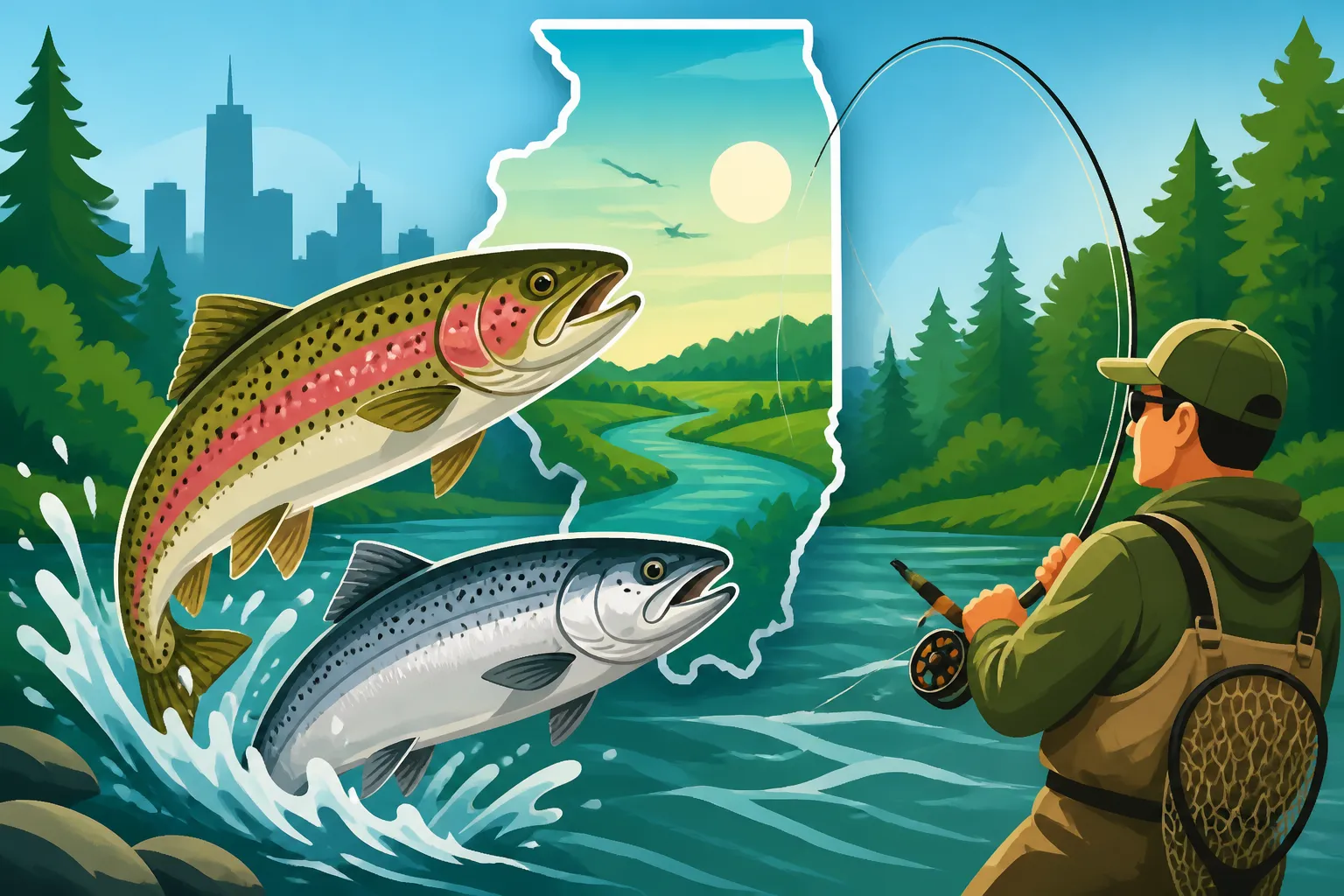
When we talk about trout and salmon in Illinois, it's crucial to understand that we're essentially discussing two distinct, albeit equally exciting, fisheries. On one hand, you have the magnificent open waters of Lake Michigan, a Great Lake that hosts a world-renowned fishery for Chinook salmon, Coho salmon, and a variety of trout species like rainbow (steelhead), brown, and lake trout. This is big water, requiring specialized boats, gear, and techniques, often involving charter services for the most productive trips. It's an epic adventure, battling powerful fish in vast blue waters.
Then, on the other hand, you have Illinois' extensive inland trout stocking program. These are typically smaller lakes, ponds, and sometimes even designated stream sections that are regularly stocked with catchable-size rainbow trout. This is a much more accessible, often bank-fishing friendly, experience. The gear is lighter, the tactics are simpler, and the environment is usually more intimate. While both offer the thrill of catching trout and salmon, the experience, the scale, and the investment required are vastly different. Understanding this distinction is key to planning your Illinois trout and salmon adventures, ensuring you choose the right path for your angling goals.
Understanding Illinois' Trout Programs: Inland Stocking
If you're looking to catch trout without venturing onto the massive expanse of Lake Michigan, Illinois' inland stocking program is your golden ticket. The Illinois Department of Natural Resources (IDNR) works tirelessly to ensure that anglers across the state have opportunities to pursue these beautiful cold-water fish. It's a carefully managed "put-and-take" fishery, meaning the fish are stocked specifically for anglers to catch, providing a thrilling experience that's often just a short drive away. This program is a highlight for many Illinois fishing enthusiasts, bringing a touch of mountain stream magic to our Midwestern landscape.
The Illinois Trout Season Opener: A Spring Tradition
Ask any experienced Illinois angler about inland trout, and they'll likely tell you about the excitement of the spring trout season opener. Typically occurring in early April, this event marks the first major trout stocking of the year, transforming dozens of lakes and ponds into prime trout fishing destinations. The IDNR stocks thousands of catchable-size rainbow trout just before the season opens, ensuring a fantastic opportunity for anglers to fill their coolers. There's a palpable buzz in the air, with families and serious anglers alike heading out to their favorite stocked waters, rods rigged and anticipation high.
The rules around the opener are usually pretty straightforward: no trout fishing allowed in these designated waters for a period leading up to the official opening date, giving the newly stocked fish a chance to acclimate and spread out. On opening day, it's often a lively scene, with anglers lining the banks, kids giggling with excitement, and plenty of fish being caught. It’s a wonderful community event, a true celebration of spring and the joy of fishing. Checking the IDNR website for the exact dates and regulations each year is crucial, but generally, it's a can't-miss event for trout lovers.
Fall Trout Fishing: A Second Chance for Anglers
Just when you thought the trout season was winding down with the summer heat, Illinois offers a delightful surprise: a second round of inland trout stocking in the fall! This autumn program, often kicking off in mid-October, provides another fantastic opportunity to target rainbow trout in cooler temperatures. Fall fishing has a different vibe than spring; the crowds are often smaller, the scenery is breathtaking with changing leaves, and the crisp air makes for a truly invigorating day on the water. It’s a chance to enjoy the peace and quiet of nature while still having excellent success.
The fall stocking program follows a similar pattern to the spring opener, with a temporary closure period before the official opening date to allow for stocking and fish distribution. The tactics often remain similar as well, but the cooler water temperatures can sometimes make the fish a bit more active. For those who missed the spring rush, or simply can't get enough of trout fishing, the fall program is an absolute blessing. It extends the season, provides a serene fishing experience, and ensures that Illinois anglers have ample chances to enjoy these spirited fish.
Where to Find Inland Trout: Stocked Lakes and Ponds
So, you're convinced and ready to try your hand at inland trout fishing in Illinois. The next logical question is: where do you go? The good news is that the IDNR stocks trout in designated waters across the entire state, from the northern suburbs of Chicago to the southernmost counties. These locations are typically smaller public lakes, urban park ponds, and sometimes even specific sections of rivers or streams that are suitable for cold-water species. For example, lakes like Axehead Lake or Belleau Lake in the Chicagoland area, or Miller Park Lake downstate, are regular fixtures on the stocking list.
To find the most current list of stocking locations, your best bet is always the official IDNR website. They publish a comprehensive list of all waters participating in the spring and fall trout programs, complete with specific regulations for each site. Many of these spots offer excellent bank access, making them incredibly beginner-friendly and perfect for a quick fishing trip. So, whether you're bringing the kids for their first fishing experience or you're an avid angler looking to add a new species to your repertoire, there's likely a stocked trout pond closer than you think. You can often find great gear for these smaller lakes on Amazon, making it easy to get ready for your next trip.
Lake Michigan's Mighty Salmon and Trout Fishery
While inland trout fishing offers a delightful experience, for many anglers, the true pinnacle of trout and salmon fishing in Illinois lies in the vast, deep waters of Lake Michigan. This incredible freshwater sea, forming Illinois' eastern border, hosts a world-class fishery that attracts anglers from across the nation. It's a completely different beast compared to inland ponds – think big boats, sophisticated electronics, specialized tackle, and powerful, ocean-going fish (even if they are in a freshwater lake!). This is where you can truly test your mettle against some of the hardest-fighting fish in North America.
The Kings of Lake Michigan: Chinook and Coho Salmon
When people talk about salmon fishing on Lake Michigan, they're typically referring to two primary species: Chinook salmon, often called "Kings," and Coho salmon, sometimes known as "Silvers." Chinook are the undisputed heavyweights, known for their incredible size and brute strength. Catching a 20+ pound King salmon is a memory that lasts a lifetime, and they pull like a freight train. Coho salmon, while generally smaller, are arguably even more acrobatic, making spectacular jumps and runs that will get your heart pounding. Both species are highly sought after for their fighting ability and their delicious table fare.
These salmon were originally introduced to Lake Michigan decades ago to help control invasive alewife populations and have since thrived, creating a phenomenal sport fishery. They spend their lives in the cold, deep waters of the lake, feeding voraciously and growing to impressive sizes. Targeting them often involves trolling with specialized setups, running multiple lines at various depths to cover the water column. It's a thrilling pursuit that requires patience, skill, and the right equipment, but the reward of landing one of these magnificent fish is truly unparalleled. Check out Coho Salmon Fishing in Illinois: What to Expect for more in-depth information.
Diverse Trout Species: Rainbow, Brown, and Lake Trout
Beyond the mighty salmon, Lake Michigan is also home to a diverse and thriving population of trout species, each offering its own unique challenge and charm. Rainbow trout, often referred to as "steelhead" when they're in their lake-run phase, are renowned for their incredible aerial displays and long, powerful runs. Brown trout are known for their beautiful coloration and sometimes elusive nature, often holding closer to shore or structures. And then there are the Lake Trout, true cold-water specialists, found in the deepest, coolest parts of the lake, offering a heavy, bulldog-like fight.
Each of these trout species contributes to the richness of Lake Michigan's fishery. Rainbows and browns are often stocked, while lake trout have a more naturally reproducing population, though stocking also occurs. Anglers often target these trout using similar trolling techniques as for salmon, though specific depths, lures, and speeds might vary depending on the target species and time of year. Identifying these different species can be an art in itself, but understanding their habits can significantly increase your success rate. For help distinguishing them, consult our guide on Rainbow Trout vs Brown Trout vs Brook Trout: Identification Guide.
Illinois Lake Michigan Access Points: Piers, Harbors, and Charters
Accessing Lake Michigan's vast fishery from the Illinois shoreline offers several options, catering to different budgets and experience levels. For those without a boat, pier fishing is a popular and accessible choice. Many harbors and breakwaters along the Chicago lakefront and further north in towns like Waukegan offer excellent opportunities to cast for salmon and trout, especially during spring and fall runs when the fish move closer to shore. It's a great way to experience Lake Michigan fishing without a significant investment.
However, for the full Lake Michigan experience and the best chances at consistently catching big salmon and trout, a boat is almost essential. Many private boat owners launch from public ramps along the shoreline. For visitors or those without their own deep-water craft, booking a charter fishing trip is highly recommended. Experienced captains and their crews know the lake intimately, have all the specialized gear, and will put you on the fish. They handle everything from finding the hot spots to setting up the complex trolling spreads, making it a fantastic, hassle-free way to tackle the big lake. You can explore Lake Michigan Salmon and Trout Fishing in Illinois for more details on specific spots.
Essential Gear and Tackle for Illinois Trout and Salmon
Stepping into the world of trout and salmon fishing means understanding that your typical bass or crappie setup might not cut it. The gear requirements can vary wildly depending on whether you're chasing rainbows in a small stocked pond or battling a Chinook salmon on Lake Michigan. Investing in the right tools isn't just about catching more fish; it's about making the experience enjoyable, efficient, and ensuring you're ready for the fight these powerful fish bring. Don't worry, you don't need to break the bank, but a little research goes a long way.
Inland Trout Gear: Light Tackle for Pond and Stream
For Illinois' inland stocked trout, you generally want a lighter, more sensitive setup. Think finesse, not brute force. A light to medium-light action spinning rod, typically 6 to 7 feet long, paired with a small spinning reel (size 1000 to 2500) spooled with 4 to 6-pound monofilament or fluorocarbon line is usually perfect. The lighter line allows for more natural presentations and is less visible to wary trout. Remember, these fish are often stocked, so they're used to being fed, but they're still cautious!
When it comes to bait, classic options like PowerBait (in various colors like "chartreuse" or "rainbow"), corn, small worms, or even tiny marshmallows often work wonders. Artificial lures such as small inline spinners (e.g., Mepps Aglia, Rooster Tail), tiny spoons, or micro-jigs tipped with a wax worm or minnow are also incredibly effective. The key is to keep your presentations small and subtle. A small bobber or a slip sinker rig will help you present your bait at the right depth. You can easily find a fantastic selection of these smaller lures and baits on Amazon to stock your tackle box.
Lake Michigan Tackle: Heavy Duty for Big Water
Now, switch gears entirely for Lake Michigan. This is a whole different ballgame. Trolling for salmon and trout on the big lake requires much heavier and specialized equipment. You'll typically see sturdy baitcasting or conventional reels paired with 7 to 10-foot downrigger or wire diver rods. These rods are designed to handle heavy weights, strong currents, and the powerful runs of large salmon. Line choice is crucial; braided line (often 30-50 lb test) is common for its strength and minimal stretch, used with fluorocarbon leaders.
The tackle box for Lake Michigan is filled with an array of large spoons (like Northern King, Dreamweaver), stickbaits (such as Rapala or Bomber), and flasher/fly combinations. Downriggers are essential for getting lures to precise depths, often down to 100 feet or more. Dipsy divers or lead core line are also used to achieve depth. For pier fishing, heavier spinning rods (7-9 feet, medium-heavy action) with 10-20 lb test line are common, allowing for long casts with heavier spoons or crankbaits. The sheer variety and specialized nature of Lake Michigan tackle can be intimidating, but it's built for purpose: to tame those trophy fish.
Must-Have Accessories for Successful Trout and Salmon Trips
Beyond your rod and reel, a few key accessories can make your trout and salmon fishing trips much more enjoyable and successful. For inland trout, a small landing net is invaluable for safely scooping up your catch, especially if you plan to practice catch and release. A stringer or a cooler with ice is essential if you intend to keep your fish fresh for the dinner table. A pair of needle-nose pliers or a hook remover will help you quickly unhook fish without harming them or yourself. Don't forget a tape measure to ensure your fish meet any minimum size limits.
For Lake Michigan, the accessory list expands considerably. Besides a sturdy, large landing net designed for big fish, a big cooler with plenty of ice is non-negotiable for preserving your salmon and trout. A reliable GPS and fish finder are critical for navigating the lake and locating schools of fish or structure. Sun protection – hats, sunglasses, and sunscreen – is vital on open water. And of course, your Illinois Trout and Salmon Stamp Requirements and valid fishing license are the most important "accessories" of all! Always carry them, either physical or digital.
Mastering Techniques for Illinois Trout and Salmon
Catching trout and salmon isn't just about having the right gear; it's also about understanding their behavior and employing the right techniques for the specific environment. Whether you're casting a tiny jig into a peaceful pond or setting a complex trolling spread on Lake Michigan, a thoughtful approach will always yield better results. Let's dive into some of the most effective strategies for both inland and big-water pursuits.
Effective Strategies for Inland Trout
For inland stocked trout in Illinois, versatility is your friend. These fish are often quite cooperative, especially shortly after stocking. One of the most common and effective methods is bait fishing on the bottom or suspended under a bobber. Using power bait molded around a small treble hook, a kernel of corn, or a piece of nightcrawler fished on a light wire hook (size 8-12) can be deadly. For bottom fishing, use a small split shot or an egg sinker just above a swivel, with an 18-24 inch leader to the hook.
Spinning with small artificial lures is another highly productive technique. Inline spinners like Mepps or Panther Martin, or small Kastmaster-style spoons, can entice aggressive strikes. Cast them out, let them sink briefly, and retrieve with a slow, steady retrieve, adding an occasional twitch. Fly fishing, while less common for stocked programs, can also be very effective, especially for more experienced anglers using small nymphs, wet flies, or even dry flies during insect hatches. The key here is presenting a natural, bite-sized offering that mimics what the trout might naturally feed on, or something that triggers an aggressive reaction.
Lake Michigan Trolling and Pier Fishing Secrets
Lake Michigan fishing for salmon and trout primarily revolves around trolling from a boat, though pier fishing can also be incredibly productive at certain times. When trolling, the goal is to present your lures at the correct depth, speed, and location where the fish are actively feeding. This often involves using downriggers, wire divers, or lead core lines to get spoons, stickbaits, or flasher/fly combos deep into the water column. The optimal depth can change daily based on water temperature, baitfish location, and sunlight penetration, so a good fish finder is essential for staying in the "strike zone."
Pier fishing, on the other hand, is a game of patience and timing. Early morning and late evening are often prime times, as fish move closer to shore. Casting heavy spoons, crankbaits, or even vertical jigging with tube jigs can be effective. Many pier anglers also use spawn bags or skein under a float or on the bottom, especially during spawning runs. Pay attention to local reports and what other successful anglers are using. Wind direction can also play a huge role, often pushing baitfish and, consequently, salmon and trout, closer to the piers.
Seasonal Considerations: When and Where to Find Fish
Understanding the seasonality of trout and salmon fishing in Illinois is paramount to success. For inland trout, the spring and fall stocking periods are your absolute best bets. During these times, the water temperatures are ideal, and the fish are freshly introduced and actively feeding. In the hotter summer months, many stocked trout lakes become too warm for trout to survive, so the fishery effectively shuts down until the fall. Always check the Illinois Fishing Season and Catch Limit Rules for specific dates.
On Lake Michigan, the seasons dictate much of the strategy. Early spring sees Coho salmon often concentrated closer to shore, making them accessible to pier and smaller boat anglers. As summer progresses, the fish move deeper and scatter more, requiring offshore trolling. Late summer and fall bring the powerful Chinook salmon closer to river mouths for their spawning runs, offering spectacular angling opportunities, both offshore and nearshore. Different trout species also have peak times; for instance, brown trout are often caught closer to shore in cooler months, while lake trout are a year-round deep-water target. Being aware of these patterns will greatly increase your chances of finding fish.
Understanding Regulations: Licenses and Stamps
Fishing in Illinois, especially for specific species like trout and salmon, isn't just about casting a line and hoping for the best. It's crucial to understand and adhere to the state's regulations. These rules are in place to manage fish populations, protect habitats, and ensure sustainable fishing opportunities for everyone. Ignorance of the law is never an excuse, and game wardens are diligent in checking licenses and compliance.
Illinois Fishing License Requirements for Trout and Salmon
First and foremost, nearly all anglers over a certain age are required to possess a valid Illinois fishing license. This is your fundamental ticket to fish in the state's public waters. The type of license you need – annual resident, 24-hour, non-resident, etc. – depends on your residency and how long you plan to fish. Before you even think about buying a specific stamp for trout or salmon, make sure your general fishing license is in order. It's the foundation upon which all other specific permits are built.
Failure to have a general fishing license can result in fines and legal trouble, which nobody wants. You can easily purchase your license online through the IDNR website, or at many sporting goods stores and bait shops across the state. Always carry proof of your license while fishing, whether it's a physical copy or a digital version on your phone. For a comprehensive overview, read our Illinois Fishing License Guide for 2026 and Illinois Fishing License Costs and Types.
Inland Trout Stamp vs. Lake Michigan Salmon Stamp
This is where things can get a little confusing, but it's vital to understand the distinction. In addition to your regular Illinois fishing license, you will need specific stamps depending on where and what you are fishing for:
-
Inland Trout Stamp: If you are fishing for trout in any of Illinois' designated inland waters (the lakes and ponds stocked by the IDNR), you are required to purchase an Inland Trout Stamp. This stamp helps fund the stocking program, ensuring that these opportunities continue year after year. It's a small investment that directly supports the fishery you're enjoying.
-
Lake Michigan Salmon Stamp: If you are fishing for salmon (Chinook, Coho, Atlantic) or trout (Rainbow, Brown, Lake Trout) in Lake Michigan, you are required to purchase a Lake Michigan Salmon Stamp. This stamp supports the management and enhancement of the Great Lakes fishery, including stocking programs for salmon and trout species.
It's important to note that these stamps are distinct. Having an Inland Trout Stamp does not permit you to fish for salmon or trout in Lake Michigan, and vice-versa. If you plan to enjoy both types of fishing, you'll need both your general fishing license and the appropriate stamp(s). Detailed information can be found in Illinois Inland Trout Stamp Requirements and Lake Michigan Salmon Stamp Requirements for Anglers.
Size and Catch Limits: Knowing the Rules Before You Go
Beyond licenses and stamps, every angler must be aware of the specific size and daily catch limits for trout and salmon. These limits are subject to change, so always check the most current Illinois Fishing Information Guide or the IDNR website before each trip. For inland trout, there is typically a daily creel limit (e.g., 5 trout per day) with no minimum size. This means once you catch your limit, you must stop fishing for trout in that body of water for the day.
For Lake Michigan, the regulations are more complex and often vary by species. Chinook and Coho salmon usually have specific daily limits and sometimes minimum size requirements. Different trout species (rainbow, brown, lake trout) may also have their own separate limits. It's critical to know these rules because exceeding catch limits or keeping undersized fish can lead to significant fines. Always check the site-specific regulations for the particular lake, river, or Lake Michigan harbor you'll be fishing, as rules can sometimes differ from statewide general regulations. Knowing before you go ensures a legal and enjoyable fishing experience.
Best Fishing Spots for Trout and Salmon in Illinois
Alright, you've got your license, your stamps, and your gear. Now, the million-dollar question: where do you actually go to catch these beautiful trout and salmon in Illinois? The state offers a fantastic array of options, from urban ponds perfect for a quick afternoon trip to the vast, open waters of Lake Michigan. Understanding the best spots will significantly improve your chances of success and help you plan an unforgettable fishing adventure.
Top Inland Trout Stocking Locations (Examples)
Illinois boasts numerous excellent inland trout stocking locations, making it possible for anglers across the state to access these fisheries. In the northern part of the state, popular spots include Axehead Lake and Belleau Lake in Cook County, Silver Lake in DuPage County, and Milliken Lake in Lake County. These waters are often easily accessible, family-friendly, and consistently stocked, making them prime destinations for the spring and fall openers. They offer ample bank access and are great for kids or those new to trout fishing.
Moving downstate, locations like Boston Park Pond in Springfield, Frank Holten State Park Lake near East St. Louis, and Miller Park Lake in Bloomington are recurring favorites. These spots provide similar opportunities for bank fishing and are usually very popular during the stocking seasons. The key is to check the IDNR's official trout stocking schedule, which lists all participating waters each spring and fall. These public waters are managed to provide excellent catch rates, making them a fantastic option for a productive trout outing. Many anglers find great success here with simple setups, and you might even discover some useful accessories or tackle online at Amazon for these local ponds.
Premier Lake Michigan Access Points for Salmon and Trout
For those targeting the larger salmon and trout of Lake Michigan, several key access points along Illinois' 63-mile shoreline stand out. The Chicago Lakefront is, of course, a major hub, offering numerous piers and harbors. Montrose Harbor, DuSable Harbor, and Jackson Park Harbor are popular spots for pier fishing, especially during the spring and fall when Coho and Chinook move closer to shore. These locations also serve as launching points for charter boats and private vessels.
Further north, Waukegan Harbor is another premier destination. It's well-known for its excellent boat ramps and charter services, providing direct access to prime salmon and trout grounds. The piers and breakwaters around Waukegan can also be very productive for shore anglers. These areas consistently produce good numbers of Chinook, Coho, Rainbow (steelhead), and Brown trout throughout the season. These are the places where you'll find serious anglers with specialized gear, often reporting on the latest bite. For a detailed exploration, check out Best Fishing Spots Near Chicago, Illinois.
Planning Your Trip: Researching Specific Locations
Regardless of whether you're heading to an inland pond or tackling Lake Michigan, thorough research before your trip can make all the difference. For inland trout, always consult the IDNR's most recent stocking schedule for specific dates and locations. Water levels, recent weather, and even previous fishing pressure can impact the bite. A quick search for local fishing reports or forums can often provide invaluable, real-time insights into what's biting and where.
For Lake Michigan, research is even more critical. "Lake Michigan is a vast body of water, and fish can be spread out," so knowing where the baitfish are or where charter captains have been reporting success is key. Pay attention to water temperature maps, current reports from local bait shops near harbors, and online fishing reports. If you're going with a charter, make sure to book well in advance, especially during peak season. Knowing which species are active and their preferred depths and temperatures will help you decide if it's a good day to chase Rainbows, Browns, or target a different species, like learning Illinois Yellow Perch Fishing: Where and When to Go. The more prepared you are, the more successful and enjoyable your trout and salmon fishing adventure in Illinois will be.
Cooking and Enjoying Your Catch
So, you've successfully navigated the challenges of Illinois' trout and salmon fisheries and landed some beautiful fish! Congratulations! Now comes one of the most rewarding parts of the entire experience: enjoying the delicious fruits of your labor. Freshly caught trout and salmon are some of the finest eating fish available, known for their rich flavor and flaky texture. But proper handling and preparation are key to making sure that taste truly shines through.
Handling Your Catch for Optimal Flavor
The journey from water to plate begins the moment you land your fish. For the best flavor and texture, it’s crucial to handle your trout and salmon with care immediately. The first step is often to "bleed" the fish as soon as possible. This involves making a quick cut to the gills or throat (behind the pectoral fins) and allowing the fish to bleed out in a bucket of water or directly into the lake for a few minutes. Bleeding removes blood from the flesh, which can otherwise contribute to a "fishy" taste.
After bleeding, get your fish on ice immediately. A cooler packed with plenty of ice is non-negotiable, especially on warmer days or longer trips. This rapid cooling halts bacterial growth and preserves the quality of the meat. When you get home, clean your fish promptly. This usually involves gutting and scaling (for most trout), or gutting and filleting (especially for larger salmon). Rinse the cavity thoroughly and pat the fish dry before refrigerating or freezing. Proper handling ensures that all your hard work on the water translates into a truly delectable meal.
Simple and Delicious Trout and Salmon Recipes
One of the great things about trout and salmon is their versatility in the kitchen. Their robust flavor stands up well to a variety of cooking methods and seasonings. Here are a couple of simple, classic ways to prepare your fresh catch:
Baked or Grilled Trout:
This is perhaps the easiest and most popular method for whole trout. After cleaning, pat the trout dry. Season the inside and outside generously with salt, black pepper, and your favorite herbs (dill, parsley, and thyme work wonderfully). You can stuff the cavity with lemon slices, onion, and more fresh herbs for added flavor. Drizzle with olive oil or dot with butter.
- Baking: Place on a baking sheet lined with parchment paper. Bake at 375°F (190°C) for 15-20 minutes, or until the flesh is opaque and flakes easily with a fork.
- Grilling: Place the whole trout in a fish basket or directly on a well-oiled grill over medium heat. Grill for about 5-7 minutes per side, again until the flesh is cooked through. The skin will crisp up beautifully.
Pan-Seared Salmon Fillets:
For salmon fillets, pan-searing creates a fantastic crispy skin and moist, tender interior. Pat your fillets very dry with paper towels (this is key for crispy skin). Season generously with salt, pepper, and a pinch of garlic powder. Heat a tablespoon or two of high-smoke-point oil (like canola or grapeseed) in a heavy-bottomed skillet (cast iron works great) over medium-high heat until shimmering.
Place the salmon fillets skin-side down in the hot pan. Cook for 4-6 minutes, or until the skin is deeply golden and crispy and the fish is cooked halfway up the side. Flip gently and cook for another 2-4 minutes, depending on thickness, until cooked to your desired doneness. A squeeze of fresh lemon juice at the end is the perfect finish. Serve with roasted vegetables or a fresh salad.
No matter how you prepare it, enjoying your self-caught trout or salmon is an incredibly satisfying conclusion to your Illinois fishing adventure.
Illinois Trout and Salmon Fishing at a Glance
To help you quickly differentiate between Illinois' two main trout and salmon fisheries, here's a handy comparison table. This can help you decide which adventure suits your time, budget, and experience level best.
| Feature | Inland Trout (Stocked Ponds/Lakes) | Lake Michigan Salmon & Trout (Great Lakes) |
|---|---|---|
| Primary Species | Rainbow Trout | Chinook Salmon, Coho Salmon, Rainbow Trout, Brown Trout, Lake Trout |
| Typical Size | 10-16 inches | 3-30+ pounds (species dependent) |
| Fishing Season | Spring (April-May) & Fall (Oct-Nov) openers | Year-round, peaks in spring/fall (species dependent) |
| License Needed | Standard Illinois Fishing License + Inland Trout Stamp | Standard Illinois Fishing License + Lake Michigan Salmon Stamp |
| Gear Required | Light to medium-light spinning gear, 4-6 lb test line | Heavy trolling gear, downriggers, divers, 10-50 lb test line |
| Primary Methods | Bait fishing (PowerBait, corn), small spinners, jigs | Trolling (spoons, stickbaits, flasher/flies), pier fishing |
| Accessibility | High (many bank access points, urban locations) | Medium to High (charters, private boats, piers/harbors) |
| Cost | Low (license/stamp, basic tackle) | Moderate to High (charters, specialized boat gear) |
| Experience Level | Beginner to Intermediate | Intermediate to Advanced |
| Environment | Smaller, calmer lakes/ponds | Large, deep, open water |
Remember, while this table provides a general overview, specific conditions and regulations can always vary. Always check the latest IDNR information before heading out!
Disclaimer
This article is for general informational purposes only and does not constitute professional advice. Laws, prices and regulations vary by location and change over time. Consult a qualified professional for guidance on your specific situation.