Summer Bass Fishing Patterns
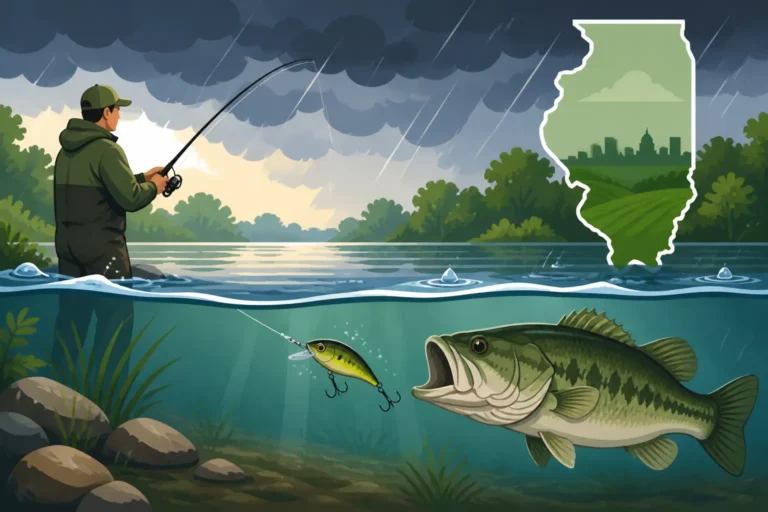
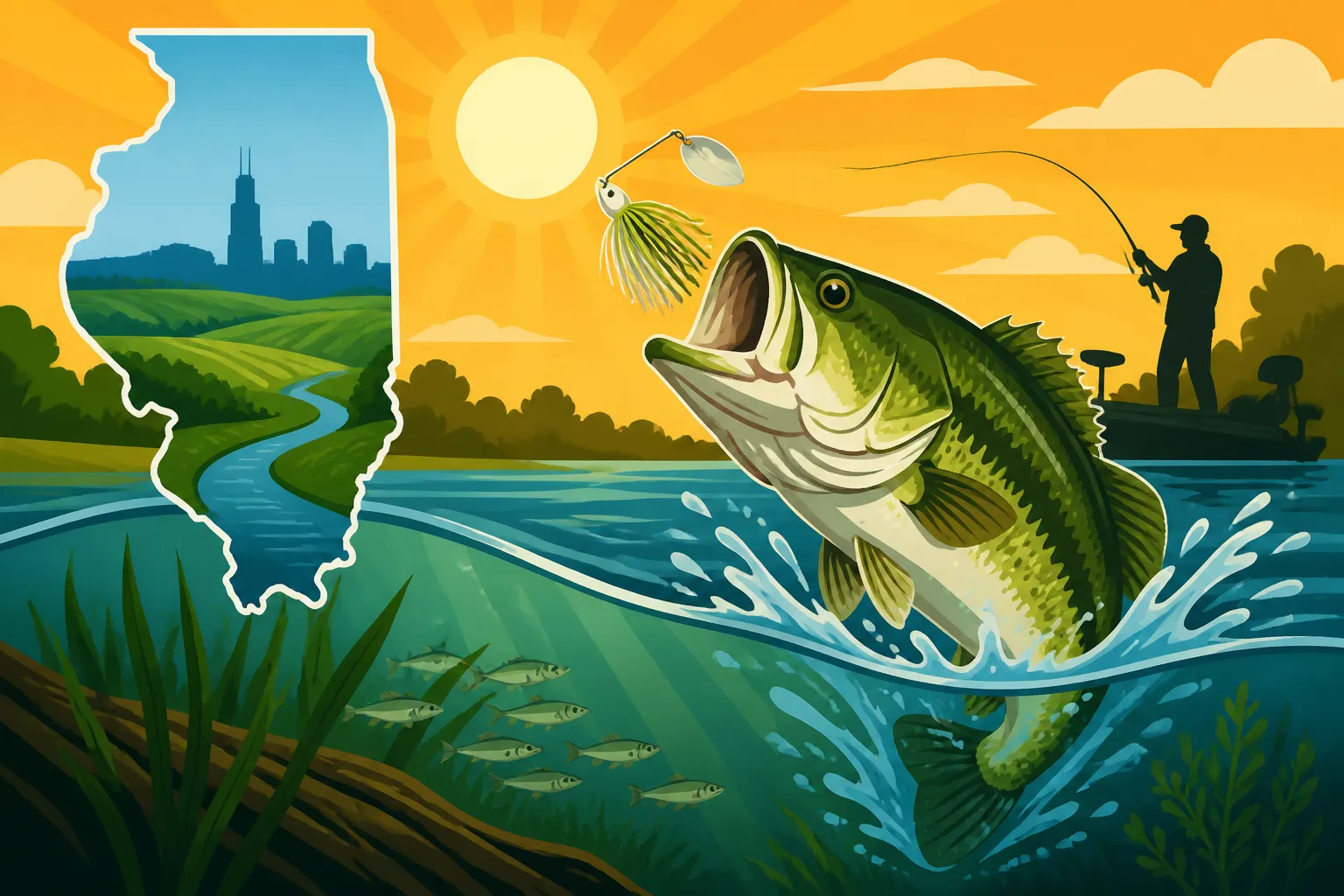
Summer in Illinois can be a challenging time for bass anglers. As temperatures soar and the sun blazes, the once-aggressive spring bite often slows to a crawl, leaving many of us scratching our heads and wondering where the fish have gone. This comprehensive guide will dive deep into understanding and adapting to summer bass fishing patterns, helping you crack the code and find those elusive lunkers even when the mercury is pushing uncomfortable levels.
Navigating the Summer Bass Slump in Illinois
When July and August roll around, many anglers find themselves getting frustrated on their favorite Illinois lakes and rivers. The vibrant activity of spring, where bass seemed to hit anything that moved, gives way to a more subdued, and often downright difficult, bite. It’s not that the bass disappear; they simply change their habits drastically to cope with the increased heat, brighter sun, and heavier boat traffic. Understanding these shifts is the first step toward summer success.
The Dog Days Dilemma: Why Bass Get Tricky
The phrase "dog days of summer" truly captures the feeling of bass fishing in Illinois during July and August. The water warms up significantly, oxygen levels can drop in shallower areas, and the intense sunlight penetrates deep into the water column. Bass, being cold-blooded creatures, are acutely sensitive to these changes. Their metabolism slows down, and they become far less willing to chase after baits in the open, bright water. Their primary goals shift to conserving energy and finding comfort, which usually means seeking out cooler, more oxygenated water and abundant cover. This often leads them to deeper sections of lakes, into dense vegetation, or tucked under thick canopy along riverbanks. If you're still fishing the same shallow flats you dominated in April, you're going to have a tough time.
Identifying Key Seasonal Transitions
Successfully targeting bass in the summer requires recognizing the subtle, and sometimes not-so-subtle, transitions in their behavior. The initial transition happens as the water warms into the 70s and 80s, pushing fish away from their spring spawning grounds. This is when you'll see a big move towards main lake structure and deeper creek channels. Later in the summer, especially after prolonged heat waves, the thermocline (a layer of rapid temperature change in the water column) becomes firmly established in many Illinois reservoirs like Lake Shelbyville or Rend Lake, concentrating fish within a very specific depth range. Understanding these transitions means paying attention to water temperature, weather patterns, and even local reports. For instance, a sudden cold front, even in summer, can temporarily shut down a bite or move fish to different areas, requiring you to adapt your approach. Knowing how these factors influence fish is crucial for figuring out what Illinois fish are biting in June and beyond.
Common Frustrations and How to Overcome Them
Every summer, I hear fellow anglers grumbling about the same frustrations: "The bass just aren't biting," "They're impossible to find," or "I keep getting skunked." These feelings are completely valid because summer bass fishing is hard. One major frustration is simply locating the fish. They're often spread out, in less accessible areas, or tucked so deep into cover that they're invisible to the naked eye. Overcoming this requires patience and the right tools. Investing in good sonar and knowing how to interpret it becomes paramount. Another common complaint is that when you do find them, they're lethargic and won't strike aggressively. This means you often need to slow down your presentation, use different bait types, or fish during low-light conditions. Finally, boat traffic on popular Illinois lakes can make fishing the prime spots difficult during peak daylight hours. This is why many experienced anglers choose to fish at dawn, dusk, or even at night, to avoid the crowds and take advantage of cooler water.
Deep Water Dwellers: Targeting the Thermocline
One of the most profound shifts in summer bass behavior in many Illinois reservoirs is their migration to deeper water. This isn't just about escaping the heat; it's about finding the "comfort zone" where water temperature and oxygen levels are optimal. This zone is often dictated by a phenomenon known as the thermocline.
Understanding Lake Thermoclines and Bass Behavior
Imagine a layer cake in your favorite Illinois reservoir. The top layer, or epilimnion, is warm and oxygen-rich, but often too warm for bass during the hottest parts of summer. The bottom layer, or hypolimnion, is cold, but often lacks sufficient oxygen to support active fish. In between these two is the thermocline – a distinct horizontal layer of water where the temperature changes rapidly. This layer is critical because it often holds the ideal combination of cooler temperatures and enough dissolved oxygen for bass to thrive. Bass will frequently suspend just above, within, or just below the thermocline, depending on the specific lake and conditions.
Knowing the depth of the thermocline is like having a secret weapon. Fish finders, especially those with good 2D sonar, can often reveal the thermocline as a distinct fuzzy line or multiple lines on the screen. It might appear as a solid band of clutter or a change in the return signal. On some lakes, it might be at 15 feet; on others, it could be 25 feet or deeper. Once you identify this depth, you can focus your efforts on presenting baits directly to fish holding at that level. This means fewer wasted casts in unproductive water. This understanding is key to unlocking patterns, especially on larger, deeper bodies of water like Clinton Lake or Lake of Egypt.
Effective Lure Presentations for Deep Bass
Once you've located bass in deep water, the next challenge is getting them to bite. Standard shallow-water tactics simply won't cut it. You need presentations that can reach these depths efficiently and tempt reluctant fish.
- Jigging Spoons and Blade Baits: These are excellent for vertical presentations directly over schooling fish you see on your sonar. A 1/2 oz to 1 oz jigging spoon, dropped precisely into the strike zone, can often elicit a reaction strike from otherwise lethargic bass. Blade baits like a Little George or a Silver Buddy are also fantastic for deep-water jigging, offering a different vibration profile. The key is a short, sharp rip followed by a controlled fall.
- Carolina Rigs: This classic deep-water rig is a staple for a reason. The heavy sinker gets your bait down quickly, while the leader allows your soft plastic bait (lizards, worms, or creature baits) to float tantalizingly above the bottom. The separation from the weight gives the bait a natural, unencumbered action. When you're trying to figure out how to fish a Carolina rig for bass, remember that slow, steady drags along main lake points, ledges, or humps are often more effective than aggressive hopping. Use a heavier weight (3/4 oz to 1 oz) to maintain bottom contact in deeper water.
- Deep Diving Crankbaits: These baits are designed to get down quickly and stay in the strike zone for extended periods. When fishing reservoirs with distinct ledges or creek channels, a deep diver that "grinds" along the bottom can be incredibly effective. Brands like Strike King, Rapala, or Berkley offer excellent deep-diving crankbaits in various colors and dive depths. Look for those rated to reach 15-25 feet or more, depending on your target depth. The constant vibration and deflections off cover can trigger reaction strikes.
- Football Jigs: Another excellent option for deep structure, football jigs with bulky creature bait trailers mimic crawfish, a favorite food source for deep-water bass. They are designed to crawl and bounce over rocky bottoms without snagging excessively. Work them slowly, maintaining bottom contact, and pay close attention for subtle bites.
Locating Structure and Cover in Deeper Water
Finding the thermocline is a great start, but you still need to find where the bass are holding within that optimal depth range. Bass, even in deep water, are rarely just suspended in open water; they associate with structure and cover. This is where your electronics truly shine.
- Lake Maps and GPS: Before you even launch your boat, study contour maps of your chosen Illinois lake. Look for prominent features like main lake points that extend into deep water, submerged humps, offshore ledges, creek channel bends, and rock piles. Mark these waypoints on your GPS. When you're fishing a large body of water like Carlyle Lake, these maps are invaluable for narrowing down your search.
- Side Imaging and Down Imaging: Modern fish finders with side imaging and down imaging capabilities are game-changers for deep-water bass fishing. Side imaging allows you to scan a wide swath of the bottom on either side of your boat, revealing submerged timber, brush piles, rock veins, and even schools of baitfish or bass. Down imaging provides a clearer, more picture-like view directly beneath your boat. Use these tools to identify isolated pieces of cover or subtle changes in bottom composition that might hold fish. For example, if you're cruising a deep ledge and see a distinct cluster of brush on your side imaging at the thermocline depth, that's a prime target. You can find excellent fish finders on Amazon that integrate these technologies.
- Interpreting 2D Sonar: While side and down imaging give you detailed views, your traditional 2D sonar is still vital for showing fish arches, bait balls, and the crucial thermocline itself. Learn to distinguish between baitfish and larger fish arches. If you see arches clustered tightly around a submerged stump at 20 feet, and that's your thermocline depth, you've likely found a holding spot. Remember that the Illinois Fishing Information Guide covers various depths and structures found across the state.
Capitalizing on Low Light and Night Fishing
During the intense heat of an Illinois summer day, bass often retreat to their deep-water sanctuaries. However, as the sun begins to set or before it rises, a whole new world of opportunity opens up. These low-light periods offer cooler temperatures and reduced light penetration, coaxing bass out of hiding and into more aggressive feeding patterns.
The Magic of Dawn and Dusk for Bass Bites
Anyone who's ever been out on an Illinois lake when the sun is just peeking over the horizon or dipping below it knows the special feeling of the "golden hour" for fishing. During dawn and dusk, water temperatures are at their coolest points of the day, and the diminished light allows bass to feel more secure in shallower water. They'll move from their deep-water haunts or dense cover to ambush baitfish, frogs, and insects along the shorelines, weed lines, and shallow points.
This is often the best time to fish aggressively with reaction baits. Topwater lures, spinnerbaits, and shallow-running crankbaits can be incredibly effective. The key is to hit the water just as the sun is rising or stay until the last vestiges of light fade. Sometimes, this active feeding window only lasts for an hour or two, so being on the water early or staying late can dramatically increase your chances of success. Understanding the best time of day to fish for bass during these periods can turn a slow summer day into a memorable one.
Unlocking the Potential of Night Fishing
If dawn and dusk offer great opportunities, then night fishing for summer bass in Illinois is a hidden gem that many anglers overlook. While most folks are at home escaping the heat, nocturnal bass become highly active. The surface water cools considerably, boat traffic disappears, and the bass feel an even greater sense of security to prowl the shallows and mid-depths. This is particularly true for largemouth bass, which are adept nocturnal predators.
For successful night fishing, focus on areas bass would naturally move to feed: shallow points, humps, weed lines, docks, and rock beds. Light sources can be an attractant – streetlights over bridges or docks, or even your boat's lights can draw in baitfish and, consequently, bass. Scented baits often perform exceptionally well at night, as bass rely heavily on their lateral line and sense of smell in the dark. Large dark-colored worms, jigs with big trailers, and slow-moving topwater baits like buzzbaits or noisy plopping lures are excellent choices. Just be sure to bring plenty of insect repellent and a reliable headlamp, and always prioritize safety on the water after dark. Consider trying some of the specific night fishing techniques to make the most of these opportunities.
Topwater and Reaction Baits in Low Light
The low-light conditions of dawn, dusk, and night are prime times for throwing big, aggressive baits that make a commotion.
- Topwater Lures: There's nothing quite like a bass blowing up on a topwater lure. Poppers, walk-the-dog baits like a Heddon Super Spook, buzzbaits, and frogs are all fantastic choices for these times. The key is to impart a varied retrieve, pausing occasionally to let the bass zero in. Darker colors tend to silhouette better against the low light of the sky. Fish these around shallow cover, weed edges, and even over open water where you suspect bass are ambushing baitfish.
- Spinnerbaits: A classic for a reason, spinnerbaits create a lot of flash and vibration, which is crucial in low-light conditions where visibility is reduced. Experiment with different blade combinations (Colorado blades for more thump, willow leaf for flash) and skirt colors. Black and blue or black and purple are traditional night and low-light favorites. Slow-rolling a spinnerbait along a weed line or a deep break is often irresistible to active bass.
- Shallow Crankbaits and Jerkbaits: While deep divers work during the day, shallow-running crankbaits are excellent in low light. Their aggressive wobble and ability to deflect off cover can trigger violent strikes. Jerkbaits, worked with a twitch-twitch-pause retrieve, can also be deadly, mimicking a wounded baitfish struggling on the surface or just below. These are especially effective around riprap, docks, or other hard cover. For shallow water, it’s often about creating a disturbance that draws attention.
River Bass Strategies: Current, Cover, and Food
While many anglers focus on the large reservoirs, Illinois's rivers, like the Illinois River or the Kankakee River, offer incredible summer bass fishing opportunities. However, river bass behave differently than their lake-dwelling cousins, primarily due to the constant presence of current. Understanding how to "read" the river and target current breaks is paramount.
Reading the River: Current Breaks and Eddies
Current is both a blessing and a curse for river bass. It brings food, oxygen, and cooler water, but it also requires constant energy expenditure. Savvy river bass position themselves in current breaks and eddies, where they can rest out of the main flow but still dart out to ambush passing forage. These spots are your primary targets.
- Eddies: These are areas where the current creates a swirling, calm pocket of water behind an obstruction (like a large rock, wing dam, or bridge pilings). Bass will often sit in these calmer zones, waiting for food to be swept by.
- Seams and Current Breaks: Look for the "seam" where fast current meets slower water. This could be along the edge of a channel, behind a submerged log, or where a tributary feeds into the main river. Bass often hold right on this seam, using the current to their advantage without fighting it directly.
- Wing Dams and Submerged Structure: Man-made structures designed to direct current, like wing dams, create significant current breaks and scour out deeper holes. Bass will congregate both in front of and behind these structures, especially on the downstream side.
Understanding how to read the river means observing the water's surface, looking for boils, swirls, and calm spots that indicate these current breaks. It also means using your electronics to identify submerged structure that's creating these havens for bass.
Targeting Wood, Rock, and Vegetation in Rivers
Just like in lakes, cover is king for river bass. However, the types of cover and how bass relate to them are influenced by current.
- Wood and Laydowns: Fallen trees, log jams, and scattered timber are prime bass habitat in rivers. Bass will position themselves on the downstream side of these obstructions, finding shelter from the current and a perfect ambush point. Flipping and pitching jigs, creature baits, or Texas-rigged worms into these dense cover areas is highly effective. Pay attention to the darkest, thickest parts of the wood cover.
- Rock Piles and Riprap: Rocky banks, riprap along bridges or roadways, and isolated rock piles offer excellent cover and attract crawfish, a primary food source for river bass. Crankbaits, jigs, and shaky head worms fished parallel to these rocky areas can produce big fish. The irregular surfaces create current breaks and hiding spots.
- Vegetation: While dense vegetation might not be as widespread in fast-flowing rivers as in lakes, pockets of lily pads, coontail, or emergent grasses offer crucial cover. Bass will often hide in these areas, especially where they intersect with a current break. Topwater frogs, weedless jigs, and soft plastic stick baits are ideal for fishing these green zones.
When you're fishing river systems, remember that the movement of the water allows you to make repeated passes on prime cover without spooking the fish as easily as you might in still water. For more information on fishing different parts of the state, check out our guide on Where to Fish the Illinois River Near Starved Rock.
Seasonal Forage Patterns in River Systems
River bass diets can vary throughout the summer, often influenced by the available forage in different river sections. Understanding these patterns helps you select the most effective baits.
- Crawfish: These crustaceans are a staple for river bass, especially in rocky areas. Mimicking crawfish with dark-colored jigs (black and blue, brown and orange), creature baits, and even crankbaits designed to imitate crawfish can be incredibly productive.
- Shad and Minnows: Where baitfish populations are strong, bass will actively pursue them. Look for schools of shad flickering on the surface or showing up on your sonar. Silver, white, and chrome-colored spinnerbaits, crankbaits, and swimbaits are good choices for matching these forage patterns.
- Frogs and Insects: Along vegetated banks and shallower, calmer areas, frogs, grasshoppers, and other large insects become part of the bass's diet. Topwater frogs, buzzbaits, and even finesse presentations like soft plastic stick baits can imitate these prey items. Early morning and late evening are prime times for these presentations.
Adapting your lure selection to match the prevalent forage in the specific river section you're fishing will give you a significant advantage. This seasonal bait selection guide can further refine your choices.
Essential Gear and Electronics for Summer Success
As we've discussed, summer bass fishing demands a slightly different approach, and that extends to your gear. Having the right rods, reels, lines, and electronics can make a world of difference when chasing deep-water or heavy-cover bass in the Illinois heat.
Rods, Reels, and Lines for Heavy Cover and Deep Water
Fishing heavy cover, dragging deep rigs, or throwing large topwater baits requires specific tackle that can handle the job and stand up to powerful bass.
- Rods:
- Heavy Action Rods (Flipping/Pitching): For targeting dense wood, thick weeds, or docks, a 7' to 7'6" heavy power, fast action casting rod is essential. This rod provides the backbone to pull big bass out of snaggy cover and the sensitivity to detect subtle bites. Many anglers prefer a slightly faster tip for accuracy in pitching presentations.
- Medium-Heavy Action Rods (Crankbaits/Jigs): A 7' medium-heavy power, moderate-fast action casting rod is a versatile workhorse for deep-diving crankbaits, football jigs, and Carolina rigs. The moderate action helps with casting distance and allows for better hook penetration on reaction bites, while the power is sufficient to handle larger fish.
- Medium Action Spinning Rods (Finesse): For lighter presentations like shaky heads, wacky rigs, or drop shots in clear, deep water, a 6'10" to 7'2" medium power, fast action spinning rod is ideal. These offer the sensitivity needed to feel light bites and the parabolic bend to fight fish on lighter lines. For specific recommendations, check out our guide on the Best Rods for Illinois Largemouth Bass.
- Reels:
- Baitcasting Reels: For most heavy and medium-heavy applications, a quality baitcasting reel with a smooth drag system is key. Gear ratios around 6.5:1 to 7.5:1 are good all-around choices. A higher ratio (8.0:1+) is excellent for quickly retrieving slack or bringing fish out of heavy cover, while a lower ratio (5.0:1-6.0:1) is great for deep cranking, providing more torque.
- Spinning Reels: For finesse presentations, a 2500-3000 series spinning reel with a smooth front drag is appropriate.
- Line:
- Braided Line: For flipping, pitching, and fishing heavy cover, 40-65 lb braided line is often preferred due to its strength, sensitivity, and abrasion resistance. A 15-20 lb fluorocarbon leader can be added for invisibility.
- Fluorocarbon Line: For deep cranking, jigs, and Carolina rigs, 12-20 lb fluorocarbon is an excellent choice. It sinks, offers good abrasion resistance, and is virtually invisible underwater.
- Monofilament Line: While less common for summer bass, 10-15 lb monofilament can be useful for topwater baits where its floating properties are an advantage.
Must-Have Lures for Summer Bass
Having a well-stocked tackle box specifically for summer conditions will save you a lot of frustration.
- Deep Diving Crankbaits: As mentioned, having a selection of crankbaits that dive to different depths (10-25+ feet) is crucial. Choose natural baitfish colors for clear water and more aggressive, bright colors for stained or muddy water. Brands like Strike King, Rapala, and Norman are popular choices.
- Football Jigs and Creature Baits: Stock up on 1/2 oz to 1 oz football jigs in black/blue, green pumpkin, and brown. Pair them with a variety of plastic trailers like craws or creature baits to give them bulk and action. These are perfect for crawling along rocky ledges and humps.
- Jigging Spoons and Blade Baits: 1/2 oz to 1 oz spoons and blade baits in chrome or white are indispensable for vertical jigging over deep fish.
- Large Worms and Soft Plastics: Ten-inch-plus plastic worms (Texas-rigged or Carolina-rigged), large creature baits, and big swimbaits are great for tempting bigger, lethargic bass. Dark colors (plum, black, junebug) are often effective, as are green pumpkin and watermelon seed.
- Topwater Lures (for low light): Buzzbaits (black or white), poppers, and walking baits are essential for those magic low-light hours. Frog lures are also excellent for fishing dense lily pads or matted vegetation.
You can often find a wide array of these essential lures and more on Amazon, giving you plenty of options to fill your tackle box for the diverse conditions you'll face on Illinois waters.
Harnessing Sonar and Mapping for Advantage
In summer, your electronics go from being helpful tools to absolute necessities. They are your eyes underwater, allowing you to quickly locate bait, structure, and bass, saving you precious fishing time.
- High-Definition Sonar (2D, DownScan, SideScan): As detailed earlier, invest in a unit that offers all three. Learn to interpret what you're seeing. SideScan is invaluable for quickly locating brush piles, rock formations, and even schools of baitfish off to the side of your boat, especially in deeper water on lakes like Lake Shelbyville. DownScan provides detailed images of what's directly below, helping you discern fish from structure. Standard 2D sonar remains critical for identifying the thermocline and clearly marking fish arches.
- GPS and Detailed Mapping: Pre-loaded lake maps (like those from Navionics or Humminbird LakeMaster) that show contour lines, creek channels, roadbeds, and submerged features are non-negotiable for summer success. Use your GPS to mark waypoints on prime fishing spots, especially those subtle humps or deep points that don't have obvious visible markers above water. Being able to return to a productive spot precisely is a game-changer. These maps are often updated annually and provide critical detail, especially when trying to find fishing spots you might be missing.
- Water Temperature Gauges: Most modern fish finders include a water temperature reading. Pay close attention to this. It's not just about the surface temperature; understanding how water temperature affects fish activity throughout the water column is key. For example, if you know the ideal temperature range for bass is 70-78 degrees, and your surface temp is 90, you know to look deeper for cooler water.
By leveraging these technological advantages, you can effectively "see" the underwater world and develop more precise and productive summer bass fishing patterns.
| Lure Type | Target Depth Range (Approx.) | Ideal Conditions | Retrieves / Notes |
|---|---|---|---|
| Deep Diving Crankbait | 10-25+ feet | Main lake ledges, creek channels, offshore humps | Steady retrieve, occasional pauses, contact bottom |
| Football Jig w/ Creature | 10-35 feet | Rock piles, gravel, deep ledges, brush piles | Slow drag, hop, feel for subtle bites |
| Carolina Rig (Soft Plastic) | 10-40+ feet | Smooth bottoms, points, subtle depth changes | Slow drag, long pauses, subtle shake |
| Jigging Spoon / Blade Bait | 15-40+ feet | Vertical presentations over schools of fish | Rip & fall, short snaps, precise drops |
| Texas Rigged Worm | 5-20 feet (depends on weight) | Wood cover, weed lines, deeper flats | Hop, drag, slow retrieve, pitch into cover |
| Topwater Lures (Poppers/Walkers) | 0-2 feet | Dawn/Dusk, calm water, shallow cover | Pop, twitch, walk-the-dog, long pauses |
| Buzzbait | 0-1 foot | Dawn/Dusk, over matted vegetation, shallow flats | Steady retrieve, keep on surface |
| Spinnerbait | 1-10 feet (depends on weight) | Low light, stained water, sparse cover | Slow roll, erratic retrieve, bump cover |
| Frog Lures | 0-1 foot | Thick matted grass, lily pads, heavy cover | Walk, pop, long pauses over cover |
Disclaimer
Fishing regulations and license requirements in Illinois can change. Always consult the latest official Illinois Department of Natural Resources (IDNR) fishing guide before heading out on the water. This information is provided for general guidance and educational purposes only.