Best Lures for Dusk Fishing
That magical time when the sun dips below the horizon, casting long shadows across Illinois lakes and rivers, can be incredibly frustrating for anglers who don't know how to adapt. The bites that were hot all day suddenly stop, or perhaps the morning bite never materialized, leaving you wondering if you should just pack it in. But trust me, dusk isn't the time to quit; it's a golden hour for some of the most exciting fishing, if you're using the right lures. This guide will help you understand why fish act differently as evening approaches and arm you with the best lures to make those twilight hours truly shine.
Why Dusk is a Prime Time for Illinois Anglers
Dusk is more than just a beautiful sunset over an Illinois lake; it's a critical transition period in the aquatic world that triggers a significant shift in fish behavior. Many species, especially the bigger, more wary ones, become far more active and aggressive as the daylight fades. This isn't just a myth passed down through generations of anglers; it's a biological reality driven by light conditions, water temperature changes, and the fundamental dynamics of predator and prey. Ignoring this prime window means missing out on some of the best fishing opportunities of the day, particularly for those trophy fish that stay hidden in the bright sun.
The Magical Light Transition
As the sun begins its descent, the light penetration into the water dramatically changes, softening the harsh glare that often pushes fish deeper or into heavy cover during the midday hours. This reduced light intensity makes many fish species feel more confident and less exposed to aerial predators like ospreys or herons. Think about it from a fish's perspective: when the sun is high, they are easily silhouetted from above. As the light dims, their camouflage becomes more effective, and they are less visible to anything looking down on them. This increased sense of security often prompts them to move out of their daytime hiding spots and into more open, accessible water to feed.
Furthermore, the changing light affects a fish's vision. Many predatory fish, like walleye and bass, have eyes that are exceptionally well-adapted for low-light conditions. Their larger pupils and a higher concentration of rod cells in their retinas give them a distinct advantage over their prey as the environment darkens. While their prey might be struggling to see, the predators are just hitting their stride, making them incredibly efficient hunters during this crepuscular period. This visual edge makes them more willing to chase and strike at lures that might have been ignored just an hour earlier.
Cooler Waters and Increased Activity
While light is a huge factor, don't underestimate the role of water temperature. As the day's heat radiates away, the surface water begins to cool. This subtle temperature drop, even if only a few degrees, can signal to fish that it's time to become more active. Throughout the hottest parts of the summer, many fish conserve energy in deeper, cooler water. But as evening arrives, those more comfortable temperatures spread, drawing fish into shallower feeding zones. This is particularly true for species like bass and crappie that often seek warmer waters during the day but prefer a cooler bite.
Coupled with the temperature shift, dusk often brings out a surge in insect activity. Mayflies, caddisflies, and other aquatic insects begin to hatch and swarm, creating a natural buffet for baitfish and smaller panfish. This, in turn, draws in the larger predatory species looking for an easy meal. Imagine the ripple effect: a hatch starts, bluegill and crappie move in to feast, and then the bass and walleye follow, knowing that where there's small fish, there's an opportunity. This cascade of activity creates a vibrant feeding frenzy that an informed angler can easily tap into.
Predator-Prey Dynamics Shift
One of the most exciting aspects of dusk fishing is how the entire food chain comes alive. The shift from day to night completely alters the game for both hunters and hunted. During the brightest parts of the day, prey fish are often more cautious, staying in thick cover or deep water to avoid detection. However, as visibility decreases, they become more daring, venturing into open areas to feed on insects or smaller organisms. This increased movement from baitfish is like ringing a dinner bell for larger predators.
Largemouth bass, for instance, are notoriously ambush predators, and low light provides the perfect cover for them to strike. They use the reduced visibility to their advantage, lurking in shaded areas or against dark banks, waiting for an unsuspecting baitfish or frog to swim by. This can lead to incredibly aggressive, explosive strikes that are characteristic of dusk fishing. Similarly, walleye, known for their excellent low-light vision, will move from deeper, oxygenated water into shallower feeding flats, actively hunting for minnows and crawfish. Understanding these shifts in behavior, where fish move and why, is key to selecting the right presentation and getting those thrilling bites. It's a reminder that success often lies in adapting to the fish's world, not forcing them into yours.
Top Lure Categories for Illinois Dusk Fishing
When that evening light starts to fade, and you're contemplating what to tie on, it's helpful to think in categories of lures that inherently perform well in low-light conditions. The key is often not visual appeal alone, but rather a combination of sound, vibration, and profile that can entice fish when they can't rely solely on their eyesight. For Illinois anglers, choosing the right lure type can be the difference between a silent evening and a memorable one filled with exciting strikes. Whether you're targeting bass, walleye, or crappie, certain lure styles consistently outshine others as day turns to night.
Surface Lures: The Thrill of Topwater Bites
There's nothing quite like the explosive strike of a fish on a topwater lure as the sun dips below the tree line. Surface lures are incredibly effective at dusk for several reasons. First, the fading light means fish are looking up for food, silhouetting your bait against the still-bright sky. Second, the commotion they create on the surface, whether it's a gurgling pop, a splashing buzz, or a walking retrieve, is a massive draw when visual cues are diminishing. This sound and vibration cut through the water column, announcing their presence to hungry predators from a distance.
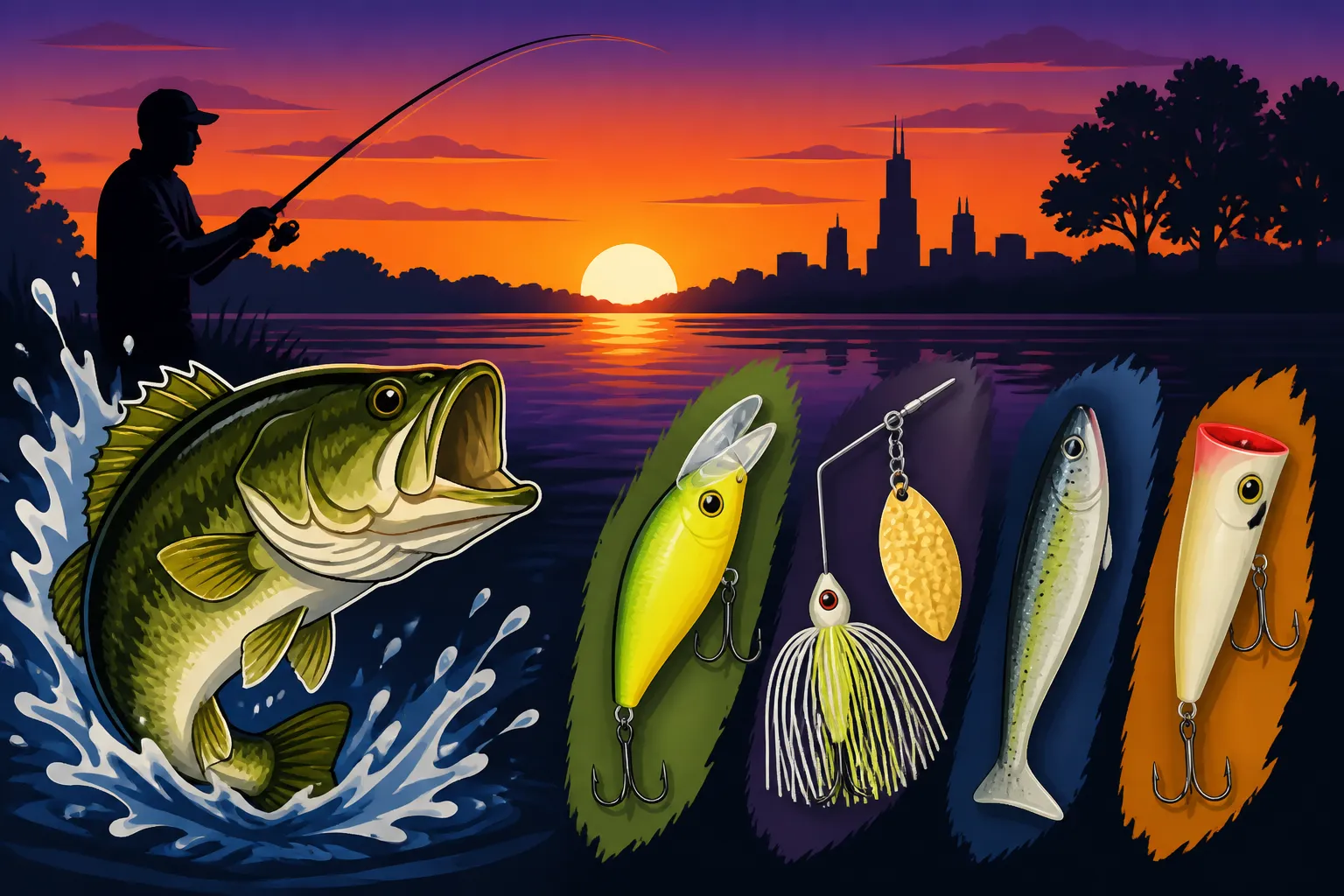
Poppers are fantastic for creating a distinct "plop" and splash that mimics an insect or small creature struggling on the surface. They are particularly effective when retrieved with a "pop-and-pause" technique, allowing the rings to dissipate before giving it another twitch. Walk-the-dog baits, like Heddon's Zara Spook, create a side-to-side sashay that perfectly imitates a fleeing baitfish and can be absolutely irresistible to bass and even some aggressive walleye. Buzzbaits, with their noisy propeller blades churning water, are perfect for covering large areas quickly and calling fish up from deeper water with their constant, high-frequency sound. You can often find a wide variety of these proven topwater lures on Amazon, making it easy to stock up for your next twilight adventure. These lures really capitalize on the aggressive nature of fish that are actively hunting.
Spinnerbaits and Chatterbaits: Vibration and Flash
As the light diminishes further, lures that produce strong vibration and flash become increasingly vital. Spinnerbaits and Chatterbaits fall squarely into this category, excelling in low-visibility conditions. Their design incorporates metal blades or a vibrating bladed jig head that sends out powerful thumps and flashes through the water, even in near darkness. These sensory signals are incredibly effective at attracting fish that are relying more on their lateral line system (which detects vibrations) than their eyes.
Spinnerbaits, with their rotating blades, create both flash and vibration, making them highly versatile. For dusk fishing, opt for single large blades or tandem Colorado blades, as these displace more water and create a stronger throb that fish can feel from further away. Skirt colors in darker hues like black, blue, or junebug can provide a better silhouette against the low light, even though the flash is the primary draw. Chatterbaits, on the other hand, feature a unique hexagonal blade that causes the lure to violently shake and wobble, creating an erratic, irresistible action. This intense vibration is a huge fish attractor when the visibility drops, making it a go-to choice for bass and pike in stained or low-light waters. Both types of lures are excellent for probing submerged cover or weed lines where fish might be staging as they move to shallower feeding grounds.
Dark-Colored Jigs and Worms: Silhouette Against the Gloom
Sometimes, a more subtle, yet still impactful, presentation is what the fish crave during dusk. This is where dark-colored jigs and soft plastic worms come into their own. When the sky dims, a dark-colored lure creates a stronger, more defined silhouette against the remaining light in the water column or against the bottom, making it easier for fish to detect. Instead of relying on flash or vibrant colors, these lures leverage contrast and natural profiles to draw strikes.
Pitching a black or dark blue jig with a matching soft plastic trailer into heavy cover or along deep weed edges can be deadly for bass. The jig's weight allows for precise presentations, and the subtle movement of the trailer can mimic a crawfish or baitfish perfectly. For soft plastic worms, think about Texas rigs or Carolina rigs with black, junebug, or even purple worms. These presentations allow for a slower, more deliberate retrieve, giving sluggish or cautious fish plenty of time to locate the bait through its profile and subtle movements. While visual, the appeal here is less about bright color and more about how the dark shape contrasts with the low light, making it an easy target for a predator. Fishing for Bass Fishing Techniques for Beginners often involves mastering these subtle approaches.
Specific Lure Recommendations for Illinois Fish Species at Dusk
Illinois waters are home to a diverse array of fish species, and while dusk offers prime fishing opportunities across the board, tailoring your lure selection to specific fish can dramatically improve your success. Each species has its own preferences and hunting strategies, which become even more pronounced as the light fades. Knowing which lures trigger a bite from a largemouth versus a walleye during the twilight hours is a game-changer for any serious Illinois angler.
Largemouth Bass: Aggression in the Shadows
Largemouth bass become absolute beasts during dusk. They are opportunistic predators, and the reduced light gives them a distinct advantage over their prey. This is the time when you'll often hear those explosive topwater strikes that get your heart pounding. For these aggressive hunters, a variety of lures can be incredibly effective.
Start with topwater offerings like the classic Jitterbug or a hollow-body frog. The Jitterbug's wobbling lip creates a distinct "gurgle" that bass can't resist, especially when retrieved slowly over calm water. Hollow-body frogs, worked over lily pads or dense submerged vegetation, are perfect for mimicking a real frog, a favorite meal for big bass. The dark silhouette of these lures against the dimming sky is a key visual trigger. As the light dwindles further, switch to larger spinnerbaits with Colorado blades in darker colors like black, blue, or purple. The thumping vibration and subtle flash draw strikes from bass lurking in the shadows. Finally, don't overlook a big black or blue jig-and-pig combination, pitched into fallen timber or deep weed lines. The slow fall and subtle movements can tempt hesitant bass that are holding tight to cover. Remember, bass are often looking for a hearty meal at dusk, so don't be afraid to go with slightly larger presentations. For more on how to target these fish, check out our guide on Largemouth Bass Fishing in Illinois: The Complete Guide.
Walleye: Low Light Hunters
Walleye are renowned for their exceptional low-light vision, making dusk one of the absolute best times to target them in Illinois. As the sun sets, these fish often move from deeper main lake basins or river channels into shallower feeding flats, rocky points, and weed edges to ambush baitfish. Their eyes are built for this, so while other fish might be struggling, walleye are just getting started.
Deep-diving crankbaits in natural or dark colors can be incredibly effective as walleye transition to shallower water. Look for baits with a tight wobble that can deflect off structure. Trolling these baits along contours or over submerged humps can produce consistent bites. For stationary presentations, try vertical jigging with minnow-imitating jigs or Jigging Raps in black, blue, or purple. The erratic action of a Jigging Rap often triggers a predatory response, even from wary walleye. When jigging, pay close attention to the bottom, as walleye will often hug structure. Another excellent option is a simple jig and a live minnow, or a soft plastic paddletail swimbait on a jig head, worked slowly along the bottom. For river walleye, try casting crankbaits or even spinner rigs with a nightcrawler tail into current breaks and eddies, especially where shallower flats meet deeper channels. Our guide to Illinois Walleye Fishing: The Complete Guide offers even more insights into their habits.
Crappie: Adapting to Dim Light
Crappie, especially larger slabs, also become quite active during the dusk hours, particularly in spring and fall. They tend to school up around structure like brush piles, submerged timber, or bridge pilings, and as the light fades, they become less spooky and more willing to move out from cover to feed on baitfish and insects. Targeting them requires a slightly more refined approach, often focusing on subtle presentations.
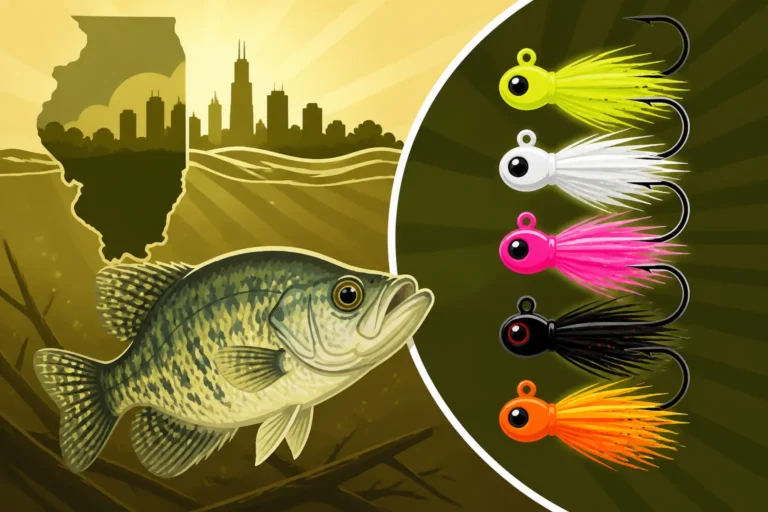
Small jigs are your best friend for dusk crappie. Think 1/32 to 1/8 ounce jigs tipped with small plastic tubes, grubs, or shad imitators in darker colors like black, dark blue, or purple. The key is to present these slowly, allowing them to gently fall through the water column near known crappie haunts. A slow retrieve with subtle twitches can mimic an injured baitfish, which is irresistible to crappie. Another effective option is a small Beetle Spin, where the single spinner blade adds just enough flash and vibration to draw attention without being overpowering. Glow-in-the-dark jigs can also be surprisingly effective as the light completely fades, offering a faint glow that crappie can home in on. For more detailed techniques, exploring Crappie Jigging Techniques can provide valuable insights for those twilight hours. Remember that crappie can be very depth-sensitive, so experiment with how deep you're fishing until you find their preferred zone.
Tips for Maximizing Your Dusk Fishing Success
Dusk fishing isn't just about the lures; it's about the entire experience and how you approach it. The transition from daylight to darkness presents unique challenges and opportunities that, when understood, can elevate your success significantly. From how you retrieve your lure to the essential gear you bring, a thoughtful approach will make your twilight hours on the water more productive and much safer.
Experiment with Retrieve Speeds
One of the most common mistakes anglers make during dusk is sticking to a retrieve speed that worked during the day. As the light fades and fish behaviors shift, their willingness to chase a fast-moving bait often changes. Sometimes, the reduced visibility makes them more confident to chase, but more often, they become more cautious, preferring an easier meal. This means you need to be constantly experimenting with your retrieve speed.
Start with a medium retrieve, but be prepared to slow it down significantly. A slower retrieve allows the fish more time to locate your lure by its vibration or silhouette and gives them an easier target to ambush. Often, a slow, steady retrieve with occasional pauses can be deadly. However, don't be afraid to speed it up occasionally, especially with topwater lures or buzzbaits, to trigger a reaction strike from an aggressive predator. Sometimes, that burst of speed or erratic action mimics a fleeing baitfish perfectly, especially for species like bass or pike. Pay close attention to how the fish are reacting to different speeds; one minute they might want a slow, meandering retrieve, and the next, a frantic, fleeing bait.
Consider Noise and Vibration
When sight becomes less reliable, other senses take over. This is why lures that produce significant noise and vibration are absolute powerhouses during dusk fishing. Fish have a highly developed lateral line system that can detect subtle pressure changes in the water, allowing them to "feel" vibrations even in complete darkness. Tapping into this sensory advantage is crucial for drawing strikes during low light.
Topwater lures like poppers and buzzbaits create audible splashes and gurgles that scream "dinner!" to predatory fish. Spinnerbaits and Chatterbaits, with their thumping blades, send out strong vibrations that fish can home in on from a surprising distance. Even soft plastics rigged with rattles can add an auditory element that helps fish locate the bait. For catfish, which rely heavily on scent and vibration, using lures or baits that create a strong scent trail or can be fished to produce a lot of disturbance on the bottom can be highly effective. The more sensory input your lure provides – whether it's sound, vibration, or even a strong scent – the higher your chances of getting a strike when visibility is poor. Learning how to fish effectively after dark can be a significant advantage, as detailed in our guide on Night Fishing Techniques.
Safety First: Gear Up for Low Light
While the fishing at dusk can be phenomenal, safety should always be your number one priority. As the light dwindles, visibility decreases rapidly, both on the water and along the banks. Being unprepared can turn a fantastic fishing trip into a dangerous situation very quickly. Before you even think about casting that first evening lure, make sure you're properly geared up for low-light conditions.
A reliable headlamp is absolutely essential, whether you're fishing from a boat or the shore. Choose one with multiple settings, including a red light option, which helps preserve your night vision. If you're on a boat, ensure all your navigation lights are functioning correctly and easily accessible. It's a legal requirement and critical for avoiding collisions. Beyond lighting, consider bringing a small first-aid kit, extra batteries, a fully charged cell phone, and dressing in layers, as temperatures can drop quickly after sunset. Telling someone where you're going and when you expect to return is also a wise practice. Remember, the fish aren't going anywhere, but your safety is paramount. Preparing for the transition from day to night goes beyond just lures; it's about being responsible and ensuring you can enjoy those magical twilight hours without incident. For broader preparation, consider our advice on How to Set Up for Night Fishing.
Dusk Fishing Lure Comparison Chart
| Lure Type | Primary Target Species | Key Action/Feature | Best Light Conditions | Pros | Cons |
|---|---|---|---|---|---|
| Poppers | Largemouth Bass, Pike | Surface disturbance, "pop" | Twilight, early night | Explosive strikes, calls fish from distance | Requires calm water, slower retrieve |
| Buzzbaits | Largemouth Bass, Pike | Surface commotion, noisy prop | Twilight, overcast days | Covers water quickly, very aggressive strikes | Less effective in choppy water, no pausing |
| Spinnerbaits | Bass, Walleye, Pike | Flash, strong vibration | Low light, stained water | Versatile, good for cover, strong fish attractor | Can spook wary fish in clear, calm water |
| Chatterbaits | Largemouth Bass, Pike | Erratic wobble, intense vib. | Low light, stained water | Unique action, triggers reaction strikes | Can be prone to snagging in heavy cover |
| Dark Jigs/Worms | Bass, Walleye, Crappie | Silhouette, subtle movement | Low light, full dark | Natural presentation, effective on wary fish | Slower retrieves, less aggressive strikes |
| Deep Crankbaits | Walleye, Bass | Vibration, depth control | Low light, full dark | Covers deeper water, deflects off structure | Can get snagged, retrieve speed critical |
| Small Jigs | Crappie, Panfish | Subtle profile, slow fall | Low light, full dark | Excellent for finicky fish, precise depth | Lightweight, harder to cast in wind |
This table provides a quick reference to help you decide which lure might be best for your target species and conditions as the sun sets over your favorite Illinois fishing spot.
Disclaimer
This article is for general informational purposes only and does not constitute professional advice. Laws, prices and regulations vary by location and change over time. Consult a qualified professional for guidance on your specific situation.