Best Lures for Dawn Fishing
There’s nothing quite like the feeling of watching the first hint of light creep over the horizon when you’re out on the water, rod in hand. That early morning chill, the mist rising, the promise of a peaceful day—it’s magical. But let's be honest, it can also be frustrating when you're there before anyone else, full of hope, and the fish just aren't biting. We've all cast into the dim light with dreams of a trophy catch, only to be met with silence. This guide is all about turning those dawn hours into prime fishing time by helping you choose the best lures for dawn fishing in Illinois, giving you the edge before the day fully awakens.
Why Dawn Fishing Is a Game Changer for Illinois Anglers
You’ve probably heard the old adage, "the early bird gets the worm," and it couldn't be truer for fishing. Those twilight hours just before and after sunrise offer a unique window of opportunity that seasoned anglers swear by. It’s not just about tradition; there are real, scientific reasons why fish are more active and vulnerable during this time. Understanding these factors can help you mentally prepare and choose your lures more effectively, ensuring you’re not just hoping for a bite, but actively targeting the most productive times.
The Golden Hour: Low Light and Ambush Predators
Imagine you're a predator. Would you rather hunt in broad daylight where you're easily seen, or under the cover of low light where you can surprise your prey? Most fish, especially the larger, more aggressive species like bass, walleye, and even crappie, prefer to hunt in dim conditions. The hour or so around sunrise is often called the "golden hour" for a reason. This low light makes it harder for baitfish to spot an approaching predator, giving the hunter a distinct advantage.
Think about how you feel in bright sunlight versus a dimly lit room. For many fish, direct sunlight can be uncomfortable or even harsh on their eyes, especially if they are accustomed to deeper, darker waters. As the sun rises and the light levels increase, these fish often retreat to deeper water, thicker cover, or shaded areas. This means that at dawn, they're more likely to be out and actively foraging in shallower water or along structure where they wouldn't be as exposed later in the day. Your job is to present a lure that capitalizes on this brief window of increased aggression and decreased visibility. The key is to make your lure stand out without being so garish that it spooks them.
Cooler Temperatures and Oxygen Levels
Another significant factor at play during dawn is the water temperature and oxygen content. Throughout the night, water temperatures generally cool down, especially after a warm day. As the sun begins to warm the water again, this period of cooler, often more stable temperatures can make fish more comfortable and active. Just like us, fish have an optimal temperature range where they feel their best and expend energy most efficiently.
Furthermore, dissolved oxygen levels can be higher in the early morning, particularly in smaller lakes and ponds that might experience oxygen depletion later in the day due to aquatic vegetation processes. Higher oxygen content means fish are more energetic and willing to chase down a meal. This often translates to a more aggressive bite, which is exactly what we as anglers are looking for. They're not sluggish; they're ready to eat. This renewed vigor means they're more likely to strike at a lure that mimics a fleeing baitfish or an easy meal, even if it requires a bit more effort on their part. For a deeper dive into how environmental factors affect fish, check out our guide on Water Temperature and Fish Activity Guide.
Reduced Boat Traffic and Pressure
This might seem obvious, but it's a huge advantage. Early morning hours mean significantly less boat traffic, fewer jetskis, and generally fewer disturbances on the water. Fish, like any wildlife, can become skittish and pressured when there's a lot of activity around. Propeller wash, loud engines, and constant casting can put them off the bite.
When you're out there at dawn, you're often one of the first, if not the first, on the water. This lack of pressure allows fish to behave more naturally. They're not constantly being chased or disturbed, making them bolder in their feeding patterns. This is especially true in popular Illinois fishing spots near cities or highly trafficked lakes. A calmer environment means a more relaxed fish population, which in turn leads to a higher probability of strikes. It's a peaceful experience for the angler, too, allowing you to focus on your technique and enjoy the solitude before the crowds arrive. This quiet time is often mentioned when discussing Dawn Fishing Techniques.
Top Lure Categories for Illinois Dawn Fishing
Now that we understand why dawn fishing is so effective, let's talk about the tools of the trade: the lures. The low-light conditions and active feeding patterns of fish at this time mean that certain types of lures genuinely shine. You're looking for lures that create disturbance, offer a strong profile, and sometimes, those that can be worked subtly. Having a few key categories in your tackle box that are optimized for these conditions will dramatically increase your chances of success.
Topwater Lures: Waking Up the Water
There's almost nothing more exhilarating than a topwater strike at dawn. The water is often calm, maybe a bit foggy, and then—*BAM!*—a fish explodes on your lure. Topwater baits capitalize on the low light and the fact that many predatory fish are looking up for an easy meal. The silhouette of a lure on the surface is highly visible against the brightening sky, and the commotion it creates can draw fish from surprising distances.
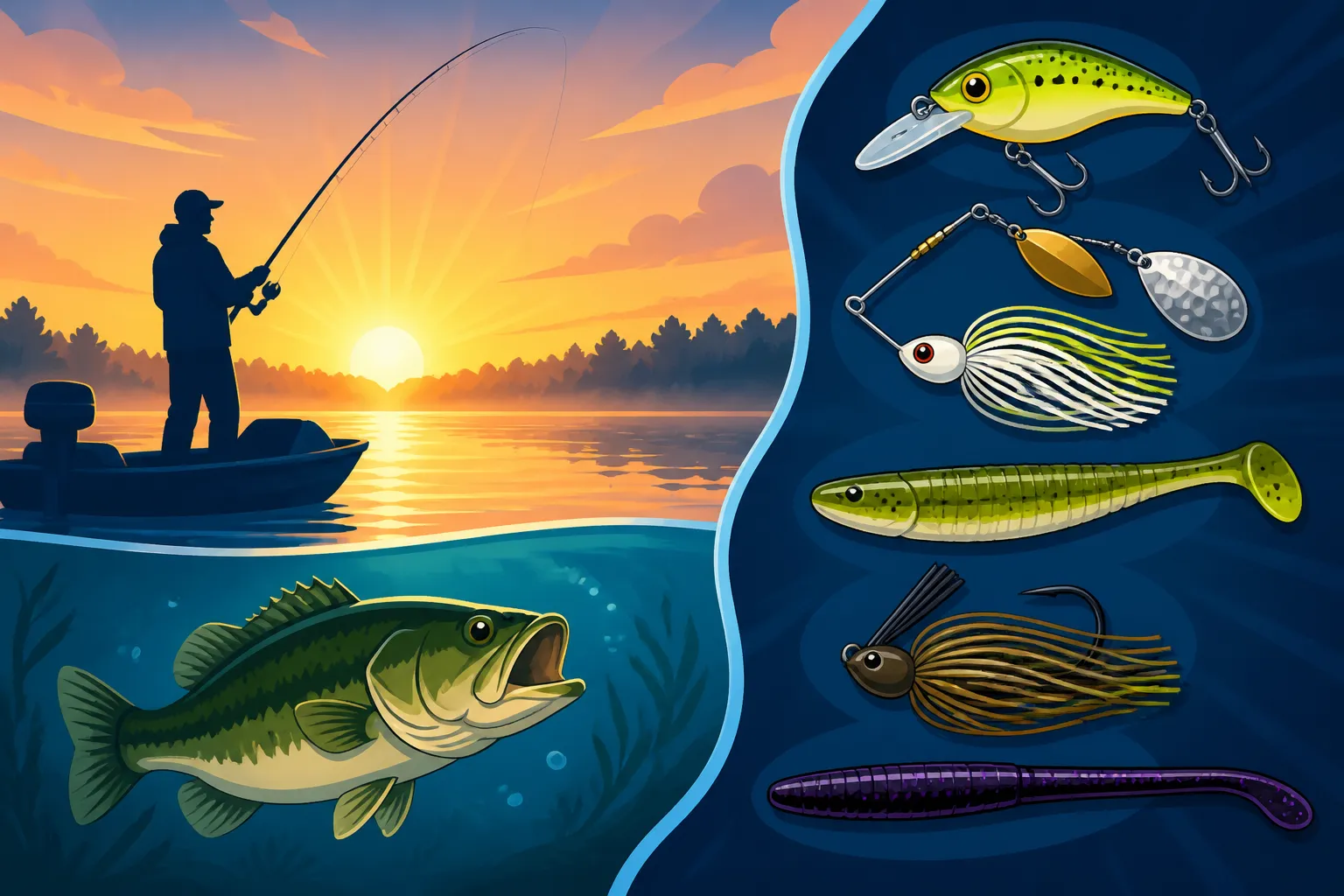
Think about a waking buzzbait creating a gurgling racket as it skims the surface, or a walking bait like a Heddon Super Spook Jr. sashaying side-to-side, mimicking a struggling baitfish. Poppers, with their distinct "blup" sound, are fantastic for drawing aggressive strikes. Even a simple Jitterbug, wobbling across the surface, can be irresistible. The key with topwater is often retrieval speed. In cooler dawn temperatures, a slower, more deliberate retrieve with pauses can be incredibly effective, giving sluggish fish more time to commit. Later in the morning as the sun gets higher, you might speed it up, but that initial low light calls for a patient presentation. You can find a wide variety of these classic topwater lures on Amazon, ready for your next early morning adventure. For more ideas on surface presentations, consider exploring How to Fish a Topwater Lure for Bass.
Spinnerbaits and Bladed Jigs: Vibration and Flash
When fish are actively hunting in low light, they rely heavily on their lateral line to detect vibrations in the water. This is where spinnerbaits and bladed jigs, also known as Chatterbaits, truly excel. The spinning blades of a spinnerbait create flash and thumping vibrations that can be felt by fish from a considerable distance, mimicking a school of fleeing baitfish. The skirt pulsates, adding to the illusion of movement.
Bladed jigs take this concept and amplify it with a vibrating blade attached to the jig head, creating a unique shimmy and shake that drives fish wild. They offer a larger profile and a different kind of vibration compared to a spinnerbait. Both are incredibly versatile for dawn fishing. You can retrieve them steadily, yo-yo them along the bottom, or even burn them just under the surface. For stained or murky water, larger blades or brighter colors might be more effective, while in clearer water, more natural hues or smaller blades can be better. The flash and vibration are often what trigger those instinctual predatory strikes, especially from bass and pike that are cruising the shallows for an easy breakfast. When the sun is just peeking, the subtle flash from a blade can be enough to catch a fish's eye in the dimness.
Soft Plastics and Jigs: Subtlety for Finicky Biters
While aggressive lures are great for active fish, sometimes the bite can be a bit more subtle, even at dawn. This is where soft plastics and jigs come into their own. These lures offer incredible versatility and can be presented in a way that mimics a wide variety of natural prey, from worms and crawfish to baitfish. They are excellent for probing structure, fishing deeper contours, or for when fish are just not committing to faster-moving baits.
Think about a Texas-rigged worm, slowly dragged along a weed line or a rocky drop-off. The subtle movement and natural feel can entice even the most wary fish. Jigs, whether dressed with a plastic grub, a creature bait, or a skirt, offer a compact, realistic presentation. You can hop them, drag them, or swim them, imitating everything from bottom-dwelling prey to injured baitfish. For walleye, a jig-and-minnow combo bounced along the bottom can be deadly at dawn, especially if they've moved off shallow feeding flats. Even panfish like crappie will readily hit small jigs or soft plastic tubes during early morning hours. The key here is patience and feeling for those subtle taps and bumps. Having a good selection of soft plastics in various colors and sizes is essential for adapting to different conditions and species, and you'll find a massive selection on Amazon to stock your tackle box for any scenario. If you're looking to refine your bass jigging, our guide on How to Rig a Jig for Bass Fishing offers great tips.
Species-Specific Lure Choices for Early Birds
Different fish species have different habits, even during the magical dawn hours. What works for a hungry largemouth might not even get a sniff from a walleye, and vice versa. Knowing which lures to tie on for your target species is crucial for making the most of those precious early morning minutes. Let’s break down some specific recommendations for the most popular game fish in Illinois.
Largemouth and Smallmouth Bass at Dawn
When it comes to bass, dawn is prime time. Both largemouth and smallmouth are actively hunting and often move into shallower water to feed. Their aggressive nature makes them perfect targets for lures that create a commotion. For largemouth, especially those lurking around lily pads, submerged timber, or weed lines, topwater baits are hard to beat. Frog patterns, popping baits, and walking baits thrown into these areas can provoke explosive strikes. The sound and silhouette are irresistible.
Smallmouth bass, often found in rocky areas, clear water, and river currents, are equally aggressive but might prefer different presentations. Spinnerbaits, especially those with willow leaf blades for clearer water, are fantastic for covering water and finding active smallies. Jerkbaits, retrieved with a "twitch-twitch-pause" cadence, can also be incredibly effective, mimicking an injured baitfish. And don't forget jigs! A small finesse jig or a Ned rig worked along rocky bottom or current breaks can coax strikes from even the most cautious smallmouth. Remember to match your lure size and color to the prevalent baitfish in the area. Our guide on How to Fish for Bass at Dawn can give you even more detailed strategies.
Crappie and Panfish in the Early Morning
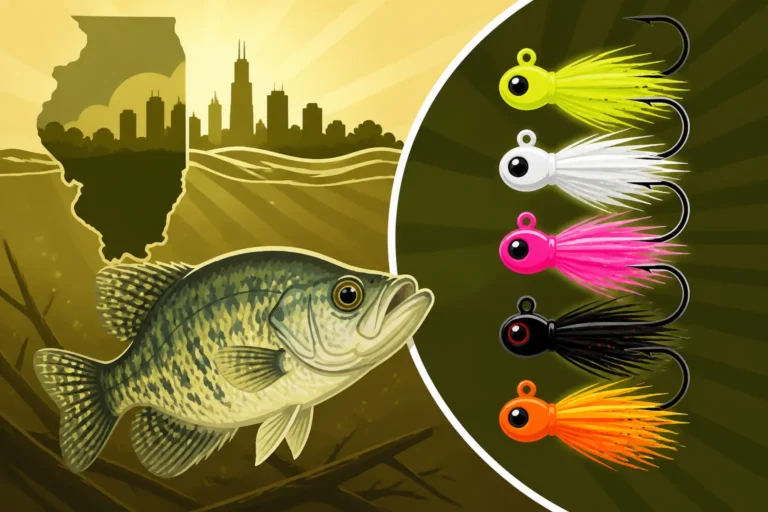
Crappie and other panfish like bluegill and redear sunfish are also very active at dawn, often moving into shallower water to feed on small insects, minnows, and crustaceans. They might not offer the same explosive strike as a bass, but they can provide consistent action and fill a cooler quickly. For crappie, small jigs are your bread and butter. Tiny hair jigs, plastic tube jigs, or even micro-spinnerbaits can be incredibly effective when fished around brush piles, submerged timber, or bridge pilings.
Vertical jigging around structure, or casting and slowly retrieving these small baits, will often draw strikes. In colder water, a jig tipped with a minnow is often irresistible. For bluegill and other sunfish, even simpler presentations work wonders. A tiny jig or an even smaller spoon, possibly tipped with a wax worm or piece of a nightcrawler, suspended under a bobber can lead to non-stop action, making it a great option for kids too! Early mornings are perfect for Best Crappie Fishing Lakes in Illinois, as the fish are typically less pressured.
Walleye and Catfish: Low Light Opportunities
Walleye are notorious for being low-light feeders, making dawn one of the absolute best times to target them. They have excellent vision in dim conditions, giving them a significant advantage over their prey. For walleye, crankbaits that dive to the depth of the thermocline or where baitfish are holding can be very productive, especially when trolled slowly. Blade baits and jigs, often tipped with live bait like a minnow or nightcrawler, are also incredibly effective. Presenting these on or near the bottom, especially along drop-offs, humps, or current seams, is key. They often hug the bottom during the day but will move shallower to ambush at dawn.
Catfish, while often thought of as nocturnal, are also quite active at dawn, especially channel catfish and blue catfish. While traditional stink baits and cut baits are always good, don't overlook artificial lures for more active, cruising catfish. Large spinnerbaits, bladed jigs, or even big soft plastic swimbaits can trigger strikes from actively feeding catfish, especially in river systems or at the mouths of creeks where baitfish are abundant. The vibration and profile of these lures can draw them in. Our detailed guide on Catfish Fishing Techniques and Bait Guide offers even more insights into tempting these whiskered giants.
Practical Tips for Maximizing Your Dawn Fishing Success
Getting out before the sun is truly up is a commitment, and you want to make sure that commitment pays off. It's not just about the lures; it's about the entire experience, from preparation to execution. A few key practices can drastically improve your odds and make those early hours even more rewarding. It's about being prepared, observant, and adaptable.
Scouting and Preparation: Before the Sun Rises
Success at dawn begins long before your alarm clock goes off. Scouting your fishing spot beforehand is paramount. If you're visiting a new lake, use online maps or local fishing reports to identify potential hotspots like points, coves, weed lines, submerged timber, or rocky areas that might hold fish. Even better, visit the lake during the day to physically see the structure and plan your attack routes. Knowing where you're going to cast first, and having a backup plan, saves valuable time in the dim light.
Equally important is having all your gear ready the night before. This means tying on your chosen lures, charging your boat batteries, organizing your tackle box, packing a headlamp, and making sure your rods are rigged. The last thing you want to do is fumble around in the dark, trying to tie a knot or find the right lure. Getting to your spot before the sun cracks the horizon gives you a few precious minutes to observe the water, listen for baitfish activity, and make those crucial first casts as the light just begins to appear. For a comprehensive list of what to bring, consult our Illinois Boating Safety Equipment Checklist for New Owners.
Reading the Water and Adapting Your Approach
Even with the best preparation, fishing is dynamic. The conditions at dawn can change rapidly, and what worked yesterday might not work today. This is where "reading the water" comes in. Pay attention to subtle cues:
- Water clarity: Is it clearer or murkier than expected? This can influence your lure color and size choices.
- Surface activity: Are baitfish flicking on the surface? Are there signs of predators chasing them? Cast towards that activity!
- Wind and current: Is there a ripple or strong current? Fish often position themselves to ambush prey coming with the flow.
- Temperature: Does the water feel colder or warmer than expected?
If your initial lure choice isn't producing, don't be afraid to switch it up. If topwater isn't drawing strikes, try a spinnerbait subsurface, or slow down with a soft plastic. Vary your retrieve speed and depth until you find what the fish are responding to. Sometimes, a slight change in color or even a different retrieve cadence is all it takes to unlock the bite. This adaptability is what separates good anglers from great ones.
Safety Considerations for Early Morning Anglers
While dawn fishing is incredibly rewarding, it comes with its own set of safety considerations. Operating in low light, or even complete darkness, requires extra caution. Always ensure you have adequate lighting, whether it's a headlamp or navigation lights on your boat. Be mindful of your surroundings, especially if you're navigating unfamiliar waters or areas with hazards like stumps or rocks.
If you're fishing from a boat, always have your life jackets readily accessible, and consider wearing one, especially if you're alone. The water can be colder in the early morning, and an unexpected fall could be dangerous. Let someone know where you're going and when you expect to be back. The solitude of dawn fishing is part of its charm, but it also means help might not be immediately available if something goes wrong. A little extra planning and vigilance will ensure that your dawn fishing trips are not only productive but also safe and enjoyable. Many anglers find their peace in the quiet moments on the bank, making Best Bank Fishing Spots in Illinois a great resource for safe and accessible locations.
| Lure Category | Target Species (Dawn) | Conditions (Dawn) | Retrieval Tips (Dawn) | Why it Works at Dawn |
|---|---|---|---|---|
| Topwater Lures | Largemouth Bass, Smallmouth Bass, Pike | Calm water, low light, fog | Slow, deliberate, long pauses | Silhouette against sky, surface disturbance, triggers aggressive ambush strikes. |
| Spinnerbaits | Largemouth Bass, Smallmouth Bass, Walleye, Pike | Stained to clear water, active fish | Steady retrieve, vary depth | Flash and vibration attract fish in low visibility, mimics fleeing baitfish. |
| Bladed Jigs | Largemouth Bass, Smallmouth Bass, Catfish, Pike | Stained to clear water, active fish | Steady retrieve, jigging motion | Strong vibration, large profile, distinct erratic action, triggers reactionary strikes. |
| Soft Plastics | Largemouth Bass, Smallmouth Bass, Walleye, Crappie, Catfish | Various, for finicky or subtle bites | Slow drag, hop, twitch, pause | Natural presentation, mimics various prey, can be fished at any depth, good for probing structure. |
| Jigs (Small) | Crappie, Bluegill, Panfish | Around structure, brush piles | Vertical jigging, slow retrieve | Small profile, subtle movement, irresistible to panfish. |
| Jigs (Heavy) | Walleye, Catfish, Bass | Bottom fishing, deeper water | Hop, drag, bounce along bottom | Mimics crawfish or bottom-dwelling prey, good for current or probing structure. |
| Crankbaits | Walleye, Bass, Pike | Deeper water, trolling, active fish | Steady retrieve, varying depths | Reaches fish at specific depths, strong vibration and wobble, covers water efficiently. |
Hopefully, this guide helps you feel more confident and prepared for your next early morning fishing excursion in Illinois. There’s a special magic to those dawn hours, and with the right approach, you can make them some of your most productive and memorable times on the water.
Disclaimer
This article is for general informational purposes only and does not constitute professional advice. Laws, prices and regulations vary by location and change over time. Consult a qualified professional for guidance on your specific situation.