Why Fish Bite Better at Dawn
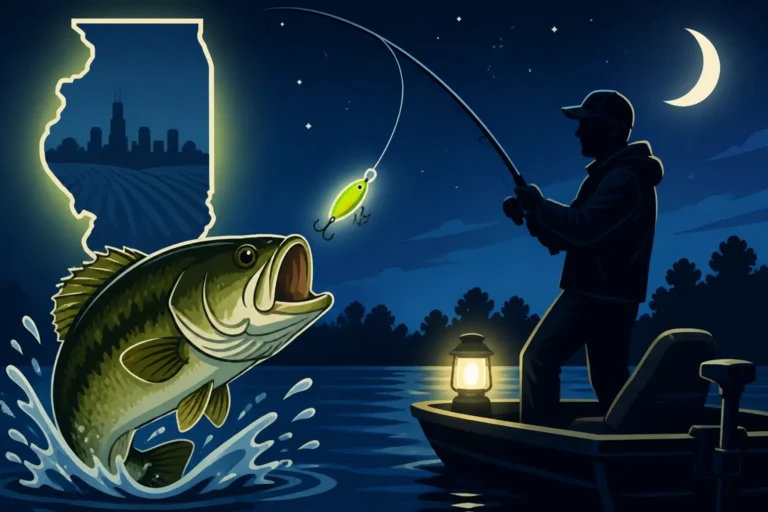
If you're an angler who struggles to get a bite in the middle of a bright, sunny afternoon, only to find the fish practically leaping onto your line at the crack of dawn, you're not alone. It's a common frustration, and a deeply felt truth for many of us who chase fish across Illinois's beautiful lakes and rivers. This isn't just a coincidence or a stroke of luck; there's real science behind why those early morning hours, often before the sun fully crests the horizon, are so incredibly productive. This guide will peel back the layers to explain exactly why fish bite better at dawn and how you can use this knowledge to fill your cooler, or at least your photo album, with some truly memorable catches.
The Science Behind the "Dawn Bite" Phenomenon
That magical window just before and after sunrise, often called "the golden hour" by photographers, is equally golden for anglers. It’s a time when many of the natural conditions align perfectly to encourage fish activity. Understanding these underlying scientific principles isn't just academic; it actively informs your approach and helps you make smarter decisions on the water.
Light Levels and Fish Vision
One of the most significant factors driving the dawn bite is light. Or, more precisely, the lack of intense light. As the sun begins its ascent, the light levels transition from darkness to a dim, ambient glow. For many predatory fish, this low-light environment offers a distinct advantage. Their eyes are often better adapted to seeing in dim conditions than those of their prey, giving them an edge as they hunt. Imagine trying to spot a minnow darting through the water when the sun is blazing down, causing glare and reflection. Now imagine doing it in soft, diffused light. The difference is huge.
This reduced visibility for prey fish makes them feel less secure and more vulnerable, prompting them to move and feed more openly. For predators like largemouth bass, walleye, or even crappie, this translates into easier hunting. They can strike with greater stealth and surprise. This is why you often see explosive topwater bites in these conditions—fish are less wary of presenting themselves near the surface. You might find that the Best Lures for Dawn Fishing often capitalize on this low-light advantage.
Water Temperature Fluctuations
The early morning hours typically represent the coolest point of the day, especially after a long, clear night. Water, like air, cools down overnight, reaching its lowest temperature just before sunrise. This cooling trend significantly impacts fish metabolism and oxygen absorption. Most freshwater fish are cold-blooded, meaning their body temperature, and thus their metabolic rate, is directly tied to the water temperature.
As the water cools, fish become more comfortable and active, especially species that prefer cooler water. Warmer water holds less dissolved oxygen, and can make fish sluggish and stressed during the heat of the day. The dawn's cooler temperatures provide an invigorating boost, encouraging fish to move, digest, and actively seek food. This cooler period also means baitfish are often more lively, further stimulating predators. You can learn more about this dynamic in our guide on How Water Temperature Affects Fish Activity.
Predator-Prey Dynamics at First Light
The combination of favorable light and temperature conditions creates a perfect storm for heightened predator-prey activity. Fish, particularly game fish, are opportunists. They know that this window of opportunity is fleeting, and they'll take advantage of it to feed before the sun climbs high, sending them to deeper, cooler, or more shaded refuges. It's like a morning rush hour for fish, but instead of traffic, it's a feeding frenzy.
Baitfish and insects, emboldened by the dim light and cooler temperatures, become more active, moving out from cover to forage. This increased activity by the prey naturally draws in the predators, creating a chain reaction. Suddenly, the water that seemed still and lifeless just an hour before is alive with darting shadows and surface strikes. This heightened activity can be observed across various species, from the aggressive strikes of a bass to the subtle takes of a crappie, making it a prime time for Spring Fishing Patterns for Multiple Species.
Environmental Factors That Peak at Dawn
Beyond just light and temperature, other critical environmental elements reach their optimal balance at dawn, further contributing to improved fishing conditions. These factors, often overlooked, play a significant role in fish comfort and feeding.
Oxygen Levels and Water Quality
During the day, aquatic plants and algae perform photosynthesis, releasing oxygen into the water. However, at night, without sunlight, they switch roles and consume oxygen. This means that by the end of the night, dissolved oxygen levels can be at their lowest. As dawn breaks and the first rays of light hit the water, photosynthesis kickstarts again, and oxygen levels begin to rebound. The period just after sunrise often sees a peak in dissolved oxygen, making the water more hospitable and invigorating for fish.
Fish need dissolved oxygen to "breathe" through their gills. When oxygen levels are optimal, fish are more comfortable, more energetic, and more likely to feed. Conversely, low oxygen levels can make them sluggish and less interested in food. Good water quality, supported by healthy oxygen levels, is a fundamental requirement for a thriving fishery, and it’s one of the subtle advantages dawn offers.
Insect Activity and Forage Availability
Dawn isn't just about the fish; it's about the entire ecosystem waking up. Many aquatic insects, like mayflies, caddisflies, and midges, undertake their major hatches or movements at first light. These insect hatches provide a vital food source for smaller baitfish and panfish, which, in turn, become attractive targets for larger game fish. Imagine a flurry of insects emerging from the water—it's an all-you-can-eat buffet for hungry fish.
Beyond insects, many small baitfish species, such as shiners, minnows, and shad, also become more active at dawn. They move out of their nighttime hiding spots, often near cover or deeper water, to forage in the shallower, food-rich areas. This concentration of forage fish creates a perfect scenario for predators to ambush their meals. For anglers, observing these natural cycles and understanding what fish are keying in on can be the difference between a slow day and a successful one.
Reduced Human Activity and Noise
This factor is perhaps the most relatable for many of us. At dawn, most people are still asleep, and the waterways of Illinois are often peaceful and quiet. There's less boat traffic, fewer jetskis roaring by, and generally less noise and commotion. For fish, especially those in high-pressure public waters, this reduction in disturbance is a huge relief. Fish are sensitive to vibrations and sounds traveling through the water. Constant boat traffic and human activity can stress them, making them retreat to deeper water or denser cover, and making them much less likely to bite.
Fishing during these quiet hours means you're presenting your bait or lure to less stressed, more naturally behaving fish. The lack of engine noise, splashing, and general human presence allows fish to move and feed more freely, increasing your chances of a successful hookup. For popular spots, getting out before the crowds often means you'll have the best opportunities to target prime fishing grounds without competition or disturbance. It's often the best time to fish when exploring Illinois State Park Fishing Spots.
Practical Strategies for Maximizing Your Dawn Fishing in Illinois
Knowing why fish bite better at dawn is one thing, but translating that knowledge into actual catches requires practical application. Here's how to make the most of those precious early morning hours in Illinois.
Timing Your Arrival and Preparation
The golden rule of dawn fishing is simple: you need to be on the water before the first light truly appears. This means setting your alarm for an ungodly hour, but trust me, it's worth it. Arriving early allows you to get your boat launched, your gear set up, and to quietly approach your chosen fishing spot while it's still dark. This minimizes disturbance and allows you to be ready to cast as soon as that magical low-light window opens. If you're bank fishing, this means walking quietly to your spot, headlamp on low, and having your rig ready to go.
Preparation is key. Have your tackle box organized, your rods strung, and your baits tied on the night before. Fumbling with knots in the dark is a recipe for frustration and lost time. Pack a thermos of coffee and some easy breakfast, because you'll want to maximize your time on the water when the fish are most active. This kind of diligent preparation is essential whether you're targeting bass on a local pond or heading out to Lake Michigan Salmon and Trout Fishing in Illinois. You can find some excellent organizational tools and tackle boxes on sites like Amazon to help you get prepared.
Lure and Bait Selection for Low Light
The low-light conditions at dawn dictate different lure and bait choices compared to bright midday sun. Here’s what generally works well:
- Topwater Lures: Think poppers, walk-the-dog baits, and buzzbaits. The surface disturbance and silhouette they create against the dim sky are incredibly effective for triggering explosive strikes from predatory fish like largemouth bass. They're a classic for How to Fish a Topwater Lure for Bass.
- Darker Colors and Silhouettes: In low light, fish often rely more on sensing vibrations and seeing silhouettes. Darker colors like black, blue, and purple create a strong profile against the lighter surface or sky, making them easier for fish to detect. Contrast is more important than specific hue.
- Noisy Baits: Baits with rattles, blades (like spinnerbaits or chatterbaits), or those that create significant water displacement are excellent. The added noise and vibration help fish locate the lure in the dim light.
- Live Bait: If you're using live bait, make sure it's fresh and lively. Minnows, worms, or shad will be highly active in the cool dawn water, naturally attracting fish.
Always have a variety ready, as fish can be finicky. Sometimes a subtle presentation works best, other times an aggressive, noisy one. Many anglers stock up on these versatile options from places like Amazon, ensuring they have everything they need for diverse conditions.
Understanding Different Species' Dawn Habits
Not all fish behave exactly the same at dawn. While the general principles apply, understanding the nuances of different species can fine-tune your approach.
- Bass (Largemouth and Smallmouth): Largemouth bass will often move into shallow cover, weed lines, and submerged structure to ambush baitfish. Smallmouth bass might patrol rocky points, main lake flats, and current seams in rivers. For specific tips on chasing these fish, check out our Largemouth Bass Fishing in Illinois: The Complete Guide and Smallmouth Bass Fishing in Illinois: The Complete Guide.
- Walleye: These light-sensitive predators are particularly active in low light. They'll often move from deeper holding areas to shallower feeding flats, humps, and points, especially those with rocky or gravel bottoms where they can ambush prey. Trolling with crankbaits or jigging with live bait can be highly effective. Our guide to Illinois Walleye Fishing: The Complete Guide has more detailed information.
- Crappie: Crappie will often move to the edges of brush piles, submerged timber, and weed lines in shallower water to feed on minnows and insects. Small jigs and minnows under a bobber are deadly.
- Catfish (Channel, Blue, and Flathead): While catfish are often thought of as night feeders, they can be very active at dawn as well, especially flatheads. They’ll be on the prowl for an easy meal before the sun gets too high. Look for them in deeper holes, current breaks, and near log jams. Learn more in our Catfish Species in Illinois: The Complete Guide.
By knowing what each species typically does at dawn, you can target your efforts more precisely and increase your chances of success.
Beyond Dawn: When Else Do Fish Bite Well?
While dawn offers undeniable advantages, it's not the only time fish are active. Understanding other peak feeding periods can help you extend your fishing success throughout the day and even into the night. Angling is about adapting, after all!
Dusk and Night Fishing Opportunities
Just as dawn brings a transition from dark to light, dusk offers the reverse: a gradual fade from light to dark. Many of the same principles that make dawn so productive also apply to dusk. Reduced light levels, decreasing water temperatures, and increased baitfish activity can trigger another strong bite window in the evening. As the sun sets, fish once again feel more comfortable venturing out from deeper water or heavy cover to feed.
Night fishing, especially during warmer months, can also be incredibly rewarding, particularly for species like catfish, walleye, and even some bass. The cover of darkness provides maximum stealth for predators, and many larger fish become bolder under the moon. If you're curious about trying this, our article on Is Night Fishing Better Than Day Fishing? delves into the unique strategies and benefits of fishing after hours.
Overcast Days and Changing Weather
Nature has a way of mimicking dawn conditions even in the middle of the day. Overcast skies, especially those with heavy cloud cover or light rain, significantly reduce the intensity of sunlight penetrating the water. These conditions often trigger fish to act as if it's dawn or dusk, extending their feeding windows. The diffused light reduces glare and makes fish feel more secure in shallower water, leading to increased activity.
Similarly, changes in weather patterns can greatly influence fish behavior. Approaching fronts, sudden temperature drops, or even the period immediately after heavy rain can sometimes stimulate feeding. While a cold front might initially slow things down, the "post-front bite" can be exceptional once fish adjust. Exploring topics like How to Fish After a Cold Front or Do Fish Bite Better Before a Storm? can provide valuable insights into these dynamic conditions.
Ultimately, while dawn holds a special place in an angler's heart (and tackle box!), being observant and adaptable to various environmental cues will make you a more successful fisherman throughout the entire year in Illinois.
Disclaimer
This article is for general informational purposes only and does not constitute professional advice. Laws, prices and regulations vary by location and change over time. Consult a qualified professional for guidance on your specific situation.