How to Fish After a Cold Front
Ever wake up after a beautiful sunny day, excited to hit your favorite Illinois fishing spot, only to find the weather's done a 180? That sharp drop in temperature, the clear skies, and calm winds – it's the dreaded cold front, and it can turn a promising fishing trip into a frustrating blank. It feels like the fish just vanish, or refuse to bite anything you throw at them. You're not alone in feeling this way. This guide is here to unravel the mysteries of fishing after a cold front, arming you with the knowledge and tactics to still find success when the weather takes a turn for the worse.
The Science Behind the Shutdown: What a Cold Front Does to Illinois Fish
It’s truly amazing how quickly fish can react to changes in their environment, and a cold front is one of the most dramatic shifts they experience. One day, the bite is on fire; the next, it’s like the lake is empty. Understanding why this happens is the first step to figuring out how to still catch fish. It’s not just about the temperature drop; there’s a whole chain reaction that impacts fish behavior, from their comfort levels to their feeding instincts.
The Impact of Barometric Pressure Changes
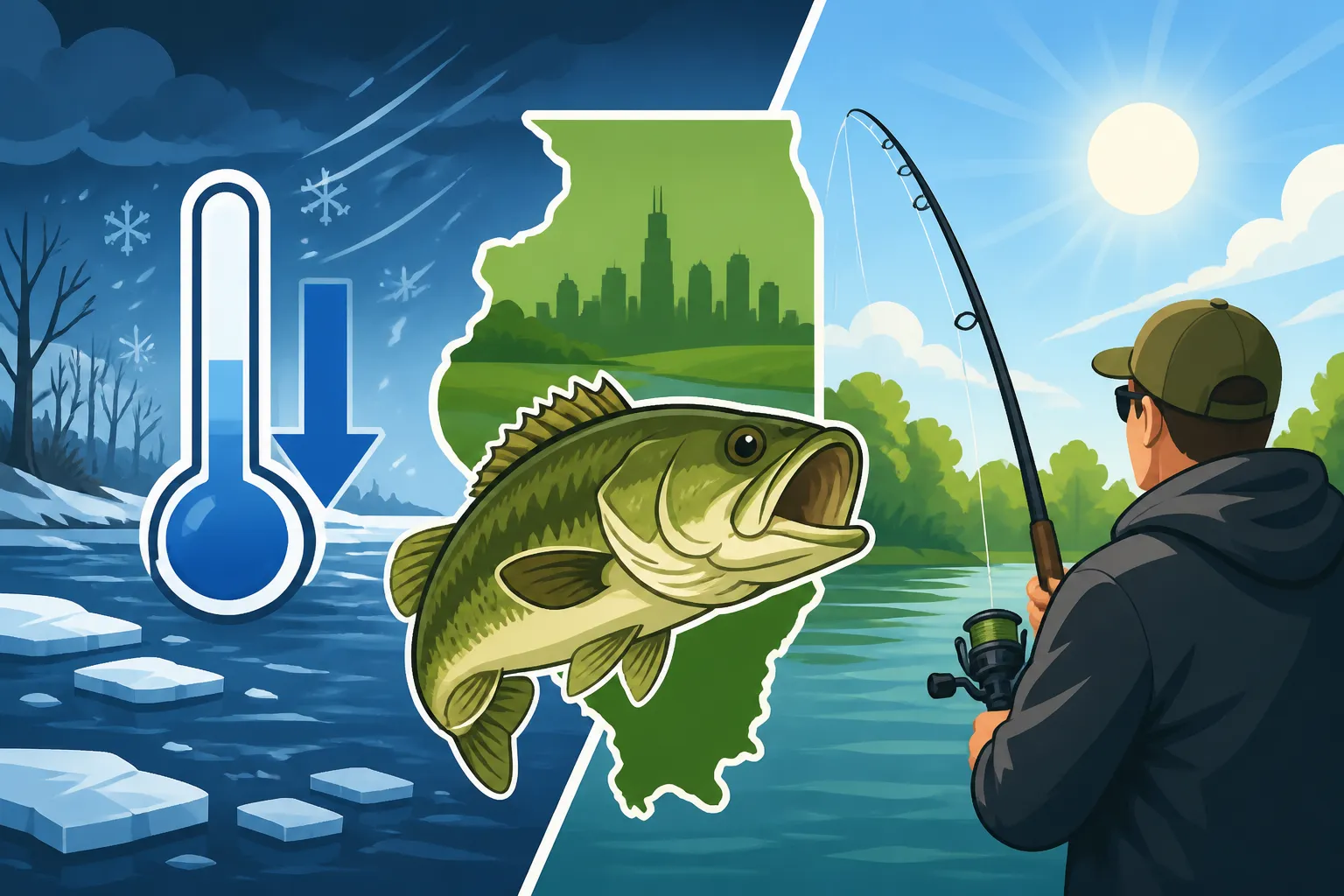
Perhaps the most significant, yet often overlooked, factor during a cold front is the rapid change in barometric pressure. Before a front moves in, the pressure typically drops, creating a low-pressure system. This is often when you'll experience some of the best fishing! Fish tend to be more active and feed aggressively during these times. Then, the cold front arrives, bringing with it a high-pressure system. This sudden increase in pressure pushes down on the water, and consequently, on the fish and their sensitive swim bladders.
Imagine feeling a sudden, intense pressure on your eardrums – that's a bit like what fish experience. This discomfort often drives them to deeper water or to seek out heavy cover where they can equalize the pressure more easily. Their metabolism slows down, and their instinct to feed diminishes significantly. This is why you often find them sluggish and reluctant to chase a fast-moving lure. You might want to check out our deep dive into Does Barometric Pressure Affect Fishing? for even more details on this phenomenon.
Water Temperature Fluctuations and Metabolism
While barometric pressure is the immediate shock, the subsequent drop in water temperature is a long-term influencer. Cold fronts bring colder air, often with clear skies and increased winds, which rapidly cools the surface water, especially in shallower areas. Fish are cold-blooded creatures, meaning their body temperature is regulated by their environment. As the water cools, their metabolism slows down dramatically. This isn't just a minor dip; it can feel like hitting a brick wall for their activity levels.
When their metabolism slows, they don't need to eat as much, and they certainly won't exert much energy chasing food. This is particularly true for popular Illinois species like largemouth bass, crappie, and walleye. They become lethargic, conserving energy. They'll move to areas where the water temperature is more stable, which often means deeper water or dense cover that acts as insulation. Understanding these shifts is key to adapting your strategy, as highlighted in our comprehensive Water Temperature and Fish Activity Guide.
Adapting Your Approach: Core Strategies for Post-Front Success
Since a cold front changes everything for fish, it naturally means we, as anglers, need to change everything about our approach. Trying to fish the same way you did before the front hit is a recipe for frustration. The key here is to think like a fish: they're uncomfortable, less active, and not keen on expending energy. Our strategies need to cater to these new, subdued behaviors.
Slowing Down Your Presentation
This is probably the most crucial adjustment you can make. Forget fast retrieves, aggressive jerking, or anything that requires a fish to chase hard. Post-front fish are often tucked into cover or hugging the bottom, barely moving. They need an easy meal presented right in front of their face, and even then, they might just "mouth" it rather than striking hard.
Think slow, slower, and then even slower. Let your bait sit for extended periods. When you retrieve, make it a crawl, with long pauses. For a jig, let it rest on the bottom for 10-15 seconds before subtly twitching it. When fishing with live bait, allow it to drift naturally with minimal weight. The goal is to make your offering look like the easiest, least threatening meal imaginable. This applies whether you're targeting bass, walleye, or crappie. If you’re a bass angler, you might typically use a speedy retrieve, but post-front, you'll need to adapt with techniques often reserved for colder water, as discussed in detail in How to Catch Bass in Cold Water.
Downsizing and Finesse Tactics
Along with slowing down, downsizing your bait and employing finesse tactics can make a huge difference. Larger, more aggressive lures might have worked wonders before the front, but now they can actually spook lethargic fish. Smaller baits appear less threatening and require less effort for a fish to inhale. Think tiny jigs, small soft plastics, or downsized crankbaits.
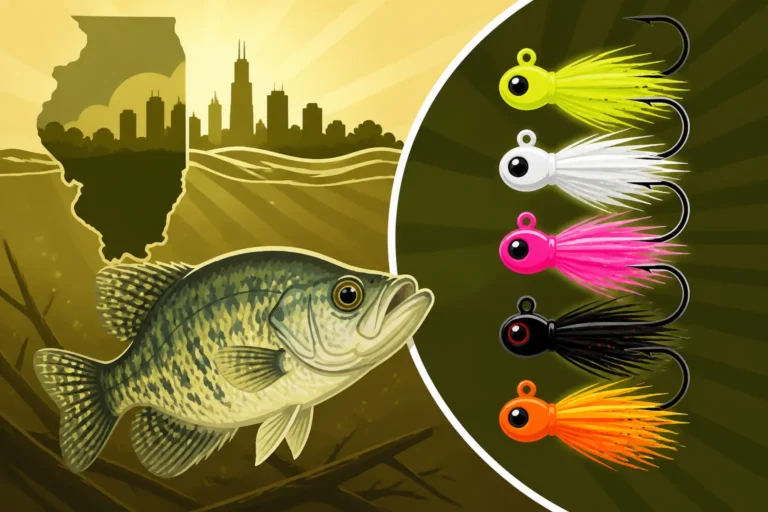
For example, if you were throwing a big spinnerbait for bass, switch to a shaky head worm or a drop shot rig with a small, subtle plastic. For walleye, a hair jig or a tiny grub on a jig head can be more effective than a large crankbait. When it comes to panfish, think micro-jigs tipped with a wax worm. The presentation should be as subtle as possible, mimicking a natural, easy meal. Utilizing lighter line and a sensitive rod can also help you detect those incredibly light, post-front bites. You can find a good selection of specialized finesse lures on Amazon if your local bait shop is limited.
Picking Your Arsenal: Lures, Bait, and Gear for Tricky Conditions
Now that we know how to present, let's talk about what to present. The right bait and lure choices are paramount when fish are in a funk. It's not just about size and speed; color, scent, and natural appeal all play a role in coaxing a bite out of a reluctant fish. You need to stack the odds in your favor, and that often means reaching for baits that excel in tough conditions.
Live Bait is Often King
When fishing after a cold front, it’s hard to beat live bait. Its natural scent, movement, and taste are incredibly appealing to fish that are hesitant to strike artificial lures. A shiner, minnow, or nightcrawler, presented slowly and naturally, can often trigger a bite when nothing else will. For bass, a lively minnow hooked lightly can be irresistible. For crappie, a small minnow under a bobber is a classic for a reason. Catfish, while generally more resilient to cold fronts, will still respond well to their preferred live baits like cut bait or worms, as explored in Best Bait for Channel Catfish.
The key with live bait is to let it do the work. Don't overwork it. Let it swim naturally, or present it just above the bottom, allowing it to move subtly with the currents. Pay close attention to your bobber or line, as bites can be incredibly light – sometimes just a slight twitch or drift.
Subtle Lures and Soft Plastics
If you prefer artificials, focus on lures that have a subtle action and can be fished very slowly. Soft plastics are fantastic for this. Think shaky head worms, drop shot rigs, Ned rigs, or small finesse jigs. Colors that are natural or subdued often work best, like green pumpkin, black, blue, or variations that mimic baitfish found in Illinois waters.
Jigs, especially those with skirts that breathe and undulate with minimal movement, are excellent. Tip them with a small chunk of plastic or a live minnow for added appeal. Blade baits can also be effective when jigged vertically, as their vibration can sometimes provoke a reaction strike, even from sluggish fish. When searching for specialized cold-water lures, sites like Amazon offer a vast selection. Remember, the goal is to make it look effortless for the fish to eat, so avoid anything with too much flash or aggressive action unless you're trying to elicit a very specific reaction strike. Our guide to Best Bass Lures for Cold Water offers some great suggestions that apply to many species.
| Condition Feature | Pre-Cold Front | Post-Cold Front |
|---|---|---|
| Barometric Pressure | Falling/Low | Rising/High |
| Fish Activity | High, aggressive feeding | Low, lethargic, spooky |
| Preferred Depth | Active in shallow to mid-depths | Deeper water, tight to cover/structure |
| Feeding Style | Chasing, striking hard | Slow, subtle bites, mouthing bait |
| Recommended Lure Speed | Fast, erratic retrieves | Slow, crawling retrieves, long pauses |
| Lure/Bait Size | Standard to larger, aggressive | Downsized, finesse-oriented, natural profile |
| Best Bait Type | Artificials, reaction baits, live bait | Live bait, subtle soft plastics, jigs |
Where to Find Them: Locating Fish After the Weather Shifts
Knowing the right strategy and bait is great, but it’s useless if you can’t find the fish! After a cold front, fish don't just disappear; they relocate to areas where they feel more comfortable and secure. Your job as an angler is to predict these movements and target those specific zones. This often means abandoning your usual hot spots and exploring new depths and types of cover.
Deeper Water and Stable Cover
As mentioned, rising barometric pressure and dropping water temperatures push fish deeper. Deeper water tends to be more stable in temperature and provides a buffer against the pressure changes. Look for the deepest parts of your chosen Illinois lake or river, especially those adjacent to drop-offs, ledges, or humps that were productive pre-front.
Additionally, fish will seek out dense cover that offers both protection and a sense of security. This could be thick brush piles, submerged timber, rock piles, or dense weed lines that still offer some insulation. On a lake like Rend Lake, this might mean focusing on old submerged roadbeds or creek channels. For the Mississippi River, look for deeper scour holes or slack water eddies with plenty of snags. These areas provide sanctuary where fish can conserve energy and wait out the unpleasant conditions. Utilizing a good fish finder, as described in Fish Finders for Illinois Lake Fishing, can be invaluable for pinpointing these deeper structures and the fish holding on them.
Seeking Out Transition Zones and Structure
Fish still need to eat eventually, even if they're not actively hunting. They will often hold in "transition zones" – areas where shallow water quickly meets deep water, or where different types of cover converge. Think about the edges of weed beds, where they drop off into deeper channels, or rocky points that extend into the main lake basin. These spots allow fish to move up quickly to feed if an opportunity arises, but retreat to deeper, safer water if disturbed.
Consider vertical structure as well. Bridge pilings, docks, and standing timber can hold fish at various depths, allowing them to adjust vertically without expending much horizontal energy. Fishing these structures slowly and thoroughly, working your bait from top to bottom, can often yield surprising results. Remember, they aren't going to chase, so put the bait right where they are. This approach is particularly effective in larger bodies of water like Lake Shelbyville or Carlyle Lake, where depth changes can be significant.
Warm Pockets and Wind-Blown Banks
While fish generally seek deeper, stable water, there can be exceptions. If a specific area of the lake or river develops a "warm pocket" – perhaps a shallow, dark-bottomed cove that heats up quickly under clear post-front sunshine, or an area near a power plant discharge – fish might move into these slightly warmer zones. These areas can sometimes activate a short feeding window, particularly later in the day after the sun has had a chance to warm things up.
Similarly, persistent winds from a cold front can sometimes push warmer surface water and baitfish into wind-blown banks. While the general rule is to avoid exposed, wind-swept areas after a front, if the conditions are right (not too much wind, and some initial sunshine), these banks could offer a brief feeding opportunity. It's a calculated risk, but sometimes the reward is worth it. Always observe current conditions and be ready to adapt your plan based on what the fish are telling you. Knowing the general Illinois Fishing Seasons Guide can help you anticipate how fish might react to these changes depending on the time of year.
Disclaimer
This article is for general informational purposes only and does not constitute professional advice. Laws, prices and regulations vary by location and change over time. Consult a qualified professional for guidance on your specific situation.