Best Illinois Lake for Trophy Bluegill Fishing
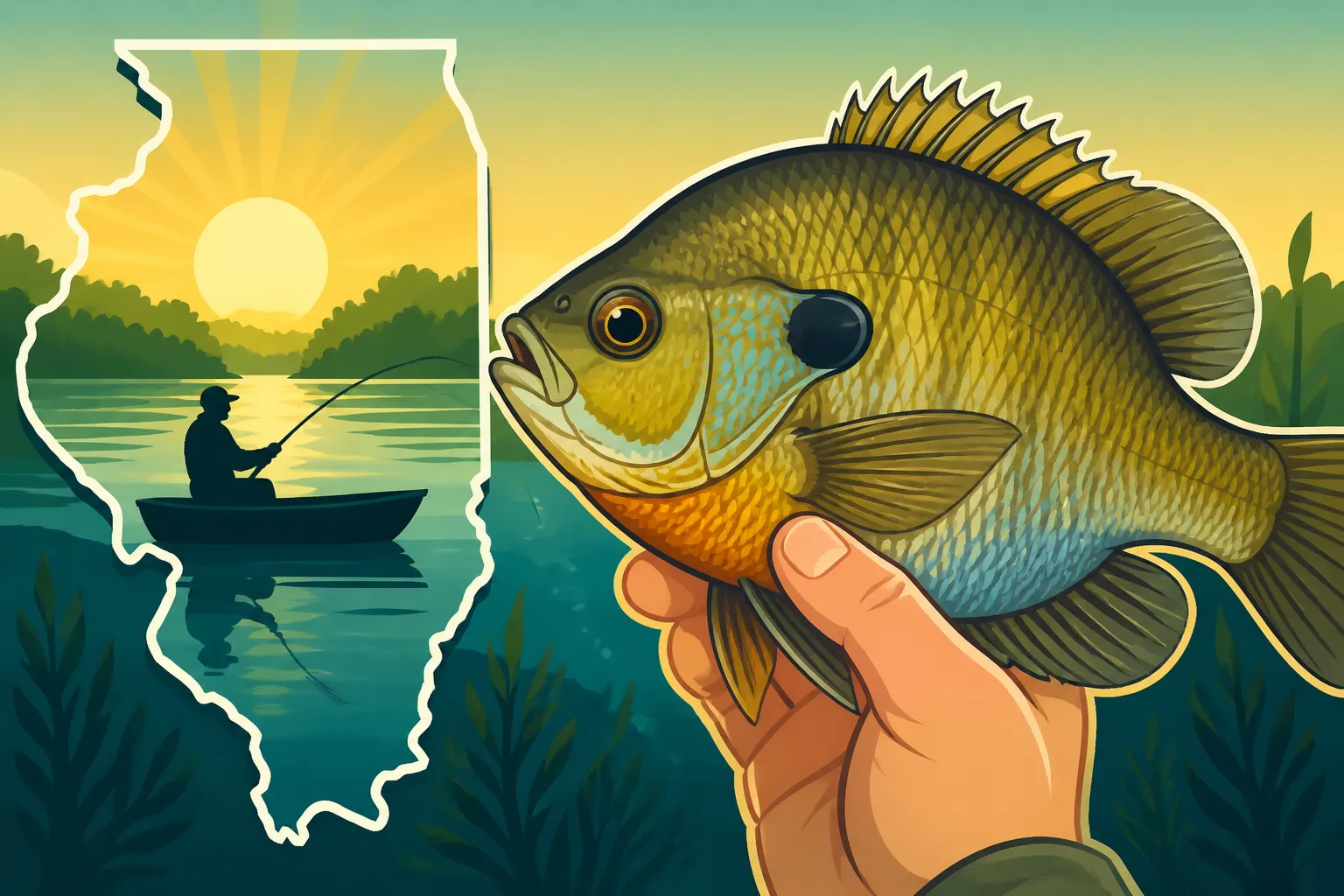
It's a common frustration for anglers in Illinois: you want to reel in those truly massive bluegill, the ones that make your ultralight rod bend double and your drag sing, but finding the truly exceptional spots can feel like a secret handshake. This guide is dedicated to pulling back the curtain on where to find the absolute best trophy bluegill fishing in the state, offering proven strategies and locations to help you land that plate-sized panfish you've been dreaming of.
Rend Lake: Illinois' Crown Jewel for Trophy Bluegill
When it comes to consistently producing truly gargantuan bluegill, one name echoes louder than all others across Illinois: Rend Lake. This expansive 18,900-acre reservoir in Southern Illinois isn't just known for its quantity of panfish; it's renowned for the sheer size and fighting spirit of its bluegill population. Many anglers will tell you that if you want a bluegill that truly qualifies as a "trophy," Rend Lake is your best bet, hands down. It’s a destination that serious panfish enthusiasts plan trips around, and for good reason.
Why Rend Lake Produces Such Giants
The phenomenon of Rend Lake's enormous bluegill isn't a fluke; it's the result of a perfect storm of environmental factors and strategic management by the Illinois Department of Natural Resources (IDNR). First, the lake's rich, fertile waters provide an abundant food source, allowing bluegill to grow quickly and reach impressive sizes. There’s an endless buffet of insect larvae, small crustaceans, and even tiny baitfish for them to feast on. Second, the vast amount of submerged timber, brush piles, and varied bottom structure offers ideal habitat. These areas provide both excellent foraging grounds and crucial protection from predators, allowing younger bluegill to thrive and mature.
Furthermore, the IDNR's proactive approach to fisheries management plays a critical role. They conduct regular surveys, implement size and creel limits, and occasionally engage in habitat enhancement projects that directly benefit panfish. This ensures a healthy, balanced ecosystem where bluegill aren't overfished and have every opportunity to reach their full potential. The unique characteristics of Rend Lake also prevent it from becoming overcrowded with smaller, stunted fish, giving the larger individuals more resources to grow. It’s truly a special place, as further explored in our guide on why Rend Lake bluegill grow bigger than a pound.
Key Bluegill Habitats within Rend Lake
Rend Lake is a massive body of water, and while bluegill can be found throughout, certain areas consistently hold the largest specimens. Understanding these prime habitats is crucial for successful trophy hunting. Look for areas with a combination of cover, depth changes, and access to open water for foraging.
One of the most productive types of habitat is submerged timber and brush piles. These structures, often remnants of flooded forests or intentionally placed by anglers and the IDNR, act as natural condos for bluegill. They provide shade, protection, and a concentrated food source. Using a good fish finder is invaluable for locating these hidden havens. Another excellent habitat is extensive weed lines and lily pad fields, especially in the shallower bays and coves. These areas warm up quickly in the spring, attracting spawning bluegill, and offer rich feeding grounds throughout the warmer months. Pay close attention to the edges where these weed lines meet deeper water or submerged wood.
Finally, riprap areas, such as those found around the dam or bridge abutments, can be fantastic. The rocks provide crevices for insects and baitfish, and the slight current breaks often concentrate schools of bluegill. These spots can be particularly good during periods of increased water flow or immediately after a rain, as new food sources are washed into the lake. Exploring the diverse underwater landscape is key to unlocking the lake’s potential. Our detailed Rend Lake fishing guide for Illinois anglers provides even more insights into these specific areas.
Prime Seasons for Targeting Big Bluegill
Knowing where to fish is only half the battle; knowing when to fish is equally important, especially when chasing trophy-sized bluegill. While Rend Lake offers great fishing year-round, certain seasons truly stand out for targeting the biggest panfish.
Spring (April-May): This is arguably the best time to target trophy bluegill at Rend Lake. As water temperatures rise, bluegill move into shallower waters to spawn. They become highly concentrated in beds, often visible in clear water, and are aggressively protective of their nests. Look for shallow, protected coves with sandy or gravelly bottoms, especially those with some submerged wood or vegetation nearby. They’ll be much more active and easier to locate.
Early Summer (June-July): After the spawn, bluegill may disperse slightly but often remain in relatively shallow water, especially around abundant cover. They continue to feed heavily as the water warms, making them eager biters. Focus on the edges of weed beds, deeper brush piles, and shaded areas during the heat of the day. Mornings and evenings are prime times when they move into shallower water to feed more actively.
Fall (September-October): As temperatures drop and the lake begins to cool, bluegill will transition from their summer patterns. They often school up and move to deeper water, particularly around standing timber, deep brush piles, and main lake points. They're still actively feeding to put on weight for winter, and while they might be harder to locate, when you find a school, the action can be fast and furious.
Winter (December-February): Ice fishing for bluegill at Rend Lake can be incredibly productive for those brave enough to venture out. The fish will be concentrated in deeper holes and around specific structures like submerged humps or brush piles. While their metabolism slows, they still bite, often preferring small, subtle presentations. Always prioritize safety when ice fishing and check ice conditions meticulously.
Effective Strategies for Catching Rend Lake's Big Bluegill
Successfully landing trophy bluegill at Rend Lake requires more than just luck; it demands a thoughtful approach to tackle, bait, and technique. These fish are smart, especially the bigger, older ones, and they’ve seen a lot of presentations over their lifetime. You need to be prepared to adapt and finesse them into biting. Many anglers find great success by tailoring their approach to the specific conditions of the day and the known habits of these large panfish.
Choosing the Right Tackle and Bait
When it comes to tackle for trophy bluegill, finesse is the name of the game. A lightweight setup will not only make the fight more enjoyable but also allows for more subtle presentations, which can be crucial for enticing larger, more cautious fish.
Rods and Reels: Opt for an ultralight spinning rod, typically 5 to 6 feet long, with a fast action tip. This will give you the sensitivity to feel even the lightest bites and the backbone to handle a strong bluegill. Pair it with a small spinning reel (500-1000 series) spooled with 2-4 pound monofilament or fluorocarbon line. Some experienced anglers might even choose a lightweight braided line with a fluorocarbon leader for maximum sensitivity and strength, especially when fishing around heavy cover. For beginners, a basic ultralight setup is still one of the best panfish setups for kids, making bluegill a fantastic target.
Hooks and Floats: Tiny, sharp hooks are essential. Size 8 to 12 Aberdeen or small octopus hooks work wonderfully. These hooks are thin enough to pierce through bait easily and minimize damage to smaller bluegill, allowing for easy release. When using a float, choose a sensitive slip bobber. This allows you to adjust your depth easily and detect those subtle dips that signify a bite, even from a cautious bluegill. A small split shot or two, placed a foot or so above the hook, will help your bait sink naturally.
Bait Selection: Natural baits are king for big bluegill.
- Live Crickets: These are perhaps the most universally effective bluegill bait. Their erratic movement and natural scent are irresistible.
- Wax Worms and Mealworms: Excellent year-round, these grubs are easy to keep and provide a juicy meal for a bluegill.
- Red Worms/Nightcrawlers: A small piece of a nightcrawler or a full red worm can be deadly, especially when bluegill are foraging on the bottom.
- Small Minnows: Believe it or not, larger bluegill are opportunistic predators and won't shy away from a tiny minnow, especially during colder months.
- Artificial Lures: Don't overlook micro jigs (1/32 to 1/64 oz) tipped with a small plastic grub, tube, or a piece of Gulp! Alive! Bait. Popular colors include chartreuse, white, and black. Small spinnerbaits and even tiny spoons can also be effective, especially when tipped with a grub or a live offering.
Proven Techniques for Targeting Monster Panfish
Once you have your gear ready, employing the right techniques will significantly increase your chances of hooking into those coveted trophy bluegill.
Fishing with a Slip Bobber: This is a classic and highly effective method. Set your bobber stop so your bait is suspended just above any submerged cover (e.g., brush piles, submerged timber) or directly into a weed line. Cast out and let the bait slowly drift. Watch your bobber intently – trophy bluegill often just gently "dimple" the water with the bobber rather than pulling it completely under. A subtle dip, pause, or slow drift is often all you get. This technique is fantastic for covering water slowly and precisely.
Tightlining and Bottom Fishing: When bluegill are holding tight to the bottom, particularly in deeper water or near drop-offs, tightlining can be very effective. Use a small weight to get your bait down and fish directly on the bottom or just a few inches off it. You'll need a sensitive rod to feel the subtle taps. This technique works especially well with worms or minnows. In some areas, anglers find success with a small bullet sinker or split shot directly above a weedless hook, allowing the bait to penetrate denser cover.
Casting Small Lures: For more aggressive fish, especially during the pre-spawn and spawn, casting small jigs or spinnerbaits can be incredibly productive. Cast to visible cover, along weed edges, or into spawning beds, and retrieve slowly with a twitching motion. The key is to match the hatch and present something small enough for a bluegill to inhale but enticing enough to trigger a strike. This method allows you to cover more water quickly than stationary bait fishing. Booking a trip through platforms like FishingBooker can sometimes connect you with local guides who are experts in these specific lure presentations on Rend Lake.
Navigating Rend Lake for Bluegill Hotspots
Rend Lake's size can be intimidating, but understanding its layout and the best access points will help you narrow down your search for trophy bluegill.
Boat Access: For anglers with a boat, Rend Lake offers numerous boat ramps. Popular options include the facilities at Wayne Fitzgerrell State Recreation Area, Rend Lake State Park, and various private marinas. Having a boat allows you to reach prime offshore structures, deep brush piles, and secluded coves that are inaccessible from shore. A good fish finder with GPS capabilities is almost essential for marking productive spots and navigating the extensive submerged timber fields. For those traveling, services like FishingBooker can help arrange boat rentals or guided trips with local experts who know the lake inside and out.
Shoreline Access: Don't despair if you're a bank angler! Rend Lake still offers fantastic opportunities. Wayne Fitzgerrell State Recreation Area boasts miles of accessible shoreline, including areas with riprap and jetties that extend into the lake. The Rend Lake Dam is another excellent spot, providing access to deeper water and varied structure. Look for areas with fallen trees, submerged logs, or dense weed beds close to shore. Even walking trails along the lake can reveal hidden coves and points that hold big bluegill, especially during the spring spawn. Check out our guide on the best bank fishing spots in Illinois for more general tips.
Finding Specific Structures: When on the water, pay close attention to depth changes, submerged points, creek channels, and humps. Bluegill often congregate around these features, especially when they offer adjacent cover. Use your electronics to scan for brush piles, standing timber, and dense weed beds. Once you locate a promising area, fan-cast around it to determine the exact location of the fish. Sometimes, simply moving your boat or position on the bank a few feet can make all the difference. Many anglers find the best success by using a combination of detailed maps, real-time sonar, and good old-fashioned observation to find where the big bluegill are hiding.
| Rend Lake Trophy Bluegill Hotspot | Key Features & Habitat | Best Season | Recommended Technique | Notes for Anglers |
|---|---|---|---|---|
| Nason Point Area | Submerged timber, scattered brush piles, deep weed lines | Spring, Early Summer, Fall | Slip bobber with crickets/wax worms, micro jigs | Excellent for spawning bluegill in spring; good for deeper fish in fall. |
| Jackie Branch | Shallow bays, numerous brush piles, lily pad fields | Late Spring, Summer | Wacky worms (small), small spinnerbaits, tightlining red worms | Great for active bluegill; watch for surface activity in mornings/evenings. |
| Southern Spillway (Dam Area) | Rock riprap, current breaks, adjacent deeper water | Summer, Fall, Winter | Crickets/minnows on bottom, small jigs | Can hold large fish year-round; often good after rain. |
| Marcum Branch (Upper End) | Extensive standing timber, old creek channels, deep weed edges | All Year (Ice fishing in winter) | Small spoons, ice jigs (winter); jigs with plastics | Offers diverse depths and cover; productive during colder months. |
| South Sandusky Covered Bridge | Bridge pilings, shaded structure, access to deeper channels | Spring, Summer | Crickets/worms under bobber, small jigs | Provides shade and current breaks; often holds schooling fish. |
Beyond Rend Lake: Other Illinois Bluegill Havens
While Rend Lake proudly wears the crown for trophy bluegill, it's not the only place in Illinois where you can find impressive panfish. Many other lakes and even some rivers offer excellent bluegill fishing, some with the potential for those bragging-rights catches. It’s always good to have a few backup spots, or just explore other waters that might be closer to home or offer a different fishing experience.
Lake Shelbyville and Carlyle Lake for Quality Panfish
Two other massive reservoirs in Central and Southern Illinois, Lake Shelbyville and Carlyle Lake, are also fantastic destinations for panfish, including healthy populations of bluegill. While they might not consistently produce the sheer size of Rend Lake's bluegill, they definitely offer quality fishing and the chance to fill a cooler with respectable catches.
Lake Shelbyville: Known more for its excellent crappie and bass fishing, Lake Shelbyville still holds a strong bluegill population. Look for bluegill around the numerous brush piles, standing timber, and rocky points. The shallower bays and coves on the northern end of the lake can be productive during the spawn, and the fish will move to deeper structure as the seasons change. The expansive nature of Lake Shelbyville means there's always a new spot to explore, and a guided trip through FishingBooker could highlight the best bluegill spots if you're unfamiliar with the area. Our Lake Shelbyville fishing guide offers more detailed insights.
Carlyle Lake: As the largest man-made lake entirely within Illinois, Carlyle Lake offers vast fishing opportunities. Its shallower, often turbid waters mean bluegill thrive around submerged stumps, flooded timber, and the abundant weed beds, particularly in the northern arms and creek channels. Similar to Rend Lake, finding concentrations of cover is key. Carlyle Lake is a fantastic spot for a family fishing weekend, and catching bluegill here is often a reliable bet. You can find more specific advice in our Carlyle Lake fishing guide. Both of these lakes have solid bluegill populations, and while you might work a bit harder for that pound-plus fish, the overall action can be just as rewarding.
Smaller Lakes and Ponds with Hidden Potential
Don't overlook the countless smaller lakes, state park lakes, and private ponds scattered throughout Illinois. Many of these lesser-known waters can be absolute gems for trophy bluegill, often with less fishing pressure than the major reservoirs.
State Park Lakes: Illinois State Park lakes often receive regular stocking and habitat management, leading to healthy fish populations. Lakes like Lincoln Trail Lake, Walnut Point Lake, or Lake Glendale might not be as famous, but they frequently produce excellent bluegill. These smaller bodies of water are also perfect for bank fishing or kayak anglers who prefer a quieter experience. Checking the IDNR fishing reports for specific state parks can reveal hidden hot spots and current conditions.
Private Ponds: If you have access to a well-managed private pond, you might just be sitting on a goldmine for trophy bluegill. Ponds that are properly stocked, have good habitat, and aren't overfished can produce some of the largest bluegill you'll ever encounter. The lack of fishing pressure and often a more controlled environment allows bluegill to grow to truly impressive sizes. Always ensure you have permission before fishing on private property.
The beauty of chasing trophy bluegill in Illinois is that the opportunities are diverse. While Rend Lake is the undisputed champion, there are many other waters where a keen angler with the right approach can still find plenty of success and even a few fish that make your heart skip a beat. Whether you're planning a trip to the southern giants or exploring a local hidden gem, the thrill of a big bluegill on the line is always worth the effort.
Disclaimer
Fishing regulations, license requirements, and catch limits in Illinois are subject to change. Always consult the latest Illinois Department of Natural Resources (IDNR) fishing guide or website before heading out on the water. This information is provided for general guidance and entertainment purposes only. Ensure you have the proper Illinois fishing license guide for 2026 and any necessary stamps before fishing.