The Difference Between a Fishing License and a Trout Stamp
It’s a common scenario for many anglers, especially those new to the Illinois waters or folks returning to the hobby after a long break: you’re geared up, your favorite lure is tied on, and then a nagging doubt creeps in. "Do I just need a fishing license, or is there something else? What about a trout stamp?" This seemingly simple question can quickly become confusing, leaving you worried about accidentally breaking the rules before you even cast a line. This comprehensive guide is here to clear up that very confusion, explaining the distinct differences between an Illinois fishing license and a trout stamp, and helping you understand exactly what you need to fish legally and confidently.
Understanding the Core Distinction
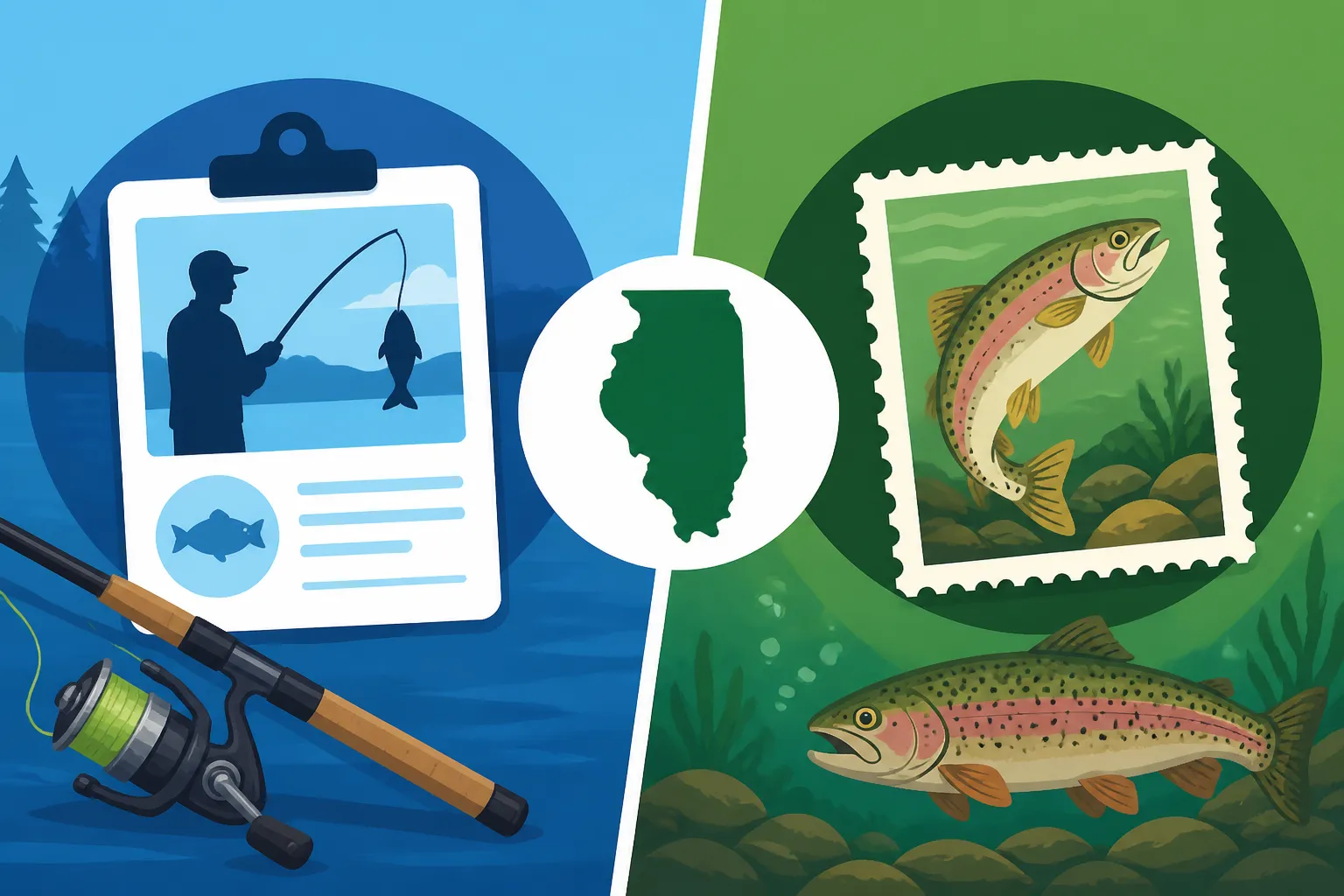
Many states, Illinois included, operate on a tiered system when it comes to fishing permits. Think of your standard fishing license as your basic entry ticket to the vast majority of public waters. It’s the fundamental permission slip that says, "Okay, you're allowed to try and catch fish." The trout stamp, on the other hand, is like a special endorsement on that ticket, granting you additional privileges to target specific species in certain designated areas. It's not a standalone permit; it always works in conjunction with a valid fishing license.
What a Fishing License Is
At its heart, an Illinois fishing license is your primary authorization to angle in the state's public waters. Whether you're a seasoned pro or taking a kid out for their very first cast, if you're over the age of 16 (and under 65 for residents, with some exceptions), you generally need one. This license covers a wide array of species in lakes, rivers, and streams across Illinois, from the sprawling waters of Rend Lake to the winding Kankakee River. It's the permit that allows you to pursue popular game fish like bass, crappie, bluegill, catfish, and walleye in most locations, provided you adhere to all other Illinois fishing regulations.
The Illinois Department of Natural Resources (IDNR) issues these licenses, and they come in various forms to suit different needs. You might opt for an annual resident license if you live in Illinois and plan to fish regularly, or perhaps an Illinois Nonresident 3-Day Fishing License Cost if you're just visiting for a long weekend. The cost and duration vary, but the purpose remains the same: it's your general fishing pass. Without it, even if you’re fishing for common species like bluegill or channel catfish, you could face penalties for fishing without a license in Illinois.
What a Trout Stamp Is
Now, let's talk about the trout stamp. This isn't just another pretty sticker; it's a very specific permit designed to manage and fund the stocking programs for trout and salmon in Illinois. When you purchase an Illinois Trout and Salmon Stamp Requirements, you're contributing directly to the conservation efforts that keep these cold-water species thriving in our state. Essentially, if your fishing plans include targeting rainbow trout, brown trout, or the various salmon species in Lake Michigan, you'll need this stamp in addition to your general fishing license.
There are actually two main types of trout stamps in Illinois: the Inland Trout Stamp and the Lake Michigan Salmon Stamp. While they serve a similar purpose – allowing you to fish for cold-water species – they apply to different fisheries. The Inland Trout Stamp is specifically for those beautiful, chilly streams and lakes that the IDNR regularly stocks with trout, usually in spring and fall. The Lake Michigan Salmon Stamp, as the name implies, is for pursuing Chinook, Coho, and other salmonoids in the expansive waters of Lake Michigan. Confusingly, the IDNR often refers to these collectively as a "Trout and Salmon Stamp" on their purchase portal, but the distinction for where you're fishing is crucial.
Why Both Are Necessary
The reason for this dual system boils down to funding and specific conservation needs. Your general Illinois fishing license helps fund broad conservation efforts, habitat restoration, and the management of warm-water fisheries across the state. It supports the ecosystems where species like bass, crappie, and catfish naturally thrive and reproduce. Think of it as supporting the everyday operations of keeping Illinois's fishing healthy.
However, trout and salmon often require more specialized management. Many of the trout you’ll catch in inland Illinois streams are stocked fish, not naturally reproducing populations. The costs associated with raising and transporting these fish, as well as maintaining the unique habitats they require, are significant. The trout stamp acts as a dedicated revenue stream for these specific programs. It ensures that anglers who enjoy targeting these particular species are directly contributing to their availability. So, if you're heading to a stocked trout stream like Apple River or planning a charter trip out onto Lake Michigan for Chinook salmon, you're enjoying the benefits of a program largely funded by these stamps. It’s a way to make sure the costs are borne by those who utilize these specific, often more expensive, fisheries.
Who Needs What and When
Navigating the various Illinois fishing license requirements can feel like solving a puzzle, especially when you factor in age, residency, and specific fish species. Let's break down the common scenarios to make it clearer.
General Anglers and Their License Needs
If you're an Illinois resident and you're 16 years old or older, but not yet 65, you'll need an annual Illinois Resident Annual Fishing License Cost to fish in public waters. This is your standard, go-to license for most fishing trips. If you're 65 to 74 years old, you're in luck because Illinois offers a reduced-cost Illinois Senior Fishing License Discounts for Ages 65 to 74. And for our most seasoned anglers, those 75 and up, there’s an Illinois Super Senior Fishing License for Ages 75 and Up that costs next to nothing – a wonderful nod to lifelong passion.
For those visiting our beautiful state, the rules are a bit different. Nonresidents who are 16 years or older need a nonresident fishing license. This can be an Illinois Nonresident Annual Fishing License Cost if you plan to visit multiple times throughout the year, or a shorter-term option like the Illinois Nonresident 3-Day Fishing License Cost if you're only in town for a quick trip. Remember, these licenses are critical, whether you're casting from the shore of Carlyle Lake or dropping a line into the Mississippi River.
Specific Scenarios Requiring a Trout Stamp
This is where the distinction really comes into play. If your fishing plans include targeting specific cold-water species, you'll need that additional endorsement.
- Inland Trout Fishing: Any time you plan to fish for trout in waters specifically designated as "stocked trout waters" by the IDNR, you'll need a valid fishing license and an Illinois Inland Trout Stamp Requirements. These are typically smaller lakes and streams that are managed for put-and-take trout fishing, meaning the IDNR stocks them with catchable-sized trout for anglers to enjoy. Check the IDNR website or your local bait shop for a list of these specific waters, as they can change.
- Lake Michigan Salmon and Trout: Heading out to the big lake? If you’re targeting salmon (Coho, Chinook, Atlantic) or trout (Rainbow/Steelhead, Brown) in Lake Michigan, you'll need your general fishing license and a Lake Michigan Salmon Stamp Requirements. This applies whether you’re charter fishing, trolling from your own boat, or casting from the piers of Chicago or Waukegan. The stamp helps support the fantastic stocking programs that make this world-class fishery possible.
It's important to note that if you're fishing for other species like bass or perch in Lake Michigan and you don't intend to keep any trout or salmon, you technically don't need the stamp. However, if you accidentally catch a salmon or trout and decide to keep it, you must have the stamp. To avoid any potential issues, if there’s even a slight chance you might encounter these species, it’s always safest to purchase the stamp.
Exemptions and Special Cases
Not everyone needs a license or a stamp all the time. Illinois offers a few key exemptions:
- Children: Kids under 16 years of age do not need an Illinois fishing license or any stamps. This is fantastic news for families and makes taking kids fishing in Illinois without buying a license a straightforward and enjoyable experience. It's a great way to introduce them to the sport without added expense.
- Free Fishing Days: Every year, Illinois hosts special Illinois Free Fishing Days and License-Free Weekends, usually coinciding with Father's Day weekend in June. During these specific days, residents and non-residents alike can fish without a license or stamp. It's a wonderful opportunity to try fishing or introduce a friend to the sport without the upfront cost of a permit. For 2026, the Illinois Free Fishing Days 2026 Dates are a specific four-day window.
- Private Ponds: You generally do not need an Illinois fishing license to fish in private ponds or lakes that are entirely enclosed on private land and do not have connections to public waterways. However, always ensure you have the landowner's permission before fishing on private property.
- Legally Disabled Residents: Illinois offers some fishing license discounts for disabled residents. It's best to check the current IDNR regulations for specific eligibility and application procedures.
How to Acquire Licenses and Stamps
Getting your Illinois fishing license and any necessary stamps is usually a straightforward process, designed to be as convenient as possible so you can get out on the water without too much hassle.
Online Purchase Process
The easiest and most common way to get your license and stamps these days is online through the Illinois Department of Natural Resources (IDNR) website. It’s a secure, efficient system that allows you to complete your purchase from the comfort of your home.
- Visit the IDNR Website: Navigate to the official Illinois DNR licensing portal. You'll typically find a clear section for "Buy Licenses & Permits."
- Create or Log In: If you're a returning angler, you can log in with your existing customer ID. New users will need to create a profile, providing basic information like your name, address, date of birth, and driver's license number. This process usually takes just a few minutes.
- Select Your Licenses: Choose the type of fishing license you need (annual resident, non-resident, senior, etc.). Then, if your plans include targeting trout or salmon, be sure to add the appropriate stamp(s). Remember, the IDNR often bundles the Inland Trout and Lake Michigan Salmon into one "Trout and Salmon Stamp" option during the online purchase, simplifying the selection process.
- Review and Pay: Double-check your selections, ensuring you have the correct licenses and stamps for your planned fishing activities. Proceed to payment, where you can typically use a credit or debit card.
- Print or Save: Once purchased, you’ll receive an immediate confirmation and a digital copy of your license and stamp. You can print this out to carry with you, or save it as a PDF or screenshot on your smartphone. Carrying digital proof of your fishing license on your phone is perfectly acceptable, but make sure your device is charged!
For anglers who prefer to browse gear online while they're thinking about their license, many retailers, including Amazon, offer a wide array of fishing equipment that complements any Illinois fishing trip. You can easily search for essential items like Best Bass Lures for Clear Water or a Best Budget Fish Finder for Bank Fishing while planning your season.
In-Person Purchase Locations
For those who prefer a more traditional approach or need to pick up a license last minute, there are plenty of physical locations across Illinois where you can purchase your fishing license and stamps:
- Sporting Goods Stores: Large retailers like Bass Pro Shops or Cabela's almost always have a dedicated licensing counter. The staff there are often very knowledgeable and can help you select the correct permits. Smaller, independent sporting goods stores are also great options.
- Bait and Tackle Shops: Your local bait shop isn't just for worms and minnows; it's a hub for local fishing information and usually a prime spot to buy your permits. The folks behind the counter can often give you up-to-the-minute advice on what's biting and where.
- IDNR Offices: Illinois Department of Natural Resources offices across the state also offer license sales. While perhaps not as numerous as retail locations, they are a reliable source.
- County Clerks: In some counties, the County Clerk's office might be able to issue fishing licenses. It's always a good idea to call ahead to confirm.
When purchasing in person, remember to bring a valid form of identification, such as your driver's license or state ID, especially if you're claiming a resident license or a senior discount. They'll need to verify your age and residency.
Proof of Purchase and Validity
Once you have your license and stamps, whether digital or physical, it's crucial to understand their validity. The Illinois fishing license year starts on March 1, 2026, and is valid through March 31 of the following year. So, an annual license purchased on April 1st, 2026, will be valid until March 31st, 2027. This consistent cycle helps anglers know exactly when to renew.
Always keep your license and any required stamps readily accessible while fishing. A game warden can and will check your fishing license on the water, and you need to be able to produce it. Having it printed or easily viewable on your phone will save you potential hassle and avoid penalties. Think of it like your driver's license – you wouldn't drive without it, and you shouldn't fish without your permits either.
Consequences of Non-Compliance
It's tempting sometimes to think, "Oh, what's the big deal if I skip the stamp?" or "I'm only fishing for an hour, I'll just chance it." But trust me, it's not worth it. The Illinois Department of Natural Resources takes fishing regulations seriously, and the consequences for non-compliance can range from inconvenient fines to more severe legal issues.
Penalties for Fishing Without a License
Fishing without a valid Illinois fishing license is a violation of state law. If a Conservation Police Officer (CPO) or game warden catches you doing so, you can expect to receive a citation.
- Fines: The most immediate consequence is typically a fine. These aren't usually cheap; they can often be well over $100, sometimes even closer to $200 or more, depending on the specifics of the violation and any prior offenses. That's a lot more than the cost of an annual license.
- Court Appearances: In some cases, especially if there are other violations involved or if you have a history of non-compliance, you might be required to appear in court. This means taking time off work, potential legal fees, and the stress of a court process.
- Confiscation of Gear: In more serious or repeat offenses, a CPO has the authority to confiscate your fishing equipment, including your rods, reels, and even your boat. Imagine losing your prized fishing setup over a missed license.
- Loss of Privileges: Depending on the severity, you could face a temporary or permanent suspension of your fishing privileges in Illinois. This means you wouldn't be able to legally purchase a license for a set period.
It's a stark reminder that the minor upfront cost of an Illinois Fishing License Guide for 2026 is a far better alternative than facing these penalties.
Penalties for Fishing Without a Stamp
The consequences for fishing without a required trout stamp are generally similar to those for fishing without a general license. While it might seem like a smaller oversight, it's still a violation of a specific regulation designed to protect and manage particular fisheries.
- Fines: You will likely receive a citation and be required to pay a fine. This fine is in addition to any potential fines for other violations, such as exceeding catch limits for trout or salmon.
- Confiscation and Loss of Privileges: Just like with a general license violation, repeated offenses or severe infractions involving stamps could lead to the confiscation of your gear or the suspension of your fishing privileges.
- Specific Species Fines: If you are caught actively targeting or possessing trout or salmon in designated waters without the appropriate stamp, the fines could be tailored to the specific violation of the trout/salmon regulations, potentially leading to higher costs.
It's crucial to understand that the stamp is not optional if you're pursuing these species. Think of it as an essential part of your "fishing uniform" when heading to those specific waters. For example, if you're on Lake Michigan and catch a beautiful Coho salmon without a Lake Michigan Salmon Stamp, you're looking at trouble.
Game Warden Encounters
Conservation Police Officers are not out to ruin your day, but they are sworn to uphold the fishing and wildlife laws of Illinois. They have the authority to approach you, ask to see your fishing license and stamps, and inspect your catch.
- Be Prepared: Always have your license and stamps (digital or physical) readily available. If you're carrying a digital copy on your phone, ensure your phone has enough battery.
- Cooperate Respectfully: If a CPO approaches you, be polite and cooperative. Answer their questions honestly and provide the requested documentation. Their job is to ensure everyone is following the rules, which ultimately helps protect Illinois's natural resources for everyone.
- Know Your Rights: While you must comply with requests for your license and catch, you also have the right to ask questions if you don't understand something. However, always do so respectfully.
- Ignorance is Not an Excuse: Claiming you didn't know about the rules, particularly about the need for a trout stamp, typically won't exempt you from a citation. It's every angler's responsibility to understand the Illinois Fishing Regulations Overview before heading out.
The best way to ensure a pleasant and uneventful encounter with a CPO is to simply be compliant. Purchase the necessary permits, understand the catch limits, and follow the rules. It makes for a much more enjoyable day on the water.
Here's a quick comparison to summarize the key differences:
| Feature | Illinois Fishing License | Illinois Trout Stamp |
|---|---|---|
| Purpose | General permission to fish most public waters in Illinois. | Special endorsement to fish for trout and salmon. |
| Requirement | Mandatory for most anglers aged 16-64 (residents) or 16+ (non-residents). | Mandatory in addition to a fishing license when targeting trout or salmon in designated waters (inland or Lake Michigan). |
| Species Covered | Bass, crappie, bluegill, catfish, walleye, pike, perch, etc. | Rainbow Trout, Brown Trout, Coho Salmon, Chinook Salmon, Atlantic Salmon. |
| Funding | Supports broad IDNR conservation efforts, warm-water fisheries management, habitat restoration. | Specifically funds stocking programs and management for trout and salmon fisheries. |
| Validity | Follows the Illinois license year (March 1 – March 31 of next year). | Follows the Illinois license year (March 1 – March 31 of next year). |
| Exemptions | Under 16, free fishing days, private ponds. | Under 16, free fishing days, private ponds (if not targeting trout/salmon). |
| Consequence of No Permit | Fines, potential gear confiscation, loss of fishing privileges. | Fines, potential gear confiscation, loss of fishing privileges. (In addition to fines for no general license if applicable). |
Now that you have a clear understanding, you can confidently prepare for your next fishing adventure. Remember, whether you're planning a quiet afternoon chasing bass or an exciting day battling salmon, making sure you have the correct Illinois fishing license and any necessary stamps is the first and most important step toward a legal and enjoyable experience. You can always refer to resources like How to Buy an Illinois Fishing License Online or Illinois Fishing License Costs and Types for more detailed information. Happy fishing!
Disclaimer
The information provided in this guide is intended for general informational purposes only and does not constitute legal advice. While we strive to provide accurate and up-to-date information, fishing regulations in Illinois can change. Always consult the official Illinois Department of Natural Resources (IDNR) website or their current Fishing Information Guide for the most precise and legally binding regulations before engaging in any fishing activities. Compliance with all state and local fishing laws is the responsibility of the individual angler.