Lowest-Cost Way for a Resident to Start Fishing in Illinois
Getting into fishing can feel a bit overwhelming, especially when you're just trying to figure out where to start without breaking the bank. Many aspiring anglers worry about hidden costs, expensive gear, and navigating complex rules, which can really dampen the excitement of a new hobby. This guide is designed to cut through that confusion, showing Illinois residents the absolute lowest-cost way to get started and enjoy the peaceful waters of our beautiful state.
Demystifying Illinois Fishing Licenses for Residents on a Budget
This is often the first hurdle, and frankly, it can be confusing. Do you need a license for every type of fish? What if you only want to try it for a day? Let's break down the most affordable options for Illinois residents. Understanding the different types of fishing licenses and their associated costs is the first step to a budget-friendly fishing adventure.
The 24-Hour Fishing License: Your Cheapest Entry Point
For many folks just dipping their toes into the fishing world, the idea of committing to an annual license right off the bat feels like too much. You're not even sure if you'll like it, right? This is where the 24-hour fishing license comes in as a true lifesaver for your wallet. It's hands down the lowest-cost way to legally cast a line in Illinois as a resident.
Think about it: you can pick a beautiful Saturday, grab this license, and spend a full 24 hours exploring a local pond or river. As of my last check, an Illinois Resident 24-Hour Fishing License Cost is remarkably affordable, usually just under $6. It’s perfect for a spontaneous outing or for taking a child along to see if they catch the fishing bug without a major financial investment. This license doesn't include the extra trout or salmon stamps, but for basic panfish, bass, and catfish in most inland waters, you're good to go.
This temporary option is invaluable for beginners. You get to experience fishing, understand the basics, and decide if it's something you want to pursue further before committing to a larger expense. It truly removes a significant barrier to entry, letting you test the waters, quite literally, without buyer's remorse.
Leveraging Illinois Free Fishing Days and License-Free Weekends
Want to know the absolute lowest cost? Zero dollars. That's right! Illinois offers specific periods where residents (and non-residents!) can fish without any license or stamps. These are usually known as Illinois Free Fishing Days and License-Free Weekends. It’s an incredible initiative by the state to encourage more people to get out and enjoy the sport.
These days typically align with family-friendly holidays, often Father's Day weekend in June. For instance, in 2026, you might find the Illinois Free Fishing Days 2026 Dates occurring mid-June. Always double-check the Illinois Department of Natural Resources (IDNR) website for the exact dates each year, but marking your calendar for mid-June is a safe bet. During these periods, you can fish any public water in Illinois, including state parks and reservoirs, without worrying about buying any type of license.
This is truly the ultimate low-cost entry point. It allows entire families, especially kids, to try fishing without any financial commitment to licenses. Imagine taking your family to a local lake or park during these free days, packing a simple lunch, and spending the day outdoors. It’s a fantastic way to introduce new anglers to the joys of fishing and create lasting memories without spending a dime on permits.
Annual Resident License: A Longer-Term, Still Affordable Option
If you try the 24-hour license or participate in a free fishing day and find yourself hooked (pun intended!), then upgrading to an annual license becomes a sensible next step. While not the lowest immediate cost, it offers the best value for frequent anglers over a full year. The Illinois Resident Annual Fishing License Cost is quite reasonable, usually around $15.
This annual license covers you from April 1st through March 31st of the following year, providing year-round access to Illinois waters for most species. It doesn't include specific stamps like the Illinois Inland Trout Stamp Requirements or the Lake Michigan Salmon Stamp Requirements for Anglers, which are extra for those specific pursuits, but for general fishing, it’s all you need. Considering the freedom it grants for twelve months, it quickly pays for itself if you go fishing more than a couple of times.
It's a great investment once you know fishing is for you. Instead of constantly buying 24-hour passes, you get the convenience and peace of mind knowing you're covered for an entire fishing season, from the spring spawn to fall bites. You can learn more about the specifics of the license year by checking into How the Illinois License Year Works. You can also get a broader picture of all the options in our Illinois Fishing License Costs and Types guide.
Table: Illinois Resident Fishing License Options (Approximate Costs)
| License Type | Approximate Cost | Validity Period | Best For |
|---|---|---|---|
| 24-Hour Resident | $5.50 | 24 hours | Trying fishing for the first time, spontaneous trips |
| Annual Resident | $15.00 | April 1 – March 31 | Regular anglers, great long-term value |
| Free Fishing Days | $0.00 | Specific dates in June | Absolutely free trial, family outings |
Note: Costs are approximate and subject to change by the Illinois Department of Natural Resources (IDNR). Always check the official IDNR website for the most current pricing.
Essential Gear on a Shoestring Budget: Getting Started Without Overspending
The tackle shop can be an intimidating place, filled with shiny, expensive gadgets that make you feel like you need a second mortgage to get started. But the truth is, you don't. You can start fishing with minimal, affordable gear that will still put fish on your line.
Rod and Reel Combos: Your First Affordable Setup
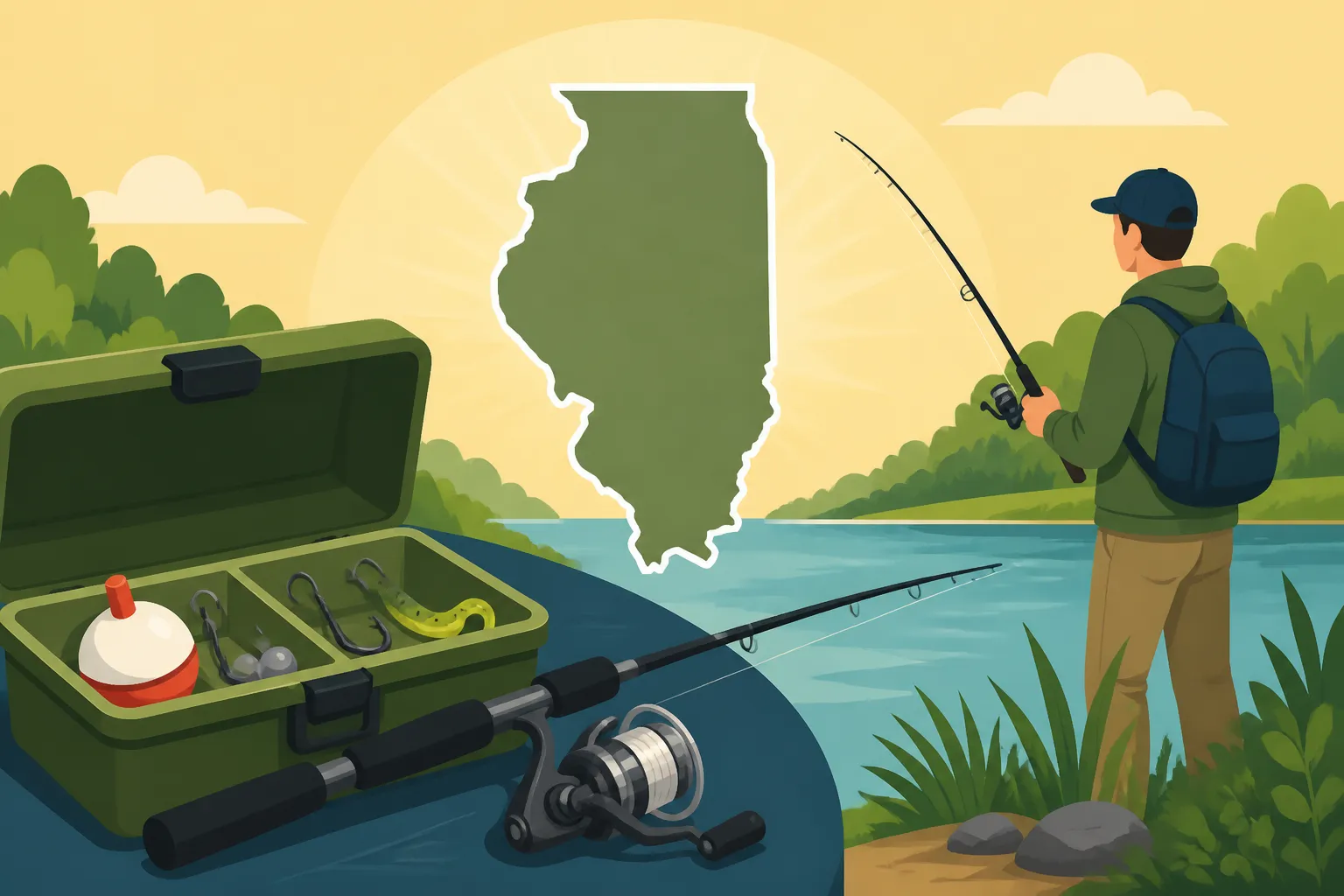
When you’re just starting, resist the urge to buy the most expensive rod and reel. A basic, pre-spooled spinning rod and reel combo is all you need, and you can find them for surprisingly little. Major retailers and even online platforms like Amazon offer decent beginner combos for under $30, sometimes even under $20. Look for something in a medium-light or medium action, around 6 to 7 feet long. This versatility will allow you to fish for a variety of common Illinois species, from bluegill and crappie to smaller bass and catfish.
These beginner combos often come with line already spooled on the reel, which saves you another step and expense. Brands like Ugly Stik or Shakespeare frequently offer reliable, durable, and budget-friendly options that can withstand a bit of beginner's roughness. The key is finding a balance between affordability and functionality. You want something that won't break on your first cast but also won't break the bank.
Don't let the experts tell you that you need high-end gear right away. A simple, well-chosen combo will give you plenty of opportunities to learn casting, reeling, and feeling those first bites. Once you're more experienced, you can explore specialized gear like those mentioned in our guide on Best Rods and Reels for Illinois Anglers, but for now, keep it simple.
Basic Terminal Tackle: Hooks, Weights, and Bobbers
You don't need a tackle box overflowing with hundreds of lures. For your first few trips, a small selection of essential terminal tackle is perfectly sufficient. We're talking about hooks, weights (sinkers), and bobbers. These are the fundamental components for setting up effective bait rigs.
- Hooks: A small pack of J-hooks in sizes 6 or 8 (for panfish and smaller bass) and a few larger circle hooks (sizes 2/0 or 3/0 for catfish) will cover most of your bases. You can find these for a few dollars per pack. It's smart to have a small variety to adapt to different bait sizes and target species.
- Weights/Sinkers: A variety pack of split shot sinkers (small, pinch-on weights) is excellent for light setups and suspending bait at desired depths. Additionally, a few small bullet or egg sinkers (1/4 to 1/2 oz) will help you cast further or get your bait to the bottom for catfish. Again, these are very inexpensive and crucial for proper bait presentation.
- Bobbers: A couple of red-and-white plastic bobbers are iconic for a reason – they're easy to see, provide visual strike detection, and are great for suspending your bait at a specific depth. Again, just a couple of dollars will get you a few, and they're essential for many beginner-friendly techniques.
With these basics, you can create simple bait rigs that are incredibly effective. A hook, a split shot a few inches above it, and a bobber further up the line is a classic, effective, and extremely cheap setup for panfish. For bottom fishing, remove the bobber and use a heavier sinker. That’s it! You can find these items individually or in small beginner kits at most sporting goods stores or even larger department stores with a fishing section. Our guide on Tackle Box Setup for Illinois Species provides more advanced ideas for later, but for starting, keep it lean.
Affordable Bait Options: Nature's Bounty and Kitchen Scraps
One of the biggest money-savers in fishing is knowing how to find or make cheap bait. You don't need fancy, expensive lures when live bait is often king, especially for panfish and catfish. Being resourceful with bait can dramatically reduce your overall fishing costs.
- Worms: The undisputed champion of cheap bait. You can buy a container of nightcrawlers or red wigglers for a few dollars at any bait shop or even many gas stations. Better yet, if you have a garden or access to moist soil, you can often dig up your own! A few worms on a hook are irresistible to bluegill, crappie, and channel catfish, making them an incredibly versatile and effective option.
- Corn & Hot Dogs: For a truly budget-friendly approach, raid your kitchen. Canned corn is a surprisingly effective bait for panfish and even some carp species. Its sweet scent and bright color can attract fish. Cut-up pieces of hot dog are a known catfish magnet, and you probably already have them in your fridge. These baits cost pennies per fishing trip and are surprisingly durable on a hook.
- Crickets/Grasshoppers: In warmer months, a quick walk through a field can yield a free supply of crickets or grasshoppers, which are fantastic for bluegill and other sunfish. These natural insects are a top-tier bait, and catching them yourself adds another fun, free dimension to your fishing preparation.
These natural and household baits are often more effective than many artificial lures, particularly for the common, easy-to-catch species that beginners target. They save you a lot of money and teach you to be resourceful, which is a valuable skill for any angler.
Discovering Free and Accessible Illinois Fishing Locations
Having the right license and basic gear is one thing, but knowing where to go without paying extra fees for access is another critical component of low-cost fishing. Luckily, Illinois is full of public fishing opportunities that are easily accessible to residents.
State Parks, Conservation Areas, and Forest Preserves
Illinois boasts an incredible network of state parks, conservation areas, and county forest preserves, many of which have lakes, ponds, or river access points that are completely free to use for fishing (beyond your license, of course). These locations are often well-maintained, have designated bank fishing spots, and sometimes even offer basic amenities like restrooms and picnic areas, making them ideal for a relaxed day of fishing.
For example, many county forest preserves, such as those managed by the Forest Preserves of Cook County, have numerous small lakes and ponds stocked with various species. Places like Busse Woods in Elk Grove Village or Tampier Lake near Orland Park offer extensive shoreline access where you can easily set up your rod and relax. Further south, places like Shabbona Lake State Park or Mautino State Fish and Wildlife Area provide ample opportunities without extra fees. When looking for a spot, search for "public fishing access" or "state park fishing" near your location. These spots are usually well-marked and open to anyone with a valid license. You can find more ideas in our guide to Best Bank Fishing Spots in Illinois or a general overview in Best Fishing Spots in Illinois.
These public lands are truly a treasure for budget anglers. They provide safe, accessible places to practice your casting, catch a few fish, and enjoy nature without having to pay for private lake access or boat rentals. They are a core part of making fishing affordable for everyone, offering diverse environments from serene ponds to larger lake shores.
Local City and Village Park Ponds
Beyond the larger state and county facilities, don't overlook the small ponds and lakes in your local city or village parks. Many municipalities maintain small bodies of water that are open for public fishing. While these might not hold trophy fish, they are often stocked with panfish like bluegill and sometimes channel catfish, making them perfect for beginners and kids who are just learning the ropes and want to ensure some action.
The accessibility is a huge plus – you might have a productive fishing pond just a short walk or drive from your home. These urban and suburban ponds are fantastic for a quick afternoon trip, eliminating the need for long drives and gas expenses. Just be sure to check local park rules, as some might have specific hours or catch-and-release regulations. Many of these smaller ponds are great for introducing kids to fishing, with easy-to-catch species that ensure a fun and rewarding experience, making them perfect for those described in our Best Beginner-Friendly Fish Species for Kids Fishing in Illinois guide.
It’s about making fishing part of your everyday life without the overhead. A local park pond can be a fantastic classroom for learning the ropes and getting those first exciting bites, all without spending much at all.
Mississippi and Illinois River Bank Access
If you live near these major river systems, you're in luck. The Mississippi River and Illinois River offer extensive bank access and fantastic fishing opportunities, often without any launch fees or special permits beyond your standard Illinois Fishing License Guide for 2026. Access points can range from designated fishing piers in towns like Grafton or Rock Island to numerous boat ramps and undeveloped shorelines along the riverbanks, offering diverse settings for anglers.
These rivers are teeming with various species, including channel catfish, carp, drum, and various panfish, offering diverse angling experiences. You might need slightly heavier tackle for the current in some areas, but your basic rod and reel combo will still suffice for many species close to shore. Just be mindful of safety, strong currents, and any specific local regulations that might apply to boundary waters, especially if you're near a reciprocal agreement state.
Exploring the banks of these mighty rivers provides an authentic, challenging, and incredibly rewarding fishing experience for very little money. It allows you to tap into a vast natural resource that offers endless possibilities for anglers of all skill levels, especially those starting out on a budget.
Smart Strategies to Keep Fishing Affordable in the Long Run
Starting cheap is great, but maintaining a budget-friendly approach to fishing over time requires a few smart habits. By being thoughtful about your purchases, learning basic skills, and leveraging your community, you can enjoy fishing for years without financial strain.
Prioritize Versatility and Maintain Your Gear
When you do decide to upgrade or expand your gear, think versatility first. Instead of buying a highly specialized rod for one type of fish, opt for a medium-action rod that can handle multiple species and techniques. A good 7-foot medium spinning rod, for example, can be used for everything from throwing small lures for bass to bottom fishing for catfish. This means you buy fewer items, saving money in the long run. Choosing gear that serves multiple purposes is a cornerstone of budget angling.
Proper maintenance also extends the life of your equipment significantly. A quick rinse of your rod and reel with fresh water after each trip, especially if you’ve been fishing in muddy or sandy conditions, can prevent corrosion and grit buildup. Lubricating your reel occasionally and checking your line for frays means you won't need to replace components as often. Simple care goes a long way in ensuring your initial investments last for many seasons, effectively reducing your long-term costs.
This approach saves you from the trap of constantly buying new, specialized gear. By making smart choices and taking care of what you have, your fishing budget remains lean and focused on enjoying your time on the water, not on accumulating expensive tackle.
Learn to Tie Your Own Rigs and Repair Tackle
The cost of pre-tied rigs, swivels, and even some lures can add up quickly. Learning a few basic fishing knots, such as the Palomar knot or the Improved Clinch knot, allows you to tie your own hooks and weights directly to your line. This not only saves money but also gives you a deeper understanding of your tackle and how it performs. You won’t be buying expensive pre-made leaders when you can make them yourself for pennies, customized to your exact needs.
Beyond knots, learning simple repairs can also save you money. Got a bent hook? Often, you can straighten it with pliers. A slightly frayed line? Cut off the damaged section and re-tie. Instead of throwing away a lure because it lost a hook, learn how to replace the split ring and hook. These small skills empower you to be more self-sufficient and less reliant on buying new items constantly, turning potential waste into reusable equipment.
There are tons of free resources online—YouTube videos, fishing forums, and even basic fishing books—that can teach you these essential skills. Embracing a DIY mindset for your tackle is a fantastic way to keep your fishing expenses incredibly low while building valuable angling knowledge and confidence.
Share and Borrow: The Community Aspect of Fishing
Don't be afraid to tap into the generosity of the fishing community, especially when you're starting out. If you have friends or family who fish, they might have spare gear they'd be willing to lend or even give away. Many experienced anglers have old rods, reels, or tackle that are perfectly functional but they no longer use. Asking around can be a great way to acquire some initial gear for free, saving you from immediate purchases.
Also, consider sharing resources. If you have a friend who also wants to get into fishing, pool your resources for bait or split the cost of a slightly nicer piece of shared equipment. This collaboration can make fishing more affordable and enjoyable for everyone involved. Fishing is a wonderful communal activity, and many experienced anglers are happy to share their knowledge, tips, and even some spare tackle with newcomers, fostering a sense of camaraderie.
Remember, the goal is to enjoy the experience, not to outspend anyone. By being resourceful, maintaining your gear, and embracing the community, you can enjoy years of affordable fishing in Illinois, creating memories without the burden of excessive costs.
Disclaimer
Please remember that fishing regulations, license costs, and free fishing days are subject to change by the Illinois Department of Natural Resources (IDNR). Always consult the official IDNR website or their current fishing guide before planning your trip to ensure you have the most up-to-date information and are compliant with all rules. This guide provides general information and approximate costs.