Rivers With Special Harvest Restrictions This Season
It can be incredibly frustrating to head out to your favorite fishing hole on an Illinois river, only to discover that the rules you thought you knew don't quite apply there. Many anglers find themselves scratching their heads when confronted with special harvest restrictions that vary significantly from one river stretch to another. This comprehensive guide is designed to cut through that confusion, giving you the critical information you need about which Illinois rivers have unique fishing regulations this season, why they exist, and how you can always stay compliant.
Why River Regulations Are Different and Often Confusing
If you've ever felt like river regulations are a whole different beast compared to lake rules, you're not alone. It’s a common sentiment because, frankly, rivers are dynamic and complex ecosystems. Unlike a contained lake, rivers are constantly flowing, changing, and interacting with broader environments, which necessitates a more nuanced approach to conservation and management.
The Dynamic Nature of River Ecosystems
Think about a river like the Illinois River or the Mississippi. Their currents fluctuate with rainfall, bringing in new nutrients, shifting sediment, and altering habitats for fish. Fish populations in rivers often migrate much more extensively than those in a typical lake, traveling upstream for spawning or moving to deeper pools during harsh weather. These migrations can span hundreds of miles, crossing various jurisdictions and presenting unique challenges for wildlife managers. For example, a severe winter or a particularly wet spring can drastically impact fish survival rates or spawning success, prompting immediate, localized rule changes. Because rivers are such vibrant, ever-changing systems, the Illinois Department of Natural Resources (IDNR) frequently implements site-specific rules to protect vulnerable populations or manage unique fisheries. This means that a stretch of river near Peoria might have entirely different catch limits or size restrictions than a section just an hour upstream or downstream. It's a lot to keep track of, but it’s all for the health of the fishery.
Protecting Spawning Runs and Sensitive Species
One of the primary reasons for special harvest restrictions on rivers is the need to protect fish during critical life stages, especially spawning. Imagine thousands of white bass or walleye making their way upriver to reproduce; if anglers were allowed to harvest them without limits during this time, it could severely impact the next generation. Many river sections, particularly smaller tributaries or upstream reaches, become temporary nurseries or critical spawning grounds. Therefore, you'll often find specific "catch-and-release only" periods or reduced daily creel limits during these crucial times of year to ensure the fish can successfully reproduce. Beyond spawning, some rivers are home to sensitive species or species that are particularly slow-growing, like muskellunge or certain native species that aren't as prevalent as common game fish. The Kankakee River, for instance, is known for its excellent smallmouth bass fishery, and regulations are often tailored to protect these feisty fish, ensuring their population remains robust for years to come. These localized rules are a testament to the IDNR's commitment to maintaining diverse and healthy aquatic environments across the state.
Key Illinois Rivers with Special Harvest Restrictions
Illinois is blessed with an incredible network of rivers, each with its own character and, often, its own set of rules. It’s not just about what you can catch, but where you can catch it and under what conditions. Understanding these geographical nuances is crucial for any responsible angler.
The Illinois River: Deep Dive into Specific Sections
The Illinois River, a major waterway winding through the heart of the state, is a prime example of a river with highly localized regulations. While it's famed for its incredible catfish and sauger fishing, specific stretches can have unique rules that differ from statewide general limits. For instance, sections around the Starved Rock Lock and Dam area are particularly popular, and due to high fishing pressure or specific conservation efforts, you might encounter different size limits or daily bag limits for walleye and sauger than in other parts of the river. The IDNR sometimes designates certain pools or backwater areas for catch-and-release only during sensitive periods, especially for species like largemouth bass or crappie that use these calmer waters for spawning.
You'll also find that the Illinois River’s catfish regulations, while generally generous, can sometimes have localized exceptions. While the statewide Channel Catfish Daily Limit of 20 Fish and Illinois Flathead Catfish Limit of 10 Fish Per Day are usually standard, a specific section known for trophy fish might have an even more restrictive total possession limit or even slot limits, where fish within a certain size range must be released. It's essential to check the most current Illinois Fishing Information Guide for the specific river stretch you plan to visit, as these rules are updated annually and can change based on biological surveys and environmental factors. Remember, what applies near Peoria might not apply near Grafton, where the Illinois River meets the Mississippi.
Mississippi River Boundary Waters and Beyond
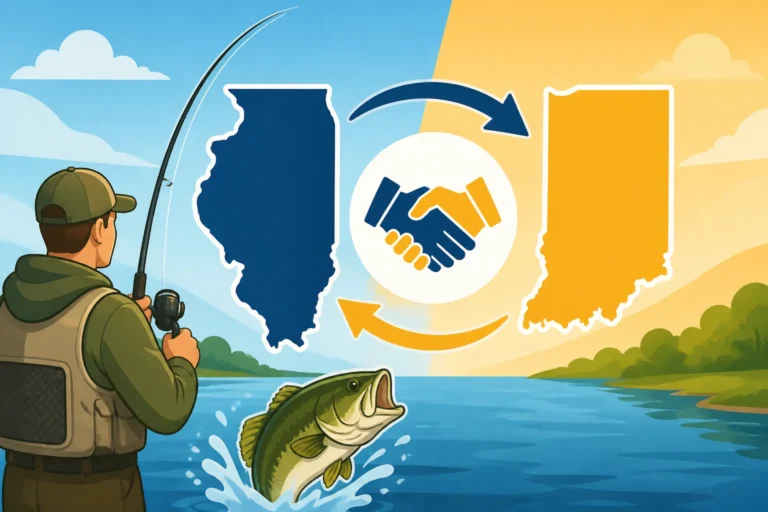
Fishing the Mississippi River in Illinois is an experience unto itself, but it comes with an added layer of complexity: boundary water regulations. Because the Mississippi River forms the western border of Illinois, sharing waters with Iowa, Missouri, and Wisconsin, anglers often face reciprocal agreements – or lack thereof – regarding fishing licenses and, crucially, harvest limits. For example, Illinois Fishing License Reciprocity With Iowa means that if you have a valid Illinois fishing license, you can generally fish the main channel of the Mississippi River that borders both states without needing an Iowa license, and vice-versa. However, the exact harvest limits might default to the regulations of the state from which you launched your boat or the most restrictive of the two states, depending on the specific agreement.
This becomes especially critical when dealing with species like walleye, sauger, and catfish. The Mississippi River Walleye and Sauger fishing in Northern Illinois, particularly in the upper pools, can have stricter size and bag limits compared to statewide Illinois rules or even other sections of the Mississippi further south. Similarly, the Mississippi River Catfish fishing in Southern Illinois is legendary, but you must be aware of potential differences in regulations, particularly concerning flathead catfish, which often have stricter limits due to their slower growth rates and popularity among trophy anglers. Always double-check the specific pool or segment you're fishing and clarify if a specific state's regulations apply or if a joint agreement is in place that might override standard Illinois rules. This is particularly important if you're crossing between Illinois and Missouri to fish the same water or fishing border waters with a Wisconsin license.
Kankakee and Fox Rivers: Protecting Northern Illinois Gems
Moving to northern Illinois, the Kankakee River and Fox River are incredibly popular waterways, especially for smallmouth bass and panfish. These rivers flow through more populated areas, leading to higher fishing pressure, and as a result, they often have special regulations to maintain healthy fish populations. The Kankakee River, renowned for its strong current and rocky bottom, is a premier smallmouth bass fishery. To protect this valuable resource, you will frequently find size restrictions that are more stringent than the statewide minimum for bass, ensuring that a good number of fish reach maturity and can spawn multiple times. In some areas, there might be slot limits where you can keep fish below a certain size and above another, but must release anything in the middle, specifically designed to protect breeding-age fish.
Similarly, the Fox River, with its diverse habitats ranging from shallow riffles to deeper pools and backwaters, hosts a variety of species that are subject to special rules. Crappie holes on the Fox River are well-known, and sometimes, you'll see reduced daily limits for panfish in specific areas or during certain times of the year, particularly during their spring spawning season. These rivers are also often stocked with certain species, and to ensure the success of these programs, the IDNR may impose temporary or long-term restrictions. Before you head out, especially if you're targeting smallmouth bass or specific panfish species, it’s always wise to check the current regulations for the particular section of the Kankakee River Smallmouth Bass Spots or Fox River Fishing Spots Near Elgin, Illinois you plan to visit.
Understanding the Specifics of Harvest Limits
When we talk about "special harvest restrictions," it's not just a blanket term. It breaks down into several distinct categories, each designed to manage fish populations in a specific way. Getting a handle on these terms is key to staying legal and contributing to sustainable fishing practices.
Size Limits, Daily Creel, and Possession Limits
This is where many anglers can get tripped up, and it's essential to understand the distinctions.
-
Size Limits: This refers to the minimum or maximum length a fish must be for you to legally keep it. For example, a river might have a 14-inch minimum size limit for walleye, meaning any walleye shorter than that must be immediately released. Sometimes, you'll encounter a "slot limit," which is a bit trickier. A slot limit might state that you can keep fish under, say, 12 inches, and over 18 inches, but any fish between 12 and 18 inches must be released. These are often used for species like bass or muskie to protect prime breeding-size fish. Rivers are prime candidates for varied size limits because populations can be more localized and sensitive to overharvesting of certain age classes. The Illinois Walleye Minimum Size Limit of 14 Inches applies statewide, but a river might have a higher minimum or a slot.
-
Daily Creel Limit: This is the maximum number of fish of a specific species you are allowed to keep in a single day of fishing. For instance, a statewide daily creel limit for a particular species might be six fish, but a river known for its robust population might have that reduced to three, or even one trophy fish per day, to spread the catch among more anglers or protect against depletion. The Illinois Statewide Bass Daily Catch Limit of Six Fish is common, but river sections could be more restrictive. This limit resets at midnight, so if you fish into the evening and then again early the next morning, you get a fresh limit for the new day.
-
Possession Limit: This is the total number of fish of a specific species that you can have in your possession at any given time, whether it's in your cooler, your boat, your car, or at your home. Often, the possession limit is twice the daily creel limit. This is designed to prevent anglers from taking multiple daily limits on extended trips. For example, if the daily creel limit is six fish, the possession limit might be twelve. If you’re on a multi-day trip on the Mississippi River, you need to be especially mindful of your possession limit as you accumulate fish over several days. Always check whether the possession limit applies to dressed fish as well; typically, if the fish cannot be readily identified or measured, it still counts towards your possession limit.
It's crucial to remember that these limits can interact. You might have a daily creel limit of six walleye, but only two of those can be over 20 inches, for example. Always read the regulations carefully for the specific body of water you intend to fish.
Catch-and-Release Only Zones and Seasons
Another significant type of restriction you'll encounter on Illinois rivers is designated catch-and-release only zones or seasons. This means that for a specified period or in a particular area, you cannot keep any fish of a certain species; they must all be immediately returned to the water, unharmed.
-
Seasonal Catch-and-Release: This is most common during critical spawning periods. For example, some stretches of the Illinois River or its tributaries might have a Catch-and-Release Bass Seasons on Some Illinois Lakes and rivers during the early spring when largemouth and smallmouth bass are building nests and reproducing. This protects the broodstock when they are most vulnerable and ensures successful recruitment of young fish into the population. Often, these seasons are well-advertised by the IDNR and posted at public access points.
-
Year-Round Catch-and-Release Zones: In rarer cases, an entire section of a river might be designated as catch-and-release only year-round for a particular species, perhaps to foster a trophy fishery or protect a struggling population. This might be seen in smaller, more fragile river systems or highly managed sections of larger rivers. These areas often attract dedicated anglers who prioritize the sport of fishing over harvesting. When fishing these zones, it's particularly important to practice proper fish handling techniques to minimize stress and mortality, such as using single, barbless hooks and a rubberized landing net, and keeping the fish in the water as much as possible before release. Fishing tournaments in Illinois often have their own specific rules, but tournament anglers still need a standard fishing license and must adhere to catch-and-release rules in designated areas.
How to Stay Up-to-Date on River Regulations
Given the complexities and variability of river regulations, staying informed is not just good practice, it’s essential to avoid a citation for fishing without a license in Illinois or violating harvest rules. Trust me, a surprise interaction with a game warden is not how you want to end a peaceful day on the water.
The Importance of the Illinois Fishing Information Guide
Your absolute best friend for understanding Illinois fishing regulations is the official Illinois Fishing Information Guide. This comprehensive booklet is published annually by the Illinois Department of Natural Resources (IDNR) and covers all statewide regulations, as well as specific rules for individual lakes, streams, and, critically, rivers with special harvest restrictions. It details everything from fishing license requirements to species-specific limits, and any temporary or permanent river-specific regulations.
You can usually pick up a physical copy of the guide at most sporting goods stores, bait shops, or IDNR offices across the state. Many anglers like to keep a copy in their tackle box or boat for quick reference. If you prefer digital, the IDNR also makes the full guide available online on their official website. I recommend downloading it to your phone or tablet, so you have it even when you’re out of cell service. Seriously, consider it your fishing bible. It’s where the Illinois Fishing Information Guide Applies, and it’s updated every year, typically reflecting changes for the Illinois Fishing License Year Starts on March 1, 2026.
Digital Resources and On-Site Signage
Beyond the annual guide, there are several other reliable ways to stay informed. The IDNR website is an excellent resource for the most current updates, advisories, and emergency rule changes. Sometimes, a river section might be under a temporary restriction due to environmental conditions, and these changes are often posted online first. You can also sign up for email newsletters or follow the IDNR on social media for timely notifications.
When you arrive at a public access point, boat ramp, or popular fishing area on a river, always take a moment to scan for posted signage. Local regulations, specific to that stretch of river, are often prominently displayed. These signs might detail unique size limits, daily creel limits, or special catch-and-release periods for that exact location. It’s easy to get excited and rush to the water, but those few minutes spent reading the signs can save you a lot of trouble. Even if you're buying a fishing license online via the IDNR website, they often link directly to the current regulations. Some anglers even use waterproof cases for their phones and keep a digital copy of the guide handy, or even reference fishing apps that pull data directly from state wildlife agencies. Products like the Garmin Striker series fish finders, available on Amazon, often come with basic mapping capabilities that can sometimes show general regulations for larger bodies of water, though you should always cross-reference with the official guide. For serious anglers, keeping a compact waterproof notepad, also available on Amazon, to jot down specific river rules can be incredibly helpful.
Comparative Table of Illinois Fishing Regulations
To help you visualize how river regulations can differ from general statewide rules, here's a comparative table for common species. Always remember that specific river sections may have even more restrictive rules.
| Species | Statewide General Daily Creel Limit | Statewide General Size Limit | Potential River-Specific Daily Creel Example | Potential River-Specific Size Limit Example |
|---|---|---|---|---|
| Largemouth Bass | 6 | No minimum (varies by site) | 3 (e.g., Kankakee River sections) | 14-inch minimum (e.g., Fox River) |
| Smallmouth Bass | 6 | No minimum (varies by site) | 1 (trophy sections of Kankakee River) | 18-inch minimum (e.g., special regulations) |
| Walleye | 6 | 14 inches | 3 (e.g., Upper Mississippi River Pools) | 15-inch minimum (e.g., Illinois River sections) |
| Sauger | 6 | 14 inches | 3 (e.g., Upper Mississippi River Pools) | 14-inch minimum (e.g., specific river segments) |
| Channel Catfish | 20 | No minimum | 10 (e.g., smaller tributaries) | No minimum (generally consistent) |
| Flathead Catfish | 10 | No minimum | 5 (e.g., Southern Mississippi River) | 18-inch minimum (e.g., some conservation areas) |
| Crappie | 15 | No minimum (varies by site) | 10 (e.g., Fox River backwaters) | 9-inch minimum (e.g., specific conservation lakes) |
This table is a simplified guide, and it cannot replace checking the official IDNR regulations for the precise river and section you plan to fish. Always verify before you cast a line!
Disclaimer
The information provided in this guide is for general informational purposes only and is not legal advice. Fishing regulations in Illinois can change frequently. Always consult the most current official Illinois Department of Natural Resources (IDNR) Fishing Information Guide and any local signage at your chosen fishing location before engaging in any fishing activities. Compliance with all state and local laws is the angler's responsibility.