What Anglers Pay Extra to Fish for Salmon on Lake Michigan in Illinois
It can be incredibly frustrating to plan a fishing trip, only to realize there are hidden fees and extra permits beyond your standard license. Many anglers dream of battling a powerful salmon on Lake Michigan, but the costs associated with this specific pursuit can be a bit opaque. This comprehensive guide is here to unravel exactly what extra expenses you might face when you set out to fish for salmon on Lake Michigan in Illinois, ensuring you're fully prepared and can budget effectively for your next adventure.
Beyond the Basic Illinois Fishing License
Before you even think about the specialized pursuit of Lake Michigan salmon, it's crucial to understand that a fundamental Illinois fishing license is your absolute starting point. This isn't just a suggestion; it's a legal requirement that underpins all other fishing activities in the state, including those thrilling days on Lake Michigan. The state wants to ensure that everyone participating in its fisheries is contributing to their management and conservation efforts.
The Standard Illinois Fishing License
The standard Illinois fishing license is your general admission ticket to the vast majority of Illinois's incredible fishing opportunities. It's the baseline requirement for most anglers aged 16 and over. This license covers you for freshwater fishing in countless lakes, rivers, and streams across the state. Think of it as your passport to angling, allowing you to chase bass in a local pond or catfish in the Illinois River. However, for specialized fisheries like the salmon and trout of Lake Michigan, this foundational license is just the beginning.
The costs for these licenses can vary depending on your age, residency, and how long you plan to fish. For instance, an Illinois resident will pay less for an annual license than an out-of-state visitor. There are also options for 24-hour licenses or even lifetime permits, each with its own price tag. Regardless of which type you choose, securing this basic license is the essential first step before considering any additional stamps or permits required for specific species or locations. You can dive deeper into the specifics by checking out our Illinois Fishing License Guide for 2026 or learning more about Illinois Fishing License Costs and Types.
Why Lake Michigan Salmon Require More
The magnificent salmon and trout fishery in Lake Michigan is truly a unique treasure, but it's also a highly managed and incredibly expensive endeavor for the state. Unlike many native Illinois species that sustain themselves through natural reproduction, the vast majority of the salmon and trout populations in Lake Michigan are sustained through robust, continuous stocking programs. These are not small-scale operations; millions of fish are raised in hatcheries and released into the lake each year to provide the incredible angling opportunities we enjoy.
This extensive stocking requires significant financial investment, from the operation of state-of-the-art hatcheries to the transportation and release of countless fingerlings and smolts. The money collected from specific stamps, like the one for Lake Michigan salmon, directly supports these critical conservation and enhancement efforts. It ensures that future generations of anglers will continue to have the chance to experience the thrill of reeling in a powerful Chinook or a feisty Coho. Without these additional funds, maintaining such a vibrant, artificial fishery would simply not be feasible. It’s a direct contribution to keeping the salmon dreams alive.
Unpacking the Lake Michigan Salmon Stamp
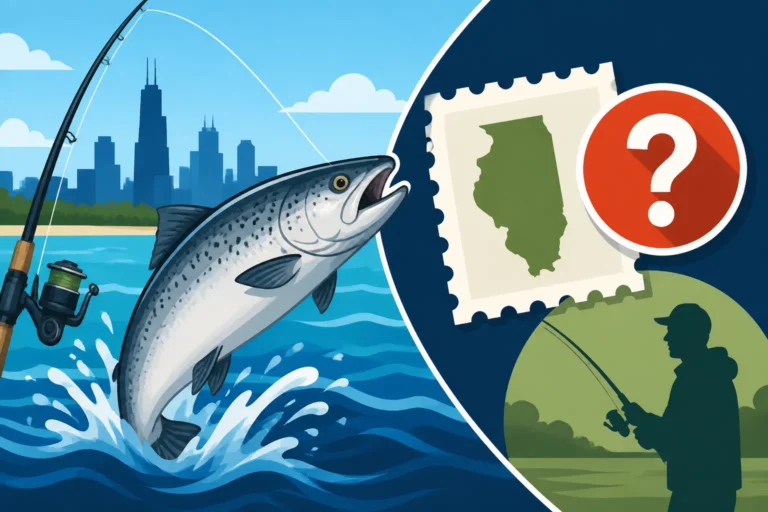
This is where the "extra" cost specifically for Lake Michigan salmon and trout fishing comes into play. If you're planning to target these magnificent cold-water species, the Lake Michigan Salmon Stamp is a mandatory addition to your standard Illinois fishing license. Ignoring this small but crucial detail can lead to fines and a ruined fishing trip, so it's vital to understand its requirements and how to acquire it.
Who Needs the Lake Michigan Salmon Stamp
The rules for the Lake Michigan Salmon Stamp are pretty straightforward: if you are 16 years of age or older and intend to fish for or possess salmon or trout in Lake Michigan, you must have this stamp. It doesn't matter if you're a seasoned local or a visiting angler from out of state; the requirement applies universally. This also holds true even if you only plan to catch and release these species. The act of targeting them means you need the stamp.
There are no exemptions for seniors or disabled anglers when it comes to the Salmon Stamp, unlike some other license categories. While children under 16 don't need a basic fishing license, once they turn 16, they'll need both the standard license and the Lake Michigan Salmon Stamp to legally fish for salmon and trout. This ensures that everyone who benefits from the stocked fishery is contributing their fair share to its upkeep. For a full breakdown of who needs what, our guide on Lake Michigan Salmon Stamp Requirements for Anglers is an invaluable resource.
Current Costs and How to Purchase
The cost of the Lake Michigan Salmon Stamp is quite modest, especially when you consider the incredible fishery it supports. As of my latest information, the Illinois Lake Michigan Salmon Stamp typically costs $6.50. This fee is added on top of your chosen base fishing license. It's a small price to pay for the opportunity to chase some of the most exciting game fish in the state.
Purchasing this stamp is relatively easy and convenient. You can acquire it through the Illinois Department of Natural Resources (IDNR) website, which is often the quickest way to get it online. Many authorized license vendors, such as bait shops, sporting goods stores like those found in larger retail chains, and even some local marinas along the Lake Michigan shoreline, also sell these stamps. When you purchase your standard fishing license, you'll typically be prompted to add any necessary stamps, including the Lake Michigan Salmon Stamp, if you indicate your intention to fish those waters.
Here's a quick overview of the stamp's cost and purchase options:
| Item | Cost (approx.) | Purchase Locations | Notes |
|---|---|---|---|
| Lake Michigan Salmon Stamp | $6.50 | IDNR Website, Authorized Vendors, Sporting Goods Stores | Required for anglers 16+ targeting salmon/trout in Lake Michigan |
Remember to always carry proof of your license and stamp while fishing. Digital copies on your phone are usually acceptable, but having a physical printout can also be a good backup, especially if you're out on the water where cell service might be spotty.
What the Salmon Stamp Funds
It's easy to just pay the fee and move on, but understanding where that $6.50 goes can give you a greater appreciation for your contribution. The revenue generated from the Lake Michigan Salmon Stamp is specifically earmarked for the vital programs that sustain the Lake Michigan sport fishery in Illinois. This isn't just going into a general fund; it's a direct investment back into the resource you're enjoying.
A significant portion of these funds supports the state's fish hatcheries, particularly those involved in rearing and stocking various salmonid species. This includes Chinook salmon, Coho salmon, Steelhead (rainbow trout), and Brown trout. These fish are bred, grown, and then released into Lake Michigan at strategic times and locations, often near public access points and harbors, to bolster their numbers. Without these stocking efforts, the populations of these non-native species would dwindle, and the fantastic fishing opportunities would disappear.
Beyond stocking, the funds also contribute to important fisheries research, habitat improvement projects, and law enforcement efforts by conservation police officers who ensure compliance with fishing regulations. This holistic approach helps maintain a healthy ecosystem and a well-managed fishery, ensuring that the thrill of catching a Lake Michigan salmon remains a possibility for years to come. This dedicated funding mechanism is a prime example of how user fees directly benefit the resource.
Other Potential "Extra" Costs to Consider
While the Lake Michigan Salmon Stamp is the direct answer to "what anglers pay extra" for salmon, it's really just one piece of a larger financial puzzle. When planning a trip to tackle Lake Michigan's impressive salmon and trout, there are several other substantial costs that anglers often overlook, which can quickly add up and significantly impact your overall budget. These are less about permits and more about the practicalities of fishing such a large and unique body of water.
Gear and Tackle Specifics for Lake Michigan
Lake Michigan is a vast, often deep, and powerful body of water, and the fish that inhabit it are equally formidable. This isn't your average farm pond fishing setup. You'll quickly discover that your typical bass or panfish gear just won't cut it. To effectively target salmon and trout here, you'll need specialized, heavy-duty equipment designed to handle long fights with powerful fish and to deploy baits at significant depths.
This often means investing in longer, stout trolling rods that can withstand the strain of heavy weights and hard-fighting fish. Paired with these rods are large capacity baitcasting reels, often filled with specialized lines like braided mainline and fluorocarbon leaders, capable of holding hundreds of yards of line. You'll also need a variety of lures, including spoons, dodgers, and flies, often in different colors and sizes to match varying conditions. For serious trolling, equipment like downriggers and planer boards become essential to get your lures to the right depth and spread them out to cover more water. These can be significant investments. Many anglers start by browsing trusted online retailers like Amazon for initial research and price comparisons on these specialized items. You might find great deals on a sturdy Lake Michigan Trolling Gear for Salmon and Trout setup if you know what to look for.
Charter Boats and Fuel Expenses
For many anglers, especially those without their own suitable boat, the most practical way to experience Lake Michigan salmon fishing is by booking a charter boat. Chartering a boat involves hiring a professional captain and crew who provide all the necessary specialized equipment, local knowledge, and safety gear. This is an excellent option for beginners or those visiting the area, offering a high chance of success without the massive upfront investment in a boat and gear.
However, charter fees are a considerable expense. A typical half-day or full-day salmon charter can range anywhere from several hundred dollars to over a thousand, depending on the boat's size, the length of the trip, and what's included. While it might seem steep, it often covers everything from bait and tackle to cleaning your catch, making it a comprehensive package.
If you own your own boat, you'll still face substantial fuel expenses. Lake Michigan is huge, and a day of trolling can burn a lot of gasoline, especially if you're running powerful outboards. Beyond fuel, you'll also need to consider launch fees at public boat ramps, which can vary, or potentially marina slip fees if you plan an extended stay. These operational costs can easily add up, making a "free" day on your own boat less free than it seems.
Boating Safety and Registration
Owning a boat in Illinois comes with its own set of regulatory and safety costs. If you plan to use your own vessel on Lake Michigan, you'll need to ensure it's properly registered with the state. This involves Illinois Boat Registration Requirements Explained and associated fees, which vary based on the boat's length and horsepower. This registration must be renewed regularly, typically every three years.
Beyond registration, Illinois law mandates certain safety equipment be on board. This includes a sufficient number of U.S. Coast Guard-approved personal flotation devices (PFDs), or life jackets, for everyone on board, and often a throwable PFD (Type IV) for boats over 16 feet. Other requirements can include a fire extinguisher, visual distress signals (like flares), a sound-producing device (horn or whistle), and navigation lights. Many of these items have a lifespan and need to be replaced periodically. You can often find reliable safety gear, including PFDs, on Amazon or at marine supply stores.
Furthermore, anyone born on or after January 1, 1998, who operates a motorboat with an engine of 10 horsepower or more, needs to possess a valid Illinois Boater Education Card. This requires completing an approved safety course, which usually incurs a fee. All these steps are crucial for safety on Lake Michigan's often unpredictable waters and are essential "extra" costs for any boat owner. For more information, refer to our Illinois Boater Education Card Requirements guide.
Budgeting for Your Lake Michigan Salmon Adventure
Taking on Lake Michigan for salmon fishing is an exhilarating experience, but it’s one that benefits greatly from careful planning, especially when it comes to your wallet. Understanding how to budget for the various expenses, both obvious and subtle, will help you maximize your enjoyment and avoid any unpleasant surprises.
Planning for a Day Trip Versus a Multi-Day Excursion
The duration of your fishing trip significantly impacts your budget. A single day of fishing, while still involving the basic license and salmon stamp, might allow you to get by with less specialized gear if you're going with a friend who has a boat, or by focusing on pier fishing during specific seasons. You'll save on lodging, but still need to account for fuel, bait, and provisions for the day.
However, many anglers find that Lake Michigan offers its best opportunities over several days. A multi-day excursion often means additional costs for accommodation, whether it's a hotel, campground, or vacation rental. More days also mean more food, more bait, and potentially more ice to keep your catch fresh. If you’re renting a charter, multi-day packages can sometimes offer a slight discount per day compared to booking individual full days, but the overall cost will naturally be higher. It's important to weigh the desire for an extended experience against the escalating costs for things like gas, provisions, and accommodation. Understanding the Best Time of Year for Lake Michigan Salmon in Illinois can also help you plan for peak opportunities, potentially making a shorter, more focused trip more productive.
Cost-Saving Tips for Anglers
Even with the inherent costs of Lake Michigan salmon fishing, there are smart ways to make your adventure more budget-friendly without sacrificing the experience.
One of the best strategies is to share costs. If you're going on a charter, split the fee with friends or family. If you own a boat, share fuel and bait expenses. This significantly reduces the individual burden. Another tip is to look for used gear. Sites like Facebook Marketplace, local consignment shops, or even Amazon's refurbished sections can be goldmines for finding quality trolling rods, reels, or even downriggers at a fraction of their new price. Just be sure to inspect items carefully for wear and tear.
Consider shore or pier fishing at certain times of the year. While not always as productive as boat fishing for salmon, during spring and fall runs, salmon and trout often come closer to shore, offering opportunities for anglers without a boat. Locations like Chicago's harbors and various piers along the Illinois Lake Michigan shoreline can provide exciting action with less expensive gear. You might still need heavier-duty spinning gear, but it's generally less costly than a full trolling setup.
Finally, planning your meals and snacks in advance, rather than buying them at marinas or convenience stores, can save a considerable amount. Pack a cooler with your own drinks and food. Every little bit adds up, allowing you to reallocate those savings to more important aspects of your trip, like getting enough live bait or that extra fishing stamp. For a deeper dive into managing your finances, check out our guide on Budgeting for a Salmon Fishing Trip on Lake Michigan.
Disclaimer
Please remember that fishing regulations, license costs, and stamp requirements are subject to change. Always consult the official Illinois Department of Natural Resources (IDNR) website or their current fishing guide for the most up-to-date and accurate information before planning your fishing trip. This guide is for informational purposes only and should not be considered legal advice.